
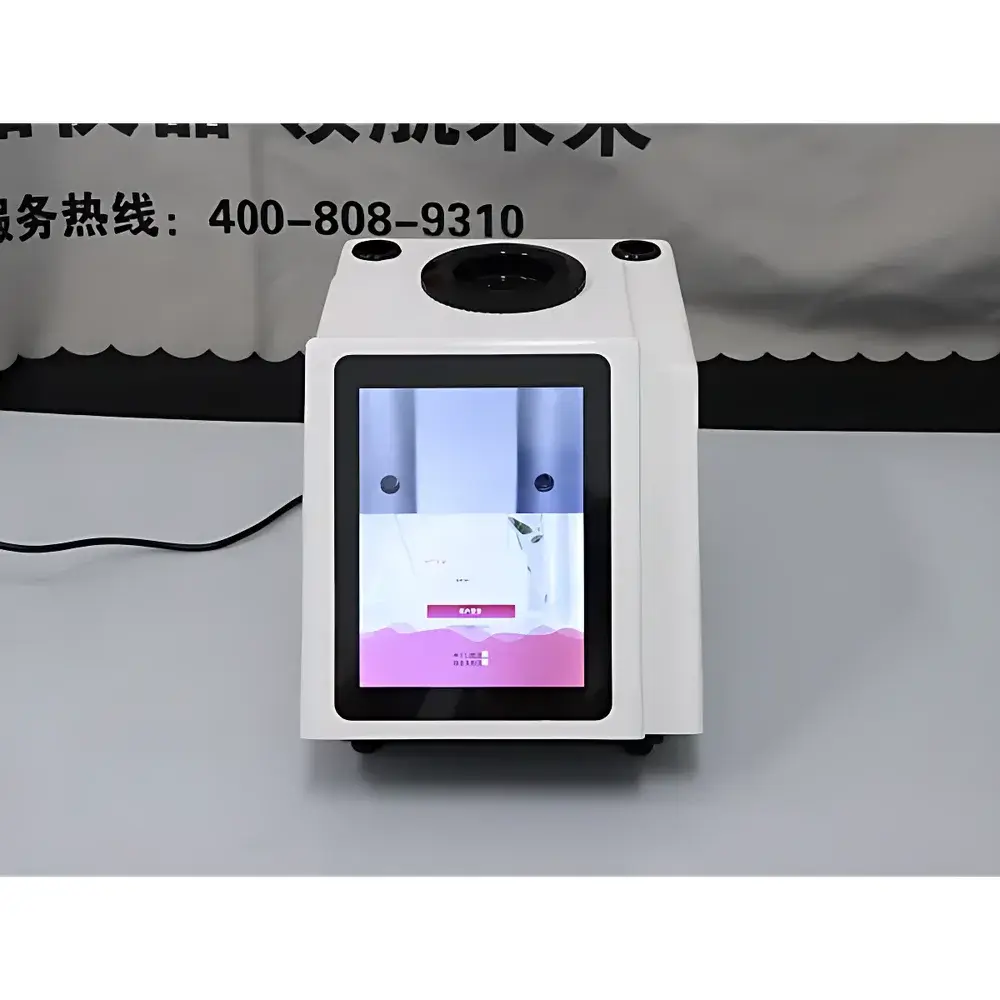
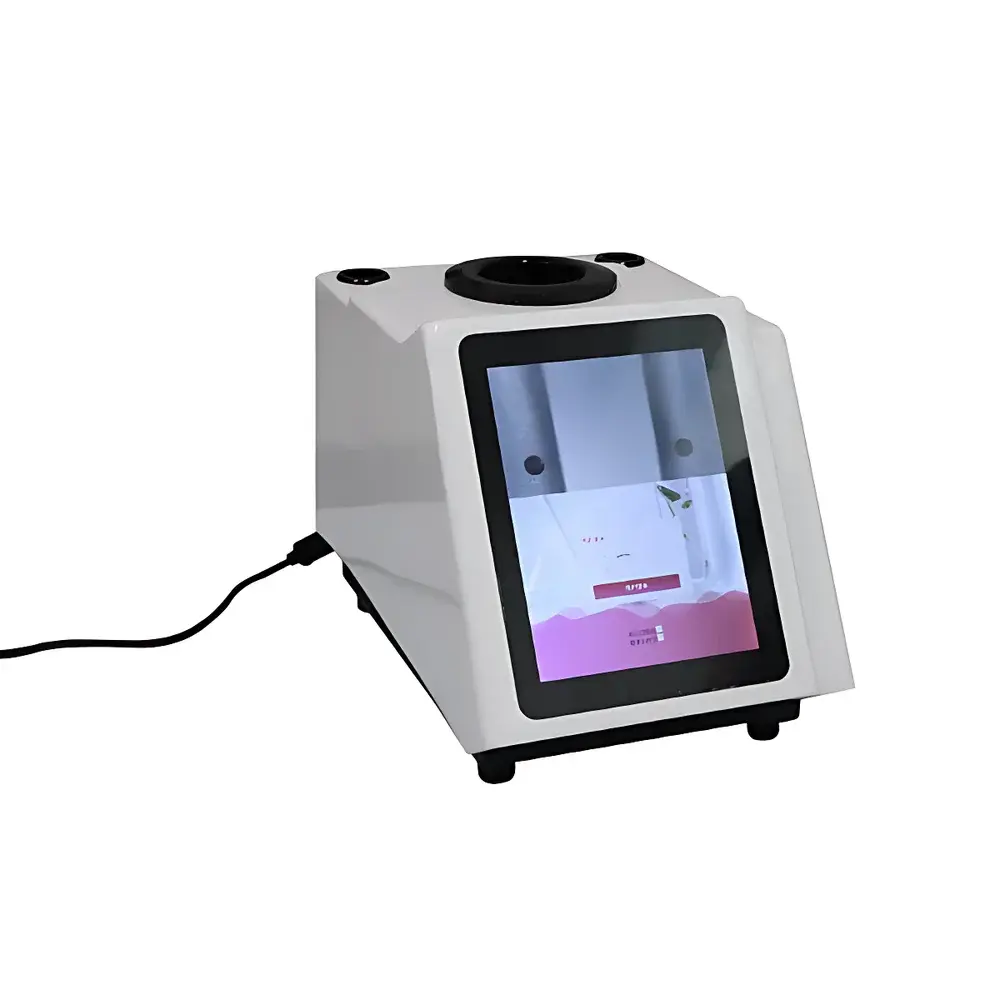
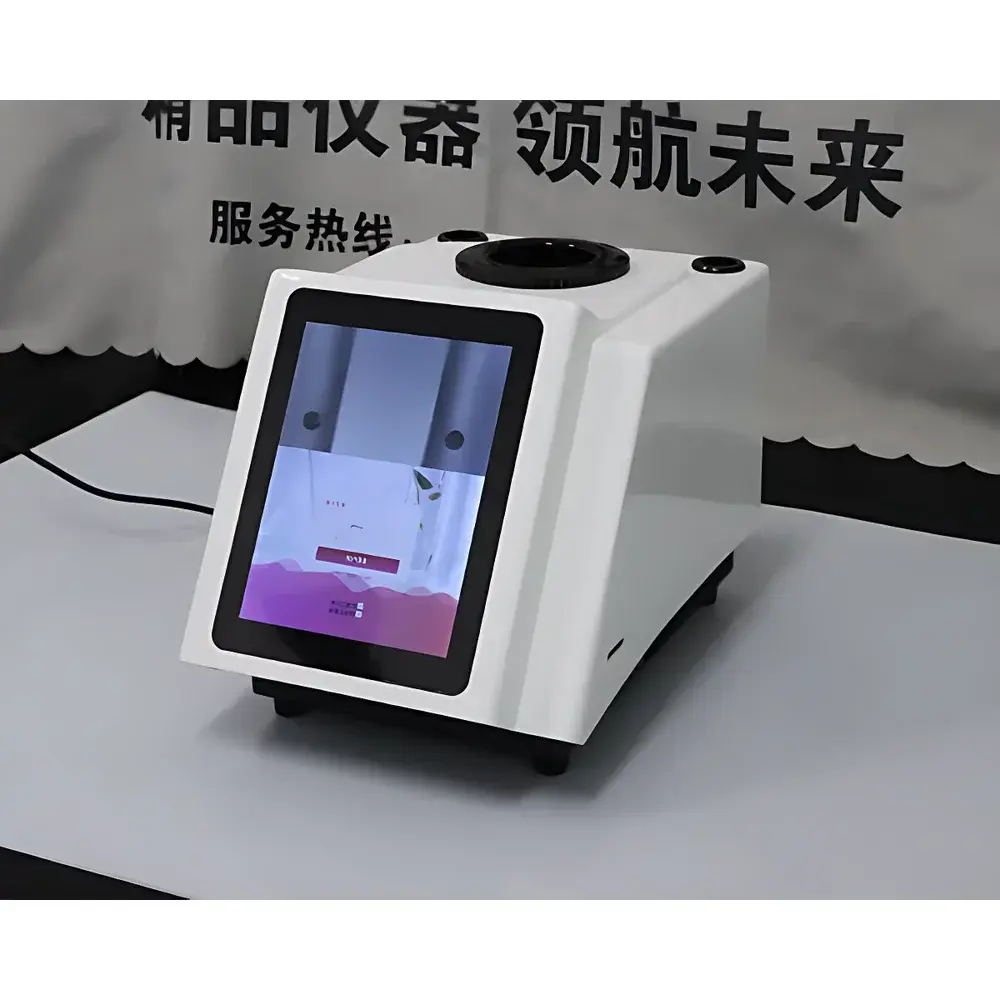
JIAHANG AIpol-JHD50 Video Drop Point & Softening Point Analyzer
| Brand | JIAHANG |
|---|---|
| Origin | Shanghai, China |
| Manufacturer Type | Direct Manufacturer |
| Country of Origin | China |
| Model | AIpol-JHD50 |
| Price | Upon Request |
| Temperature Range | Ambient to 400 °C |
| Temperature Resolution | 0.01 °C |
| Heating Rate | 0.1–20 °C/min (200-step continuous adjustment) |
| Accuracy | ±0.2 °C (<250 °C), ±0.4 °C (>250 °C) |
| Repeatability | ±0.1 °C at 0.1 °C/min |
| Sample Capacity | 2 parallel channels (2 drop point cups: 2.8 mm orifice |
| 2 softening point cups | 6.35 mm orifice) |
| Optical Magnification | Standard 9×, adjustable |
| Display | 10.4″ FTF color touchscreen |
| Data Storage | 64 GB internal |
| Method Library | 600 preloaded, user-lockable |
| User Management | 4-tier permission control |
| Audit Trail | Compliant with FDA 21 CFR Part 11 |
| Electronic Signature | Enabled |
| Data Export Formats | PDF, Excel |
| Connectivity | USB, RS232, SD card, Wi-Fi, RJ45, U-disk interface |
| Barcode Scanner Support | Yes |
| Power Supply | 110–230 V AC, 50/60 Hz, 120 W |
| Dimensions (W×D×H) | 430 × 320 × 370 mm |
| Net Weight | 6.5 kg |
Overview
The JIAHANG AIpol-JHD50 Video Drop Point & Softening Point Analyzer is a dual-function thermal transition instrument engineered for precise, repeatable determination of drop point (for greases, waxes, and semi-solids) and ring-and-ball softening point (for bitumen, resins, and pharmaceutical ointments). It employs a closed-furnace PID-controlled heating system coupled with real-time high-definition video imaging—replacing subjective visual observation through optical microscopes or manual timing. The instrument operates on the fundamental principle of thermally induced phase transition: as temperature rises under controlled ramping, the onset of flow (drop point) or sagging under standardized load (softening point) is captured frame-by-frame at up to 9× optical magnification. This enables objective endpoint detection based on pixel-level motion analysis and morphological change recognition—not operator-dependent judgment. Designed for compliance-critical environments, it integrates full 21 CFR Part 11 functionality—including electronic signatures, immutable audit trails, method locking, and role-based access control—making it suitable for GLP, GMP, and regulatory submission workflows in pharmaceutical, cosmetic, petrochemical, and materials R&D laboratories.
Key Features
- Dual-channel independent testing: Simultaneous analysis of two samples using interchangeable cup assemblies—2.8 mm orifice cups for ASTM D3461/D3204 drop point and 6.35 mm ring-and-ball cups per ASTM D36/D6090 and ISO 4625-2.
- High-fidelity video capture system: 1080p resolution imaging synchronized with temperature logging, enabling retrospective review of melt initiation, droplet formation, and deformation kinetics.
- Multi-segment programmable temperature control: Up to 10 user-defined heating ramps per method, supporting complex thermal profiles such as hold-isotherms, stepwise rate changes, and cooling cycles.
- Full digital workflow integration: Built-in barcode scanner for sample ID auto-entry; direct PDF/Excel report generation with embedded video thumbnails and metadata; export via USB, SD, Wi-Fi, or Ethernet to LIMS or ELN systems.
- Regulatory-grade software architecture: Compliant with FDA 21 CFR Part 11 requirements—including cryptographic MD5 hash verification for data integrity, time-stamped audit logs, and four-level user permissions (Administrator, Supervisor, Technician, Viewer).
Sample Compatibility & Compliance
The AIpol-JHD50 accommodates a broad spectrum of thermoplastic and semi-crystalline materials, including but not limited to asphalt binders (including high-temperature polymer-modified grades), paraffin and microcrystalline waxes, petroleum jellies, lubricating greases, rosin derivatives, topical pharmaceutical bases (e.g., suppositories, ointments, gels), and cosmetic emulsions. Its design conforms to international standard test methods including ASTM D3204 (drop point of lubricating grease), ASTM D3461 (drop point of waxes), ASTM D3104 (softening point of bitumen), ASTM D3954 (softening point of resins), ASTM D6090 (ring-and-ball softening point), DIN 51801 and DIN 51920, ISO 2176:1972 and ISO 4625-2, GB/T 2294-2019, GB/T 3498, GB/T 8728-1988, and pharmacopeial monographs (USP <741>, EP 2.2.17, ChP IV). Validation documentation—including metrological calibration certificates traceable to NIM (National Institute of Metrology, China) and accuracy verification reports (0.2-class certified)—is provided with each unit.
Software & Data Management
The embedded operating system features a 10.4″ capacitive touchscreen interface with intuitive icon-driven navigation. All experimental parameters—including heating rate, target temperature, dwell time, cup type, and camera focus offset—are configurable and stored within encrypted method templates. Each test generates a timestamped record containing raw temperature/time data, annotated video frames, user identity, instrument serial number, and environmental metadata. Data files are digitally signed and protected by SHA-256 hashing; modifications trigger automatic alert flags in the audit trail. The system supports seamless integration with third-party laboratory informatics platforms via TCP/IP or Modbus RTU protocols. Optional PC-based software (available upon request) enables advanced statistical analysis, batch reporting, and automated compliance reporting for internal QA audits or regulatory inspections.
Applications
This analyzer serves critical quality control and formulation development functions across multiple regulated industries. In petroleum refining and lubricant manufacturing, it verifies consistency of grease thickener performance and asphalt binder grade classification. In pharmaceutical development, it supports excipient characterization, stability studies of semi-solid dosage forms, and release testing per ICH Q5C guidelines. Cosmetic R&D labs use it to assess thermal stability of emulsion bases and wax blends under accelerated aging conditions. Materials scientists apply it to evaluate polymer blend compatibility, crystallinity transitions in bio-based waxes, and thermal degradation onset in specialty resins. Its ability to replace traditional manual methods—such as the capillary tube drop point test or classical环球法 (ring-and-ball)—eliminates inter-operator variability and eliminates reliance on hazardous heat-transfer media (e.g., glycerol baths), thereby improving safety and reproducibility.
FAQ
Does the AIpol-JHD50 support both drop point and softening point measurements in a single run?
No—each test run is configured for one measurement mode (drop point OR softening point), but both cup types are included and swappable without tools. Two samples of the same type can be tested simultaneously.
Is external calibration required before first use?
The unit ships with a factory-issued calibration certificate (0.2-class accuracy, NIM-traceable). Users may perform routine verification using certified reference materials (e.g., indium, tin, or potassium nitrate standards); full recalibration is recommended annually or after major maintenance.
Can video recordings be exported separately from test reports?
Yes—recorded videos are saved in MP4 format with synchronized temperature metadata and can be extracted via USB or network interface independently of PDF/Excel reports.
What level of cybersecurity is implemented for remote data access?
Wi-Fi and Ethernet interfaces support WPA2-Enterprise authentication and TLS 1.2 encryption. Remote login requires multi-factor authentication when enabled via optional enterprise firmware module.
Is method validation support available for GMP-regulated users?
Yes—JIAHANG provides IQ/OQ documentation templates, risk assessment guidance (per ISO 14971), and on-site or virtual qualification support for installation qualification (IQ), operational qualification (OQ), and performance qualification (PQ) activities.







