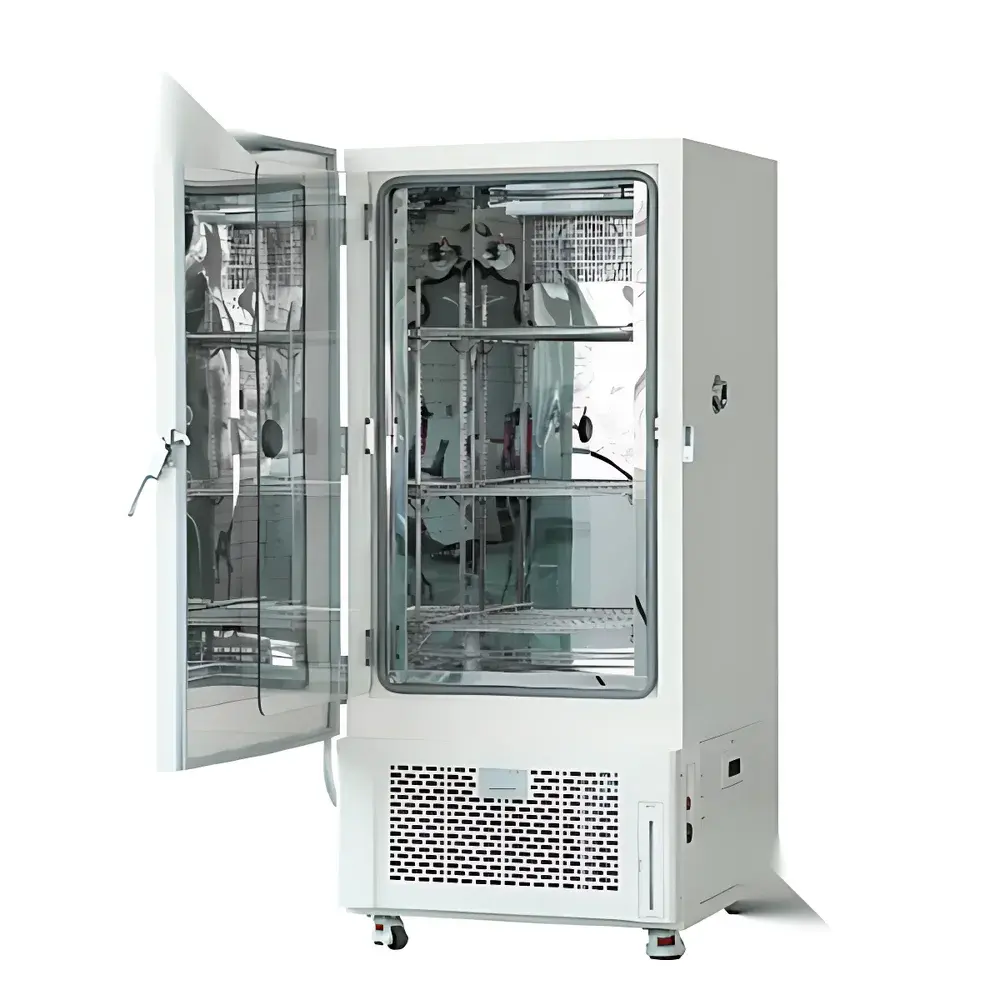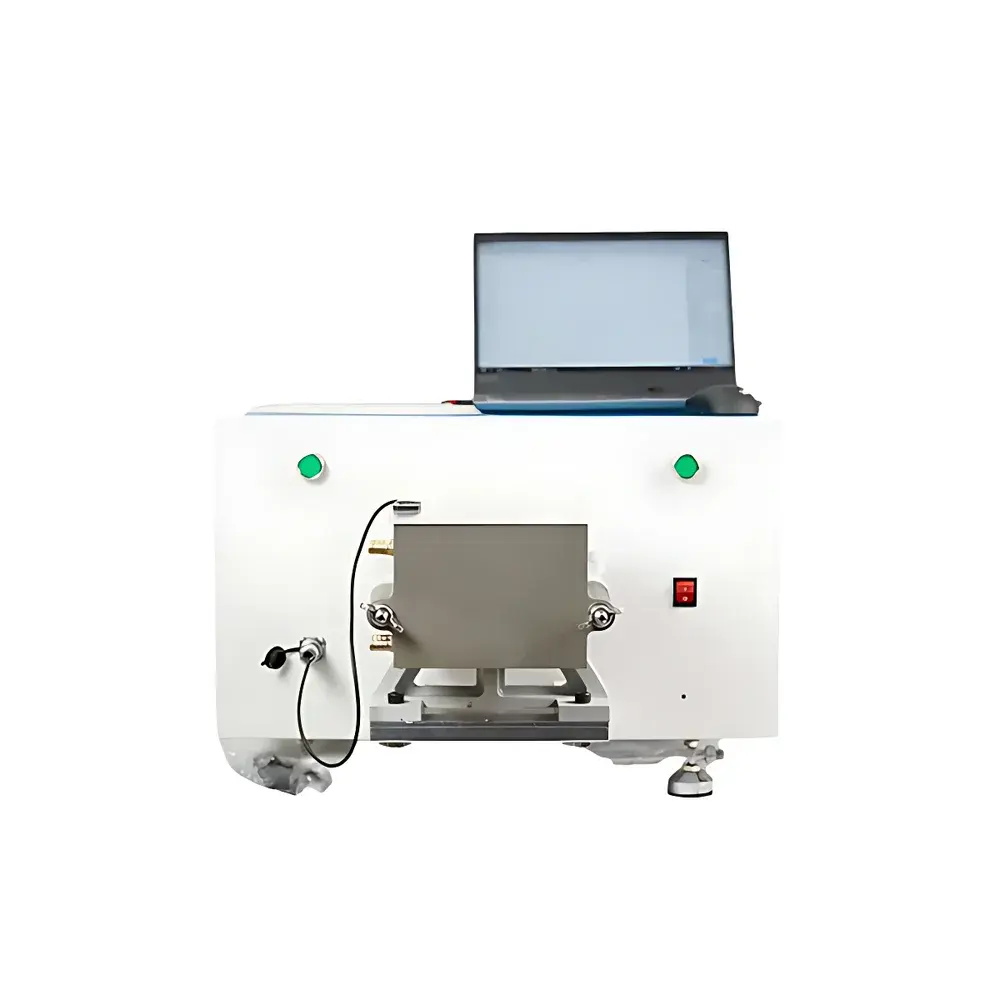
Jingcheng Huatai HT-FZ Farinograph
| Brand | Jingcheng Huatai |
|---|---|
| Origin | Beijing, China |
| Manufacturer Type | Authorized Distributor |
| Country of Origin | China |
| Model | HT-FZ |
| Price | USD 7,650 (FOB Beijing) |
| Power Supply | AC 200–240 V, 50/60 Hz |
| Motor Power | ≤250 W |
| Shaft Speed | 63 ± 2 rpm |
| Speed Ratio (Fast/Slow Blades) | 1.50 ± 0.01 : 1 |
| Torque Range | 0–10 N·m |
| Torque Accuracy | ≤0.5% FS |
| Bowl Capacity | 300 g |
| Farinograph Unit (FU) Range | 0–1000 FU |
| Torque Calibration | (9.8 ± 0.2) mN·m/FU |
| Bowl Temperature Control | 30.0 ± 0.2 °C |
| Water Delivery Precision | ±0.2 mL (for 300 g dough) |
| Water Bath Pressure | ≤340 mbar |
| Water Flow Rate | ≤15 L/min |
| Compliance | GB/T 14614–2019, GB/T 35943–2018 |
| Safety Features | Overload protection, blade interlock, automatic shutdown on lid open |
| Data Export | CSV, Excel-compatible format |
| Software | Integrated Windows-based farinogram acquisition & analysis suite with curve overlay, parameter annotation, and GLP-compliant audit trail |
Overview
The Jingcheng Huatai HT-FZ Farinograph is a precision-engineered instrument designed for standardized evaluation of wheat flour rheological behavior during dough formation and development. Based on the fundamental principle of controlled mechanical mixing under constant temperature and hydration conditions, the HT-FZ applies defined shear stress to a 300 g flour-water mixture using dual rotating blades operating at a fixed speed ratio (1.50:1), generating torque signals proportional to dough resistance. These real-time torque measurements—converted into Farinograph Units (FU) via calibrated transduction—are plotted against time to produce the characteristic farinogram: a graphical representation of dough consistency, water absorption, dough development time, stability, and degree of softening. This methodology aligns strictly with internationally recognized cereal science protocols, particularly ISO 5530-1 and the Chinese national standards GB/T 14614–2019 and GB/T 35943–2018, both of which define test procedures, instrumentation requirements, and interpretation criteria for flour quality assessment in breeding, procurement, milling, and food manufacturing contexts.
Key Features
- High-fidelity torque sensing system with ±0.5% full-scale accuracy and 0–10 N·m dynamic range, enabling reproducible quantification of dough viscoelastic response across diverse flour types.
- Precisely regulated thermostatic water bath maintaining bowl temperature at 30.0 ± 0.2 °C—critical for eliminating thermal drift and ensuring compliance with standard test conditions.
- Automated, pressure- and flow-rate-independent water delivery system achieving ±0.2 mL dosing accuracy for 300 g batches, eliminating operator variability and supporting method robustness.
- Dual-blade kneading assembly fabricated from corrosion-resistant stainless steel, incorporating mechanical overload protection and safety interlocks that halt operation upon lid opening or abnormal load detection.
- Integrated Windows-based software providing real-time farinogram visualization, automated parameter extraction (water absorption %, development time, stability, weakening rate), and comparative overlay of up to 12 curves per session.
- Full GLP-supportive data handling: timestamped raw torque logs, user authentication, electronic signatures, and immutable audit trails compliant with 21 CFR Part 11 principles for regulated environments.
Sample Compatibility & Compliance
The HT-FZ Farinograph is validated for use with all common wheat flour types—including hard red winter, soft white, durum semolina, and pre-mixed bakery flours—as well as composite blends containing gluten-free adjuncts (e.g., rice, maize, or potato starch), provided hydration adjustments are applied per GB/T 14614–2019 Annex B guidance. Instrument performance is verified using certified reference materials traceable to national metrological institutes. All hardware and firmware meet electromagnetic compatibility (EMC) requirements per GB/T 18268.1–2010 and electrical safety standards per GB 4793.1–2007. The system supports routine calibration verification using standardized flour samples; observed stability deviation remains within ±15% of certified reference values—meeting acceptance criteria outlined in GB/T 35943–2018 Section 6.4.
Software & Data Management
The HT-FZ operates with proprietary FARINOSOFT v3.2 software, developed in accordance with ICH E6(R3) and ISO/IEC 17025:2017 software validation frameworks. The interface provides guided workflow execution—from sample ID entry and target absorption input to automatic water dispensing confirmation and kneading cycle initiation. Raw torque vs. time datasets are stored in binary format with embedded metadata (operator ID, ambient humidity/temperature, calibration status). Export functions generate ANSI-compliant CSV files containing time-stamped FU values, derivative parameters, and statistical summaries suitable for integration into LIMS or JMP/SAS analytical pipelines. Audit logs record all user actions, parameter modifications, and system events with cryptographic hashing to prevent tampering—essential for GMP-aligned flour quality control laboratories subject to FDA or CNCA inspection.
Applications
- Wheat breeding programs: Rapid screening of progeny lines for dough strength, mixing tolerance, and hydration capacity to accelerate selection cycles.
- Grain elevators and procurement centers: Objective verification of contractual specifications (e.g., water absorption ≥62%, stability ≥8 min) prior to bulk acceptance.
- Mill QA/QC labs: In-process monitoring of roller mill settings, heat damage indicators, and enzymatic activity via farinogram shape analysis.
- Bakery R&D: Formulation optimization for pan bread, noodles, and steamed buns by correlating farinograph parameters with end-product texture, volume, and shelf-life.
- Regulatory testing laboratories: Accredited determination of flour compliance with GB 1355–2021, NY/T 1093–2020, and export requirements for ASEAN, GCC, and CIS markets.
FAQ
What standards does the HT-FZ Farinograph comply with?
It fully conforms to GB/T 14614–2019 (equivalent to ISO 5530-1:2020) and GB/T 35943–2018, and was co-contributed to the drafting of both standards by Jingcheng Huatai’s technical committee representatives.
Can the instrument be used for non-wheat flours?
Yes—while optimized for wheat, it supports testing of rye, barley, triticale, and composite flours when adjusted per GB/T 14614–2019 Annex B; method validation is required for each matrix.
Is remote software update supported?
Firmware and software updates are delivered via encrypted USB key with SHA-256 signature verification; network connectivity is disabled by default to maintain air-gapped security in production labs.
How is torque calibration maintained over time?
The system includes a built-in mechanical calibration check using NIST-traceable torque weights; annual third-party verification is recommended and documented in the instrument’s calibration history log.
Does the HT-FZ support multi-language UI?
The software interface is available in English and Simplified Chinese; additional language packs (Spanish, Arabic, Vietnamese) can be deployed upon request for multinational mill groups.