
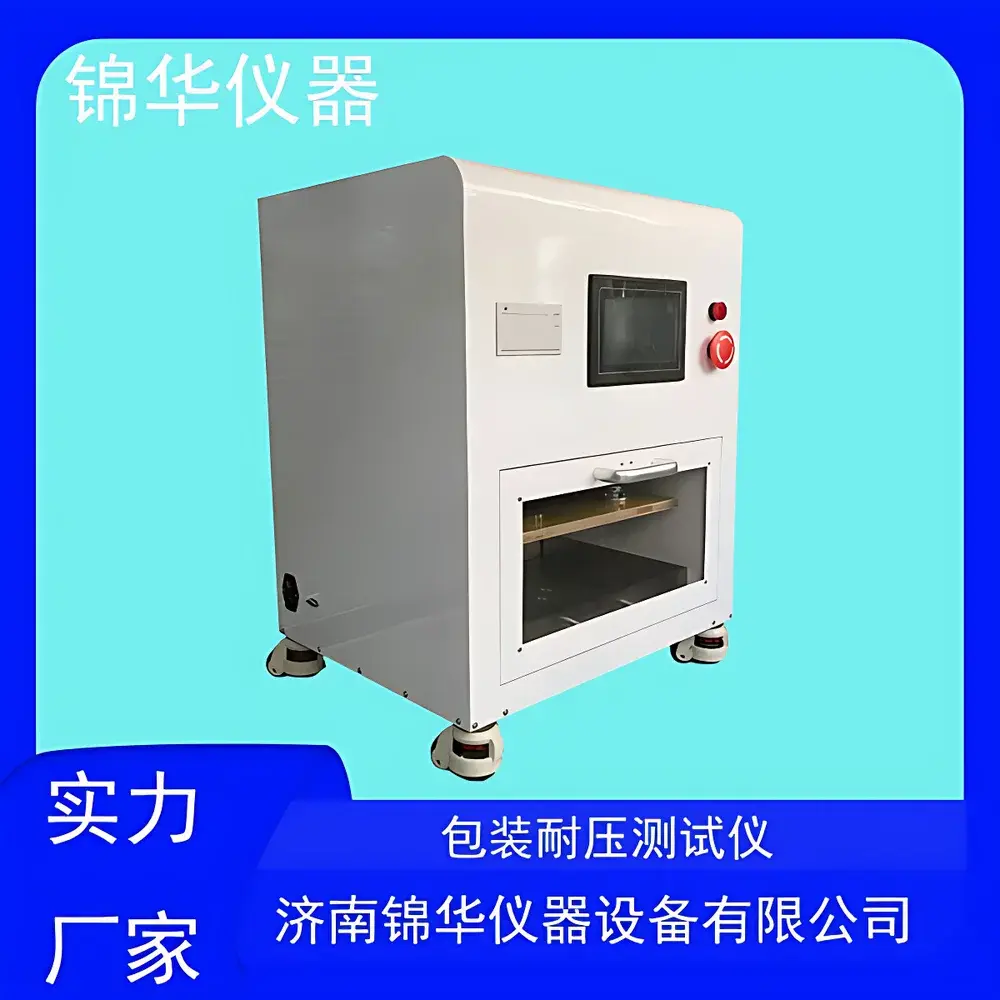
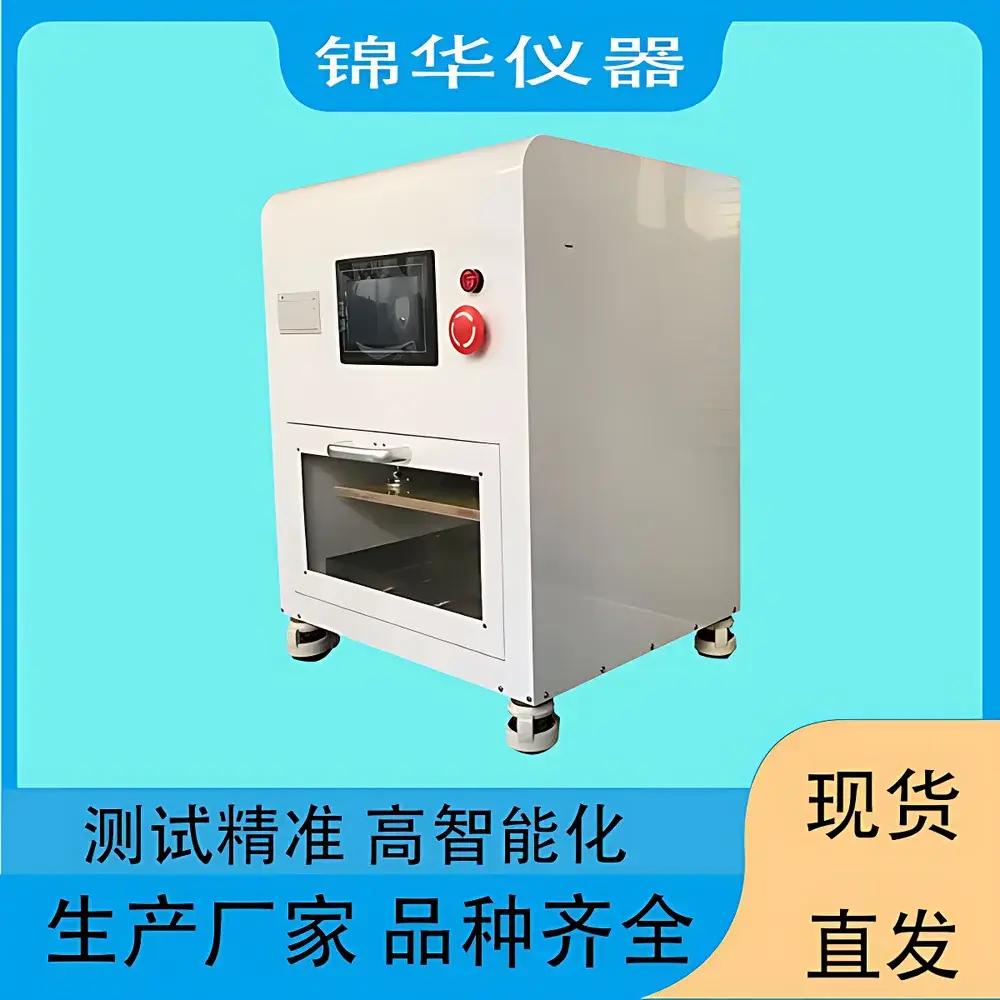
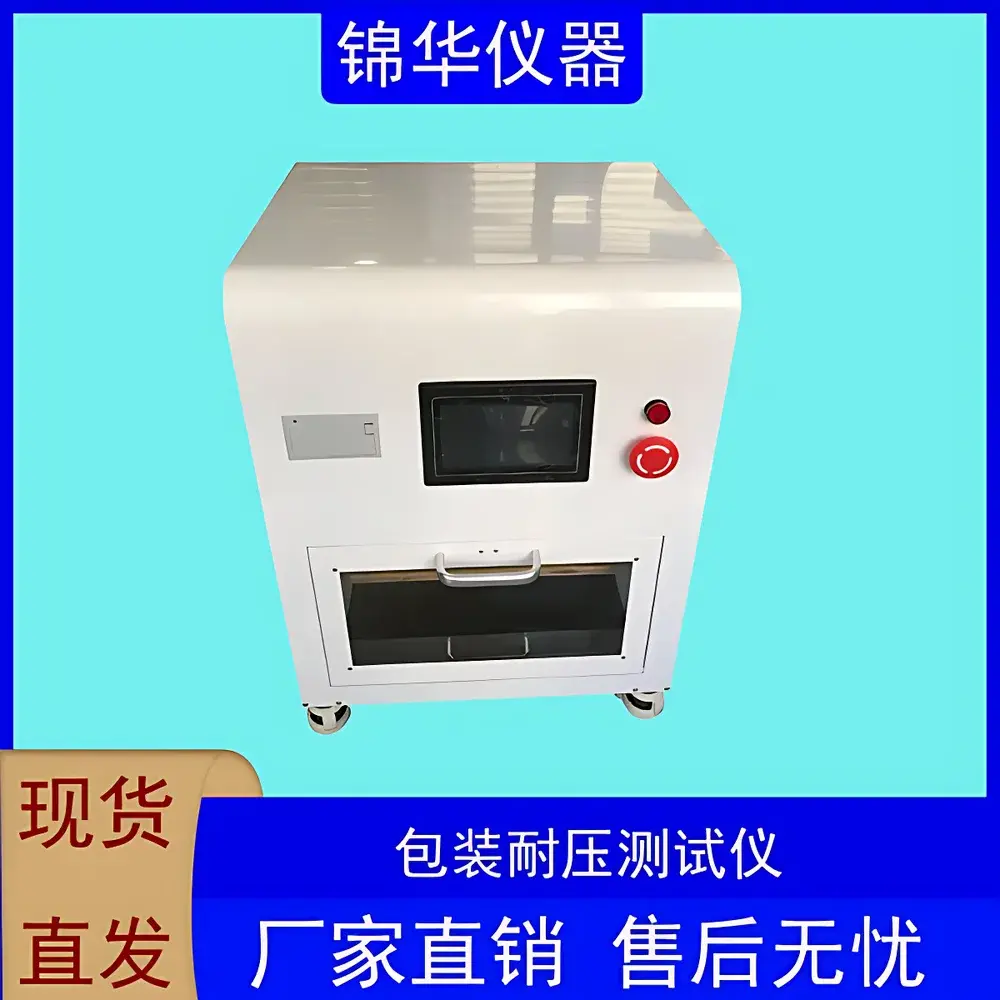
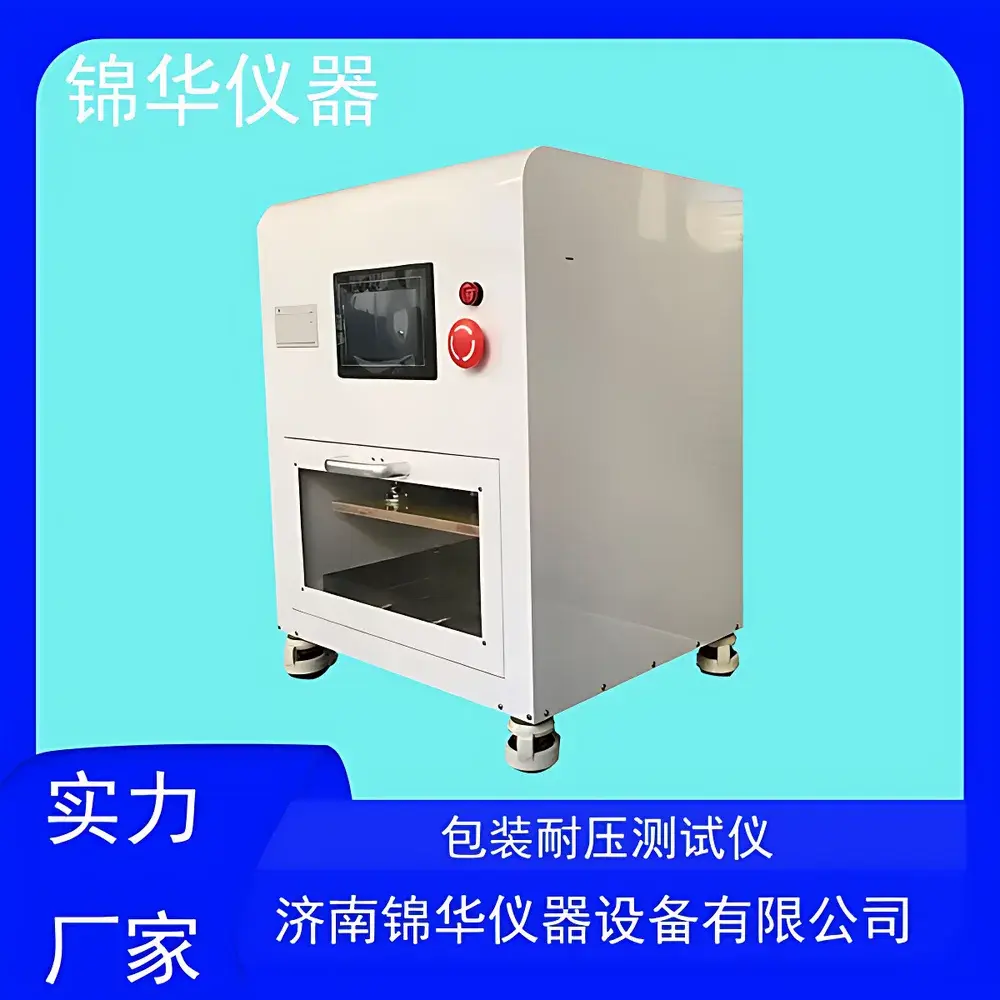
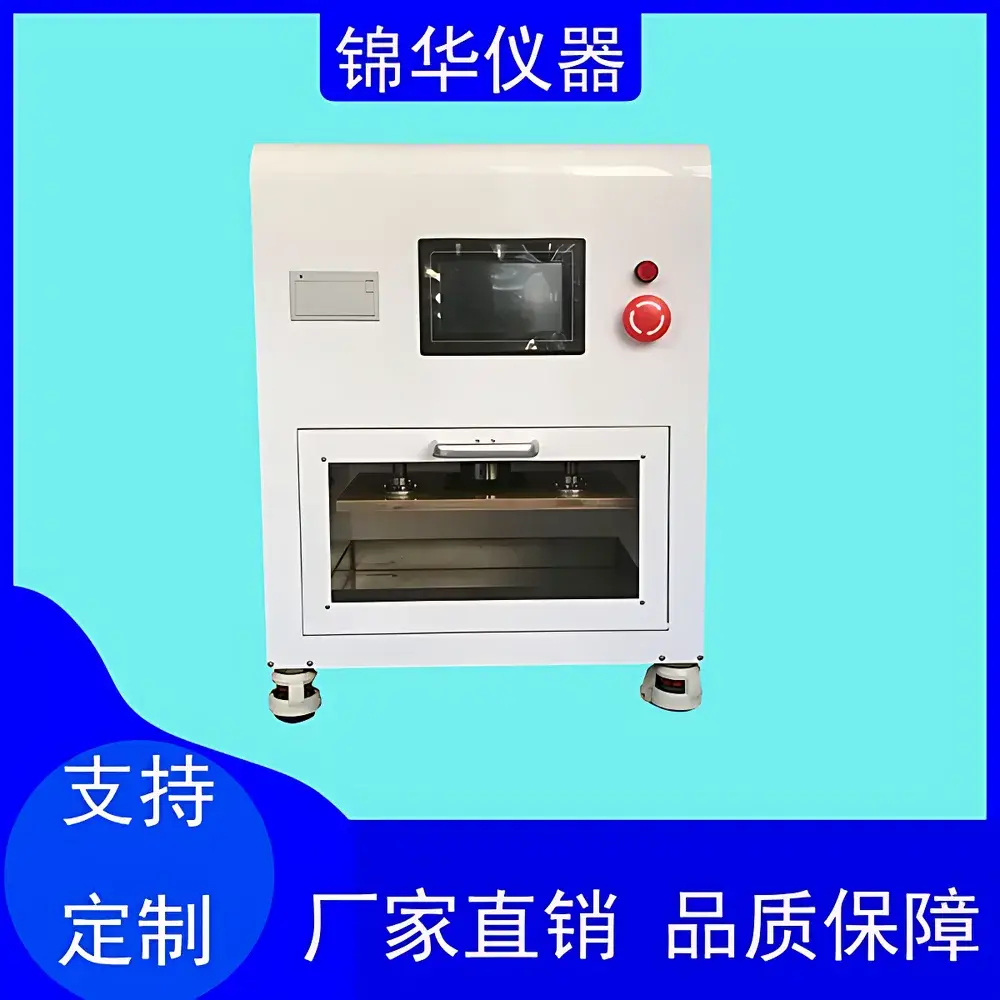
Jinhuatester BNY-01 Packaging Compression Strength Tester
| Brand | Jinhuatester |
|---|---|
| Origin | Shandong, China |
| Manufacturer Type | Direct Manufacturer |
| Country of Origin | China |
| Model | BNY-01 |
| Measurement Range | 3000 N (customizable) |
| Resolution | 0.1 N |
| Specimen Dimensions | 420 mm × 320 mm (customizable) |
| Specimen Height Capacity | 10–200 mm (customizable) |
| Overall Dimensions | 550 × 490 × 800 mm (L×W×H) |
| Weight | 36 kg |
| Operating Environment | 23 ± 2 °C, RH ≤ 80 % (non-condensing) |
| Power Supply | 220 V, 50 Hz |
| Compliance | GB/T 16491, GB 4857.16, ASTM D642, ASTM D4169, TAPPI T804, ISO 2872, ISO 12048, JIS Z0212, GB/T 10004 |
Overview
The Jinhuatester BNY-01 Packaging Compression Strength Tester is an electromechanical compression testing system engineered for quantitative evaluation of the internal pressure resistance and structural integrity of flexible and semi-rigid packaging materials under controlled axial load. It operates on the principle of uniaxial compressive force application between two parallel platens — one stationary and one motor-driven — with real-time acquisition of load vs. displacement data via a high-stability load cell (rated at 3000 N standard, optionally scalable). The instrument supports both static hold (pressure retention) and dynamic burst testing protocols, enabling pass/fail determination based on defined failure criteria: rupture, leakage, or permanent deformation exceeding specified thresholds. Designed specifically for regulatory-aligned quality control in packaging R&D and production environments, the BNY-01 delivers repeatable, traceable mechanical performance data essential for validating package design robustness against distribution stresses, shelf-life challenges, and sterilization-related pressure differentials.
Key Features
- Dual-mode testing capability: programmable pressure-hold duration (up to 9999 seconds) and automatic burst detection with peak-load capture
- High-resolution load measurement: 0.1 N resolution across the full 3000 N range, calibrated per ISO/IEC 17025 traceable procedures
- Integrated safety architecture: hardware-based overtravel limit switches, electronic overload cutoff, automatic platen return upon test completion, and power-loss memory retention
- Intuitive human-machine interface: 7-inch capacitive touchscreen with graphical real-time curve display (load vs. time and load vs. displacement)
- Modular specimen handling: adjustable platen spacing (10–200 mm vertical clearance) and customizable fixture geometry accommodating up to 420 × 320 mm planar specimens
- Onboard statistical analysis: automatic calculation of mean, standard deviation, CV%, min/max values across batched tests
- Embedded thermal printer: direct hardcopy output of test ID, parameters, curves, pass/fail status, and timestamped results
Sample Compatibility & Compliance
The BNY-01 is validated for use with a broad spectrum of medical and food-grade flexible packaging formats, including nitrogen-flushed pouches, aseptic liquid dairy bags, retort-stable sauce sachets, IV solution bags, polyethylene infusion bottles, and blood collection bags. Its mechanical configuration meets dimensional and force-response requirements stipulated in key international packaging standards: ASTM D642 (compressive resistance of shipping containers), ASTM D4169 (distribution cycle simulation), ISO 2872 (packaging — compression testing of rigid and semi-rigid containers), ISO 12048 (plastic film and sheeting — tensile properties), GB/T 16491 (universal testing machines — general requirements), GB 4857.16 (packaging — compression tests), TAPPI T804 (burst strength of paper and paperboard), JIS Z0212 (compression strength of corrugated fiberboard boxes), and GB/T 10004 (plastic composite films for packaging). Instrument calibration and operation support GLP/GMP documentation workflows, including user access control, audit trail generation, and electronic signature readiness per FDA 21 CFR Part 11 guidelines.
Software & Data Management
The embedded firmware enables standalone operation without external PC dependency. All test configurations — target load, hold time, ramp rate, pass criteria, and sample metadata — are stored in non-volatile memory. Test records include raw load-time arrays, annotated curve snapshots, and summary statistics exported via USB to CSV or PDF. Optional PC-based software (sold separately) extends functionality with multi-instrument fleet monitoring, SPC charting (X-bar/R, Cp/Cpk), automated report templating (aligned with ISO/IEC 17025 reporting clauses), and database integration via ODBC. Data encryption, role-based permissions, and version-controlled method libraries ensure compliance with laboratory information management system (LIMS) interoperability standards.
Applications
- Validation of modified atmosphere packaging (MAP) integrity during shelf life under simulated transport vibration and stacking loads
- Comparative assessment of seal strength and material creep behavior in heat-sealed laminates exposed to elevated temperature/humidity
- Performance benchmarking of alternative barrier films (e.g., EVOH, SiOx-coated PET) under sustained internal pressure
- Regulatory submission support for Class II medical device packaging per ISO 11607-1 and AAMI ST77
- Root cause analysis of field failures linked to compression-induced delamination or micro-leakage in pharmaceutical blister cards
- Supplier qualification testing for contract packaging organizations requiring documented mechanical equivalence across material lots
FAQ
What types of packaging materials can be tested on the BNY-01?
The system accommodates flexible pouches, laminated films, thermoformed trays, blow-molded bottles, and medical-grade polymer bags — provided specimen dimensions fall within the configured platen envelope and height limits.
Does the BNY-01 support automated pass/fail judgment according to ISO standards?
Yes. Users define acceptance criteria (e.g., maximum allowable deformation at X kPa, minimum burst pressure threshold), and the system executes binary evaluation per test, logging outcomes with metrological traceability.
Is calibration certification included with purchase?
A factory-issued calibration certificate compliant with ISO/IEC 17025 is supplied; optional third-party accredited calibration services are available upon request.
Can the instrument be integrated into an existing LIMS or MES environment?
Via optional software add-ons supporting HL7, ASTM E1384, and custom API endpoints, enabling bidirectional data exchange and electronic batch record linkage.
What maintenance intervals are recommended for long-term accuracy?
Load cell verification every 6 months, mechanical alignment check annually, and routine cleaning of guide rails and sensor contacts after each 200 test cycles — all documented in the included maintenance logbook.







