
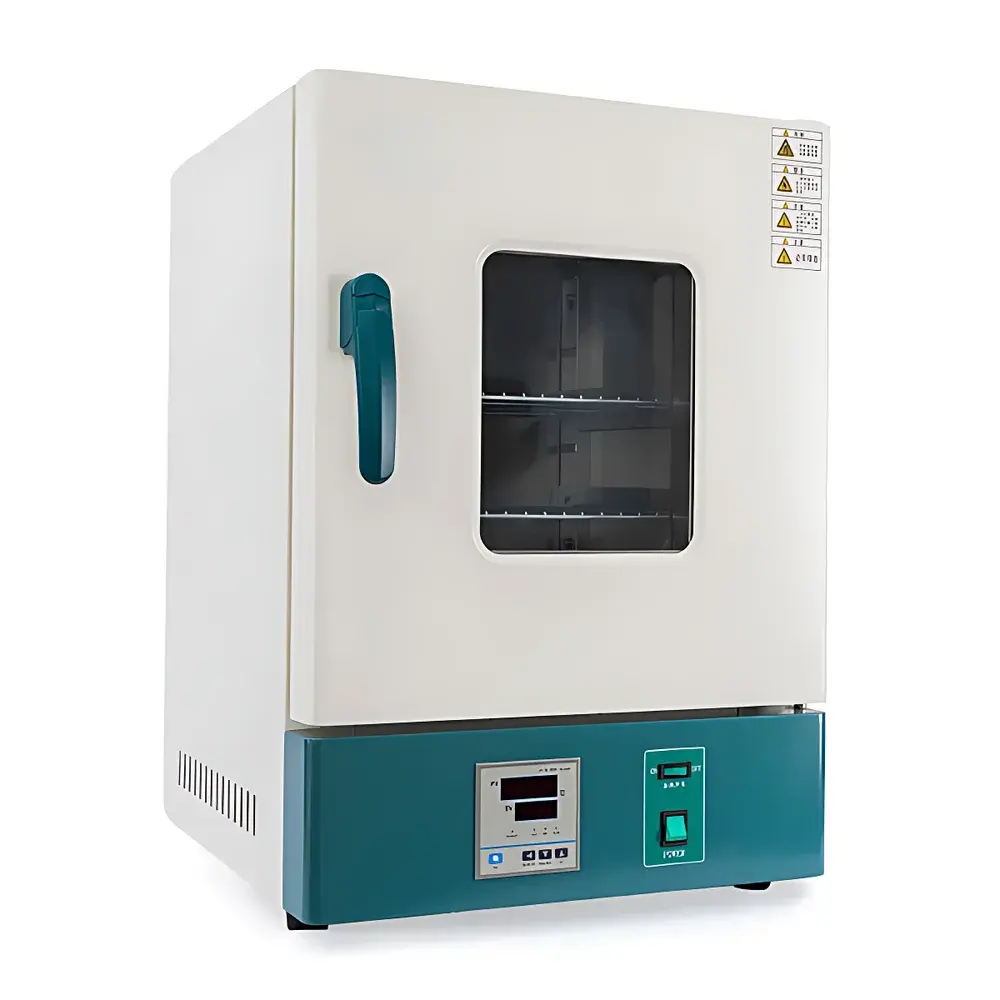
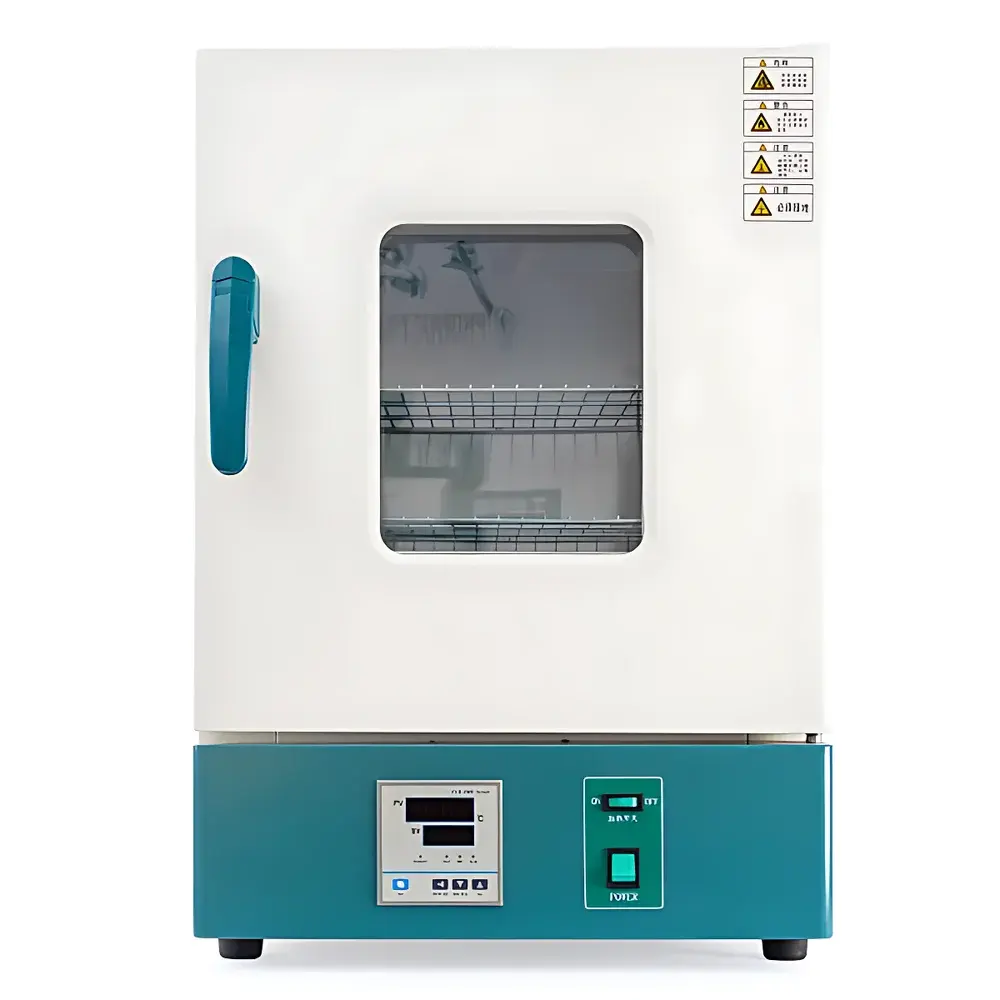
Ju Chuang HN-25BS Temperature-Controlled Incubator
| Brand | Ju Chuang Environmental |
|---|---|
| Origin | Shandong, China |
| Manufacturer Type | Authorized Distributor |
| Product Origin | Domestic (China) |
| Model | HN-25BS |
| Heating Method | Air-Jacketed |
| Temperature Range (with Humidification) | Not Specified |
| Temperature Range (without Humidification) | RT + 5°C to 60°C |
| Temperature Fluctuation | ±0.5°C |
| Temperature Uniformity | ±0.1°C |
| Humidity Range | Not Applicable (Basic Humidification Optional, No Certified Control) |
| Capacity | 25 L |
| External Dimensions | 340 × 364 × 560 mm |
| Inner Chamber Dimensions | 250 × 250 × 250 mm |
| Power Consumption | 0.2 kW |
| Control Resolution | 0.1°C |
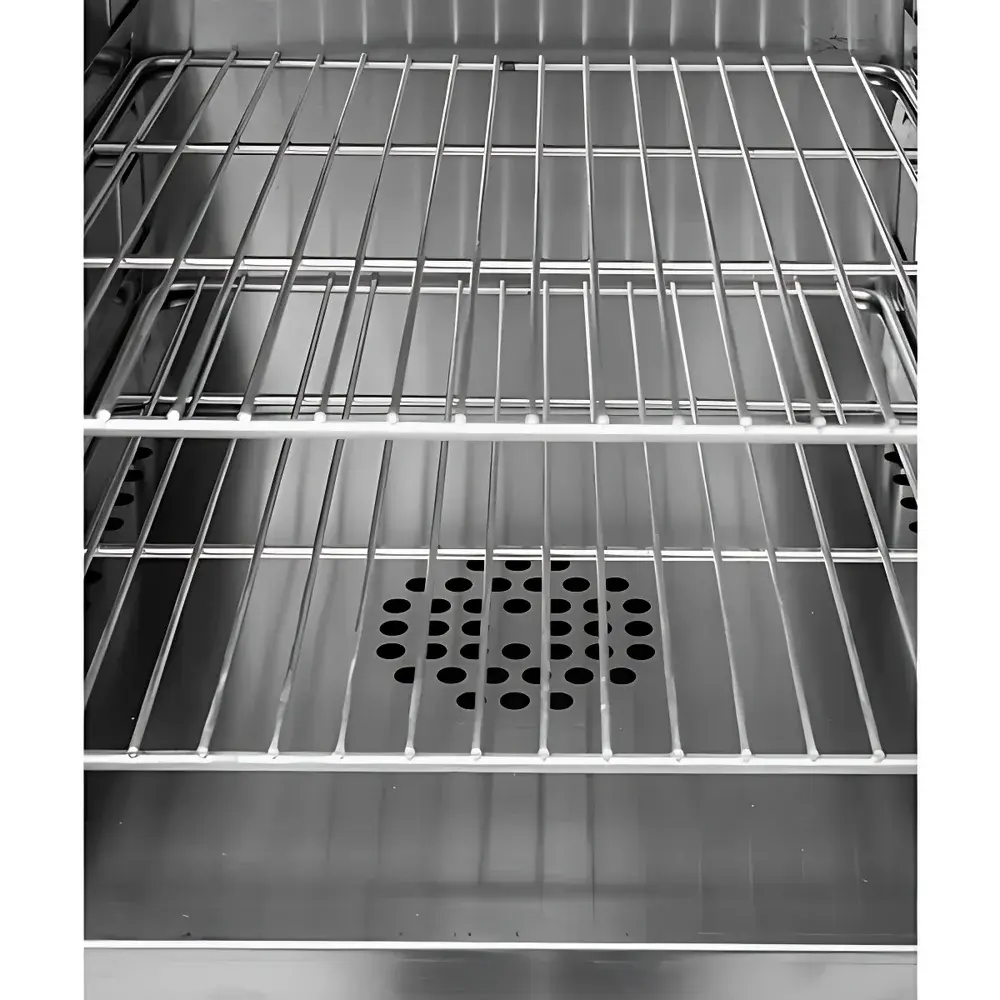
| Chamber Material | Brushed Stainless Steel (BS Series) |
Overview
The Ju Chuang HN-25BS is a compact, air-jacketed temperature-controlled incubator engineered for reliable, stable thermal environments in microbiological, cell culture, and environmental testing applications. Designed for laboratories requiring consistent, low-maintenance incubation conditions—particularly where humidity control is not a primary regulatory requirement—the HN-25BS operates on fundamental thermodynamic principles: heat transfer via convection within an insulated air jacket, precise regulation through a microprocessor-based PID controller, and real-time feedback from high-stability platinum resistance temperature sensors (PT100-class equivalent). Unlike forced-air or water-jacketed systems, its air-jacket architecture ensures rapid temperature recovery after door opening while minimizing energy consumption and condensation risks. The unit is intended for non-GMP research use—including BOD incubation, bacterial colony enumeration, fungal propagation, seed germination studies, and short-term cell maintenance—where ISO 17025-compliant temperature validation is performed externally and traceable calibration records are maintained per laboratory quality procedures.
Key Features
- Brushed stainless steel inner chamber (BS-series designation) — corrosion-resistant, non-porous, and compatible with routine ethanol or diluted sodium hypochlorite decontamination protocols
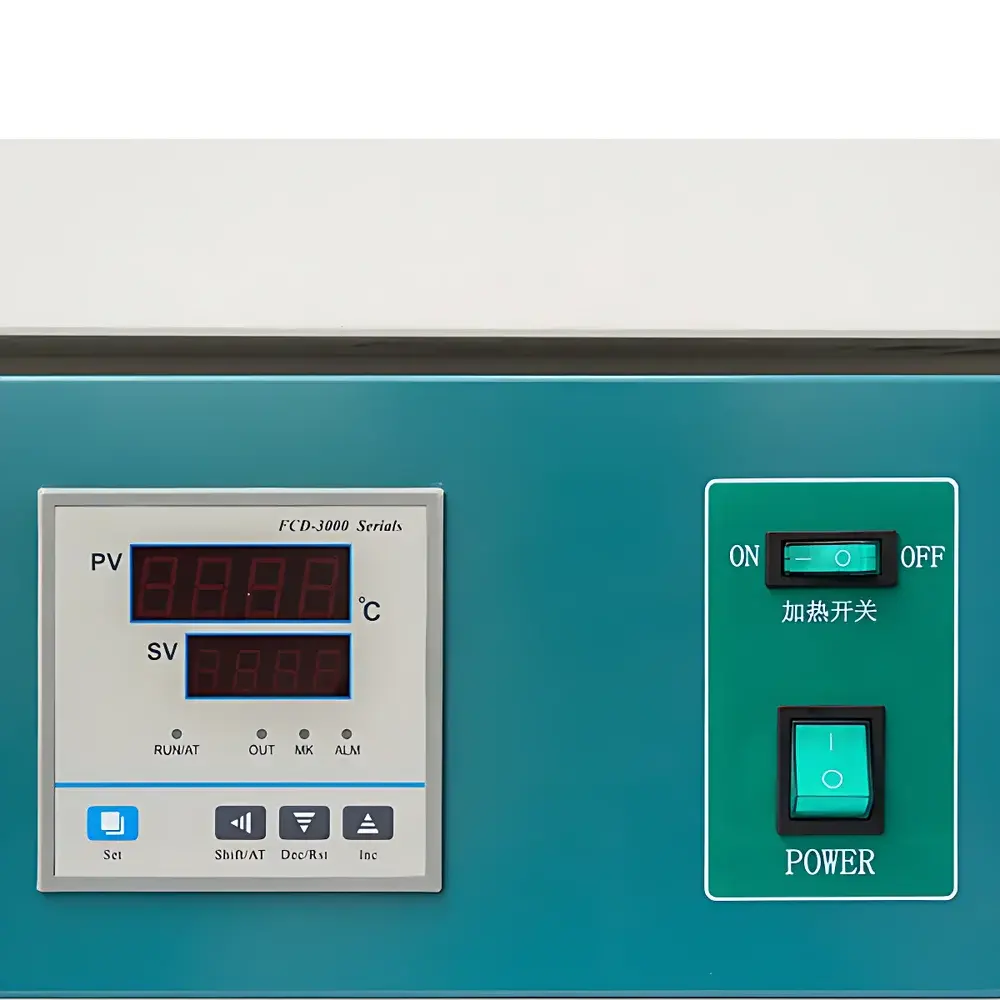
- Microprocessor-based digital temperature controller with 0.1°C resolution and ±0.5°C accuracy across the full operating range (RT + 5°C to 60°C)
- Air-jacket heating system providing uniform thermal distribution (±0.1°C chamber uniformity) and minimized thermal gradients between shelf levels
- Front-mounted rectangular observation window with tempered glass — enables non-invasive visual monitoring without compromising chamber integrity
- Ergonomic spring-assisted door mechanism with magnetic gasket seal — ensures rapid resealing and sustained thermal stability during frequent access
- Compact footprint (340 × 364 × 560 mm external) optimized for benchtop deployment in space-constrained biosafety cabinets or shared lab environments
- Low-power operation (0.2 kW rated input) suitable for continuous 24/7 operation in academic and QC laboratories with stable utility supply
Sample Compatibility & Compliance
The HN-25BS accommodates standard microbiological vessels including Petri dishes (up to 100 mm diameter), test tubes (16 × 150 mm), multi-well plates (6–96-well), and small flasks (≤250 mL). Its stainless steel chamber supports autoclave-compatible accessories and withstands repeated exposure to common disinfectants. While the unit does not provide active, closed-loop humidity control—and therefore lacks certification to ISO 14644 (cleanroom), ASTM E154 (humidity-controlled incubation), or USP (microbial growth support)—it remains suitable for applications where ambient lab humidity suffices or where supplemental humidification (e.g., open water pans) is employed under documented SOPs. For GLP or ISO/IEC 17025 workflows, users must perform periodic temperature mapping (per ISO/IEC 17025 Clause 6.4.8) and maintain calibration logs traceable to national standards.
Software & Data Management
The HN-25BS operates via a standalone front-panel interface with no embedded data logging, network connectivity, or PC interface. All operational parameters—including setpoint, real-time chamber temperature, and elapsed run time—are displayed on a dual-digit LED screen. For compliance-driven environments, external validation is required: integration with third-party temperature data loggers (e.g., Omega OM-EL-USB, Testo 177-T4) is supported via standard 4–20 mA or thermistor output adapters (sold separately). Audit trails, electronic signatures, and 21 CFR Part 11 compliance are not natively supported; such requirements necessitate supplementary validation documentation and procedural controls aligned with laboratory quality management systems (QMS).
Applications
- Biochemical Oxygen Demand (BOD5) incubation per APHA Standard Methods 5210B and ISO 5815-1
- Coliform and E. coli enumeration using membrane filtration or MPN methods (ISO 9308-1, EPA 1603)
- Fungal culture maintenance (Aspergillus, Penicillium) and spore germination assays
- Plant tissue culture pre-incubation and callus induction at sub-ambient or moderate temperatures
- Environmental sample stabilization prior to microbial analysis (e.g., wastewater, soil eluates)
- Teaching laboratory use for undergraduate microbiology and biotechnology courses
FAQ
Does the HN-25BS support programmable ramp-soak temperature profiles?
No. It features a fixed setpoint controller only; multi-stage thermal programming is not available.
Is humidity control integrated and validated?
No. Humidity is not actively regulated or measured. Optional passive humidification (e.g., water reservoirs) may be used but introduces variability and requires user-defined SOPs.
Can this incubator be used for mammalian cell culture?
It is not recommended for CO2-dependent or humidity-sensitive adherent cultures. Use is limited to robust microbial strains and short-term suspension cultures under controlled ambient RH.
What calibration standards apply to the temperature sensor?
The unit ships with factory calibration against NIST-traceable references. Users must perform periodic verification using calibrated reference thermometers per ISO/IEC 17025 Section 6.4.
Is the stainless steel chamber electropolished or passivated?
The brushed finish meets general laboratory corrosion resistance requirements but does not include electropolishing or nitric acid passivation per ASTM A967.




