
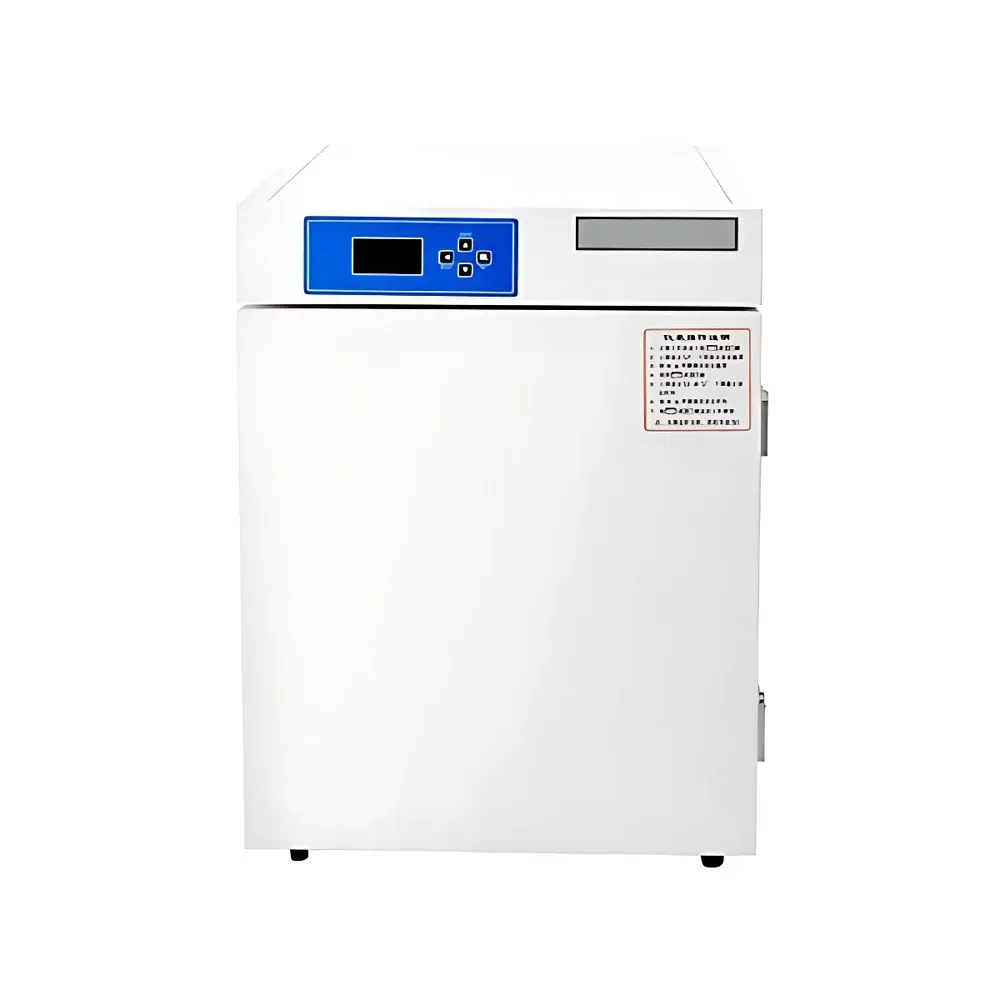
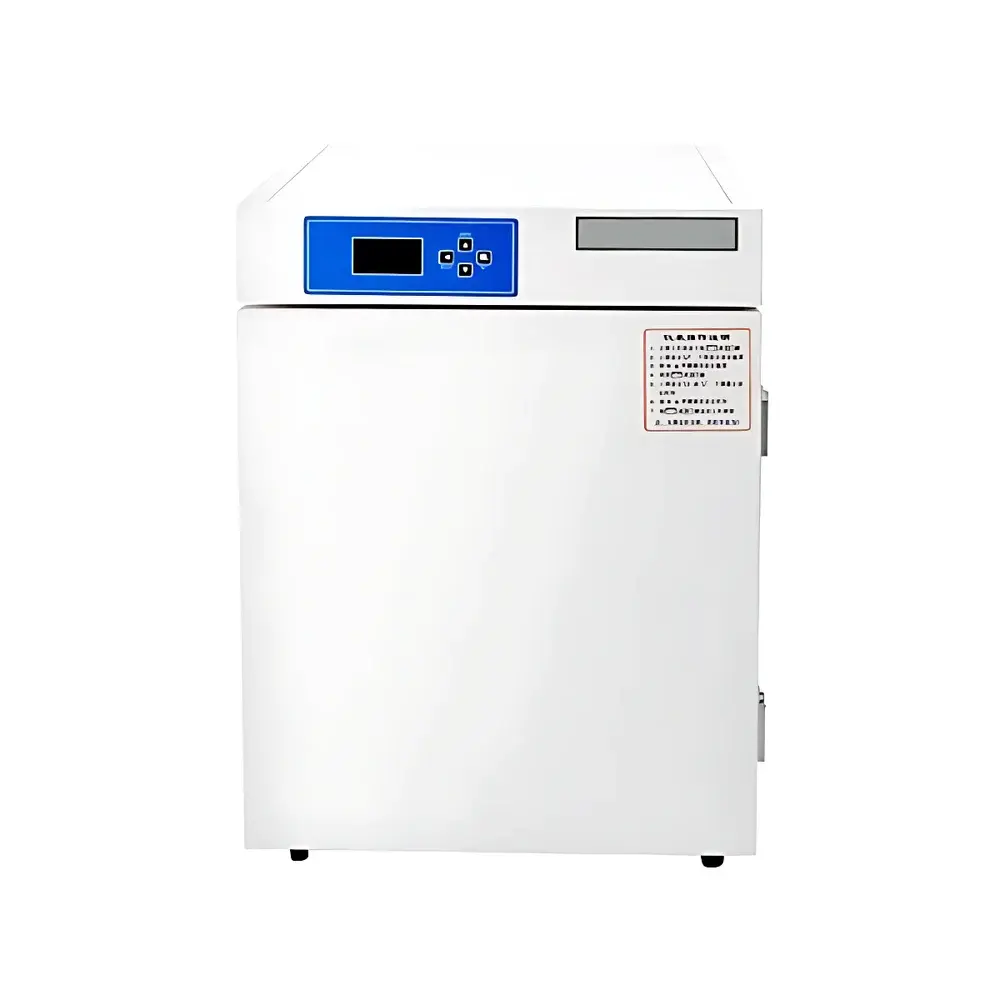
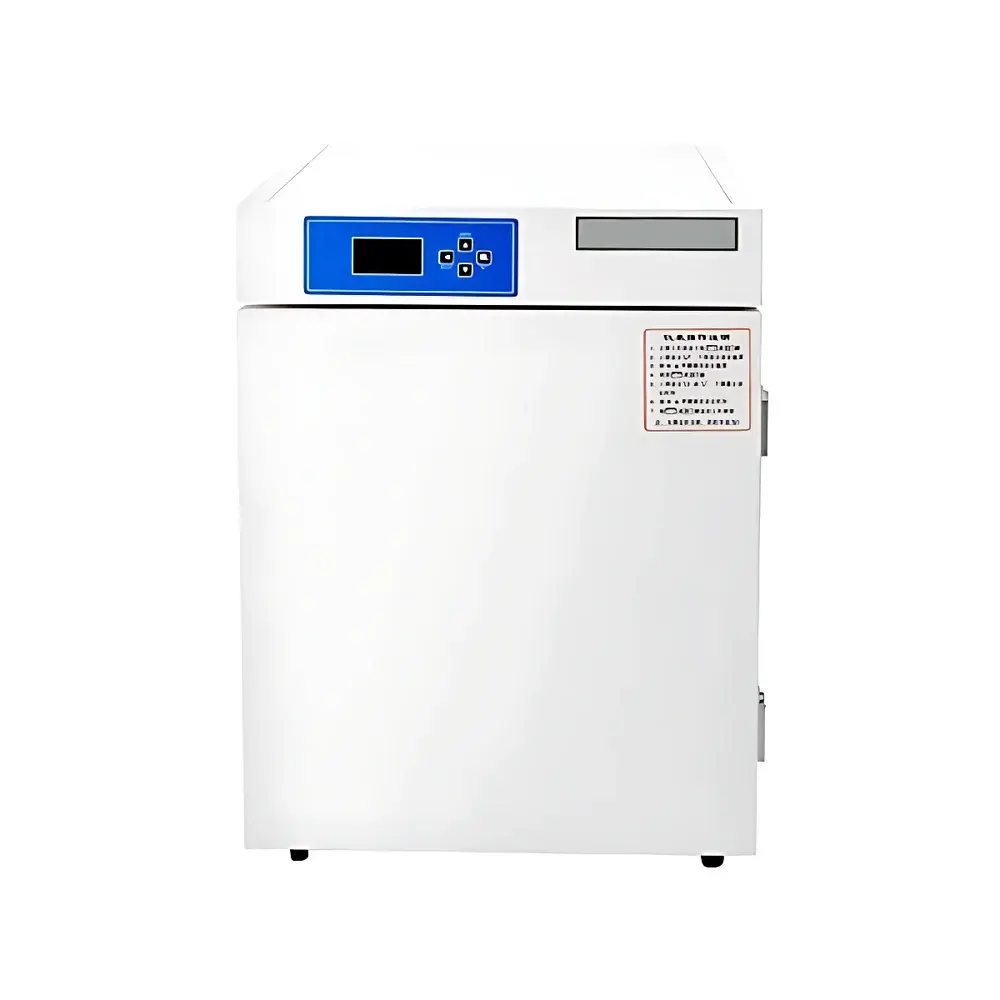
Ju Chuang JC-SHP-30 Water-Jacketed Constant Temperature Incubator
| Brand | Ju Chuang Environmental |
|---|---|
| Origin | Shandong, China |
| Manufacturer Type | Authorized Distributor |
| Product Category | Domestic |
| Model | JC-SHP-30 |
| Pricing | Available Upon Request |
| Air Circulation | Forced Convection |
| Control Method | Digital PID Temperature Control |
| Temperature Range | Ambient + 5°C to 65°C |
| Temperature Control Accuracy | ±0.1°C |
| Temperature Uniformity | ≤ ±0.3°C (at 37°C) |
| Temperature Fluctuation | ≤ ±0.3°C |
| Chamber Capacity | 30 L |
| External Dimensions | 300 × 300 × 350 mm |
| Internal Chamber Dimensions | 300 × 300 × 350 mm |
| Heating Method | Water-Jacketed |
| Power Input | 650 W |
| Interior Material | Stainless Steel (AISI 304) |
| Insulation | Polyurethane Foam (≥50 mm thickness) |
| Viewing Window | Double-Layer Tempered Glass |
| Lighting | LED Illumination with Switchable Control |
| Safety Features | Over-Temperature Protection, Auto-Cut-Off Circuit |
Overview
The Ju Chuang JC-SHP-30 Water-Jacketed Constant Temperature Incubator is a precision-engineered environmental chamber designed for stable, long-term thermal control in life science laboratories. Unlike forced-air incubators, this model employs a water-jacketed heating architecture—where a sealed outer jacket circulates heated water around the inner chamber—to deliver exceptional thermal inertia and minimal temperature perturbation during door openings or ambient fluctuations. This principle ensures high reproducibility in sensitive biological applications such as mammalian cell culture, microbial growth kinetics, seed germination assays, BOD5 testing per ASTM D5210, and insect rearing protocols requiring sustained thermal stability over extended durations (24–168 h). The unit operates within a validated range of ambient +5°C to 65°C, with digital PID regulation enabling dynamic response to load changes while maintaining ≤±0.3°C uniformity across the full 30 L working volume.
Key Features
- Water-jacketed thermal design with ≥50 mm polyurethane insulation and double-layer tempered glass viewing window for visual monitoring without compromising thermal integrity
- Digital PID temperature controller with 0.1°C resolution, real-time deviation compensation, and programmable ramp-hold profiles (via optional firmware upgrade)
- AISI 304 stainless steel interior chamber—electropolished and seamless-welded—to resist corrosion from humidity, condensate, and routine disinfectants (e.g., 70% ethanol, 1% sodium hypochlorite)
- Forced convection airflow system with rear-mounted centrifugal blower and optimized duct geometry to achieve ≤0.3°C spatial uniformity (measured at nine points per IEC 61000-4-2 validation protocol)
- Integrated LED illumination with independent on/off switch, providing non-thermal visible light for sample observation without radiative heating interference
- Comprehensive safety architecture including dual independent over-temperature cut-off circuits (mechanical bimetal + electronic thermistor), ground-fault protection, and automatic power shutdown upon door-open duration >60 s
Sample Compatibility & Compliance
The JC-SHP-30 supports standard laboratory consumables including Petri dishes (up to 150 mm), multiwell plates (6–96-well), tissue culture flasks (T25–T175), and glass serum bottles. Its stainless steel chamber accommodates repeated sterilization cycles via vapor-phase hydrogen peroxide (VHP) or dry-heat protocols (up to 120°C for 2 h). From a regulatory standpoint, the incubator’s temperature stability profile meets the requirements for GLP-compliant environmental simulation (OECD 111, ISO 14644-3), USP for microbial growth support systems, and FDA 21 CFR Part 11–ready data logging when paired with Ju Chuang’s optional RS485/Modbus-enabled data acquisition module. Calibration traceability follows ISO/IEC 17025 guidelines using NIST-traceable reference thermistors.
Software & Data Management
While the base unit features a standalone front-panel interface, optional connectivity enables integration into centralized lab infrastructure. Via RS485 serial interface (Modbus RTU protocol), the JC-SHP-30 can stream real-time temperature values, alarm status, and setpoint history to LIMS or SCADA platforms. The optional Ju Chuang DataLogger Pro software provides time-stamped CSV export, configurable alarm thresholds (email/SMS alerts via SMTP gateway), and audit-trail generation compliant with 21 CFR Part 11 Annex 11 requirements—including electronic signatures, user role-based access control, and immutable log archiving. All firmware updates are delivered via signed .bin files with SHA-256 checksum verification.
Applications
- Mammalian and insect cell line maintenance (e.g., HEK293, Sf9) under CO₂-free conditions where pH stability is managed externally
- BOD₅ determination per Standard Methods 5210B and EPA Method 405.1, leveraging low-drift temperature control critical for 5-day biochemical oxygen demand assays
- Plant tissue culture and seed germination studies requiring precise diurnal temperature cycling (with external timer integration)
- Environmental microbiology—coliform enumeration (ISO 9308-1), yeast/mold propagation (ISO 21527-1), and antibiotic susceptibility testing incubation
- Educational use in university teaching labs for microbiology, genetics, and environmental science curricula requiring robust, serviceable instrumentation
FAQ
What is the difference between water-jacketed and air-jacketed incubators?
Water-jacketed models provide superior thermal stability and recovery time due to the high specific heat capacity of water; they are preferred for uninterrupted long-term experiments where ambient temperature fluctuations may occur.
Is the JC-SHP-30 suitable for CO₂-controlled applications?
No—this is a standalone temperature-only incubator. For CO₂-dependent cultures, consider Ju Chuang’s JC-CO₂ series with integrated IR-based gas sensing and humidification.
Can the unit be calibrated internally?
Yes—the built-in calibration mode allows offset adjustment of the primary PT100 sensor against a certified reference probe, with calibration logs stored in non-volatile memory.
What maintenance is required for the water jacket?
Deionized water must be refilled every 6 months; biocide additive (e.g., Propylene Glycol 10%) is recommended to inhibit biofilm formation in the jacket loop.
Does the incubator meet IP rating standards for dust/moisture ingress?
It carries an IP20 classification (IEC 60529), suitable for indoor laboratory environments only—not for wet or high-humidity operational zones.
Related Products




