
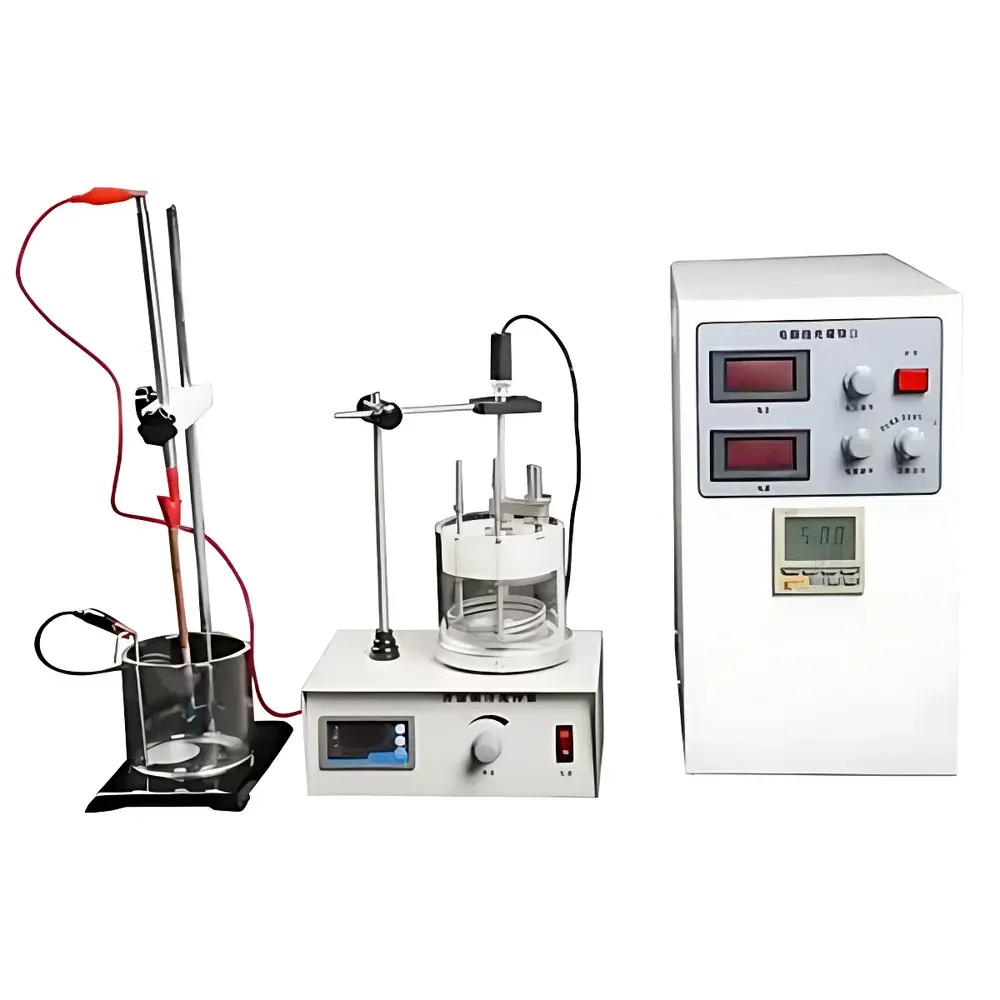
KB EP-06 Electrolytic Polishing and Etching System
| Brand | KB |
|---|---|
| Origin | Zhejiang, China |
| Manufacturer Type | Direct Manufacturer |
| Model | EP-06 |
| Output Voltage Range | 0–100 V (digital display, presettable) |
| Output Current Range | 0–6 A (digital display, presettable, with overload protection) |
| Timing Control | 1 s – 99 min 59 s (digital, audible alert at end) |
| Standard Electrolyte Compatibility | Oxalic acid, nitric acid–water mixtures, fluoroboric acid |
Overview
The KB EP-06 Electrolytic Polishing and Etching System is a precision-engineered benchtop instrument designed for controlled electrochemical surface modification of metallic specimens in metallurgical and materials science laboratories. Operating on the principles of anodic dissolution under regulated galvanostatic or potentiostatic conditions, the EP-06 enables reproducible electropolishing and selective electrochemical etching without introducing mechanical deformation, smearing, or subsurface damage—critical advantages over mechanical grinding and polishing methods. Its dual-mode operation supports both high-resolution specimen preparation for optical and electron microscopy (e.g., SEM/EBSD) and controlled microstructural revelation in stainless steels, aluminum alloys, titanium, copper, and other non-ferrous metals. The system’s architecture integrates power regulation, thermal management, fluid dynamics control, and geometric masking to ensure consistent current density distribution across the active sample surface—a fundamental requirement for ASTM E407, ISO 16700, and GB/T 13298-compliant metallographic preparation.
Key Features
- Precise dual-mode power control: Selectable constant-voltage (0–100 V, ±0.2% full scale) or constant-current (0–6 A, ±0.3% full scale) operation with digital presetting and real-time monitoring.
- Geometrically defined electrolytic area: Interchangeable sample masks (10 mm, 20 mm, and 30 mm diameter) enable standardized current density calculation and eliminate edge effects during polishing or etching.
- Thermostatically regulated electrolyte environment: Integrated heating coil and cooling coil (compatible with external chiller loops) maintain bath temperature within ±1 °C over extended runs—essential for process repeatability in nitric-acid-based or fluoroboric-acid electrolytes.
- Programmable timing with acoustic feedback: Digital timer spans 1 second to 99 minutes 59 seconds; automatic shutdown and audible alert ensure precise endpoint control, minimizing over-etching or excessive material removal.
- Uniform mass transport via magnetic stirring: Built-in stirrer ensures homogeneous electrolyte concentration and temperature distribution, preventing localized depletion or gas bubble accumulation at the anode interface.
- Robust safety architecture: Electronic current limiting, thermal cutoff, and short-circuit protection conform to IEC 61010-1 requirements for laboratory electrical equipment.
Sample Compatibility & Compliance
The EP-06 is validated for use with a broad spectrum of conductive metallic samples, including austenitic stainless steels (e.g., 304, 316), aluminum alloys (e.g., 6061, 7075), titanium grades (Gr. 2, Gr. 5), copper, nickel-based superalloys, and sintered metal powders. It supports common electrolytes such as aqueous oxalic acid (for rapid stainless steel polishing), nitric–water mixtures (for grain boundary delineation), and fluoroboric acid (for anodic oxide film formation on Al). All operational parameters—including voltage, current, time, and temperature—are fully documentable and traceable, supporting GLP-compliant workflows and internal audit readiness per ISO/IEC 17025. While not FDA 21 CFR Part 11-certified out-of-the-box, the system’s deterministic behavior and parameter logging capability facilitate integration into validated QC environments when paired with compliant LIMS or electronic lab notebook systems.
Software & Data Management
The EP-06 operates as a stand-alone analog-digital hybrid instrument with no embedded firmware or proprietary software. All critical parameters—voltage setpoint, current limit, elapsed time, and thermal setpoint—are manually configured via front-panel rotary encoders and displayed on dual 4-digit LED modules. This design prioritizes operational transparency, long-term serviceability, and immunity to software obsolescence. Users retain full control over method development and documentation: parameter settings, exposure duration, electrolyte composition, and ambient lab conditions are recorded manually or exported via external data loggers connected to analog output ports (0–5 V proportional to voltage/current). For laboratories requiring automated reporting, the EP-06 is compatible with third-party SCADA or LabVIEW interfaces using standard 0–10 V analog I/O and TTL-level trigger signals.
Applications
- Routine electropolishing of stainless steel and Ni-based alloys prior to SEM imaging or EBSD analysis.
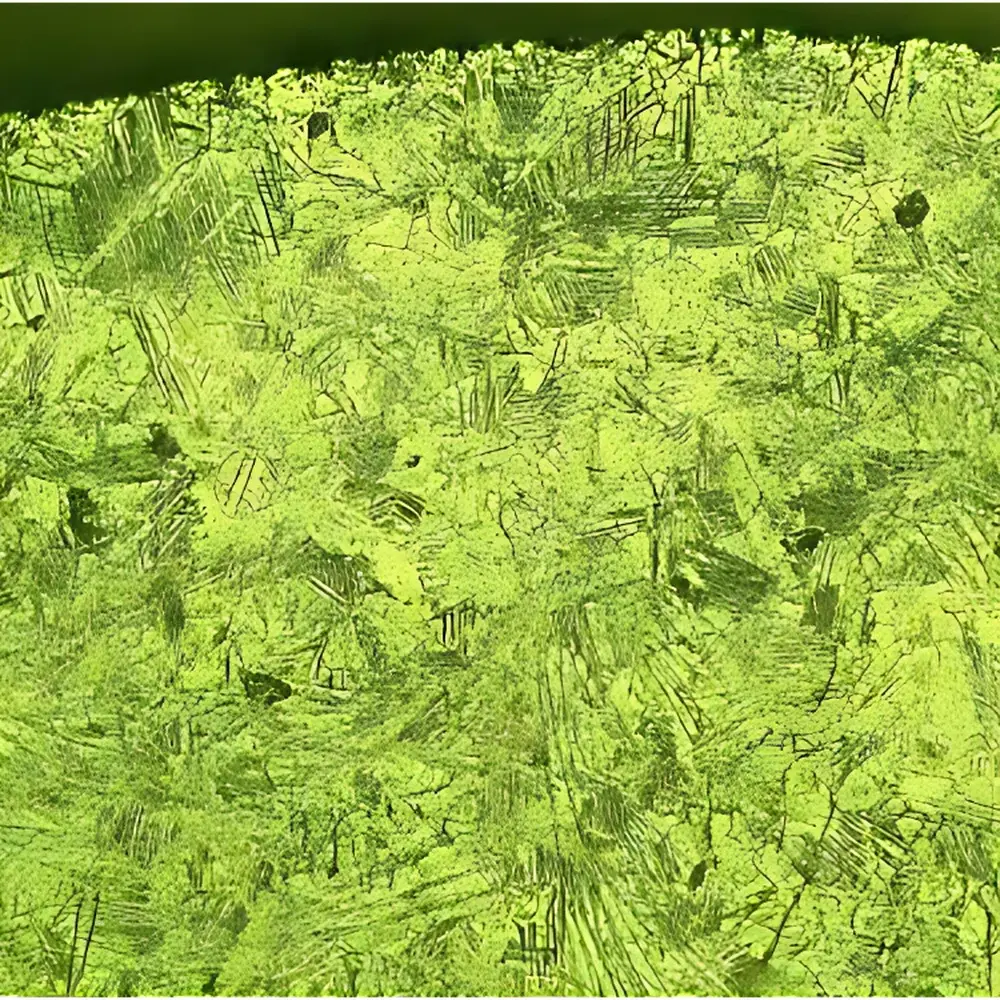
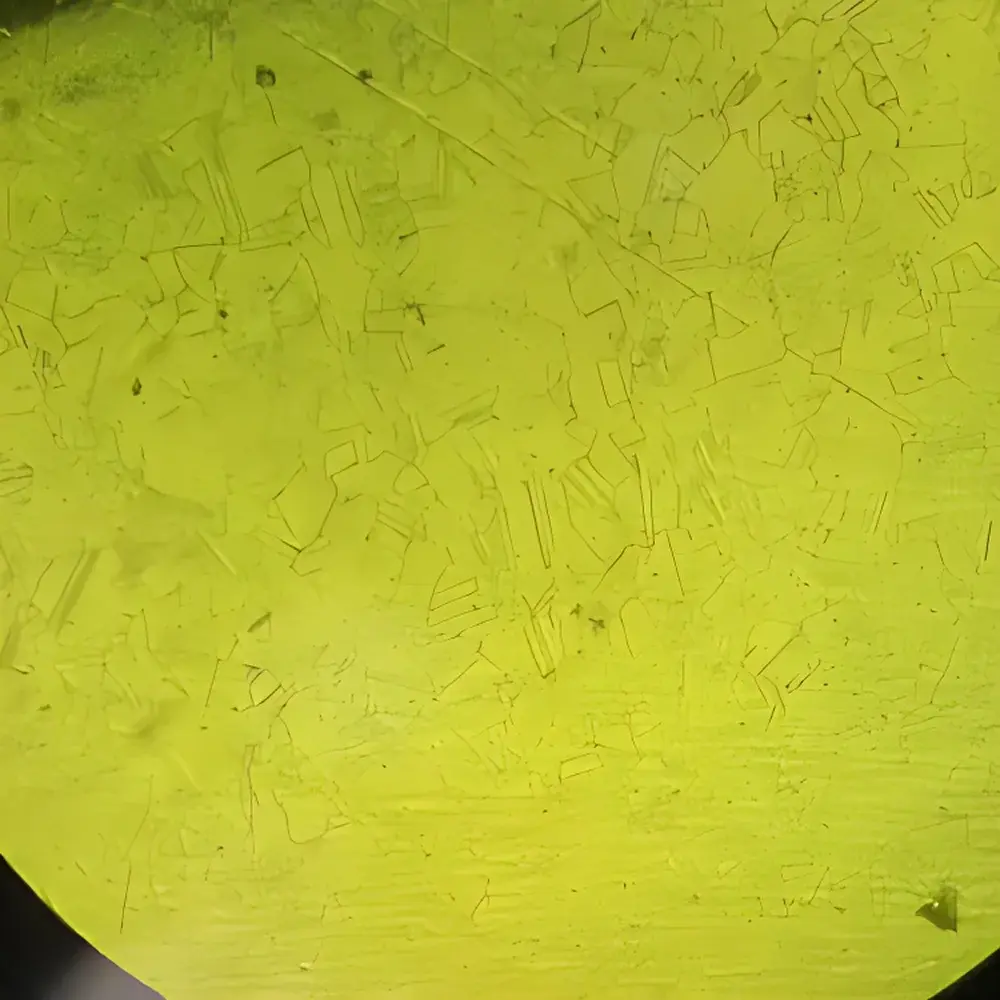
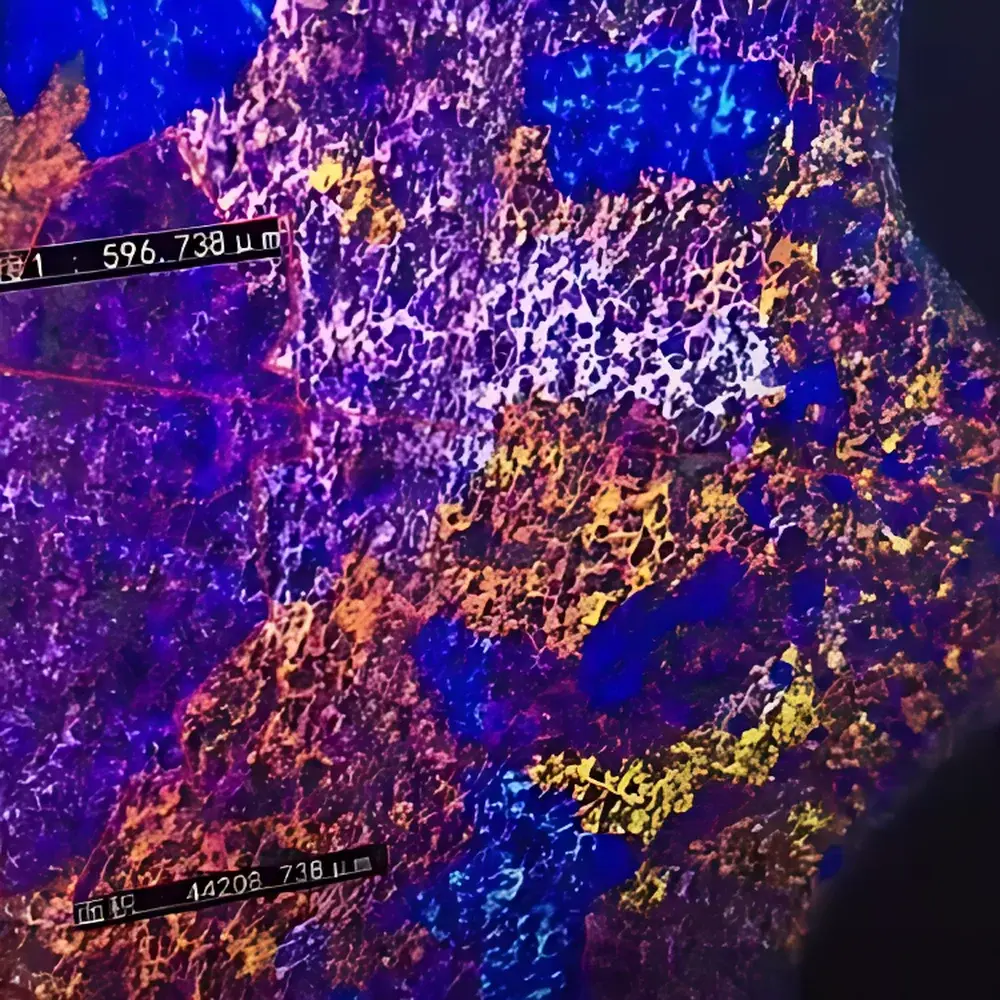
- Controlled electrochemical etching to reveal twin boundaries, phase distributions, and precipitate morphology in heat-treated aluminum and titanium alloys.
- Anodic oxidation studies for functional coating development on aluminum substrates.
- Preparation of artifact-free cross-sections for failure analysis of welded joints and additive-manufactured components.
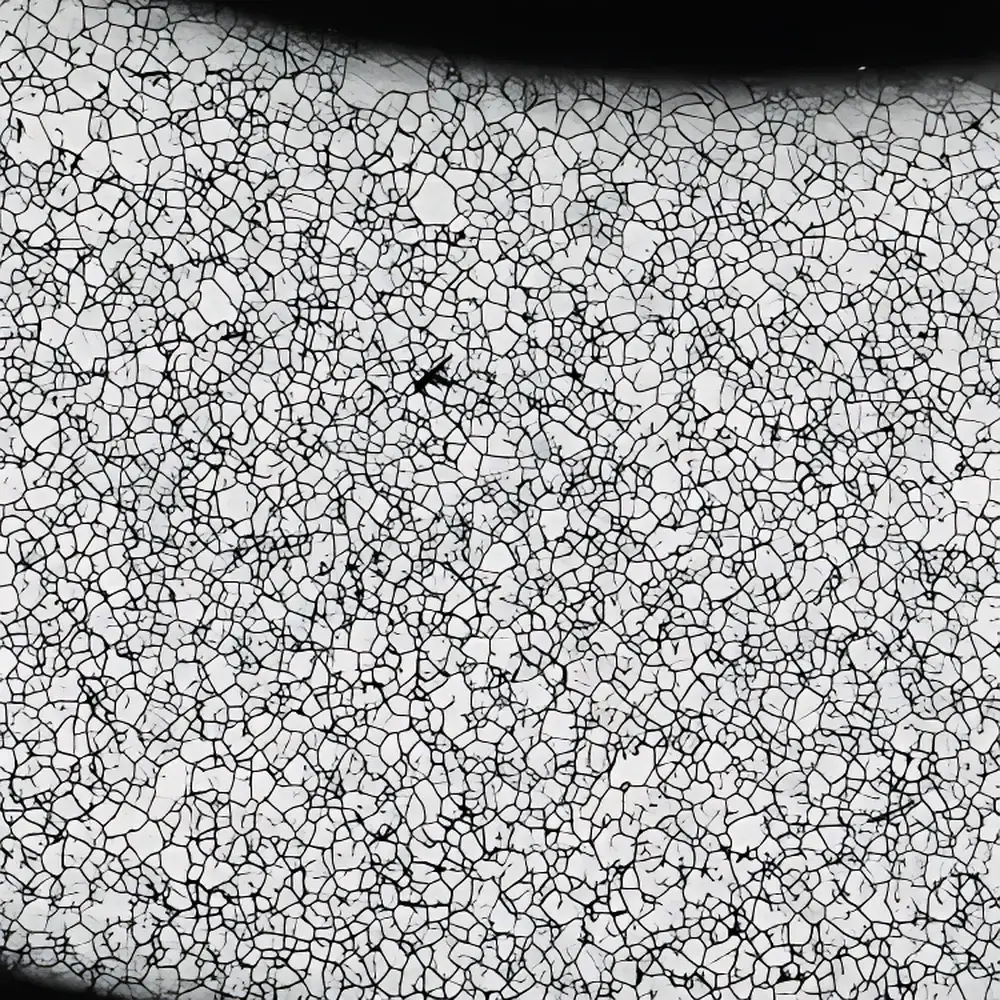
- Method development and validation for ASTM E112 grain size determination and ISO 643 ferrite content assessment.
- Teaching laboratories: Demonstrating Faraday’s laws, polarization curves, and passivation behavior in undergraduate metallurgy courses.
FAQ
What electrolytes are recommended for stainless steel electropolishing?
Aqueous solutions of 10 wt% oxalic acid at 20–30 °C and 15–25 V DC are widely used for 304/316 stainless steels. Alternatives include phosphoric–sulfuric acid mixtures for higher finish quality.
Can the EP-06 be used for anodizing aluminum?
Yes—fluoroboric acid (HBF₄) or sulfuric acid electrolytes at controlled current densities (1–3 A/dm²) enable uniform barrier-type or porous anodic oxide growth on Al alloys.
Is temperature control mandatory for reproducible results?
For quantitative metallography, yes. Electrolyte temperature directly affects ion mobility, dissolution kinetics, and surface finish; ±1 °C stability is recommended for inter-laboratory comparability.
How is current density calculated when using the sample masks?
Current density (A/cm²) = Measured current (A) ÷ Exposed area (cm²). Masks define circular active areas (e.g., 10 mm mask = 0.785 cm²), enabling direct correlation between instrument readings and ASTM-standardized protocols.
Does the system support remote monitoring or automation?
Not natively—but analog voltage/current outputs and TTL trigger signals allow integration with programmable logic controllers (PLCs), data acquisition systems, or custom Python-based control scripts.
Related Products





