
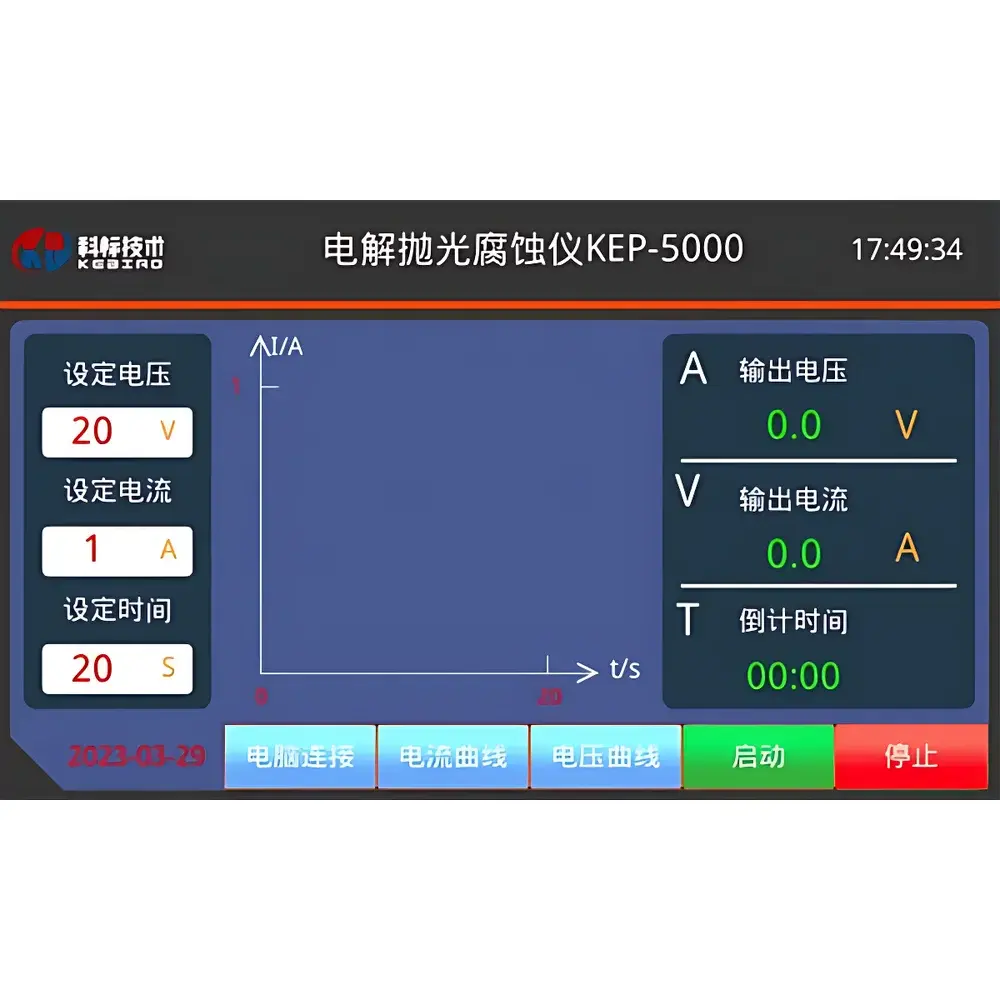
KEP-5000 Electrolytic Polishing and Etching Instrument
| Brand | KB |
|---|---|
| Origin | Zhejiang, China |
| Manufacturer Type | Direct Manufacturer |
| Model | KEP-5000 |
| Output Voltage | 0–100 V DC (adjustable) |
| Output Current | 0–6 A DC (adjustable) |
| Voltage Resolution | 0.01 V |
| Current Resolution | 0.001 A |
| Temperature Control Range | Ambient to 100 °C ±1 °C |
| Stirring | Integrated magnetic stirrer |
| Cooling | External water-cooled coil |
| Sample Area Control | Aperture diameters 15 mm / 20 mm / 30 mm |
| Data Interface | RS485 (optional), USB storage export |
| Power Supply | AC 220 V, 50 Hz |
| Total Power | 900 W |
| Dimensions (Power Unit) | 292 × 380 × 120 mm |
| Dimensions (Stirrer Unit) | 240 × 190 × 130 mm |
| Weight | 15 kg |
Overview
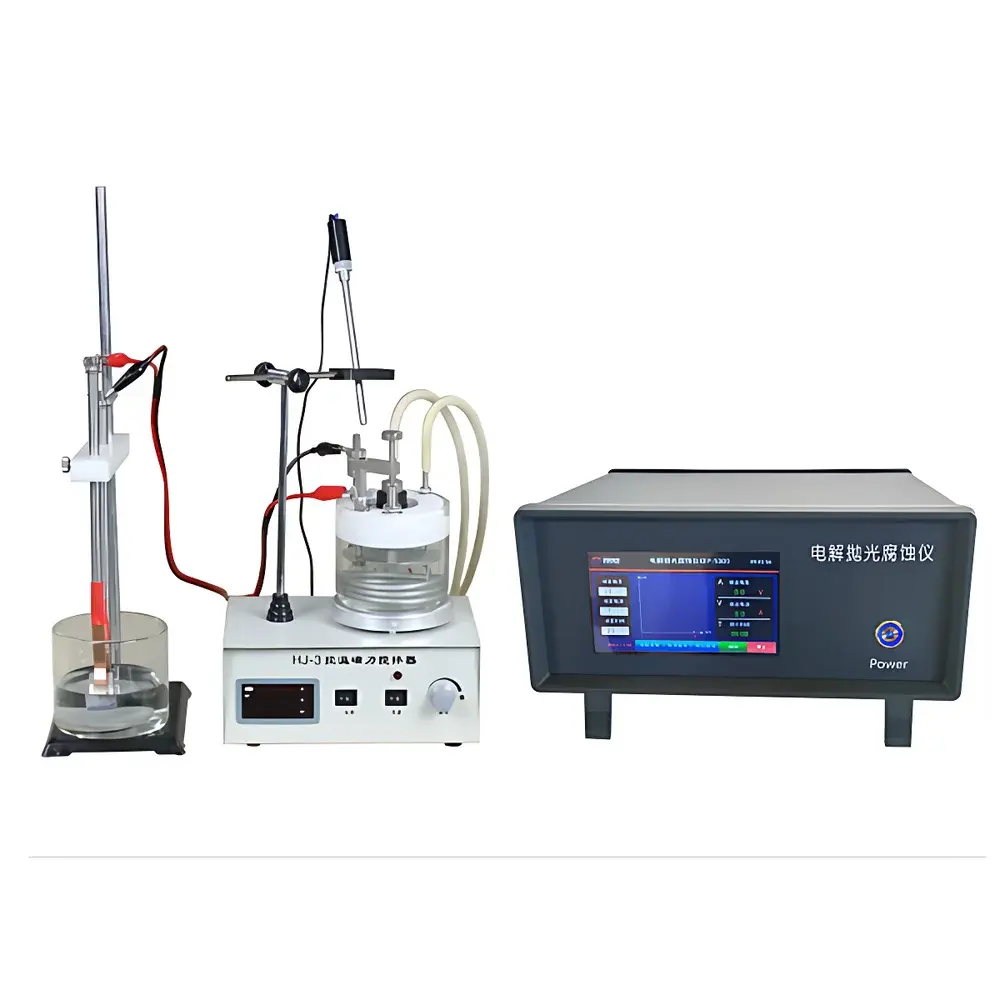
The KEP-5000 Electrolytic Polishing and Etching Instrument is a precision-engineered electrochemical system designed for controlled surface preparation of metallic specimens in metallurgical and materials science laboratories. Operating on the principle of anodic dissolution under potentiostatic or galvanostatic conditions, the instrument enables reproducible electropolishing and selective electrochemical etching of conductive samples—including stainless steels, aluminum alloys, titanium, copper, and nickel-based superalloys—without introducing mechanical deformation, smearing, or subsurface damage. Unlike mechanical grinding and polishing methods, electrolytic processing yields artifact-free surfaces suitable for high-resolution optical microscopy (OM), scanning electron microscopy (SEM), electron backscatter diffraction (EBSD), and transmission electron microscopy (TEM) sample preparation. The KEP-5000 supports fundamental electrochemical characterization, including polarization curve acquisition (i–E curves), transient current/voltage response analysis, and time-resolved thermoelectrochemical monitoring—making it equally applicable in academic research, quality control labs, and R&D departments engaged in corrosion science, surface engineering, and microstructure–property correlation studies.
Key Features
- 7-inch capacitive touchscreen interface with intuitive navigation, real-time parameter feedback, and multi-language support (English default)
- Dual-mode operation: precise potentiostatic (constant voltage) and galvanostatic (constant current) control, with seamless switching between modes
- Wide output range: 0–100 V DC and 0–6 A DC, both continuously adjustable via coarse/fine dual-stage controls for fine-grained experimental setup
- High-resolution digital readout: voltage displayed to 0.01 V, current to 0.001 A; low-ripple DC power supply ensures signal stability (<0.2% RMS ripple)
- Integrated temperature regulation: Peltier-assisted heating module with PID control, maintaining bath temperature from ambient to 100 °C ±1 °C
- Modular sample masking system: interchangeable apertures (15 mm, 20 mm, 30 mm diameter) enable standardized exposure area control per ASTM E407 and ISO 15510
- Programmable timing function: user-defined duration for polishing/etching cycles (1 s to 99 h 59 min), with automatic shutdown and safety interlock
- Built-in magnetic stirring unit ensures uniform electrolyte convection and consistent mass transport across the electrode/solution interface
- Comprehensive protection circuitry: overvoltage, overtemperature, overcurrent, and AC input undervoltage/overvoltage safeguards compliant with IEC 61010-1
- Front-panel USB port and optional RS485 interface support direct data logging to external PCs or networked lab systems
Sample Compatibility & Compliance
The KEP-5000 accommodates standard metallographic specimens up to 30 mm in diameter and 25 mm in thickness. It is compatible with common electrolytes including perchloric acid–ethanol mixtures (for austenitic stainless steels), phosphoric–chromic acid solutions (for aluminum), and oxalic acid (for titanium alloys). All operational parameters align with ASTM E3-22 (Standard Guide for Preparation of Metallographic Specimens), ASTM G5-22 (Standard Reference Test Method for Determining Corrosion Potential), and ISO 8044:2022 (Corrosion of metals and alloys — Vocabulary). When operated with validated protocols and traceable calibration, the system supports GLP-compliant documentation workflows. Optional software modules provide audit-trail functionality, electronic signatures, and data integrity features aligned with FDA 21 CFR Part 11 requirements for regulated environments.
Software & Data Management
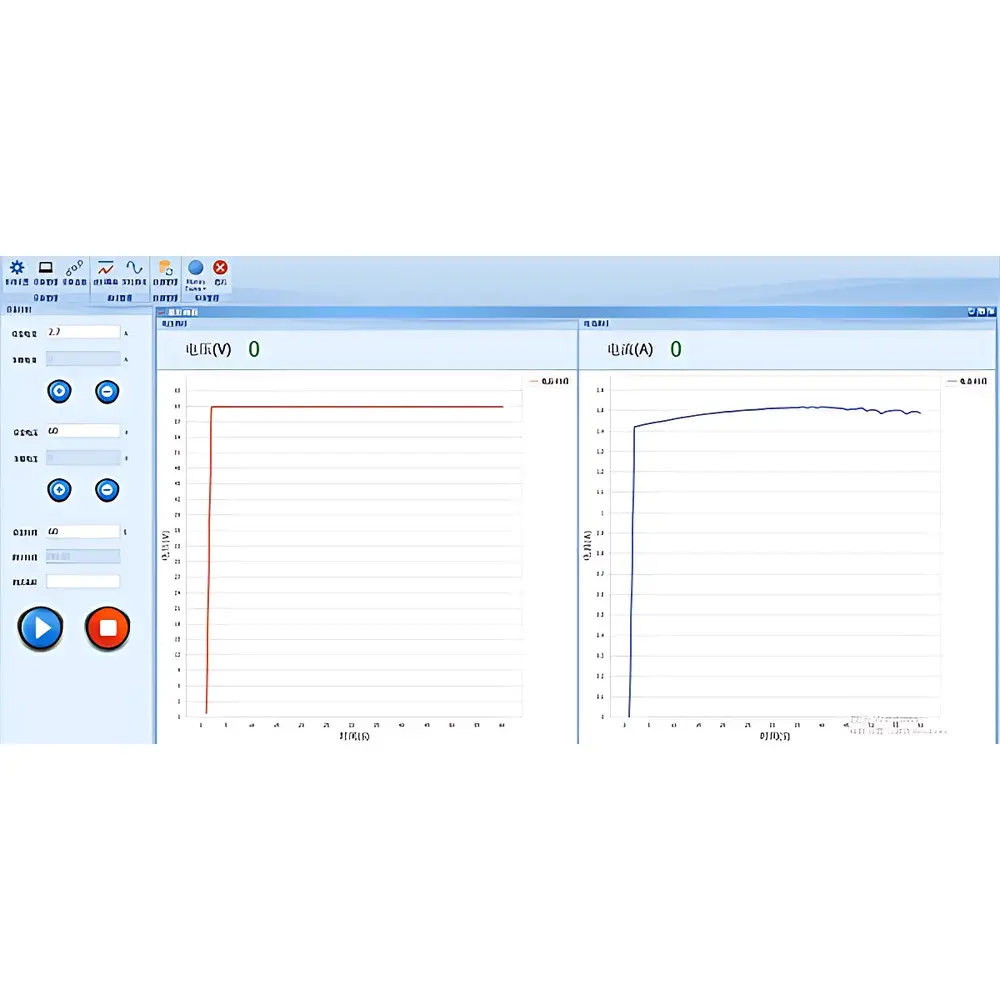
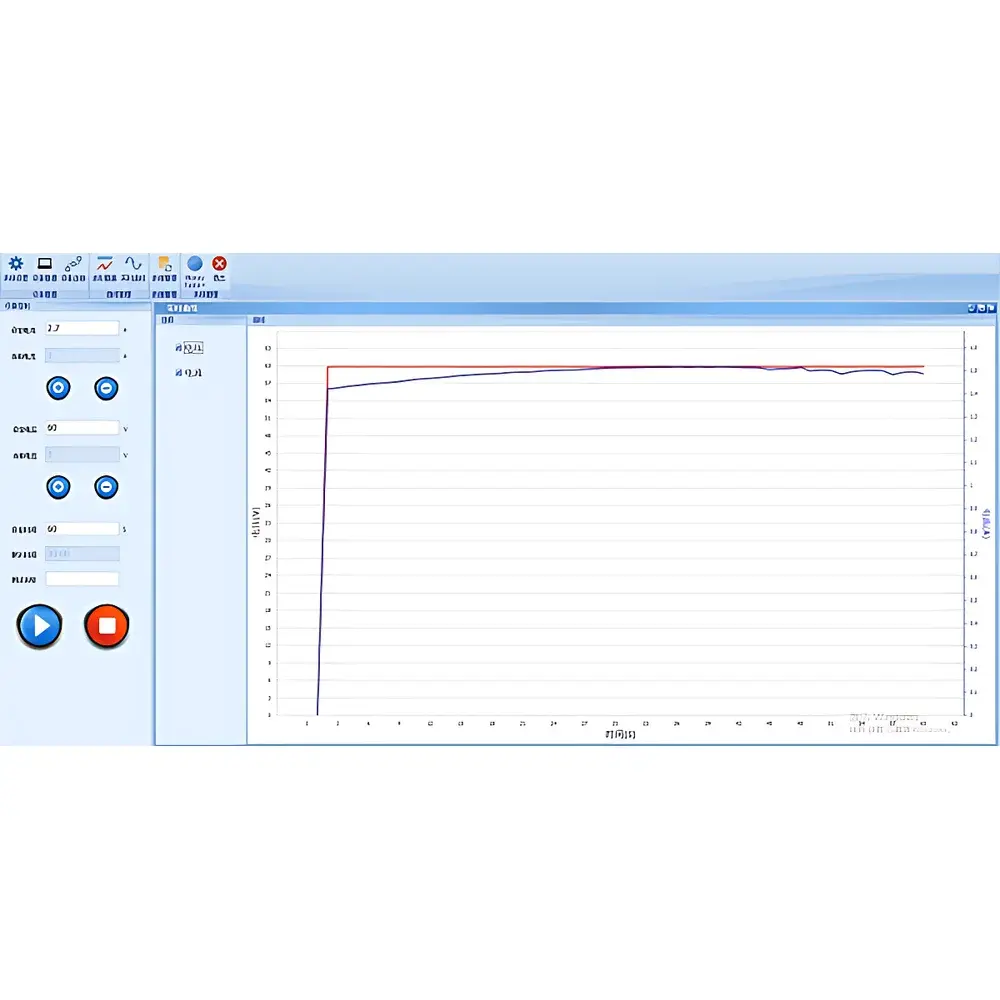
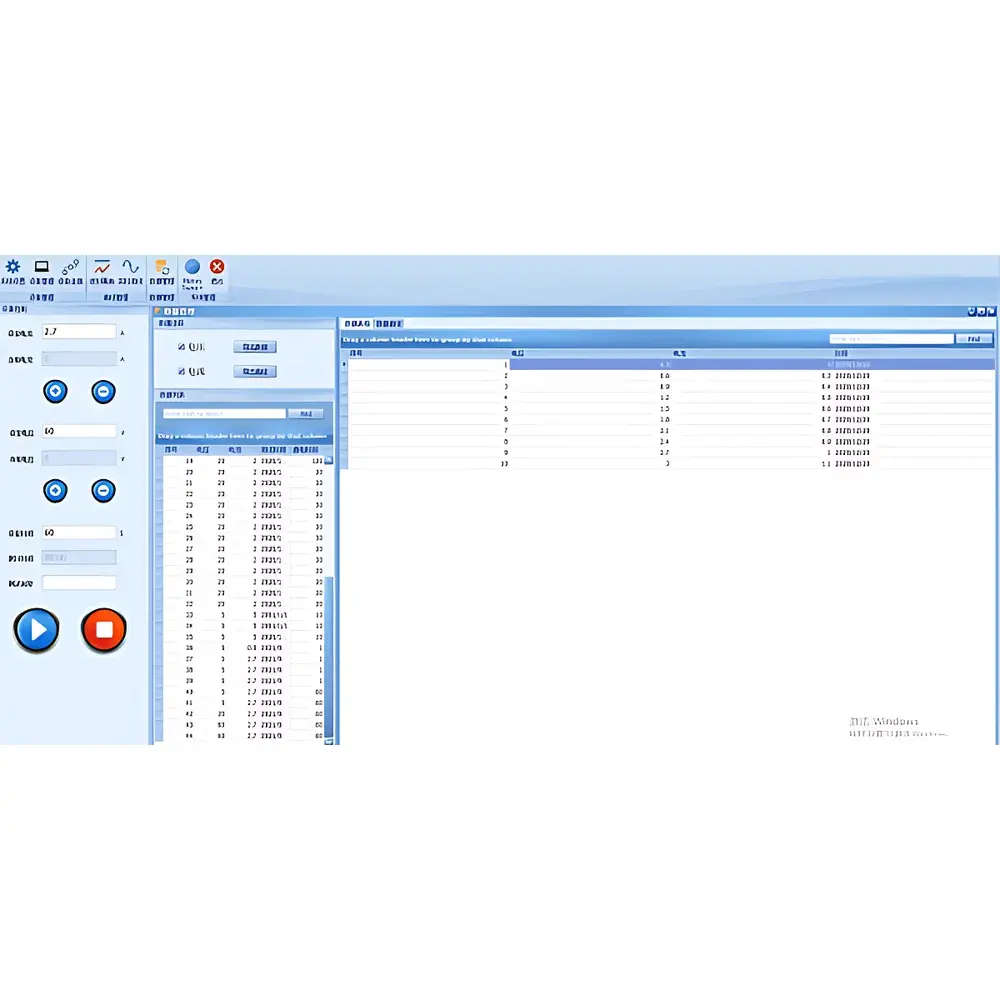
The optional KB-ElectroLab software provides full remote instrumentation control and synchronized multi-channel data acquisition. It records time-stamped voltage, current, temperature, and elapsed time at user-selectable intervals (10 ms to 10 s resolution). Real-time visualization includes dynamic V–t, I–t, and I–V polarization plots with overlay capability for comparative analysis. All datasets are saved in CSV and proprietary .kbl format, enabling post-acquisition processing in MATLAB®, Python (NumPy/Pandas), or OriginLab®. The software supports batch export, statistical summary generation (mean, std dev, min/max), and customizable report templates with embedded metadata (operator ID, date/time, method name, instrument serial number). Data files include embedded checksums and optional password-protected write access to ensure integrity during archival and regulatory review.
Applications
- Preparation of dislocation-free, strain-free surfaces for EBSD orientation mapping
- Controlled thinning of TEM lamellae in focused ion beam (FIB)-assisted workflows
- Quantitative evaluation of passivation behavior and pitting susceptibility in stainless steels per ASTM G48
- In-situ monitoring of oxide film growth kinetics on valve metals (Ta, Nb, Al)
- Electrochemical grain boundary delineation for phase identification in duplex alloys
- Method development and validation for ASTM E112 grain size analysis on polished/etched sections
- Corrosion rate determination via Tafel extrapolation and linear polarization resistance (LPR)
- Teaching laboratory use for undergraduate electrochemistry and metallurgy courses
FAQ
What electrolytes are compatible with the KEP-5000?
The instrument supports aqueous and non-aqueous electrolytes commonly used in metallography, including oxalic acid (for Ti), phosphoric–chromic acid (for Al), and perchloric acid–ethanol (for Fe–Cr–Ni alloys). Compatibility must be verified against material safety data sheets and local fume hood specifications.
Can the KEP-5000 perform cyclic voltammetry?
While not a dedicated potentiostat, the KEP-5000 supports linear sweep and stepwise potential/current ramping protocols via its software interface—sufficient for basic polarization curve acquisition. For advanced CV, EIS, or pulse techniques, integration with a third-party bipotentiostat is recommended.
Is temperature control mandatory during electropolishing?
Yes. Precise thermal management is critical to reproducibility: exothermic dissolution reactions can cause localized boiling, gas evolution, or uneven etch rates. The integrated heater-cooler system maintains bath homogeneity within ±1 °C, satisfying ISO 15510 requirements for standardized specimen preparation.
How is data traceability ensured for QA/QC applications?
All measurement sessions generate timestamped, immutable log files with operator ID, method parameters, and environmental metadata. Optional software modules add electronic signature fields, change logs, and export-lock features compliant with ISO/IEC 17025 and FDA 21 CFR Part 11.
What maintenance is required for long-term reliability?
Routine maintenance includes periodic cleaning of the cooling coil, inspection of electrode contacts and sealing gaskets, recalibration of temperature sensors annually, and verification of voltage/current accuracy using NIST-traceable multimeters. No consumable parts require scheduled replacement.






