
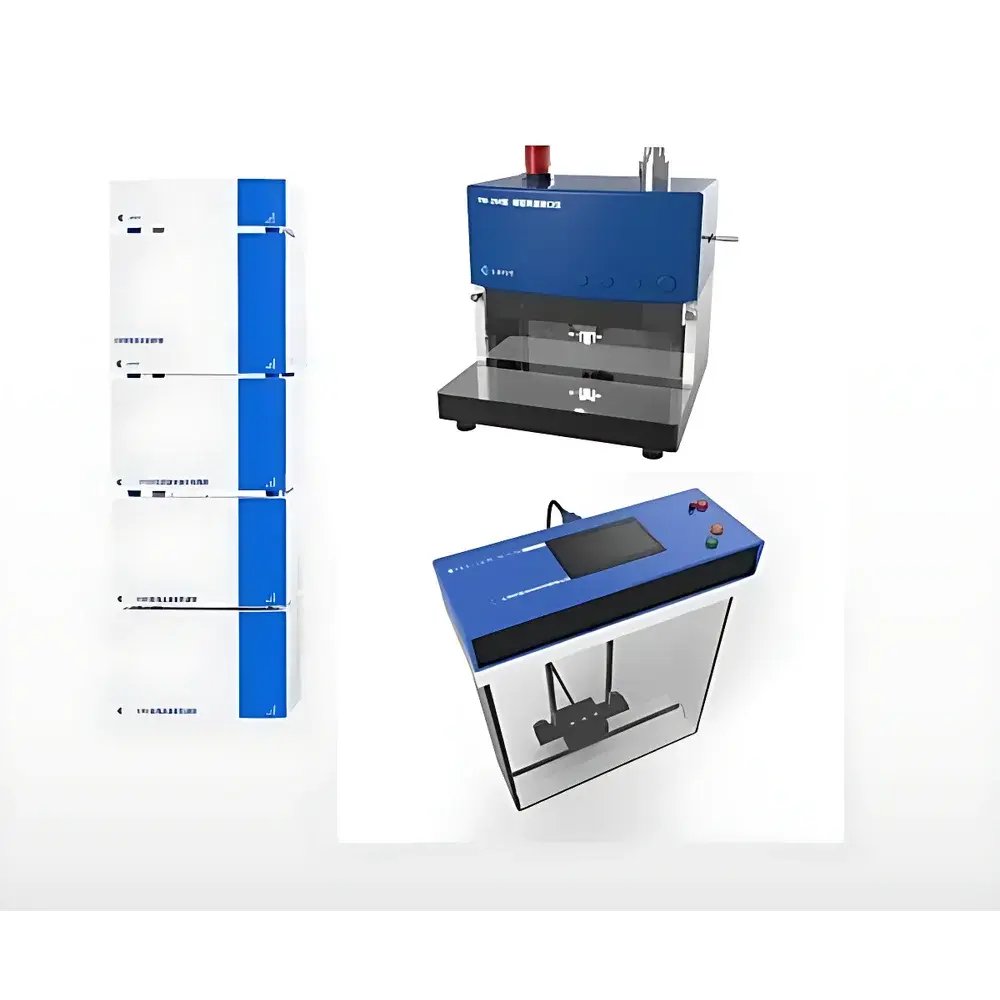
KEZHE SHANGHAI 2DMax1500A2/P2 Thin-Layer Chromatography–High-Performance Liquid Chromatography (TLC–HPLC) Two-Dimensional Coupled System
| Brand | KEZHE SHANGHAI |
|---|---|
| Origin | Shanghai, China |
| Manufacturer Type | Original Equipment Manufacturer (OEM) |
| Model | 2DMax1500A2 / 2DMax1500P2 |
| TLC Plate Max Size | 200 × 200 mm |
| Laser Power | 5 mW |
| Seal Force | up to 500 N |
| Solvent Flow Rate (Extraction) | 0.05–0.5 mL/min |
| Extraction Probe Options | Ø4 mm, Ø5 mm circular |
| HPLC Flow Range | 0–100 mL/min (customizable) |
| Pressure Range | 0–10,000 psi |
| UV-VIS Detection Wavelength Range | 190–900 nm (quad-wavelength simultaneous detection) |
| Wavelength Accuracy | ±0.2 nm |
| Monochromator | 1200 lines/mm grating |
| Light Source | Deuterium–Tungsten dual lamp |
| Quantitative Loop | 20 µL (customizable) |
| Autosampler | Integrated |
| Fraction Collector Capacity | 160 positions |
| Gradient Composition Range | 0–100% linear A:B |
| Software Platform | Windows 7/8/10 |
| Communication Interface | Ethernet |
| Power Supply | 110–220 V AC, 500 W |
| Gas Supply | Nitrogen or compressed air |
Overview
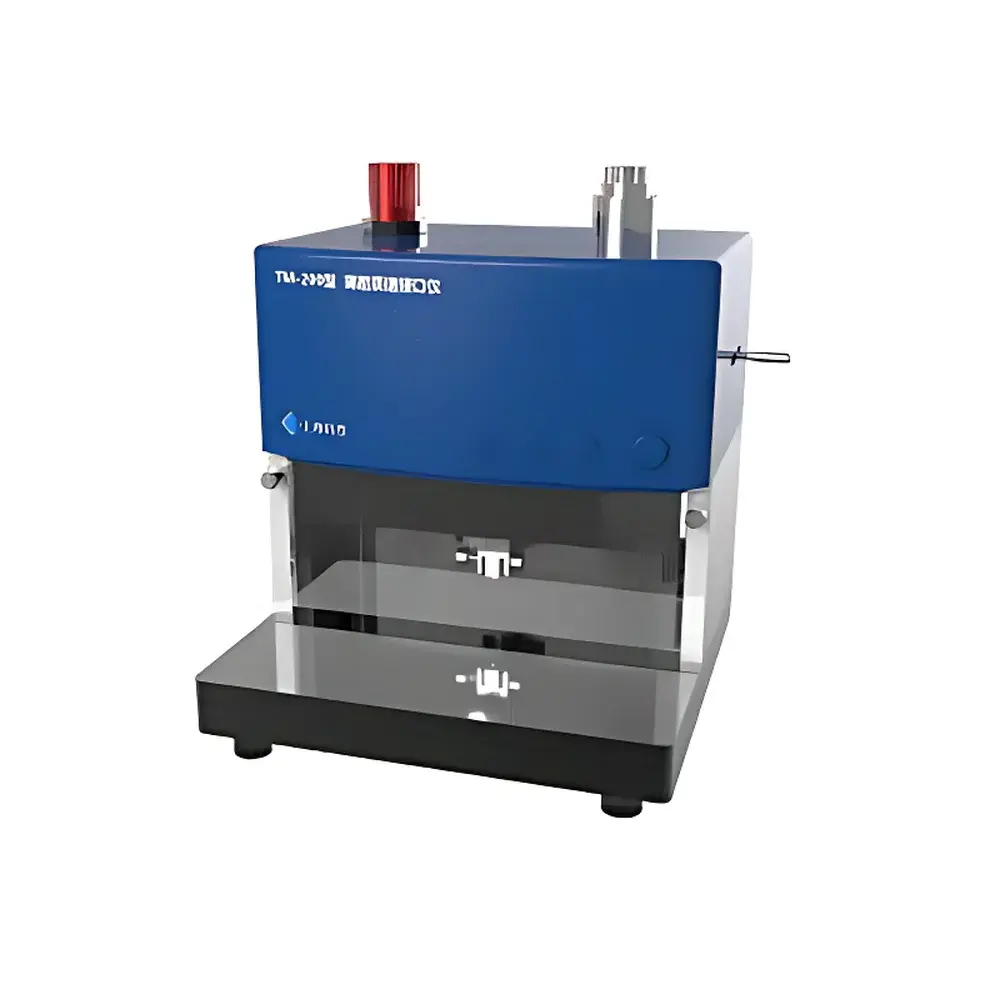
The KEZHE SHANGHAI 2DMax1500A2/P2 is a fully integrated two-dimensional chromatographic platform that bridges planar separation science with high-resolution liquid-phase analysis. Engineered for orthogonal separation synergy, it couples automated thin-layer chromatography (TLC) with high-performance liquid chromatography (HPLC) in a single, coordinated workflow. Unlike conventional offline TLC–HPLC workflows involving manual scraping, solvent extraction, and reconstitution—processes prone to analyte loss, contamination, and poor reproducibility—the 2DMax1500 series enables direct, on-plate, laser-guided micro-extraction of resolved zones into an HPLC system. This hybrid architecture leverages the high sample throughput, low solvent consumption, and visual interpretability of TLC while retaining the quantitative precision, retention time reproducibility, and detector sensitivity of modern HPLC. The system operates on the principle of pressure-assisted, localized elution: after development and visualization, a motorized extraction head—positioned via 5 mW visible laser targeting—applies controlled seal force (up to 500 N) to the TLC plate surface, initiating solvent-driven transfer of analytes through a sealed interface directly into the HPLC flow path. This eliminates intermediate handling steps and preserves labile compounds, making it especially suitable for natural product profiling, herbal medicine QC/QA, and reaction monitoring in synthetic organic chemistry.
Key Features
- Laser-guided, non-contact positioning system (5 mW diode laser) ensures micron-level spatial accuracy for spot or band selection on TLC plates up to 200 × 200 mm.
- Modular extraction interface (TM-300 TLC–MS/HPLC coupling module) compatible with both HPLC and LC–MS platforms, supporting seamless method transfer and hyphenated detection.
- Dual-mode extraction probes: interchangeable Ø4 mm and Ø5 mm circular tips plus a 4 × 2 mm elliptical probe for optimized recovery from discrete spots or elongated bands.
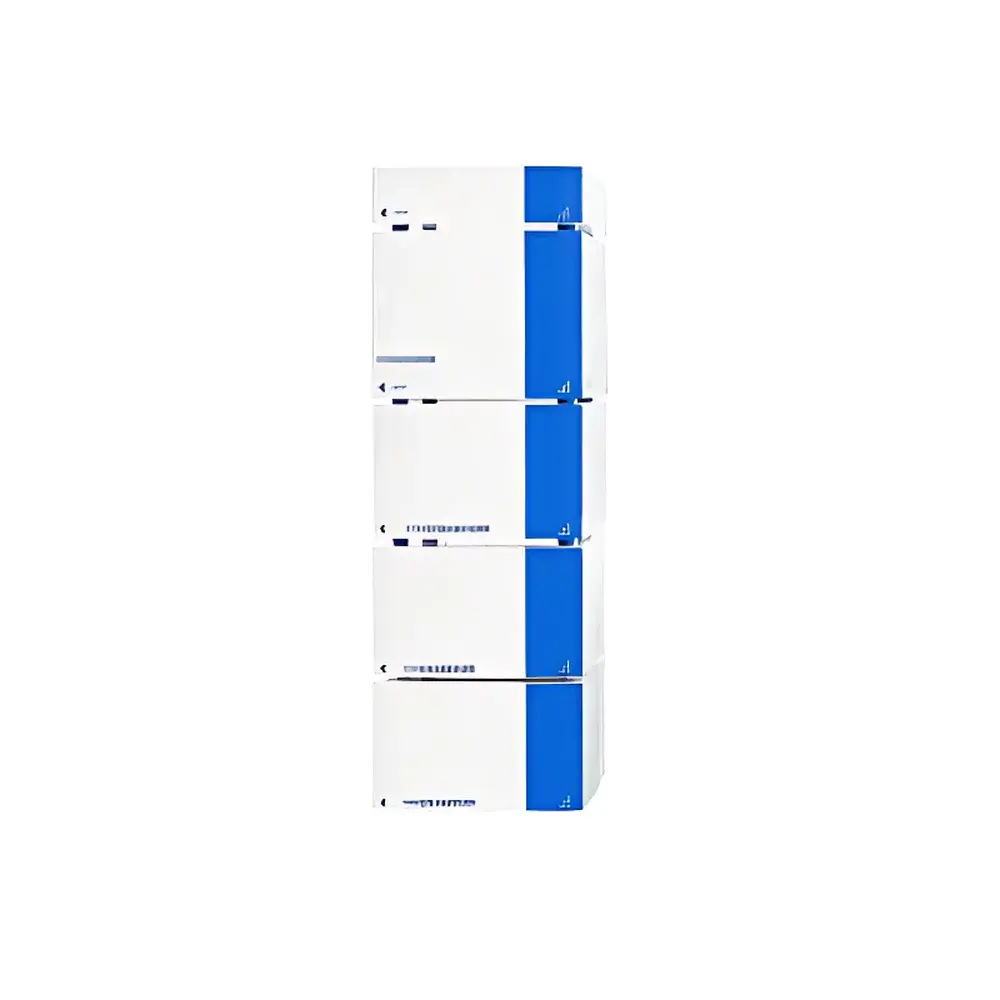
- Integrated binary high-pressure gradient pump system delivering precise solvent delivery across 0–100% A:B linear gradients at pressures up to 10,000 psi.
- Quad-wavelength UV-VIS detector (190–900 nm) with ±0.2 nm wavelength accuracy, 1200 lines/mm grating monochromator, and deuterium–tungsten dual-lamp source for broad-spectrum absorbance quantification.
- Automated fraction collection (160-position rack) with customizable tube formats (15 mm standard; optional 20 mm, 30 mm, or large-volume bottles up to 480 mL).
- Fully programmable modular workstation software supporting method storage, sequence scheduling, real-time chromatogram overlay, and audit-trail-enabled data logging compliant with GLP and 21 CFR Part 11 requirements.
Sample Compatibility & Compliance
The 2DMax1500A2/P2 supports silica gel, aluminum oxide, cellulose, and reversed-phase (e.g., RP-18) TLC plates, accommodating both polar and nonpolar analytes—including alkaloids, flavonoids, terpenoids, glycosides, and synthetic intermediates. Its extraction efficiency has been validated per ICH Q2(R2) guidelines for specificity and recovery in herbal extract matrices. The system meets mechanical safety standards per ISO 13850 and electrical compliance per IEC 61010-1. All software modules include electronic signature capability, user-access controls, and immutable audit trails—fully aligned with FDA 21 CFR Part 11, EU Annex 11, and WHO TRS 992 GMP data integrity expectations. Optional IQ/OQ documentation packages are available for regulated laboratories requiring formal validation support.
Software & Data Management
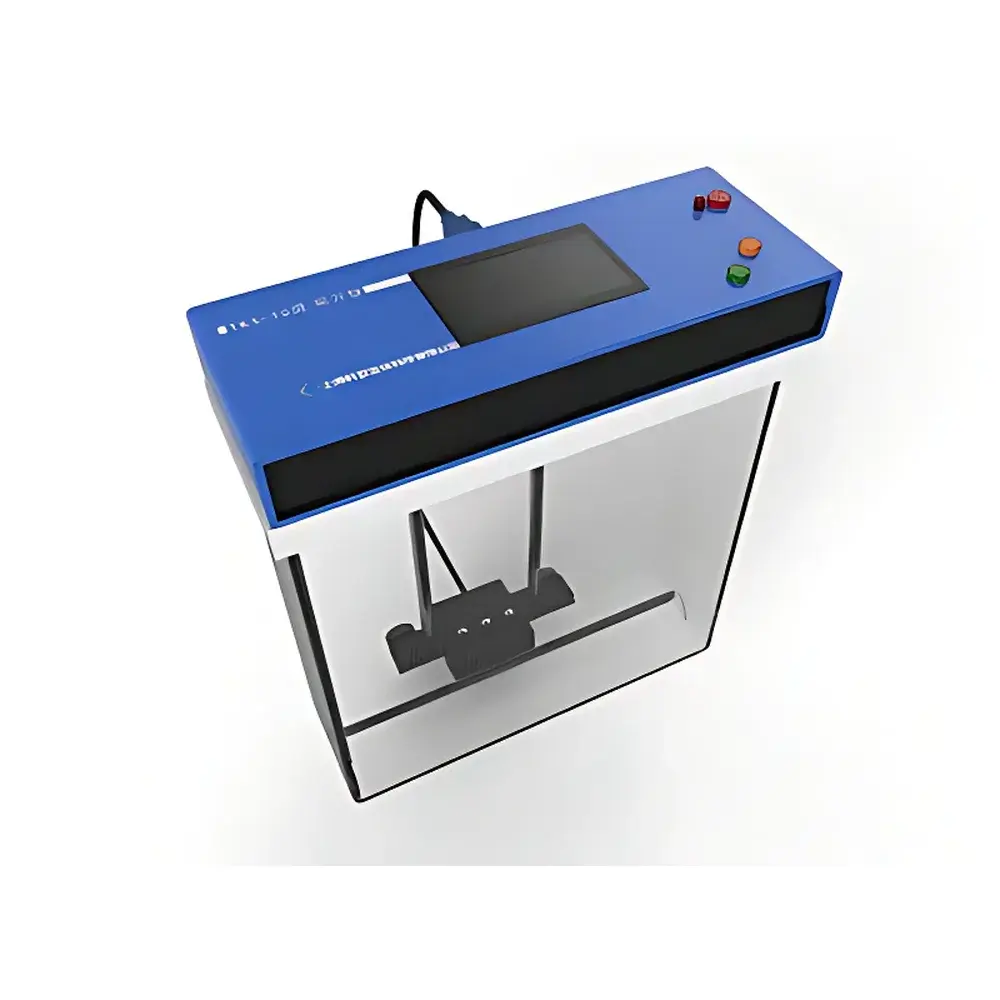
The embedded modular liquid chromatography workstation provides unified control over TLC development (via TK-10 electric developing chamber), laser-targeted extraction, gradient programming, detection, and fraction collection. Data acquisition occurs at ≥20 Hz sampling rate with baseline noise <±0.5 mAU. Raw chromatograms and TLC images are stored in vendor-neutral .cdf format (compatible with OpenChrom and Chromeleon). The software supports peak integration using tangent skim, valley-to-valley, or Gaussian deconvolution algorithms; all processing parameters are version-controlled and logged. Export options include PDF reports with embedded metadata (operator ID, timestamp, instrument serial number, calibration status), CSV for LIMS integration, and XML for ELN synchronization. Remote diagnostics and firmware updates are supported via secure HTTPS-based network interface.
Applications
- Phytochemical fingerprinting and marker compound quantification in traditional Chinese medicine (TCM) formulations per Chinese Pharmacopoeia monographs.
- Reaction progress monitoring in medicinal chemistry labs—enabling rapid isolation and identification of intermediates without column purification.
- Impurity profiling and degradation product characterization under ICH Q3B conditions.
- Quality control of botanical raw materials and finished products in accordance with USP and EP 2.2.27.
- Method development for complex mixtures where one-dimensional separation fails to resolve co-eluting components—leveraging orthogonality between TLC (polarity-based) and reversed-phase HPLC (hydrophobicity-based) mechanisms.
- Preparative-scale fractionation for natural product isolation, feeding directly into NMR or HRMS analysis.
FAQ
Can the system interface with mass spectrometry?
Yes—the TM-300 interface is designed for direct coupling to ESI-MS and APCI-MS sources, enabling structural confirmation without offline sample transfer.
Is method transfer between TLC and HPLC stages automated?
The software retains Rf values from TLC imaging and auto-calculates corresponding HPLC injection volumes and gradient slopes based on user-defined correlation models.
What maintenance is required for the extraction head seals?
Seals are fluoropolymer-coated and rated for >10,000 cycles; routine inspection every 500 extractions is recommended, with replacement kits available as consumables.
Does the system support regulatory-compliant reporting?
All reports include digital signatures, timestamps, instrument calibration history, and raw data hash verification—fully compliant with 21 CFR Part 11 Subpart B requirements.
Can custom TLC plate formats be accommodated?
Beyond standard 200 × 200 mm, optional vacuum-adhesion fixtures support irregular shapes and flexible substrates (e.g., polyester-backed layers) with active edge alignment.
Related Products





