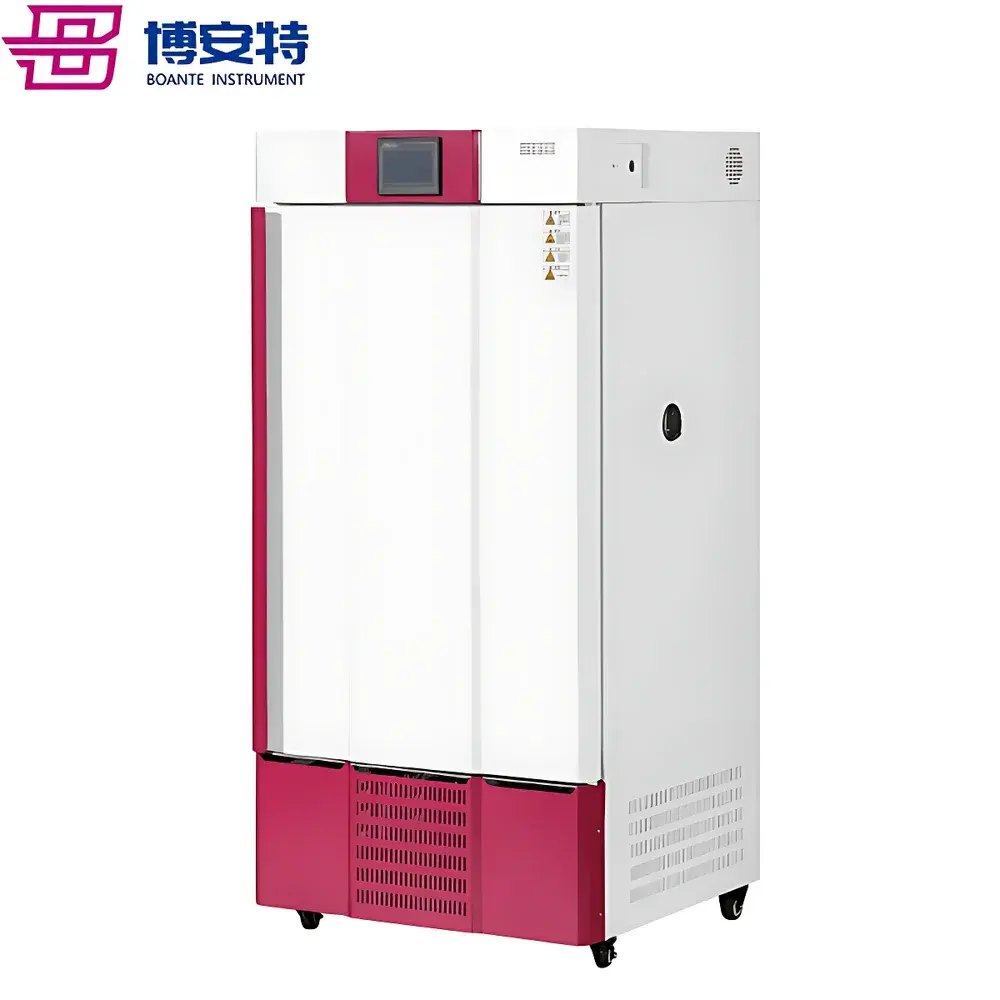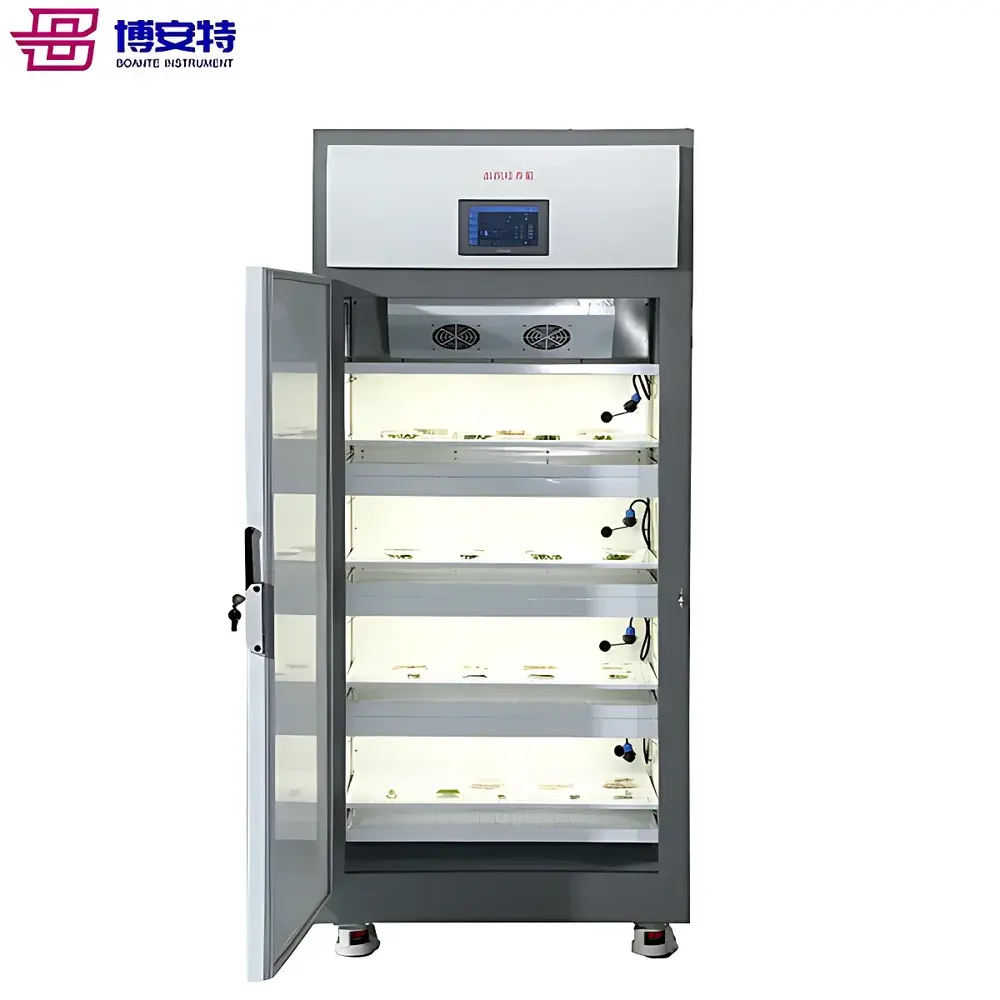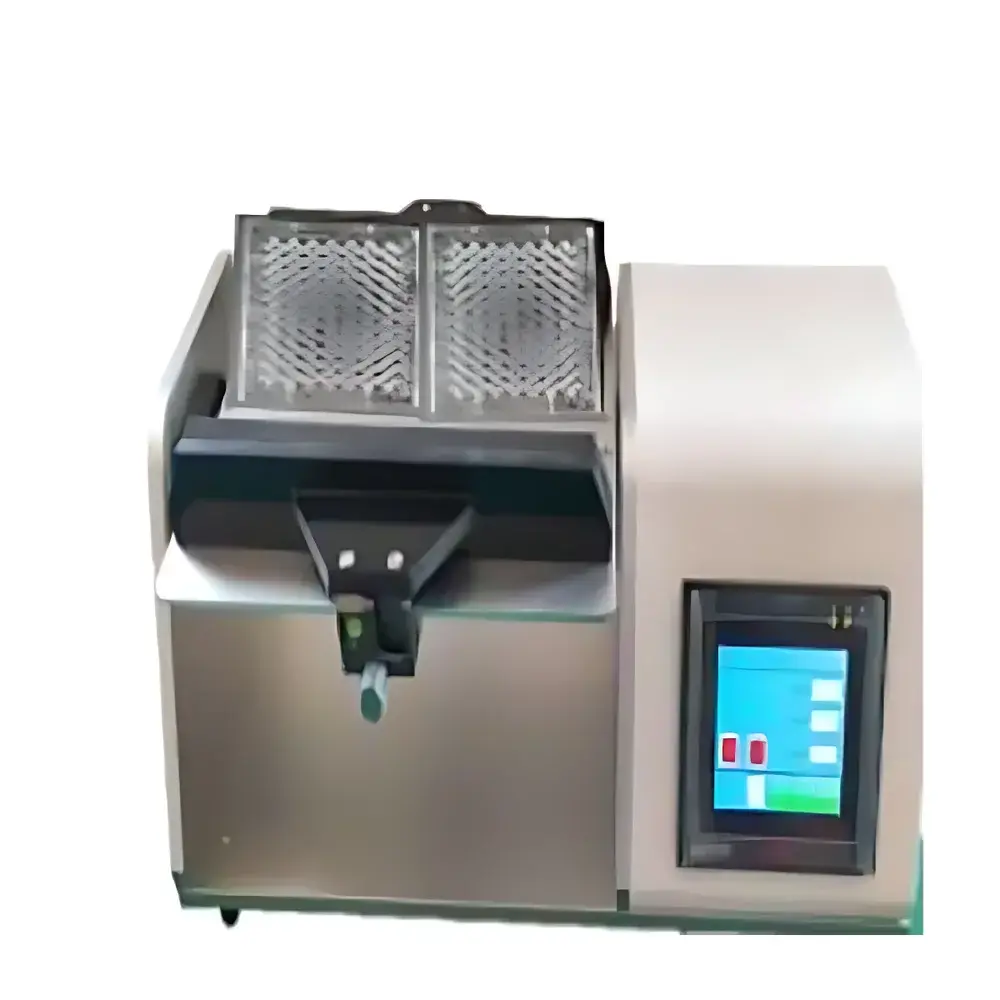
Kilby K-stp Microgravity 3D Cell Culture Rocker Platform
| Brand | Kilby |
|---|---|
| Origin | Beijing, China |
| Manufacturer Type | Authorized Distributor |
| Country of Origin | China |
| Model | K-stp |
| Price | USD 140 (approx.) |
Overview
The Kilby K-stp Microgravity 3D Cell Culture Rocker Platform is an engineered precision motion system designed to support physiologically relevant in vitro 3D cell and organoid culture under controlled dynamic conditions. Unlike static incubation, the K-stp applies programmable, low-shear rocking motion—based on gravitational vector modulation—to emulate key aspects of fluidic microenvironmental cues found in native tissues. It operates on a gravity-driven rocking principle (not centrifugal or orbital), generating consistent laminar flow and defined wall shear stress across adherent or suspended 3D constructs. This enables long-term perfusion-mimetic culture without pumps or tubing, making it suitable for standard CO₂ incubators with ≥95% relative humidity. The platform does not generate true microgravity but provides a validated, reproducible alternative for enhancing extracellular matrix deposition, polarization, and functional maturation in stem-cell-derived organoids, tumor spheroids, and co-culture models.
Key Features
- Programmable rocking motion with adjustable angular range from 0.5° to 30° (±0.2° repeatability), supporting both continuous and interval-based oscillation profiles.
- Motorized dual-axis rocking mechanism with silent stepper drive and optical position feedback for high positional fidelity over extended operation cycles (≥30 days continuous runtime).
- Incubator-compatible design: stainless-steel and PEEK-reinforced polymer frame; IP54-rated electronics; operates at 37 °C and ≥95% RH without condensation ingress or thermal drift.
- Modular mounting interface accommodating standard ANSI/SLAS-format multiwell plates (6-, 12-, 24-, 48-, and 96-well), glass-bottom dishes (35 mm, 60 mm), and custom organ-on-chip devices with integrated microfluidic ports.
- No external fluidic hardware required: leverages gravity-induced liquid displacement to maintain passive perfusion and interstitial shear stress (0.1–5 dyn/cm² range, dependent on angle, frequency, and medium viscosity).
Sample Compatibility & Compliance
The K-stp supports sterility-preserving workflows compliant with ISO 13485-aligned laboratory practices. Its open-platform architecture allows integration with commercially available organoid-grade matrices (e.g., Matrigel®, Cultrex® BME) and serum-free media formulations. All contact surfaces are autoclavable or ethanol-wipe compatible. While not certified as a medical device, the system meets general requirements for GLP-compliant preclinical research environments. Data logging and protocol recall functions support traceability in accordance with FDA 21 CFR Part 11 principles when used with validated third-party LIMS or ELN systems.
Software & Data Management
The K-stp is operated via a dedicated Windows-based control application (v2.1+) providing GUI-driven setup of rocking parameters—including angle, dwell time, cycle count, pause intervals, and ramp profiles. Each protocol is timestamped and exportable as CSV for audit trail documentation. The software includes built-in calibration verification routines and real-time motor current monitoring to detect mechanical load anomalies (e.g., plate misalignment or medium evaporation). No cloud connectivity or remote access features are included, ensuring data sovereignty within institutional IT infrastructure.
Applications
- Long-term differentiation and maturation of intestinal, cerebral, hepatic, and renal organoids under dynamic flow conditions.
- Modeling tumor microenvironment interactions using patient-derived xenograft (PDX)-derived spheroids under shear-regulated cytokine exposure.
- High-content screening of drug candidates affecting barrier integrity (e.g., TEER dynamics in gut-brain axis chips).
- Investigating mechanotransduction pathways in endothelial or epithelial monolayers cultured on porous membranes.
- Supporting Good Manufacturing Practice (GMP)-adjacent process development for cell therapy biomanufacturing, where shear-sensitive expansion protocols require precise environmental control.
FAQ
Can the K-stp be used inside a CO₂ incubator with automatic door opening?
Yes—the unit is rated for uninterrupted operation in standard humidified CO₂ incubators, including those with periodic door cycling. Its sealed electronics and non-condensing thermal management ensure stable performance.
Is the rocking motion synchronized across all wells in a multiwell plate?
Yes. The rigid platform design ensures uniform angular displacement and phase coherence across all mounted vessels, eliminating well-to-well shear variance.
Does the system include temperature regulation?
No. The K-stp relies on external incubator temperature control. It is engineered to minimize thermal mass and avoid localized heating, preserving setpoint stability.
What is the maximum recommended medium volume per well during rocking?
For optimal shear profile consistency, volumes should remain within 70–90% of well capacity (e.g., ≤2 mL in a 6-well plate, ≤200 µL in a 96-well plate) to prevent splashing or meniscus instability.
Are firmware updates available?
Yes—Kilby provides quarterly firmware patches via secure download portal for registered users, addressing calibration refinements and minor operational enhancements.
Related Products