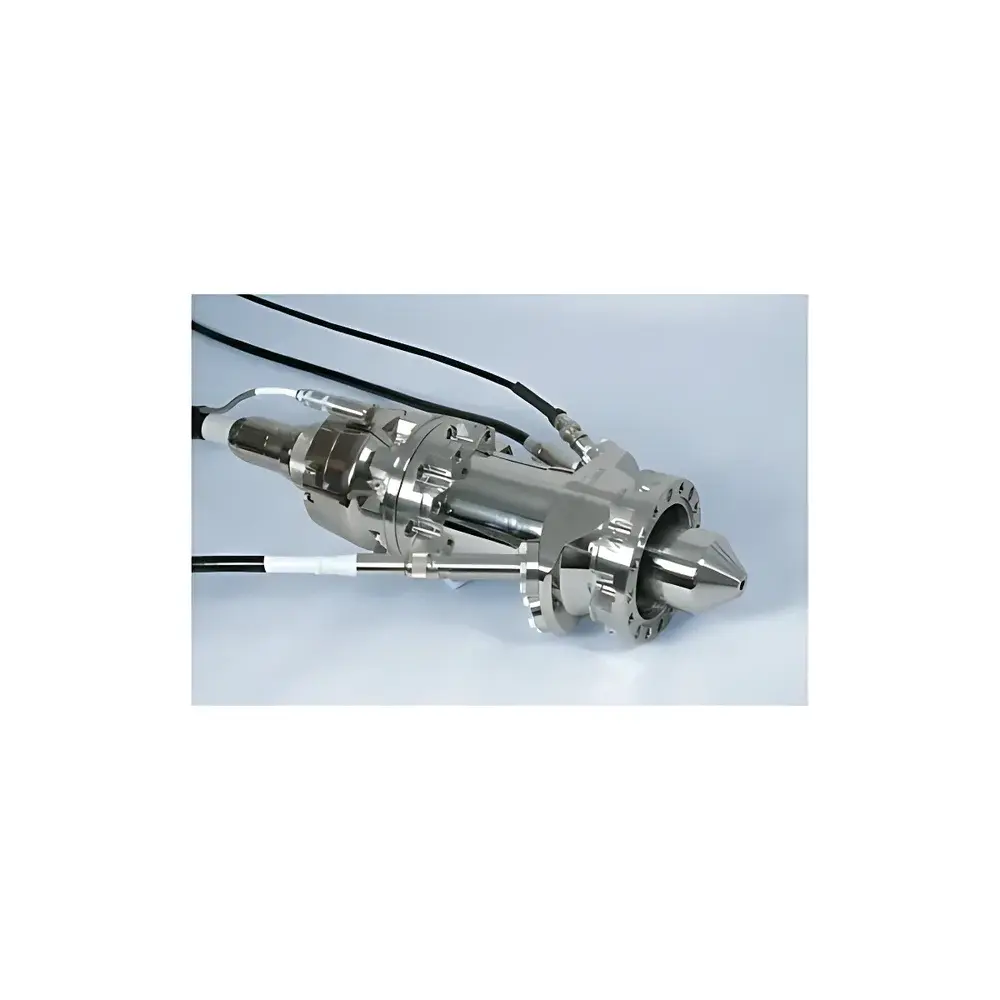
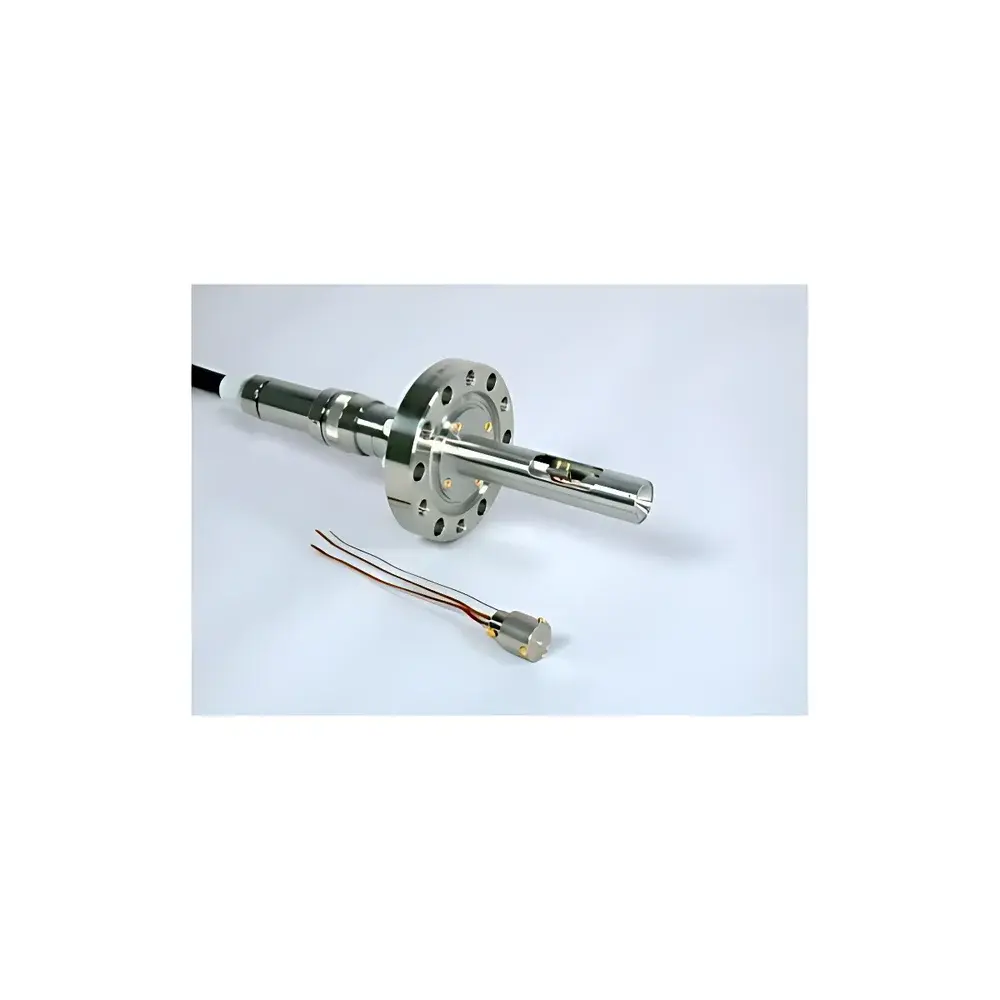
Kimball Physics EMG-4212 / EGPS-3212 Electron Gun System
| Brand | Kimball Physics, Inc. |
|---|---|
| Origin | USA |
| Model | EMG-4212 / EGPS-3212 |
| Energy Range | 1–20 keV |
| Beam Current (Standard) | 10 nA–100 µA |
| Beam Spot Size (Standard) | 0.5–25 mm |
| Small-Spot Option | 1 nA–10 µA / 100 µm–10 mm |
| High-Current Option | 1 µA–1 mA / 1.5–25 mm |
| Flange | 4" CF |
| Features | In-situ alignment, collimated beam output, electrostatic focusing & deflection, raster scanning, pulsed operation, beam blanking |
Overview
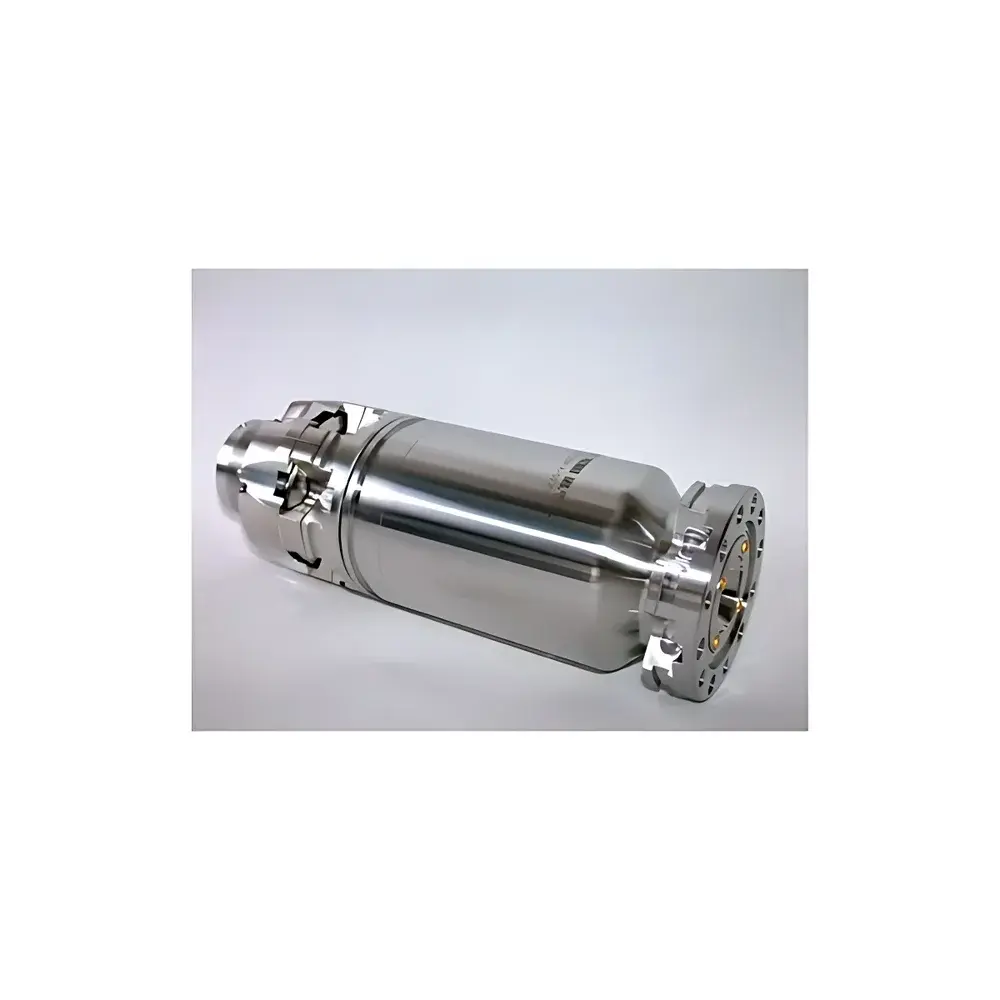
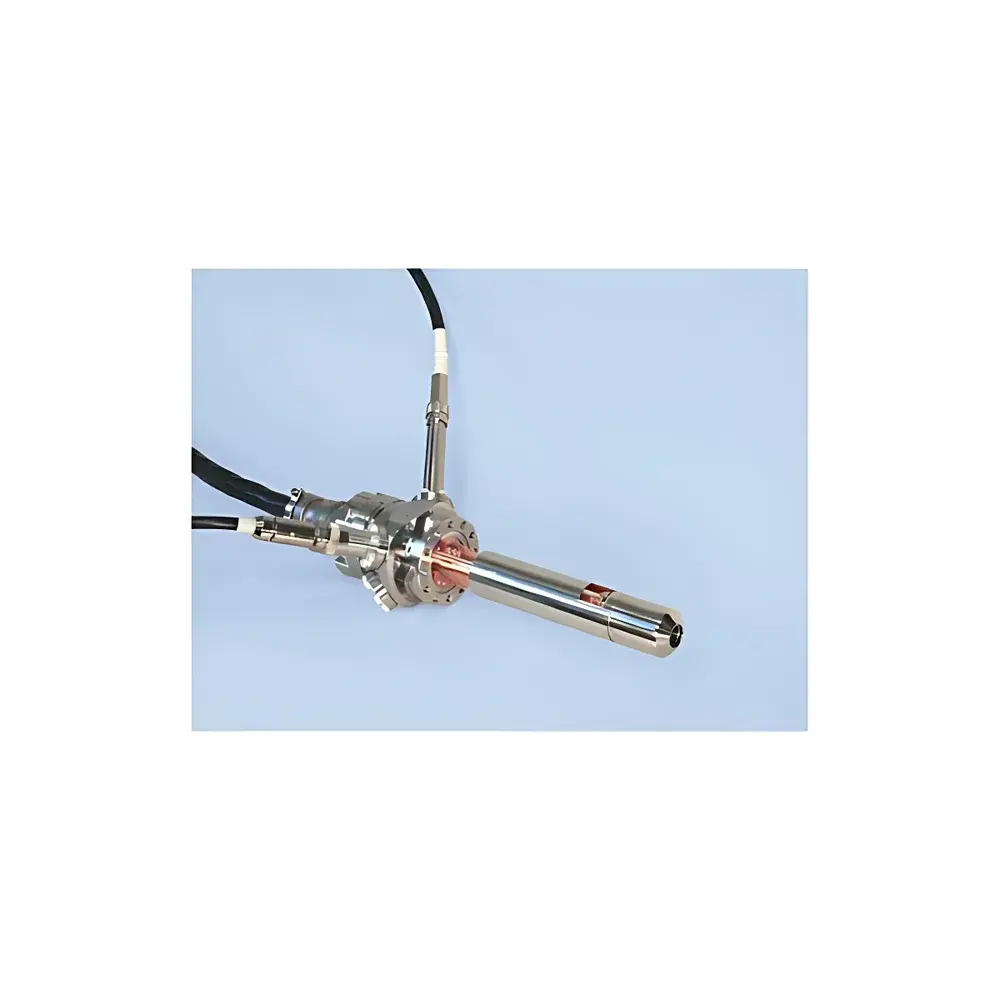
The Kimball Physics EMG-4212 and EGPS-3212 are high-performance, modular electron gun systems engineered for precision electron beam generation in ultra-high vacuum (UHV) and high-vacuum environments. Designed and manufactured in the United States by Kimball Physics, Inc., these systems operate on thermionic emission principles using a tungsten or lanthanum hexaboride (LaB₆) cathode—configurable per application requirements. The EMG-4212 serves as a compact, self-contained electron source with integrated power supplies and control electronics, while the EGPS-3212 is a high-current, externally powered variant optimized for applications demanding sustained beam stability and dynamic current modulation. Both models deliver a well-collimated, electrostatically focused electron beam with energy tunability from 1 keV to 20 keV—enabling controlled surface interactions including secondary electron emission analysis, electron-induced desorption (EID), charge neutralization of insulating samples, and in situ electron irradiation studies.
Key Features
- Electrostatic beam optics architecture providing precise control over focus, deflection, and spot size without magnetic hysteresis or residual field effects
- In-situ internal alignment capability via adjustable cathode-to-anode spacing and bias-controlled Wehnelt electrode—enabling real-time optimization without breaking vacuum
- Three operational configurations supported: standard (10 nA–100 µA, 0.5–25 mm spot), small-spot (1 nA–10 µA, 100 µm–10 mm), and high-current (1 µA–1 mA, 1.5–25 mm)
- Integrated beam blanking and TTL-compatible pulsing (down to 100 ns pulse width, repetition rates up to 1 MHz) for time-resolved experiments
- 4-inch ConFlat (CF) flange mounting compatible with standard UHV chambers; all feedthroughs rated for ≤1×10⁻⁹ Torr base pressure
- Optional raster scanning capability using dual-axis electrostatic deflection plates, enabling programmable area irradiation and beam positioning with sub-millimeter repeatability
Sample Compatibility & Compliance
These electron guns are routinely deployed in surface science, materials characterization, and accelerator instrumentation laboratories where compatibility with sensitive detection systems—including channeltrons, microchannel plates (MCPs), and Faraday cups—is essential. The beam’s low emittance and high spatial coherence support quantitative measurements requiring stable current density profiles across diverse substrates (e.g., SiO₂/Si wafers, metal oxides, polymer films, and cryogenically cooled specimens). All units comply with CE marking directives for electromagnetic compatibility (EMC Directive 2014/30/EU) and low-voltage safety (LVD Directive 2014/35/EU). When integrated into GLP- or GMP-regulated workflows—such as electron-beam sterilization validation or space-charge compensation in mass spectrometry—the system supports audit-ready operation through external trigger logging and analog current monitoring outputs traceable to NIST-calibrated standards.
Software & Data Management
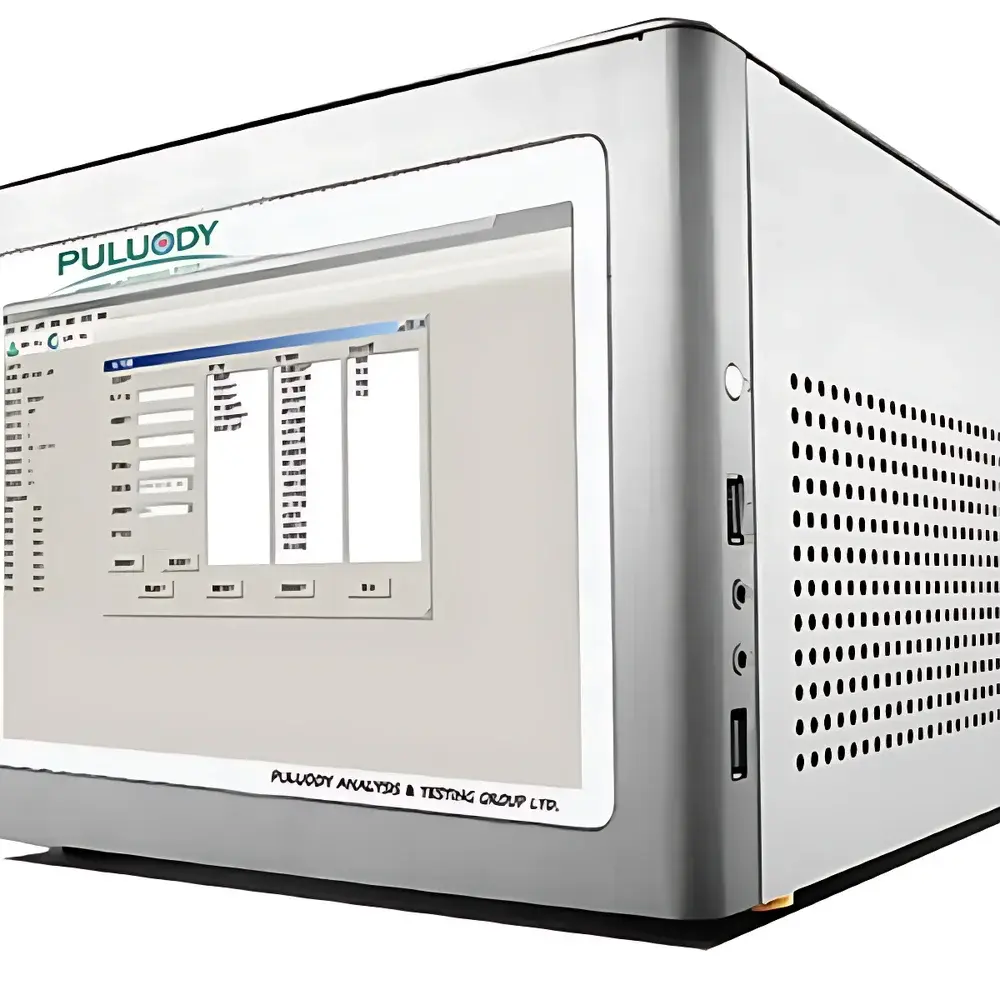
Kimball Physics provides a LabVIEW-based control suite (Windows-compatible, 64-bit) that enables full parameter orchestration: acceleration voltage, filament current, Wehnelt bias, deflection voltages, blanking timing, and pulse sequencing. The software includes built-in calibration routines for beam current measurement (via integrated picoammeter circuitry) and spot size estimation using knife-edge or fluorescent screen imaging protocols. All operational parameters and timestamps are logged in HDF5 format, ensuring compatibility with Python (h5py), MATLAB, and third-party data reduction pipelines. For regulated environments, optional firmware extensions support 21 CFR Part 11-compliant user authentication, electronic signatures, and immutable audit trails—including session start/stop records, parameter change logs, and hardware fault events.
Applications
- Charge neutralization in XPS, AES, and SEM sample chambers to mitigate surface charging on non-conductive specimens
- Electron-stimulated desorption (ESD) studies of adsorbates on catalytic surfaces under controlled UHV conditions
- In situ irradiation testing of radiation-hardened electronics and optical coatings
- Beam-induced current (EBIC) mapping in semiconductor defect analysis
- Calibration reference source for electron energy analyzers and retarding field analyzers
- Spacecraft charging simulation and mitigation system development for LEO/GEO missions
FAQ
What vacuum level is required for optimal operation?
Operation requires a base pressure ≤5×10⁻⁷ Torr for standard LaB₆ cathodes and ≤1×10⁻⁸ Torr for extended lifetime with tungsten filaments. Bake-out compatibility up to 150°C is supported.
Can the EMG-4212 be retrofitted with high-current optics?
No—the EMG-4212 and EGPS-3212 are mechanically and electrically distinct platforms. High-current performance requires the EGPS-3212’s reinforced anode structure and enhanced cooling design.
Is remote operation supported over Ethernet or RS-232?
Yes—both models include isolated RS-232 and USB-C interfaces; Ethernet connectivity (TCP/IP) is available via optional interface module for integration into facility-wide control networks.
How is beam current calibrated and verified?
Each unit ships with a NIST-traceable calibration certificate for beam current at three representative energies (5 keV, 10 keV, 15 keV) and two current levels per energy. In-house verification is performed using a certified Faraday cup and Keithley 6485 picoammeter.
Are custom flange configurations or differential pumping options available?
Yes—Kimball Physics offers engineering consultation for non-standard port geometries, differential pumping sleeves, and radiation-shielded housings upon request.