
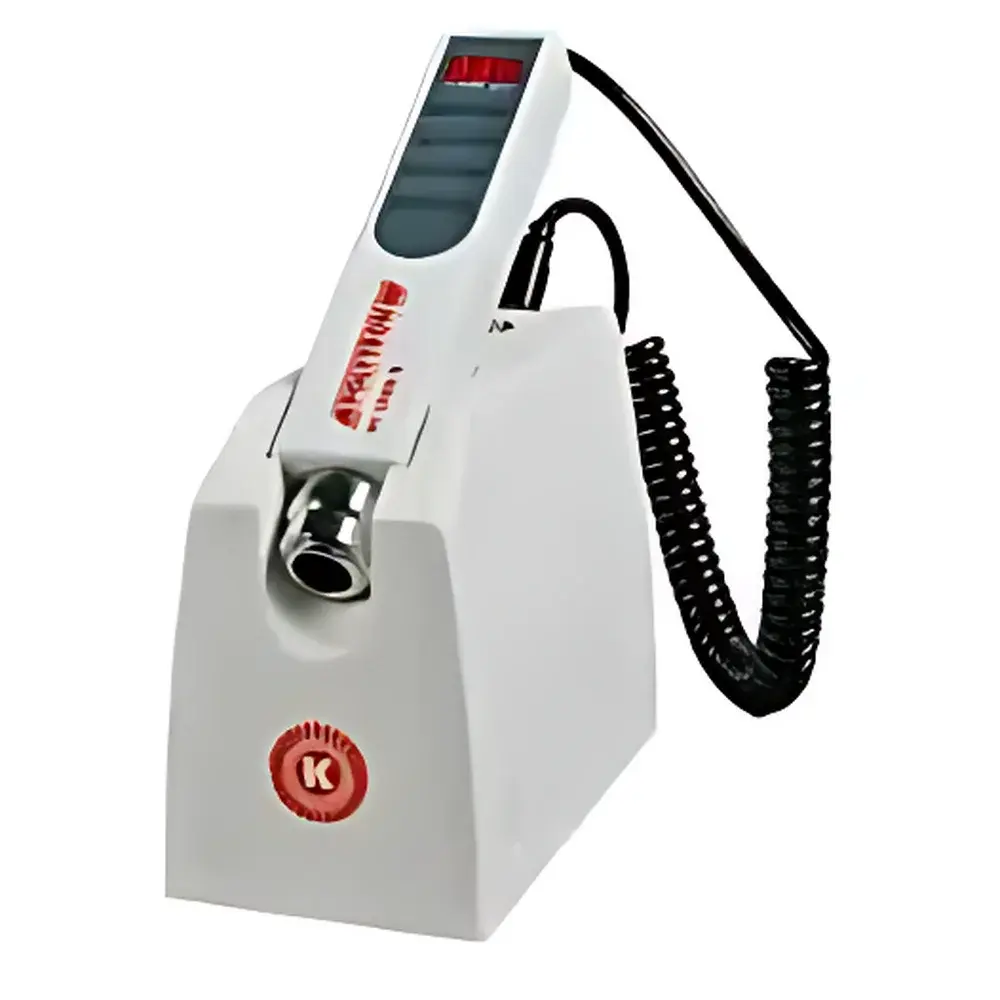
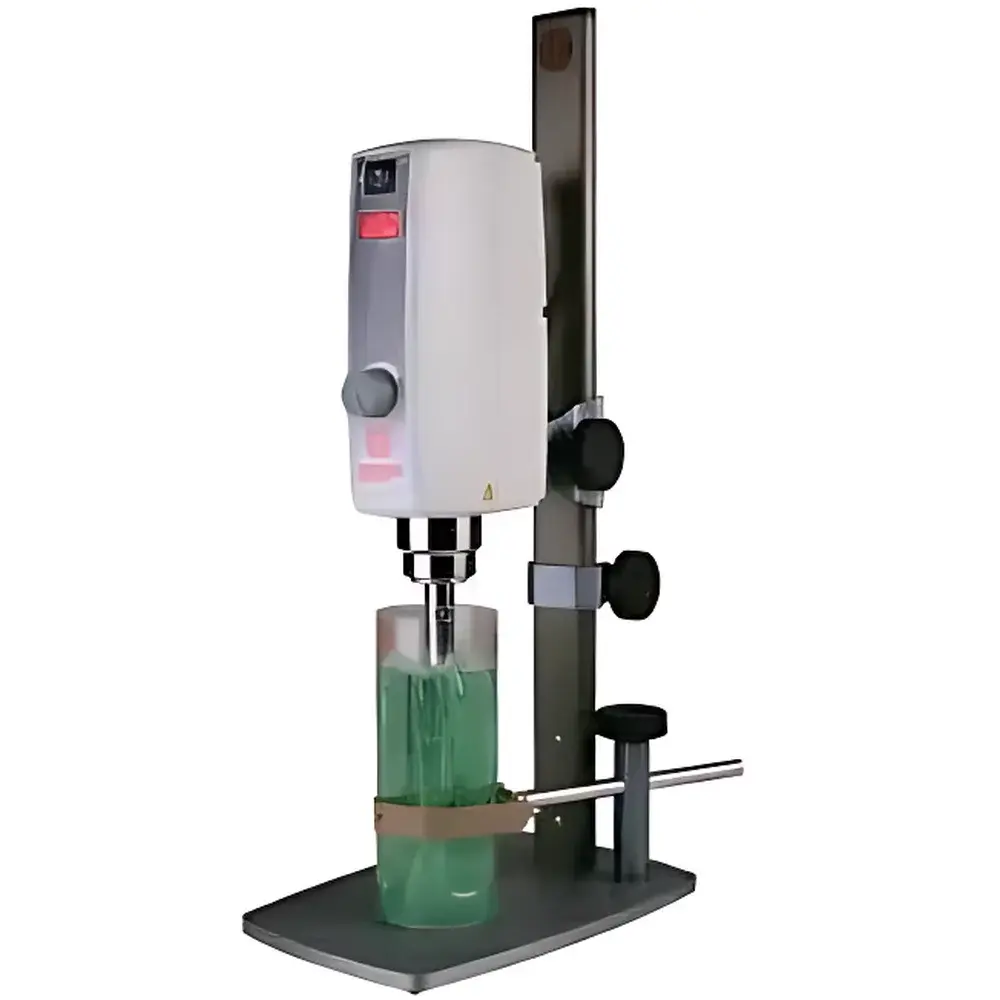
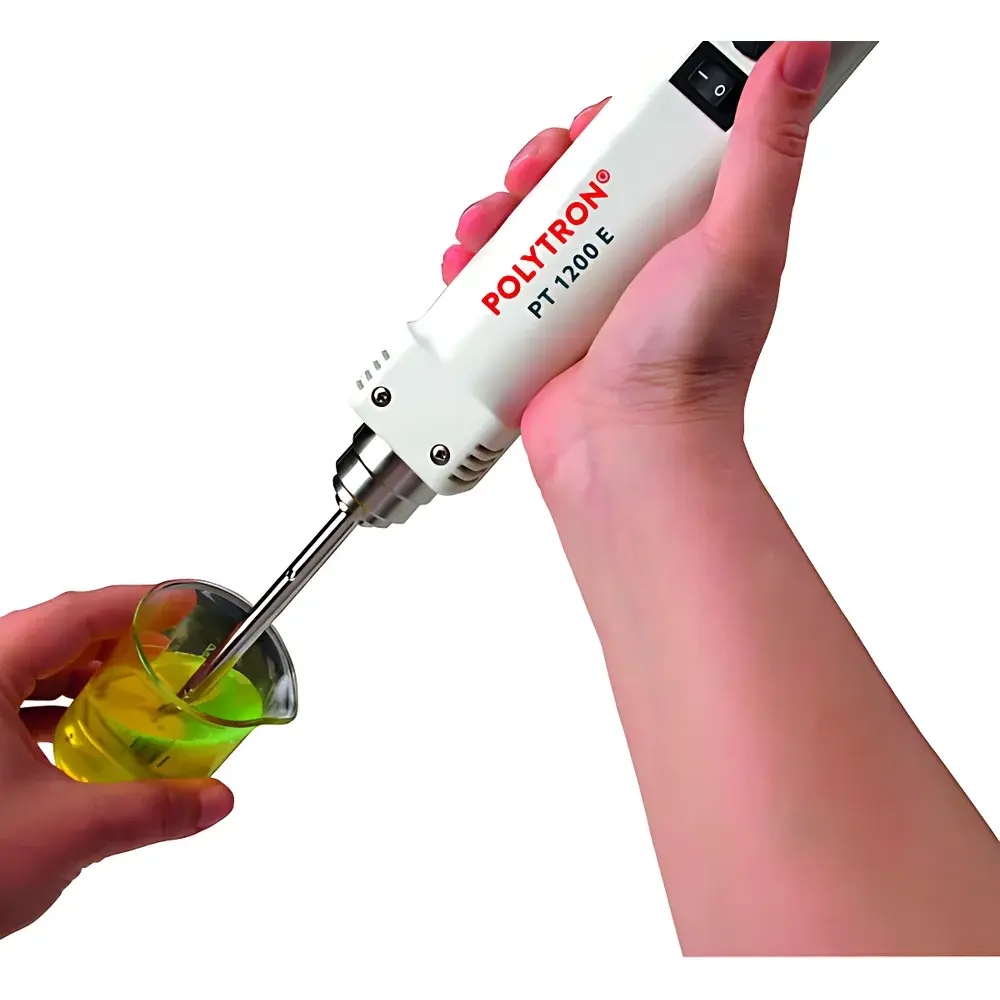
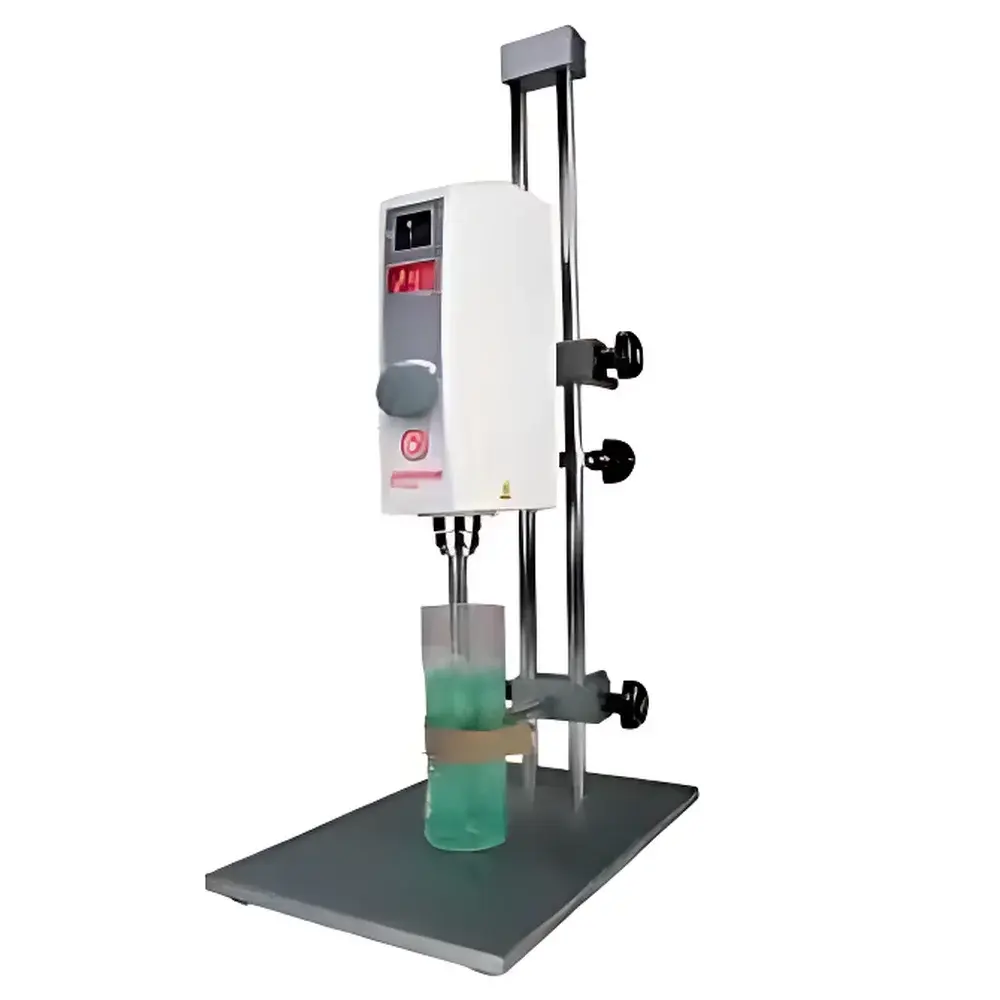
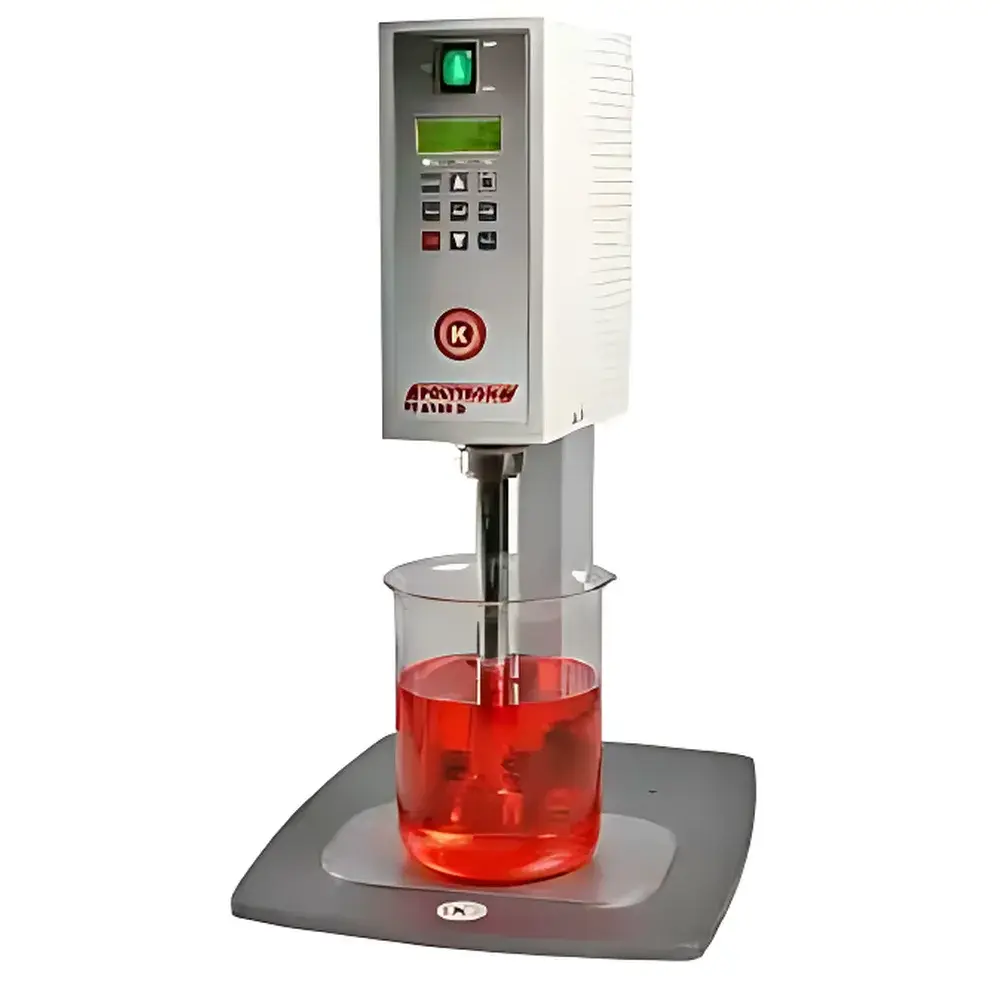
Kinematica POLYTRON PT4000 High-Performance Probe-Type Homogenizer
| Brand | Kinematica |
|---|---|
| Origin | Switzerland |
| Instrument Type | Probe-Type Rotor-Stator Homogenizer |
| Maximum Processing Volume | 0.05–2,000 mL |
| Maximum Speed | 40,000 rpm |
| Motor Power | 500 W |
| Shaft Diameter Range | 3–25 mm |
| Standard Shaft Length | 50–170 mm |
| Interchangeable Dispersion Heads | >40 types (including E-, F-, C-, and ATEX-certified variants) |
| Compliance | CE, RoHS, ISO 9001-manufactured |
| Drive Interface | Analog + Digital (RS-232/USB optional) |
Overview
The Kinematica POLYTRON PT4000 is a high-precision, probe-type rotor-stator homogenizer engineered for reproducible mechanical dispersion, emulsification, cell lysis, and particle size reduction in laboratory-scale applications. Operating on the principle of intense hydrodynamic shear generated between a rapidly rotating rotor and a fixed stator, the PT4000 delivers controlled energy input across a wide dynamic range—from low-viscosity aqueous solutions to moderately viscous suspensions and soft tissue homogenates. Its design adheres to fundamental fluid mechanics constraints governing turbulent shear rate (γ̇ ≈ ω·r/δ), where angular velocity (ω), rotor radius (r), and stator-rotor gap (δ) are precisely maintained to ensure consistent energy dissipation per unit mass. This enables reliable scale-down correlation from benchtop development to pilot or production processes—particularly critical in pharmaceutical formulation, bioprocessing, nanomaterial synthesis, and food R&D.
Key Features
- Robust 500 W brushless DC motor with electronic speed control, delivering stable torque up to 40,000 rpm with <±0.5% speed regulation accuracy under load
- Modular drive unit compatible with all Kinematica PT-series dispersion heads—including E-type (quick-release, autoclavable), F-type (high-shear, dual-stage), and C-type (CIP-ready, pressure-rated)
- Integrated digital display with real-time rpm readout, programmable start/stop, and overload protection circuitry
- Tool-free dispersion head coupling mechanism compliant with ISO 8573-1 cleanability requirements; full disassembly achievable in <15 seconds without tools
- Stainless steel (1.4404/316L) wetted parts certified for repeated sterilization via autoclaving (134 °C, 3 bar), chemical disinfection (e.g., 2% glutaraldehyde), and validated CIP cycles
- Optional RS-232 or USB interface supports integration into LIMS environments and enables time-stamped data logging per FDA 21 CFR Part 11 Annex 11 audit trail requirements
Sample Compatibility & Compliance
The PT4000 accommodates sample volumes from 50 µL to 2 L across diverse matrices—including mammalian cell suspensions (HEK293, CHO), bacterial cultures (E. coli lysates), plant tissue extracts, polymer emulsions, ceramic slurries, and lipid nanoparticle precursors. Its rotor-stator geometry minimizes foaming in protein-rich media while maintaining >95% recovery of sub-micron particles post-processing (verified by laser diffraction per ISO 13320). All dispersion heads conform to EC Machinery Directive 2006/42/EC and carry CE marking. For regulated environments, the system supports GLP-compliant operation through configurable user access levels, electronic signature workflows, and immutable parameter history logs. Optional ATEX-certified heads (II 2G T3 X) are available for use in Zone 1 hazardous areas per IEC 60079-0.
Software & Data Management
When paired with Kinematica’s optional PolySoft™ Control Suite (v4.2+), the PT4000 enables protocol-driven operation with up to 99 programmable methods—each defining target rpm, ramp time, dwell duration, and pulse sequence. Software enforces role-based permissions (Administrator, Technician, Viewer), captures metadata (operator ID, timestamp, ambient temperature, batch ID), and exports CSV/Excel reports compliant with ALCOA+ principles. Raw speed and current data are logged at 10 Hz resolution, supporting post-hoc analysis of power consumption trends correlated with viscosity changes during processing. Audit trails meet FDA 21 CFR Part 11 requirements for electronic records and signatures, including automated hash verification and tamper-evident archiving.
Applications
- Biopharmaceutical: Nuclear extraction, organelle isolation, mRNA-LNP formulation, viral vector disruption
- Materials Science: Carbon nanotube dispersion in epoxy resins, TiO₂ nanoparticle deagglomeration, graphene oxide exfoliation
- Food & Agriculture: Homogenization of dairy emulsions, microbial cell wall disruption for enzyme release, botanical extract standardization
- Environmental: Soil slurry homogenization for PAH extraction, microplastic suspension preparation for filtration studies
- Academic Research: Reproducible shear stress application in mechanobiology assays, controlled crystallization seeding protocols
FAQ
What dispersion head types are compatible with the PT4000?
The PT4000 accepts all E-, F-, and C-series dispersion heads with shaft diameters from 3 mm to 25 mm and lengths from 50 mm to 170 mm—including high-efficiency E12, tissue-specific F15, and CIP-optimized C20 models.
Can the PT4000 be used under vacuum or pressure?
Yes—when equipped with C-series dispersion heads and optional mechanical seal kits, the system operates safely at pressures up to 6 bar(g) or vacuum down to 50 mbar(abs), validated per ISO 2852 and ASME BPE-2022.
Is validation documentation available for GMP environments?
Kinematica provides IQ/OQ templates, material certificates (EN 10204 3.1), and calibration records traceable to NIST standards; PQ support is offered via qualified third-party service partners.
How does the PT4000 compare to ultrasonic homogenizers for cell lysis?
Unlike ultrasonic systems, the PT4000 avoids localized thermal hotspots and free radical generation, preserving labile proteins and nucleic acids—validated by comparative SDS-PAGE and qPCR yield assays.
What maintenance intervals are recommended?
Motor bearing inspection every 2,000 operating hours; stator wear assessment after 500 cycles with abrasive samples; full drive unit recalibration annually or after impact events.



