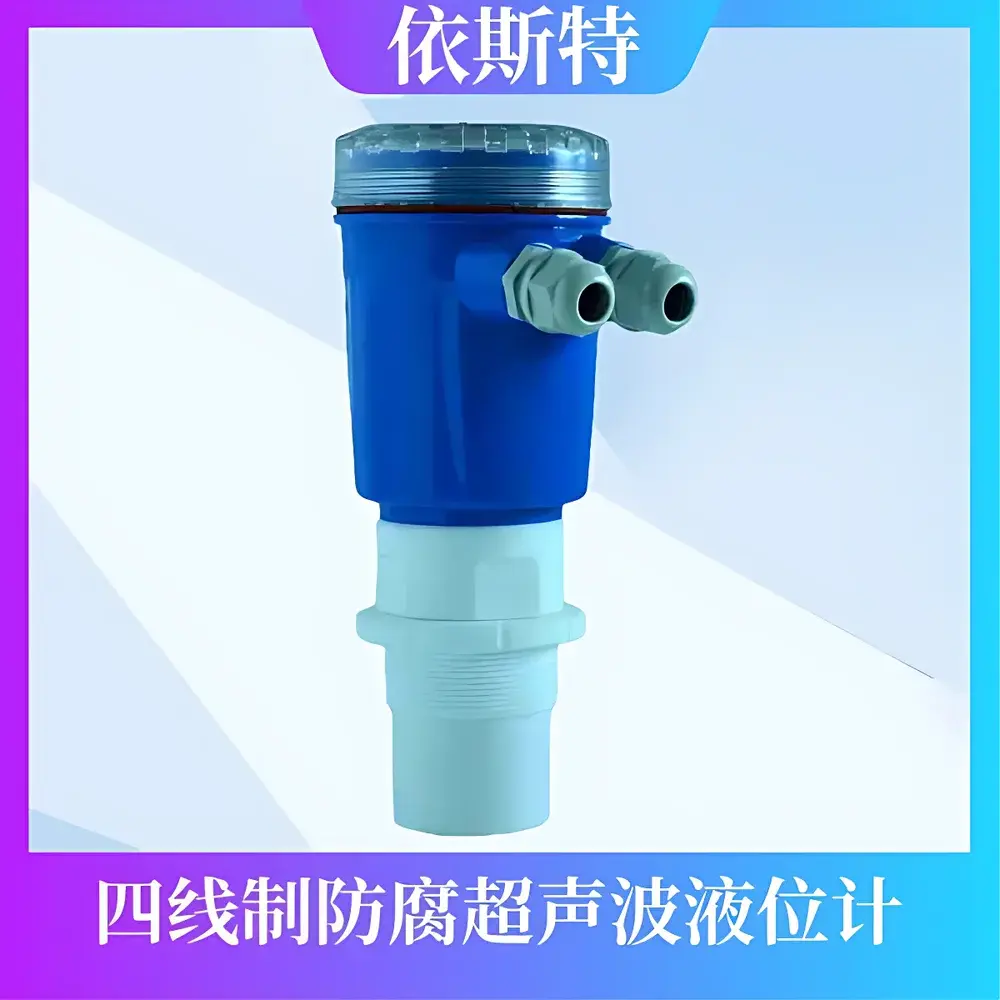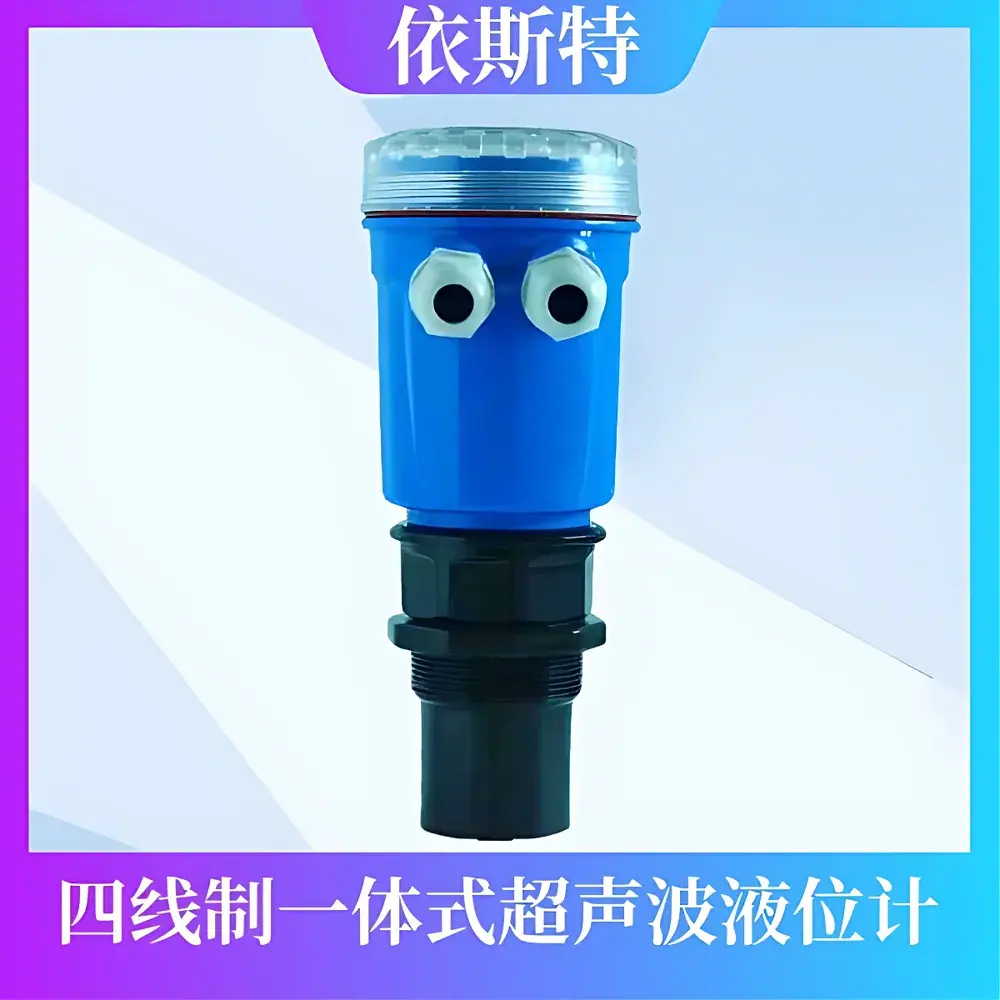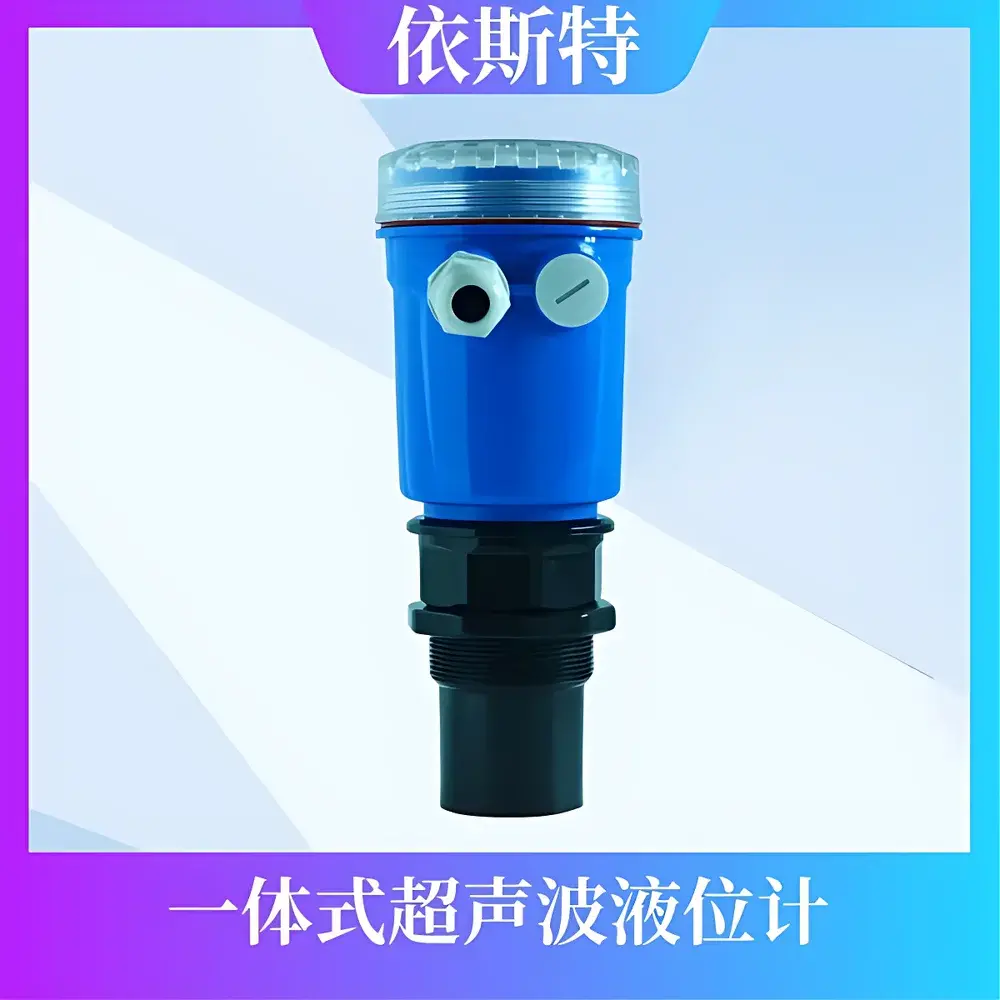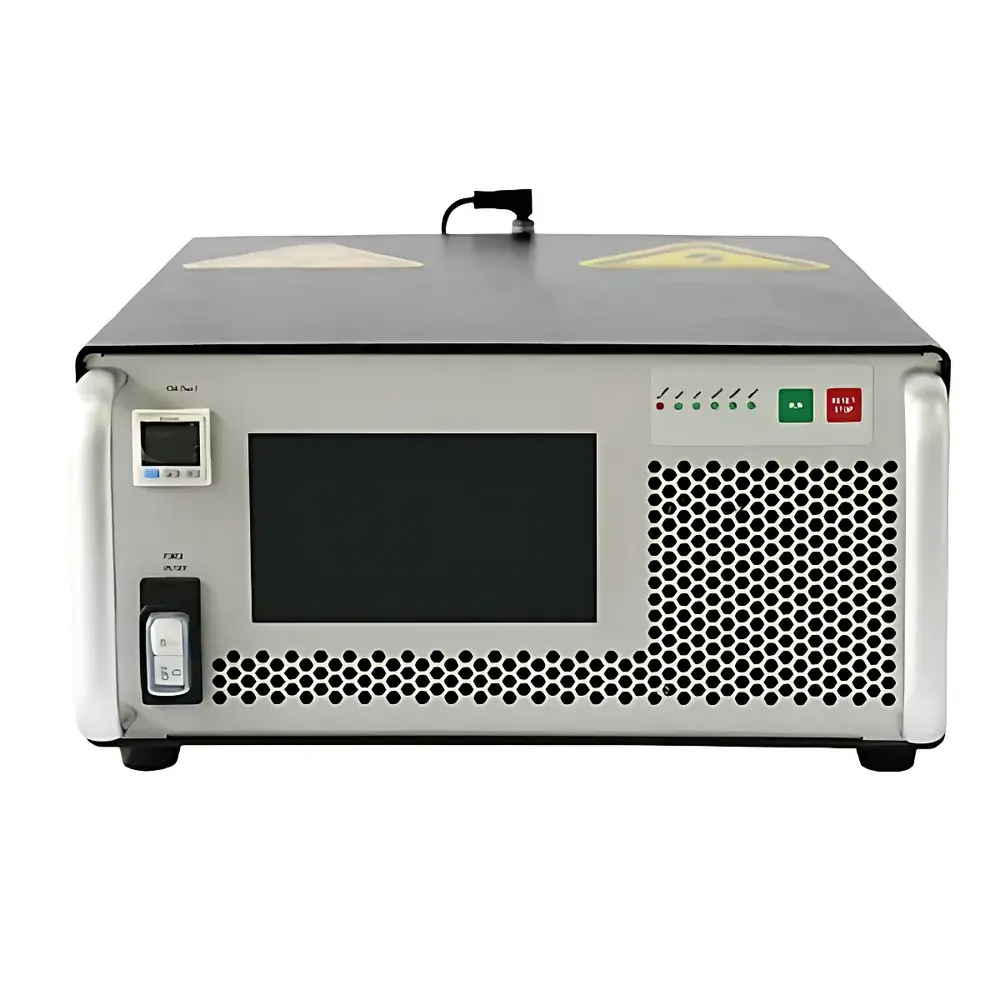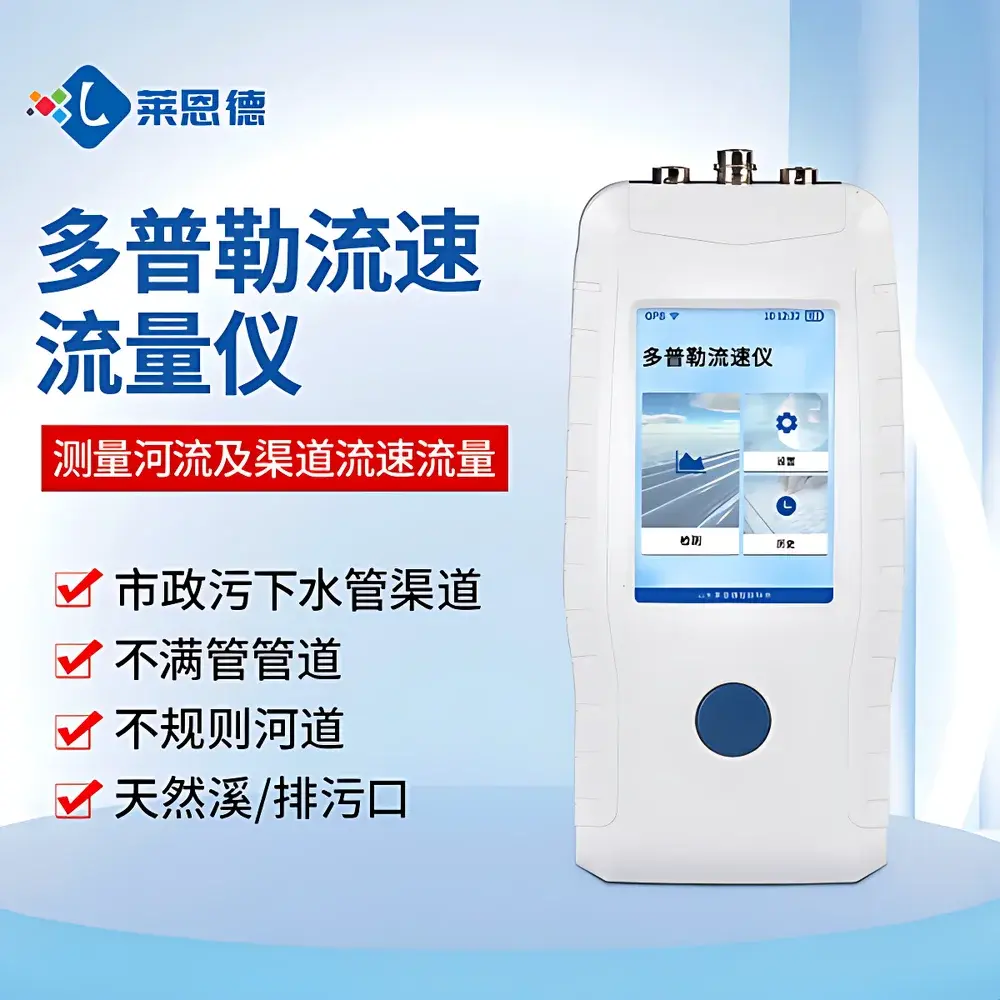
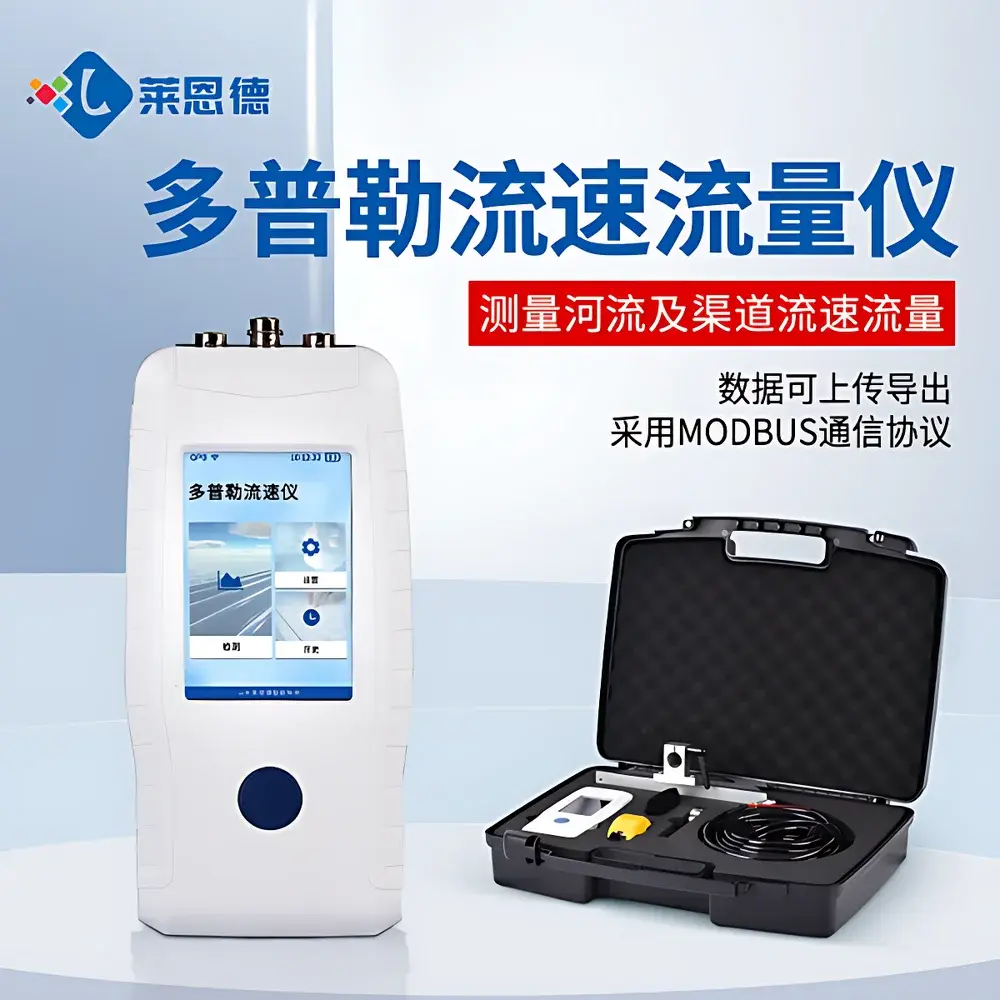
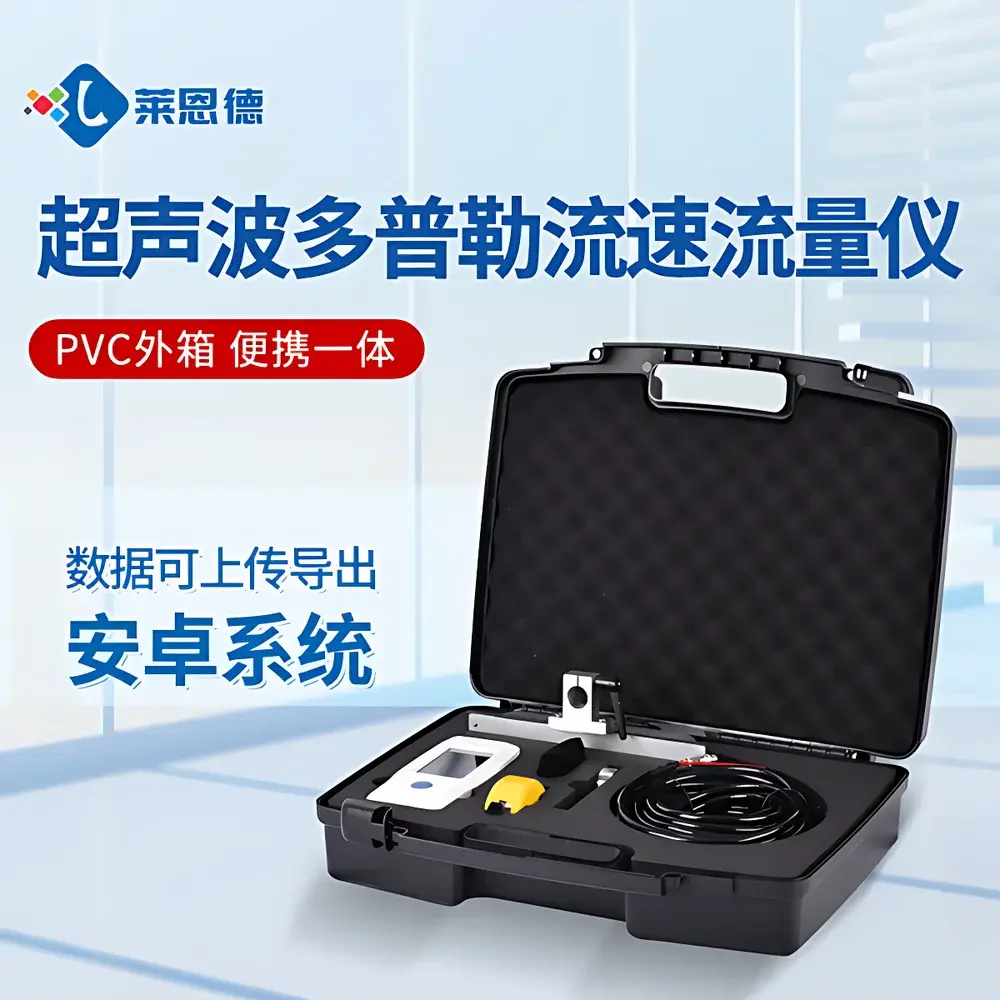
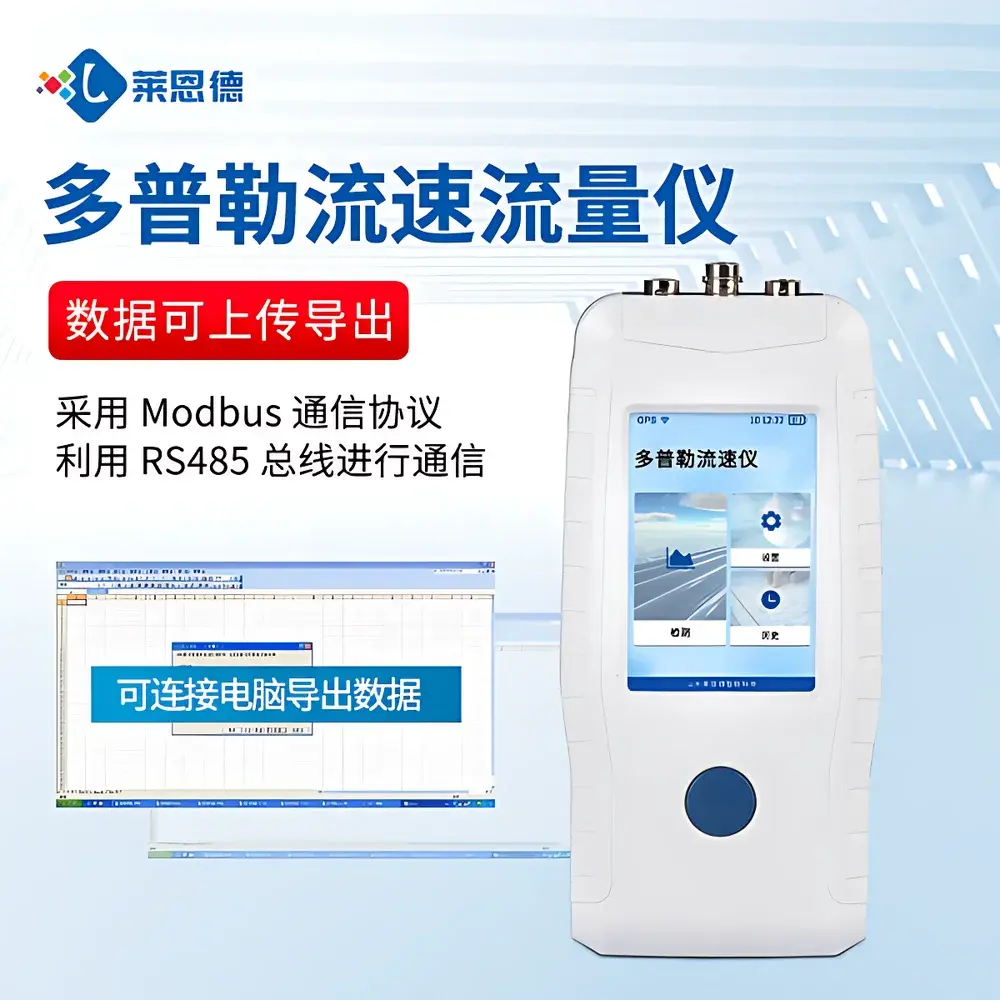
LANENDE LD-D150 Portable Doppler Ultrasonic Flow Velocity and Flow Rate Meter
| Brand | LANENDE |
|---|---|
| Model | LD-D150 |
| Measurement Principle | Doppler ultrasonic velocity profiling |
| Communication Protocol | Modbus RTU over RS485 |
| Power Supply | Wide-range DC input (12–24 VDC) |
| Housing Material | PVC, IP68-rated |
| Dimensions | 250 × 70 × 30 mm (L × W × H) |
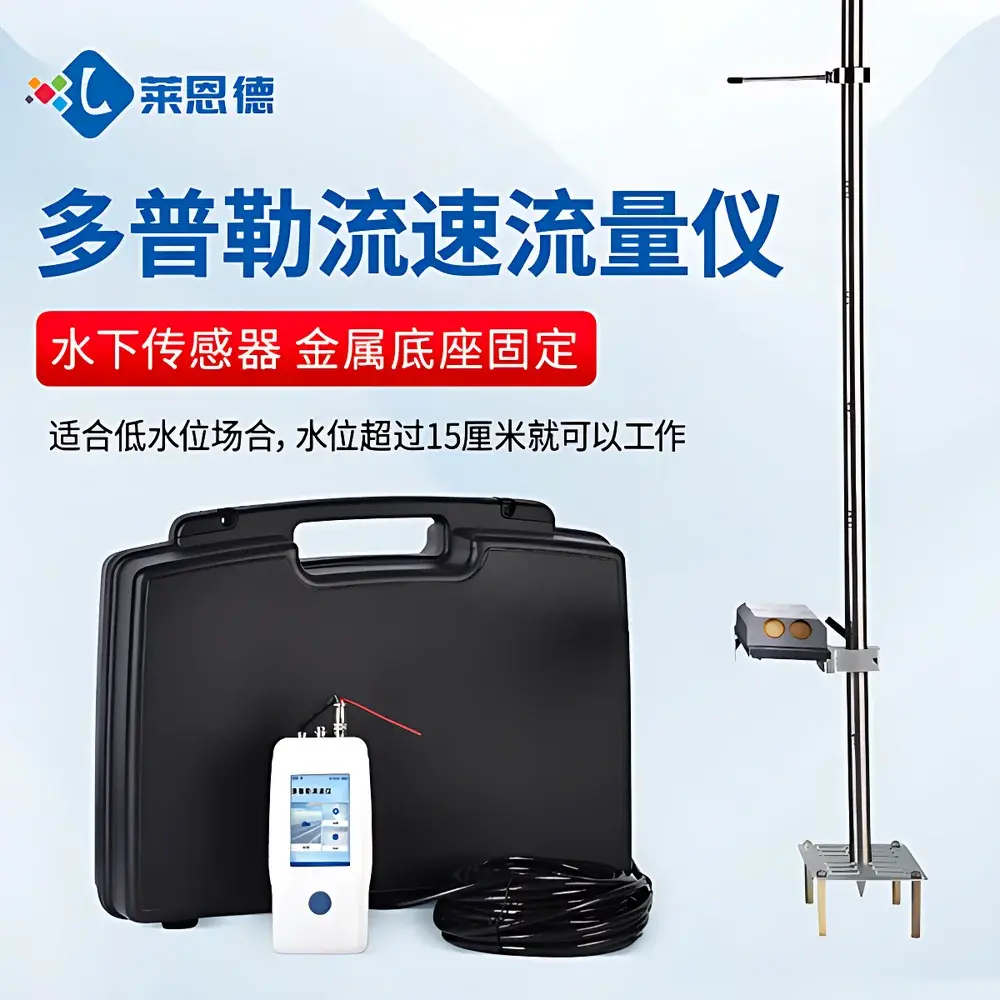
| Minimum Operational Water Depth | ≥15 cm |
| Sensor Type | Submersible dual-sensor module (ultrasonic transducer + piezoresistive pressure sensor + NTC temperature sensor) |
| Output | Real-time velocity (m/s), water depth (m), temperature (°C), and calculated flow rate (m³/h or m³/d) |
| Installation | Fixed-mount via stainless-steel base plate |
| Compliance | Designed for field-deployable hydrometric monitoring in open channels and large-diameter conduits |
Overview
The LANENDE LD-D150 Portable Doppler Ultrasonic Flow Velocity and Flow Rate Meter is an integrated, submersible hydrometric instrument engineered for non-intrusive, real-time measurement of water velocity, depth, and temperature in open channels, stormwater conduits, irrigation canals, and municipal sewer systems. It operates on the physical principle of the Doppler effect: high-frequency ultrasonic pulses (typically 1 MHz) emitted into the water column are scattered by suspended particles or microbubbles moving with the flow. The frequency shift between transmitted and reflected signals—proportional to the axial component of particle velocity—is detected and converted into point velocity data. Combined with simultaneous hydrostatic pressure-derived water depth and thermistor-based temperature compensation, the device computes volumetric flow rate using established hydraulic cross-sectional area algorithms. Its compact, fully sealed PVC housing (IP68 rated) enables deployment in shallow-flow environments where minimum water depth is as low as 15 cm—making it particularly suitable for low-head irrigation ditches, intermittent urban storm drains, and seasonal river gauging stations.
Key Features
- Submersible dual-sensor architecture integrating a Doppler ultrasonic transducer, piezoresistive pressure sensor, and NTC temperature sensor in a single ruggedized probe
- Modbus RTU communication protocol over industrial-grade RS485 interface, enabling seamless integration into SCADA, PLC, and telemetry networks
- Wide-input DC power range (12–24 VDC) with ultra-low standby current consumption (<15 mA), supporting solar-battery or mains-powered remote installations
- Mechanically passive design—no moving parts, no calibration drift from mechanical wear, and immunity to sediment clogging or biofouling under typical field conditions
- Stainless-steel mounting base with adjustable leveling feet ensures stable orientation and consistent acoustic coupling in variable-bed channels
- Real-time output of instantaneous velocity (m/s), water level (m), temperature (°C), and derived flow rate (m³/h or m³/d), all timestamped and linearly compensated
Sample Compatibility & Compliance
The LD-D150 is validated for use in natural and engineered water bodies containing sufficient acoustic scatterers—such as suspended silt, clay, organic particulates, or entrained air bubbles—to generate measurable Doppler shifts. It performs reliably across turbidity ranges from 10 NTU to >1000 NTU and has been field-tested in waters ranging from potable supply (low TSS) to黄河 (Yellow River) sediment-laden flows (>20 g/L). While not certified to ISO 7145 or ISO 4064 for custody-transfer applications, its measurement methodology aligns with ASTM D5942 (Standard Guide for Acoustic Doppler Velocity Profilers) and supports data collection compliant with USGS NWIS, EPA NPDES monitoring protocols, and national hydrological survey standards. The device meets CE electromagnetic compatibility (EMC) requirements and carries RoHS-compliant material declarations.
Software & Data Management
The LD-D150 outputs raw and processed parameters via ASCII or binary Modbus registers, allowing direct ingestion into industry-standard data loggers (e.g., Campbell Scientific CR1000X, Onset HOBO U30) or cloud-based platforms (e.g., ThingSpeak, Ignition SCADA). Optional configuration software provides parameter setup (sampling interval, averaging window, unit selection), firmware updates, and diagnostic logging—including signal-to-noise ratio (SNR) diagnostics and echo amplitude trend analysis. All data records include embedded timestamps and sensor health flags, supporting audit-ready documentation per GLP-aligned field monitoring workflows. While the meter itself does not store historical data onboard, its deterministic output structure facilitates automated validation, gap detection, and QA/QC flagging in downstream analytics pipelines.
Applications
- Real-time irrigation scheduling and canal flow balancing in agricultural water districts
- Urban stormwater runoff quantification and CSO (combined sewer overflow) event monitoring
- Wastewater treatment plant influent/effluent flow verification and pump station optimization
- Low-flow hydrological studies in ephemeral streams and seasonal wetlands
- Leak detection and flow balance auditing in distribution networks with accessible gravity-fed sections
- Environmental compliance reporting for discharge permits requiring continuous flow records
FAQ
What is the minimum detectable flow velocity?
The LD-D150 achieves reliable velocity resolution down to 0.02 m/s under optimal scattering conditions (≥50 ppm suspended solids, SNR > 12 dB).
Can it be used in pressurized pipes?
No—it is designed exclusively for free-surface (open-channel) or partially filled conduit applications; full-pipe operation requires a different transducer geometry and pressure rating.
Does it require periodic recalibration?
No field recalibration is required; factory calibration is traceable to NIST-traceable flow standards, and long-term stability is verified per IEC 61290-1-2 procedures.
How is temperature compensation applied?
The integrated NTC thermistor measures water temperature in real time and dynamically adjusts both sound speed calculation and pressure sensor zero-offset to maintain depth accuracy across 0–40 °C.
Is the device compatible with LoRaWAN or NB-IoT gateways?
Not natively—but when paired with a Modbus-to-LoRaWAN protocol converter (e.g., Multitech mCard or Dragino LPS8), it supports wireless telemetry in remote deployments.
Related Products