
Large Environmental Test Chamber – High-Low Temperature Cycling Chamber
| Brand | OEM / Custom-Built |
|---|---|
| Origin | Imported |
| Manufacturer Type | Authorized Distributor |
| Price Reference | USD 3,100 (ex-works, subject to configuration and certification requirements) |
| Compliance | GB/T 5170.2–1996, GB/T 10592–2008, GB/T 2423.2–2008 (IEC 60068-2-2), GJB 150.3A–2009, GJB 150.4A–2009, MIL-STD-810H |
Overview
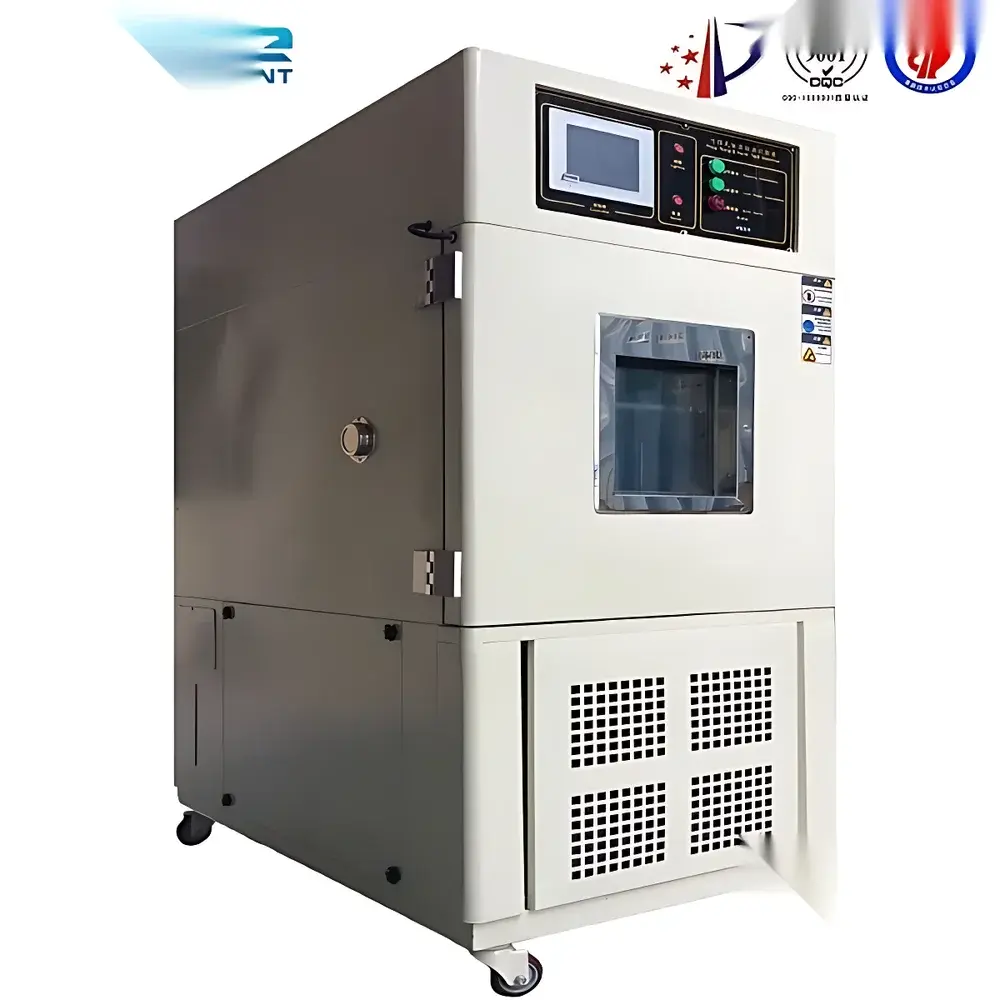
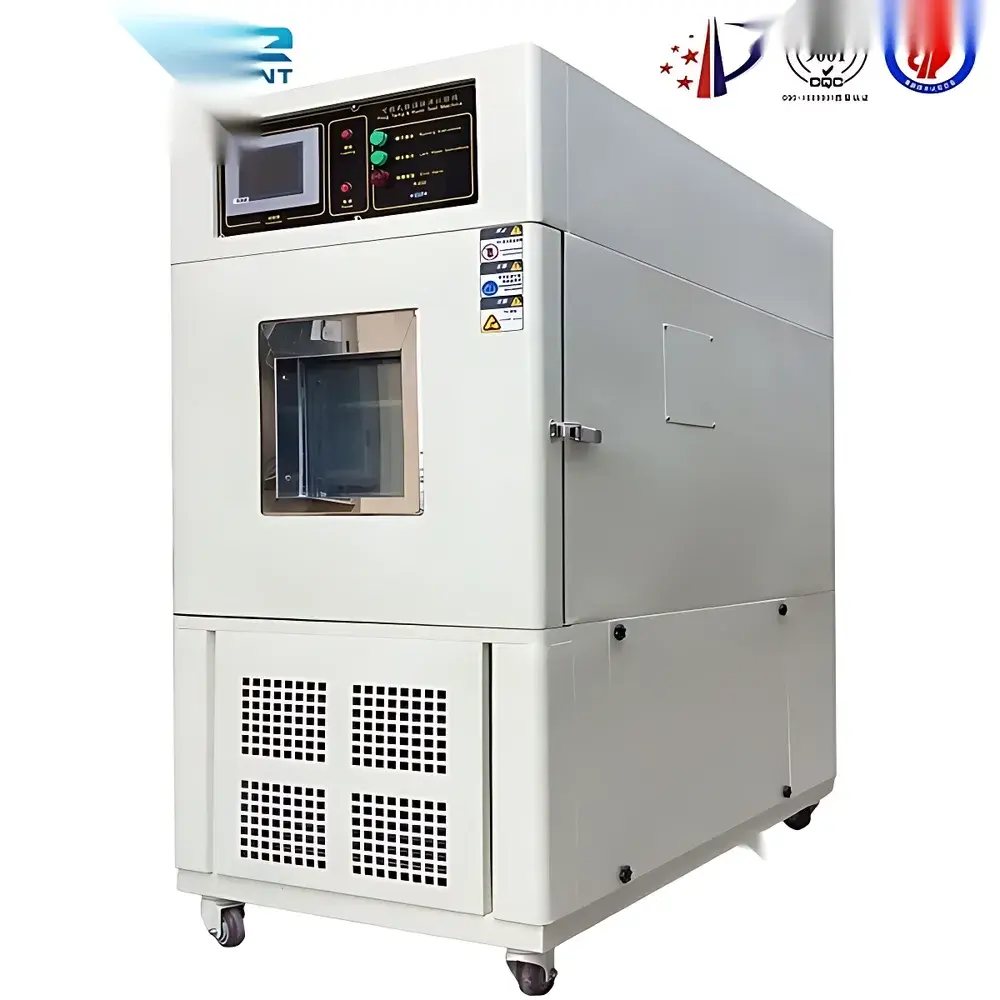
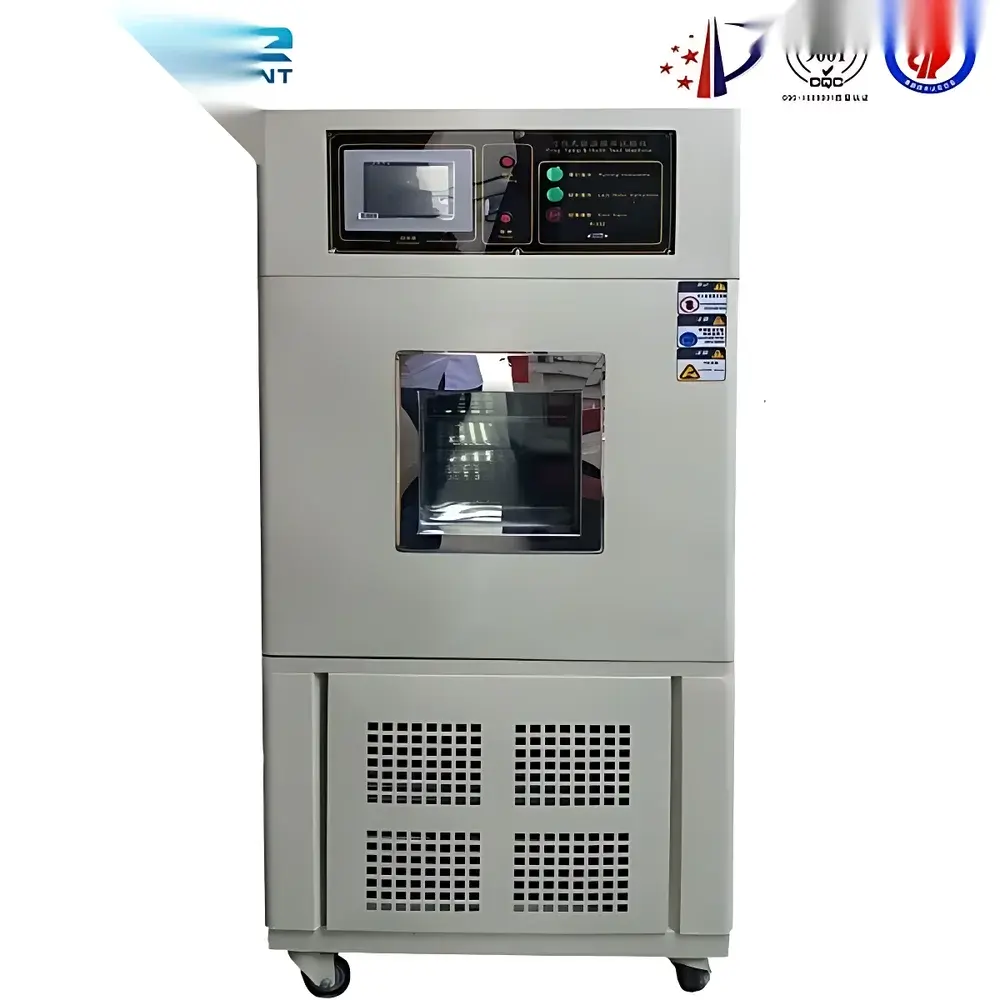
The Large Environmental Test Chamber – High-Low Temperature Cycling Chamber is an engineered thermal stress testing system designed for validating the operational integrity, material stability, and functional reliability of industrial components, electronic assemblies, automotive modules, and aerospace subsystems under controlled extreme temperature conditions. Based on forced-air convection with dual-zone refrigeration-heating architecture, the chamber maintains precise thermal gradients across wide operating ranges—typically spanning –70 °C to +180 °C (configurable per IEC 60068-2-1/2 compliance). Its structural design follows ISO 17025-aligned metrological principles, ensuring traceable temperature uniformity (±1.5 °C at 100 L/min airflow) and stability (±0.3 °C over 2-hour dwell periods) within the working volume. The unit is intended for laboratory, QA/QC, and R&D environments where repeatable environmental simulation—aligned with international qualification protocols—is essential.
Key Features
- Monocoque stainless-steel inner chamber with seamless welded corners and electropolished surface finish for corrosion resistance and cleanroom-compatible operation.
- High-efficiency dual-stage cascade refrigeration system with environmentally compliant R-404A/R-23 refrigerant blend, enabling rapid cooling rates up to 3 °C/min (from 25 °C to –40 °C).
- Intelligent PID-controlled heating via high-density NiCr alloy sheathed heaters, delivering fine-grained thermal ramp control and minimal overshoot.
- Integrated anti-condensation window system featuring Philips LED lighting and embedded resistive defogging film for unobstructed real-time visual monitoring during extended thermal cycles.
- Load power feedthrough capability (up to 3× 20 A, 250 V AC) with isolated grounding and EMI-filtered terminals—enabling in-situ powered device-under-test (DUT) evaluation under thermal stress.
- Structural vibration isolation via precision-engineered elastomeric anti-seismic pads, reducing operational noise to ≤62 dB(A) at 1 m distance and suppressing transmission-induced measurement drift.
Sample Compatibility & Compliance
The chamber accommodates test specimens up to 1,500 mm (W) × 1,200 mm (D) × 1,800 mm (H), with customizable internal shelving and cable ports (Φ50 mm, sealed with silicone grommets). It meets the dimensional, thermal, and safety requirements specified in GB/T 10592–2008 (General Technical Conditions for High/Low Temperature Test Chambers), GB/T 5170.2–1996 (Verification Methods for Temperature Testing Equipment), and MIL-STD-810H Method 501.7/502.7 (High/Low Temperature Testing). All thermal profiles are validated using NIST-traceable Class A PT100 sensors mounted per IEC 60068-3-5. The system supports GLP/GMP-aligned validation documentation packages—including IQ/OQ protocols—and is compatible with third-party calibration services accredited to ISO/IEC 17025.
Software & Data Management
Equipped with a 7-inch capacitive touchscreen HMI running embedded Linux-based firmware, the controller offers multi-segment programmable profiles (up to 99 steps, 999 cycles), real-time data logging (1 Hz sampling), and USB export of CSV-formatted thermal history logs. Optional Ethernet connectivity enables integration into centralized LIMS or MES platforms via Modbus TCP or OPC UA. Audit trail functionality complies with FDA 21 CFR Part 11 requirements when paired with user-access controls, electronic signatures, and immutable log archiving. Data integrity is preserved through redundant non-volatile memory and automatic power-fail recovery.
Applications
- Thermal cycling qualification of PCBAs, battery packs, and sensor modules per AEC-Q200 and JEDEC JESD22-A104.
- Accelerated life testing of polymer seals, adhesives, and composite housings under alternating thermal loads.
- Environmental stress screening (ESS) for defense electronics per MIL-STD-883 Method 1010.8.
- Validation of thermal management systems in electric vehicle powertrain components.
- Stability assessment of pharmaceutical packaging and medical device enclosures under ICH Q1A(R2) climatic zone conditions.
FAQ
What temperature range is standard for this chamber?
Standard operational range is –70 °C to +180 °C; extended low-temperature options down to –85 °C are available upon request.
Does the chamber support humidity control?
No—this is a dry-thermal-only chamber. For combined temperature/humidity testing, refer to our TH-series Climatic Test Chambers.
Can it be integrated into an automated test cell?
Yes—RS-485, Modbus RTU, and optional Ethernet interfaces support SCADA-level integration with PLCs and test sequencers.
Is factory calibration included with delivery?
Yes—a full NIST-traceable calibration certificate covering temperature uniformity, stability, and controller accuracy is provided prior to shipment.
What maintenance intervals are recommended?
Compressor oil and filter replacement every 12 months; annual verification of sensor linearity and door seal integrity per GB/T 5170.2.



