
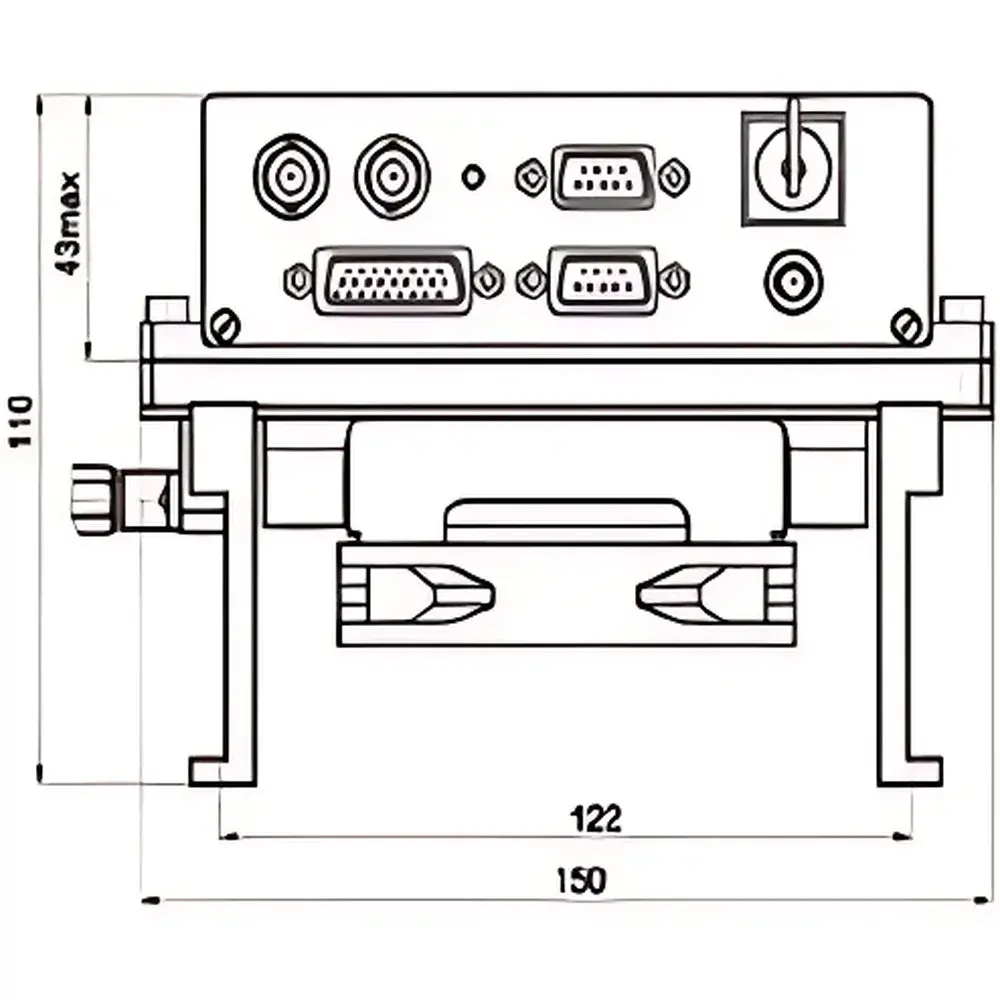
Laser-Export DTL Series Diode-Pumped Solid-State (DPSS) Lasers
| Brand | Laser-Export |
|---|---|
| Origin | Russia |
| Model | DTL Series |
| Wavelengths | 263 nm, 351 nm, 527 nm, 1053 nm |
| Output Modes | Q-switched pulsed |
| Repetition Rate | 0.01–100 kHz (adjustable) |
| Pulse Width | <5 ns to <170 ns (dependent on wavelength & repetition rate) |
| Average Power | >16 mW to >700 mW |
| Peak Power | >2 kW to >250 kW |
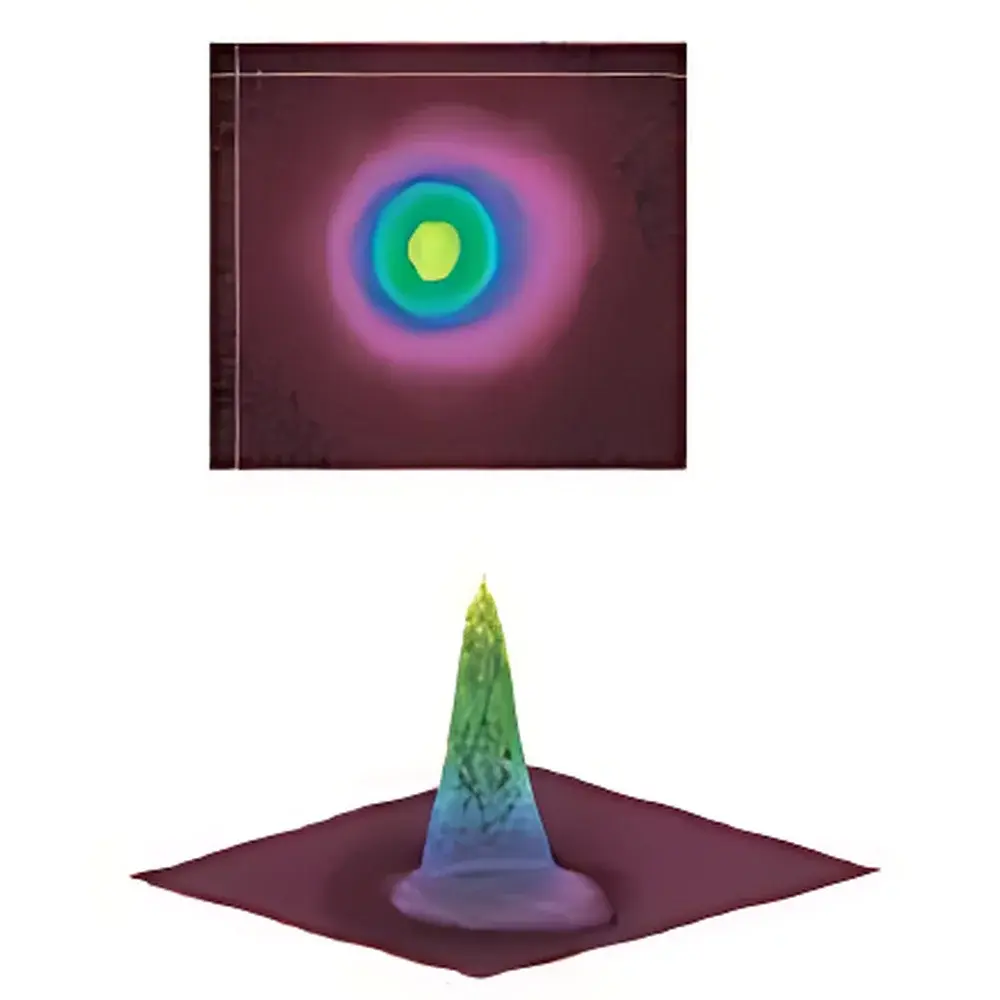
| Beam Mode | TEM₀₀ |
| Beam Diameter | 1.05–2.0 mm |
| Beam Divergence | 0.55–4.0 mrad |
| Polarization Ratio | >50:1 or >100:1 (vertical/horizontal) |
| Operating Temperature | 15–35 °C, RH <80% |
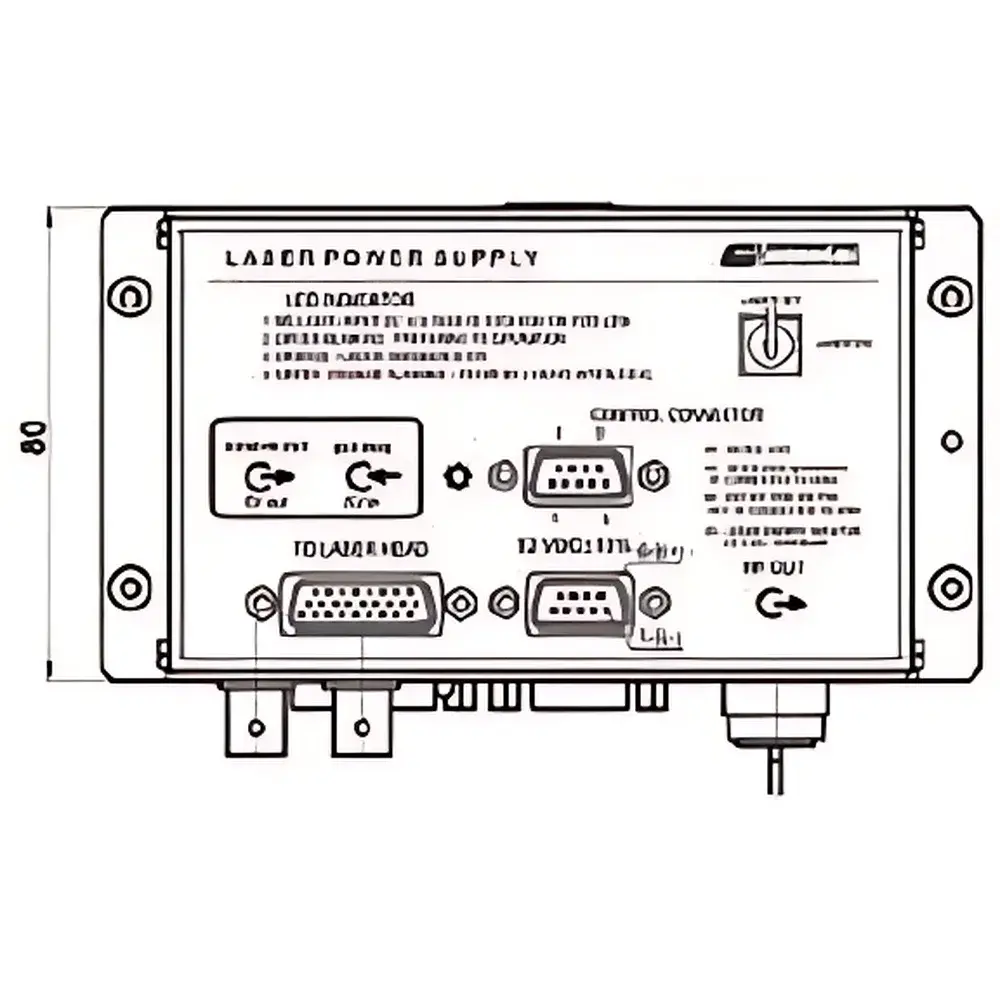
| Interface | RS-232 |
Overview
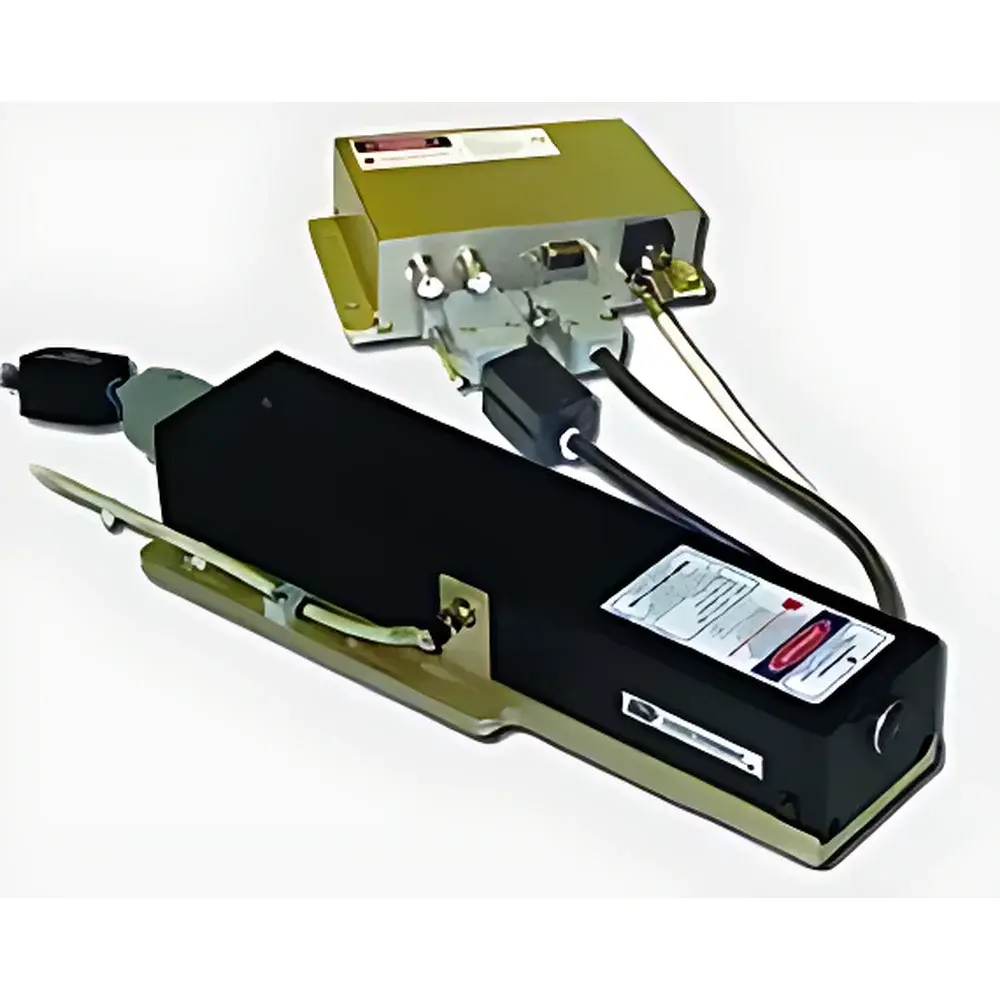
The Laser-Export DTL Series represents a family of compact, diode-pumped solid-state (DPSS) Q-switched lasers engineered for high-stability multi-wavelength operation across ultraviolet (UV), visible (VIS), and near-infrared (NIR) spectral regions. Based on intracavity frequency conversion of Nd:YAG or Nd:YVO₄ gain media, these lasers deliver precisely controlled nanosecond pulses with excellent beam quality (TEM₀₀), low divergence, and high polarization extinction ratios. Designed for integration into demanding optical measurement systems, the DTL platform supports both internal and external triggering, enabling synchronization with spectrometers, time-resolved detectors, or motion control subsystems. Its robust thermal management and hermetically sealed laser head architecture ensure long-term operational stability under continuous laboratory or industrial environmental conditions—making it suitable for applications requiring reproducible excitation sources with minimal drift over extended duty cycles.
Key Features
- Multi-wavelength capability: Simultaneous or selectable output at 263 nm (4th harmonic), 351 nm (3rd harmonic), 527 nm (2nd harmonic), and 1053 nm (fundamental)
- Q-switched pulse generation with adjustable repetition rates from 0.01 kHz to 100 kHz
- TEM₀₀ spatial mode with M² < 1.1, beam diameters ranging from 1.05 mm to 2.0 mm (± tolerance specified per model)
- Pulse widths scalable from <5 ns (at low rep-rate, UV) to <170 ns (at high rep-rate, IR), optimized per wavelength channel
- RS-232 serial interface for remote parameter control, status monitoring, and firmware updates
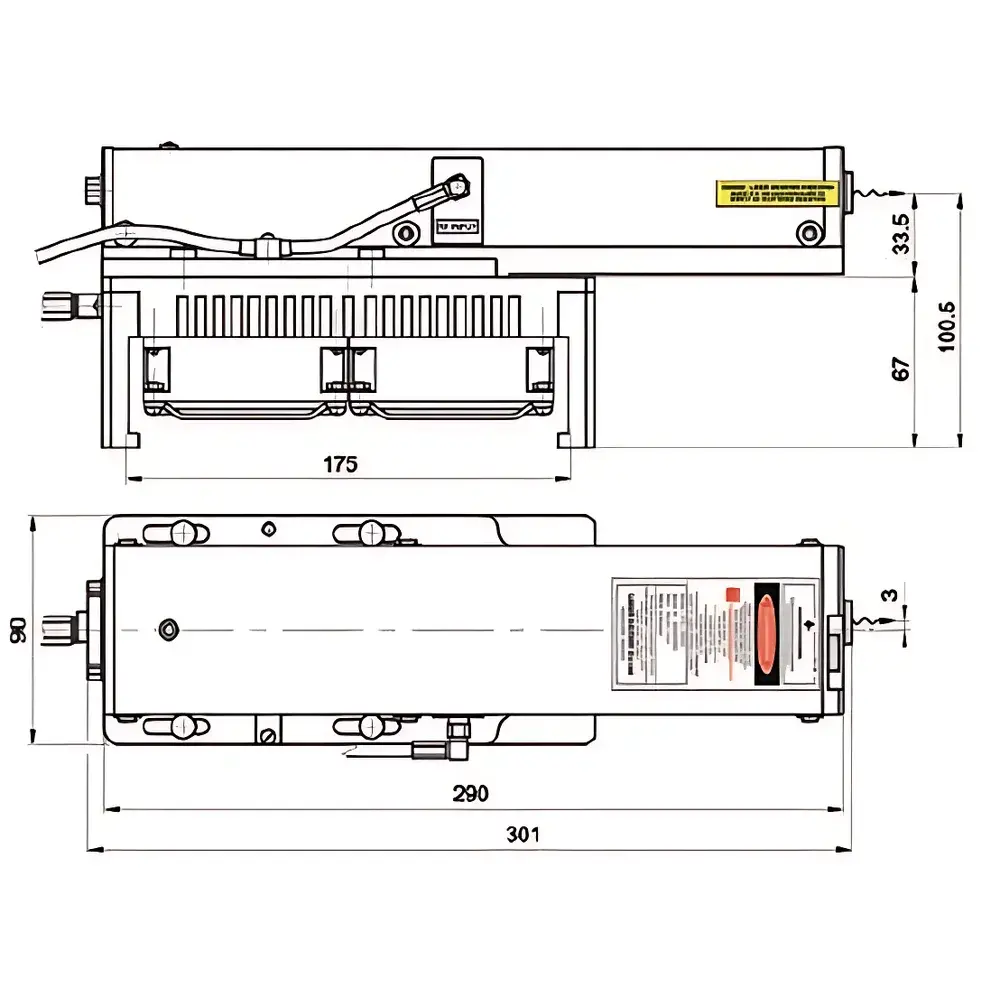
- Compact OEM-compatible form factor: laser head and power supply are physically separated for flexible system integration
- Thermally stabilized cavity design ensuring wavelength stability ≤ ±0.1 nm and power stability ≤ ±3% RMS over 8 hours
Sample Compatibility & Compliance
The DTL Series is compatible with standard optical tables, fiber-coupled delivery systems (via optional focusing optics or collimators), and vacuum-compatible sample chambers when equipped with appropriate beam windows. All models comply with IEC 60825-1:2014 Class 4 laser safety requirements; integrated interlock circuits support fail-safe shutdown in accordance with EN 61511 and ISO 13849-1. The laser control firmware implements non-volatile parameter storage and supports audit trail logging for GLP/GMP environments. While not pre-certified for FDA 21 CFR Part 11, the RS-232 interface enables integration with validated data acquisition platforms meeting electronic record integrity requirements.
Software & Data Management
Laser-Export provides a Windows-based configuration utility supporting real-time adjustment of repetition rate, trigger delay, pulse energy calibration offset, and operational mode (internal/external). The software logs timestamped operational parameters—including temperature readings from internal thermistors, diode current feedback, and Q-switch driver voltage—for post-acquisition correlation with experimental datasets. Export formats include CSV and XML, facilitating direct import into MATLAB, Python (via pandas), or LabVIEW environments. For automated workflows, a documented ASCII command protocol enables full control via custom scripts or third-party instrument controllers without proprietary runtime dependencies.
Applications
- Spectroscopic Excitation: Time-resolved fluorescence, Raman pump-probe, and laser-induced breakdown spectroscopy (LIBS) where narrow linewidth and precise temporal gating are critical
- Non-contact Metrology: Interferometric surface profiling, photoacoustic imaging, and laser Doppler vibrometry requiring stable, low-noise pulse trains
- Materials Characterization: UV/VIS/NIR photoluminescence mapping, ablation threshold studies, and two-photon absorption cross-section measurements
- Industrial Processing: Micromachining of polymers and thin-film patterning, especially where multi-wavelength processing sequences improve selectivity or reduce thermal load
- Quantum Optics Research: Pumping of optical parametric oscillators (OPOs), seeding of ultrafast amplifiers, and single-photon source excitation
FAQ
What safety certifications does the DTL Series hold?
All units meet IEC 60825-1:2014 Class 4 laser product requirements and incorporate hardware interlocks compliant with EN 61511 functional safety standards.
Can the DTL lasers be fiber-coupled?
Yes—optional collimation and coupling optics are available for FC/PC or SMA-905 interfaces; maximum coupled power depends on wavelength and NA matching.
Is remote firmware update supported?
Yes, via RS-232 using the provided utility; firmware version history and release notes are publicly accessible through Laser-Export’s technical support portal.
How is pulse-to-pulse energy stability characterized?
Measured as ≤ ±2.5% RMS over 10⁴ pulses at fixed rep-rate and ambient temperature; short-term jitter is <100 ps RMS (trigger-to-pulse edge).
Are OEM integration kits available?
Yes—mechanical mounting brackets, thermal interface pads, cable harnesses, and electrical interface documentation are supplied with volume orders.




