
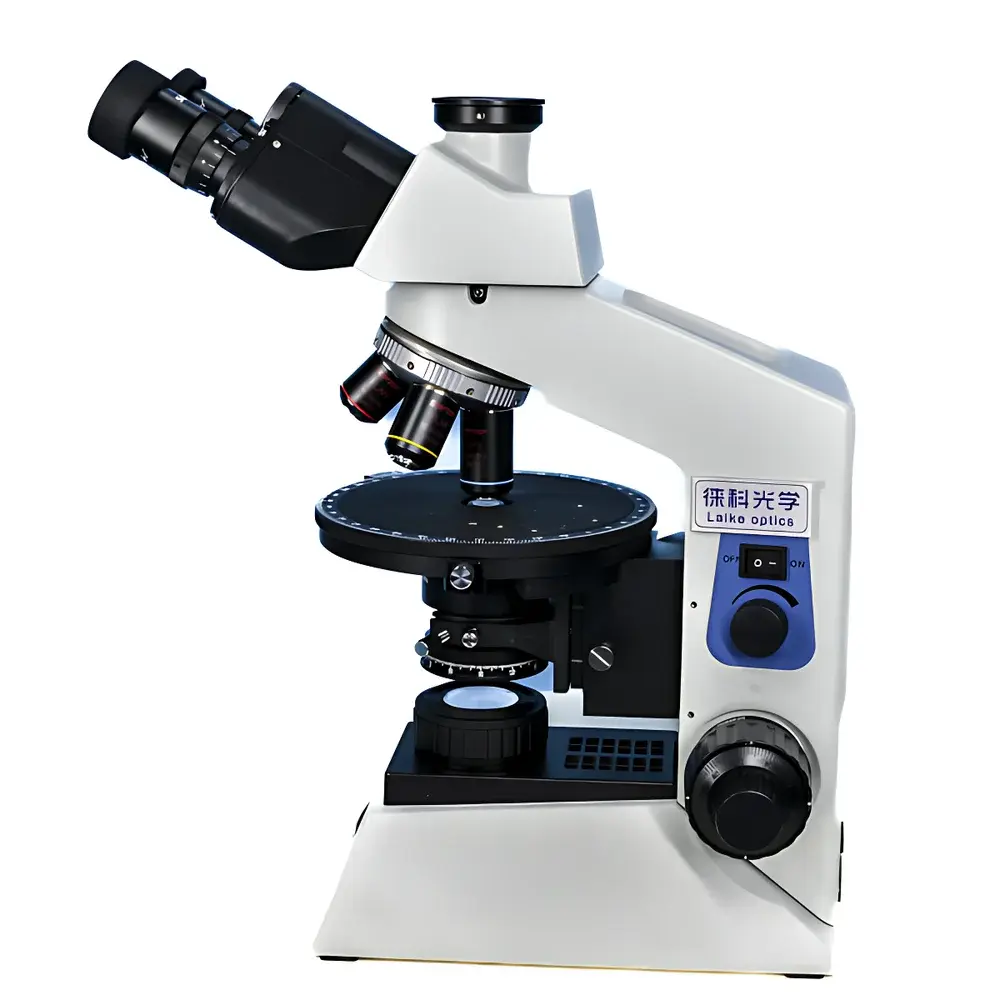
LEI-TECH LK-530P Research-Grade Upright Polarizing Microscope
| Brand | LEI-TECH |
|---|---|
| Origin | Tianjin, China |
| Manufacturer Type | Direct Manufacturer |
| Country of Origin | China |
| Model | LK-530P |
| Price | Upon Request |
| Optical System | Infinity-Corrected Dual-Achromatic (UISC) |
| Illumination | High-Stability White LED (CCT 3700–5000 K) |
| Total Magnification | 40×–400× (with 4×, 10×, 40×s objectives) |
| Eyepieces | Widefield Plan Eyepieces PL10×/20 |
| Tube | Trinocular, 30° Inclined, 360° Rotatable, Diopter Adjustment (±5), Interpupillary Distance 54–76 mm |
| Nosepiece | Internal-Positioning Quadruple Objective Turret with Centering Wrench |
| Stage | Precision Metal Rotary Stage (Ø160 mm), 360° Rotation (1° Graduation, ±6′ Accuracy), Lockable, Graphite-Coated Surface, Equipped with Mechanical Slide Holder & 0.01 mm Vernier Scale |
| Condenser | Stress-Free Abbe Condenser (NA 1.25), Center-Adjustable, Rack-and-Pinion Height Control |
| Focus Mechanism | Coaxial Coarse/Fine Drive, 28 mm Coarse Travel, 0.002 mm Fine Step Resolution, Upper Limit Stop, Tension Adjustment |
| Polarizing System | Rotatable Polarizer (0°/90°/180°/270° Indexed Stops with Lock), Bertrand Lens (Manual Lever-Actuated, Center & Focus Adjustable), Optional Full-Wave (551 nm), Quarter-Wave (147.3 nm), and Quartz Wedge Retardation Plates |
| Objectives | Strain-Free Plan Achromatic Objectives (4×, 10×, 40×s), Anti-Fungal Coating |
| Imaging Module | 20 MP CMOS Sensor (5440 × 3648 Effective Pixels) |
| Power Supply | Universal Input 100–240 V AC, 50/60 Hz |
Overview
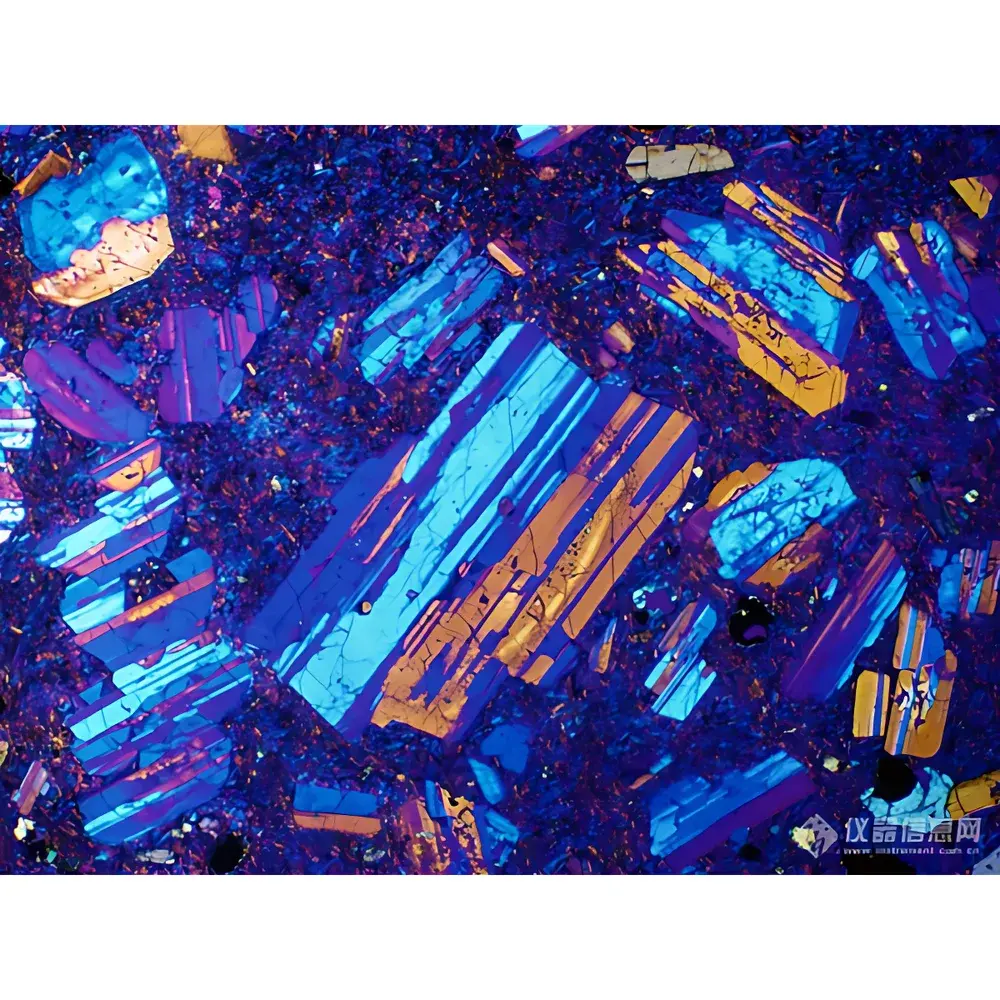
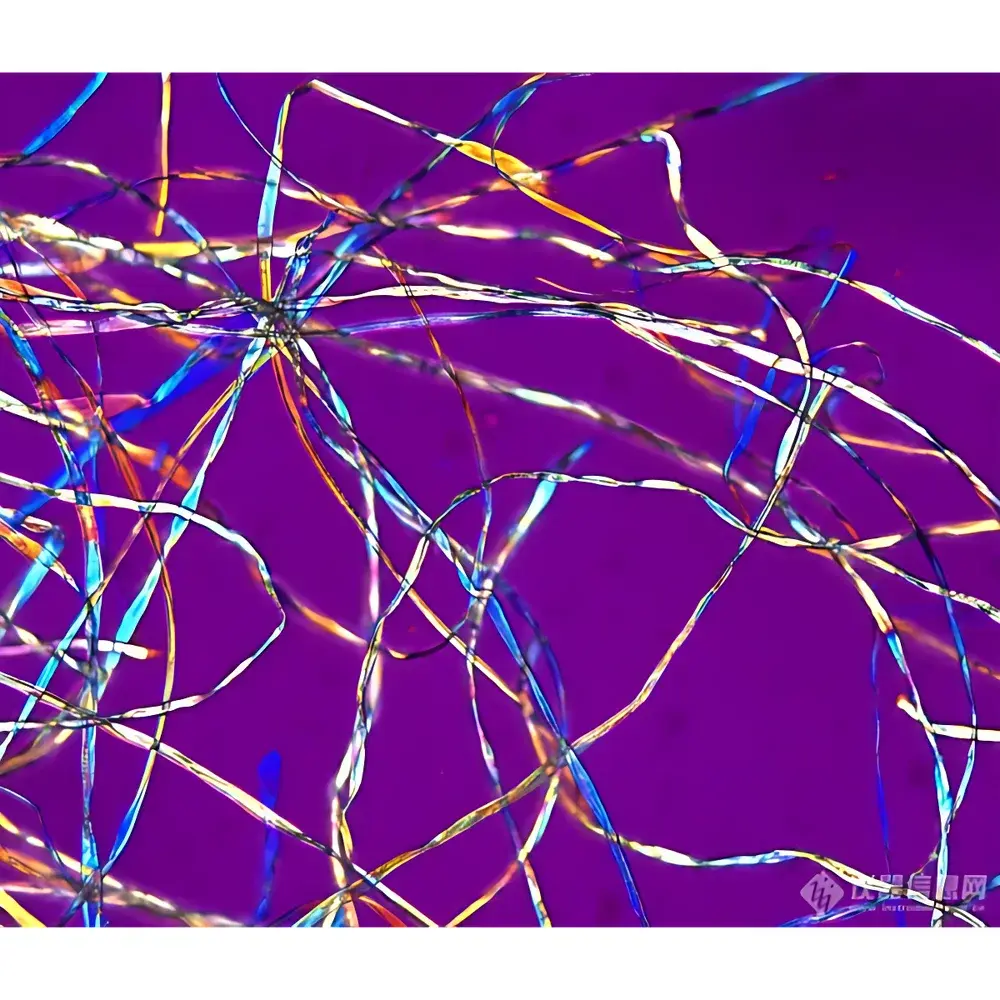
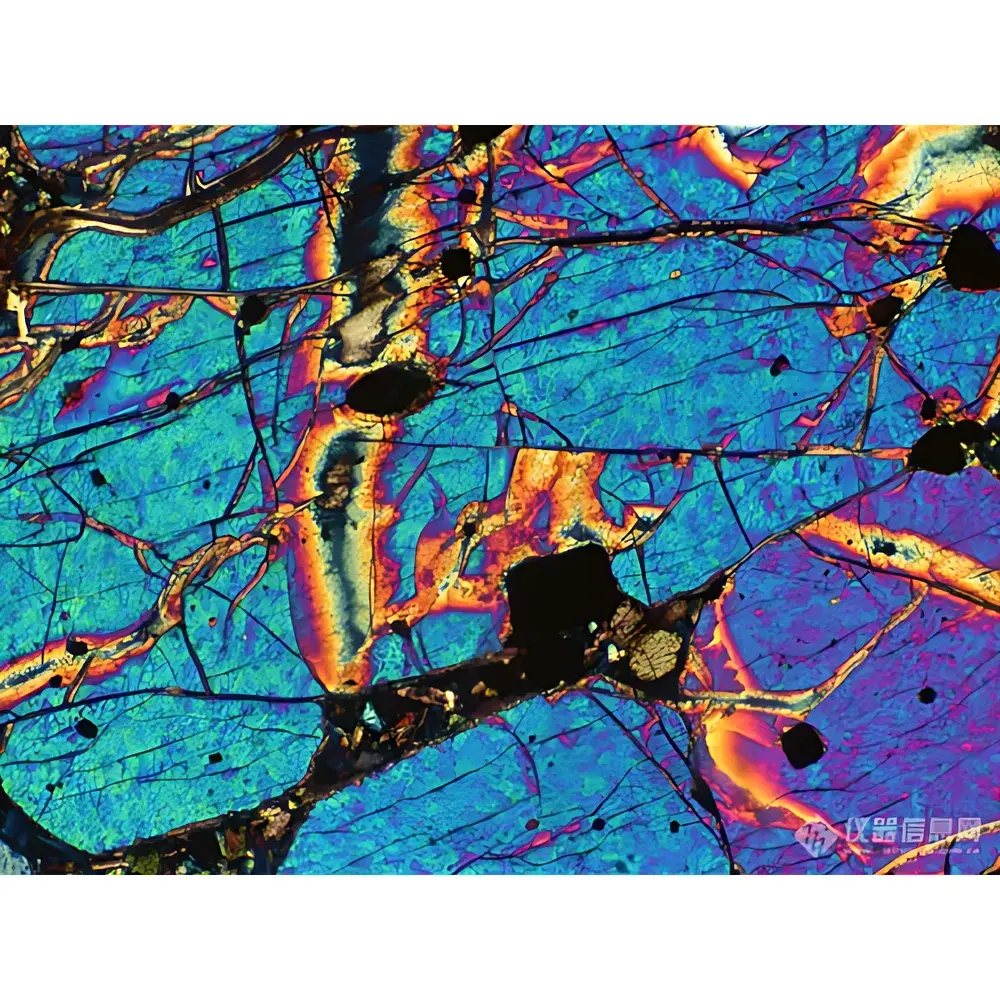
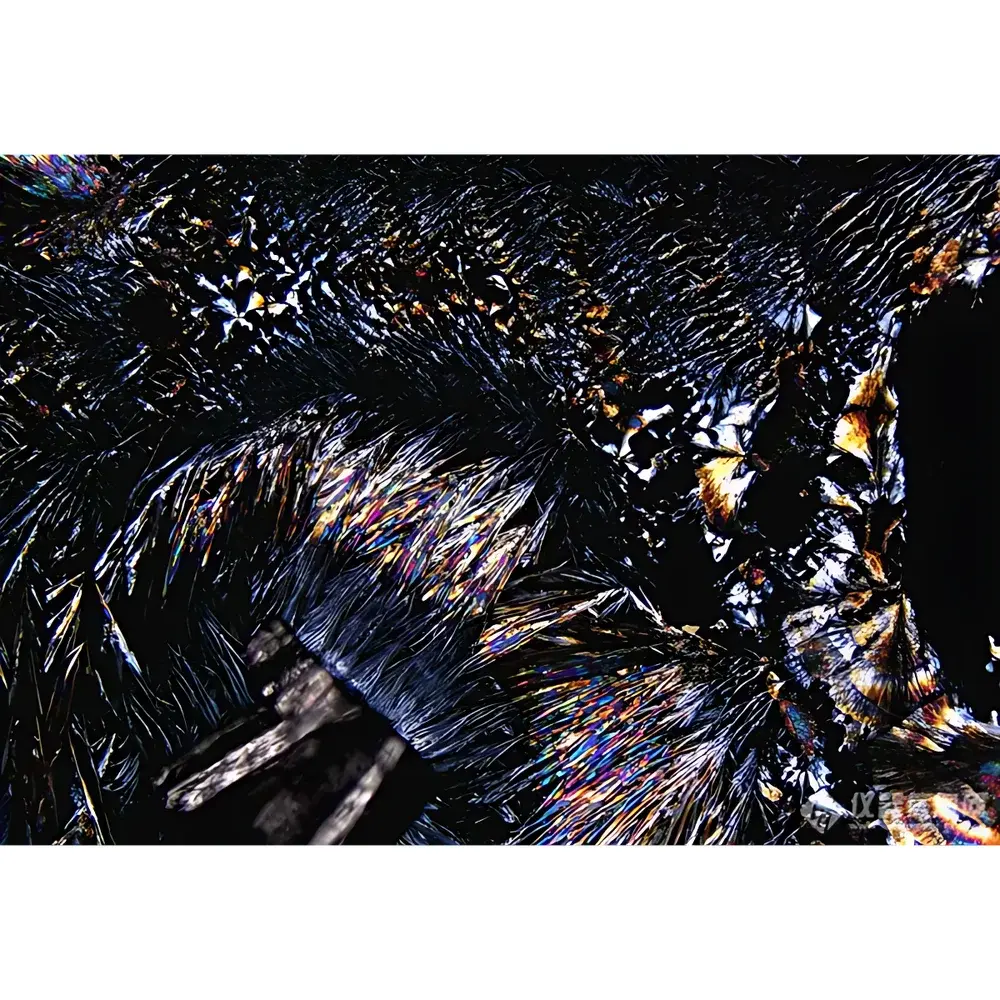
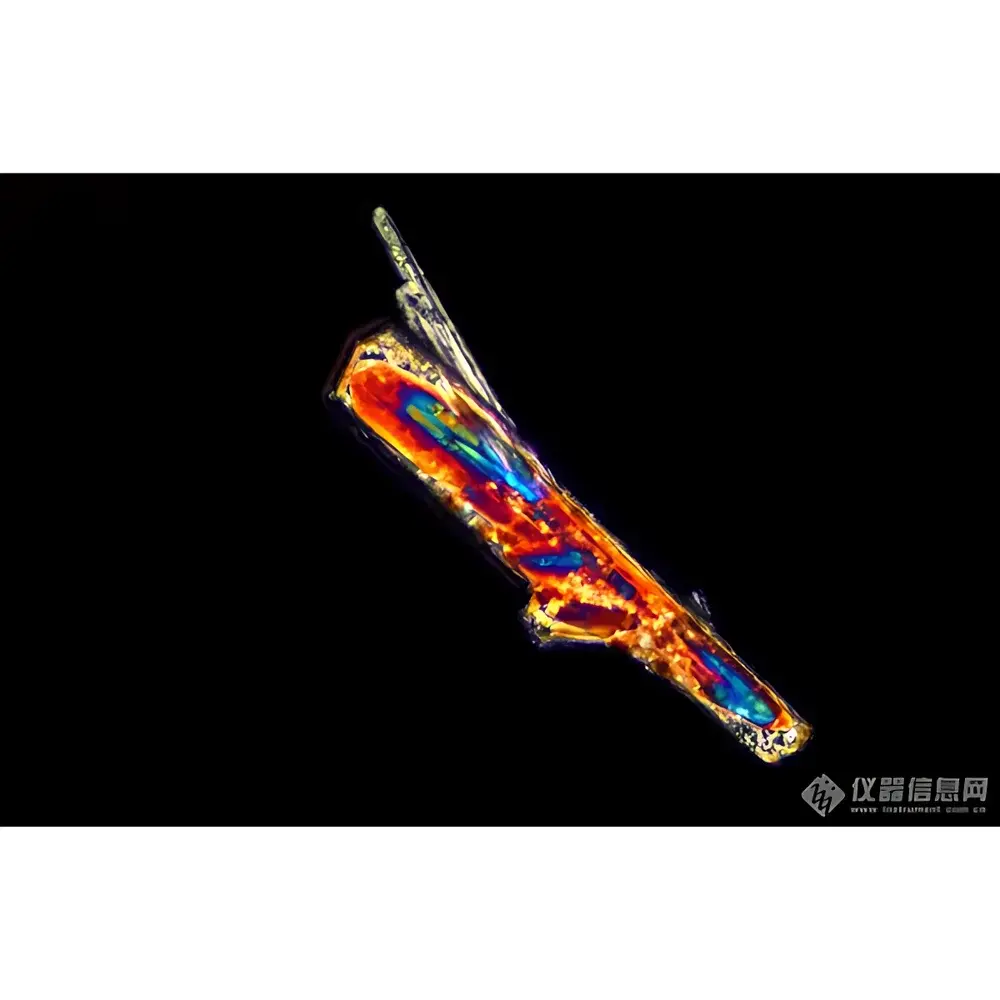
The LEI-TECH LK-530P is a research-grade upright polarizing microscope engineered for quantitative birefringence analysis, crystallographic orientation mapping, and microstructural characterization in geoscience, materials science, polymer engineering, and pharmaceutical solid-state analysis. It employs an infinity-corrected dual-achromatic optical architecture (UISC), ensuring minimal chromatic and spherical aberration across the full visible spectrum and enabling stable integration of auxiliary modules—including analyzers, retardation plates, and digital imaging systems—without compromising wavefront fidelity. The instrument operates on the fundamental principles of polarized light microscopy: linearly polarized incident light interacts with anisotropic specimens to produce interference colors, extinction angles, and conoscopic patterns that encode information about crystal symmetry, stress distribution, and molecular alignment. Designed for reproducible, standards-compliant observation, the LK-530P supports both transmitted-light brightfield and polarized-light modalities under Köhler illumination, meeting essential optical metrology requirements defined in ASTM E112 (grain size), ISO 10477 (microstructure analysis), and USP <1059> (solid-state characterization of drug substances).
Key Features
- Infinity-corrected UISC optical path with strain-free plan achromatic objectives (4×, 10×, 40×s), all featuring anti-fungal surface treatment for long-term stability in humid laboratory environments.
- High-stability white LED illumination (3700–5000 K CCT) with continuous brightness control, eliminating thermal drift and color shift associated with halogen sources—ensuring consistent photometric calibration over extended acquisition sessions.
- Precision 360° rotary mechanical stage (Ø160 mm) with 1° engraved scale, ±6′ rotational accuracy, graphite-coated wear-resistant surface, orthogonal steel roller bearing guidance, and positive-lock positioning at any angle—critical for systematic extinction angle measurement and crystallographic indexing.
- Indexable rotating polarizer with detented stops at 0°, 90°, 180°, and 270°, coupled with a manually actuated Bertrand lens for rapid切换 between orthoscopic and conoscopic observation modes.
- Integrated trinocular head with 30° inclination, 360° rotation, ±5 diopter adjustment, and 54–76 mm interpupillary range—optimized for ergonomic operation during prolonged analytical sessions.
- Coaxial coarse/fine focusing system with 28 mm vertical travel, 0.002 mm fine-step resolution, upper limit stop, and adjustable coarse-drive tension—enabling precise Z-stack acquisition for depth-resolved birefringence profiling.
- Digital imaging module featuring a 20 MP CMOS sensor (5440 × 3648 pixels), calibrated for quantitative intensity linearity and compatible with third-party image analysis software supporting GLP/GMP audit trails.
Sample Compatibility & Compliance
The LK-530P accommodates standard 1″ × 3″ (25 × 76 mm) glass slides and coverslips up to 0.17 mm thickness, supporting thin-section petrography (30 µm), polymer film analysis, liquid crystal cell evaluation, and pharmaceutical tablet cross-sections. Its stress-free optical train complies with ISO 8578 (microscope optical performance) and ASTM D4101 (polymer birefringence testing). All polarization components—including the polarizer, analyzer, and optional retardation plates—are certified for angular repeatability ≤ ±0.5°, satisfying metrological traceability requirements for ISO/IEC 17025-accredited laboratories. The system’s mechanical stability and thermal management meet IEC 61000-6-2 (immunity) and IEC 61000-6-4 (emissions) for use in regulated QC/QA environments.
Software & Data Management
The microscope interfaces via USB 3.0 with LEI-TECH’s proprietary imaging suite, which supports real-time extended focus imaging (EFI) and multi-image alignment (MIA) for seamless large-area mosaics and depth-composite reconstruction. Image metadata—including objective magnification, polarizer/analyzer angles, exposure time, and LED intensity—is embedded in TIFF/OME-TIFF format per FAIR data principles. Export options include CSV-based measurement logs (e.g., extinction angle, interference color grade, retardation quantification) compliant with 21 CFR Part 11 when paired with optional electronic signature modules. Raw image datasets are compatible with open-source platforms such as Fiji/ImageJ and commercial solutions including Olympus cellSens and Zeiss ZEN, facilitating cross-platform validation and method transfer.
Applications
- Geological thin-section analysis: identification of mineral assemblages, optic sign determination, and twinning morphology in quartz, feldspar, and mica.
- Pharmaceutical solid-state characterization: detection of polymorphic transitions, hydrate/anhydrate differentiation, and crystallinity assessment in active pharmaceutical ingredients (APIs).
- Materials science: evaluation of residual stress in injection-molded thermoplastics, fiber orientation mapping in composites, and domain structure visualization in ferroelectric ceramics.
- Polymer processing: real-time monitoring of crystallization kinetics, spherulite growth dynamics, and phase separation behavior under controlled thermal stages.
- Forensic fiber analysis: discrimination of synthetic fiber types (e.g., nylon, polyester, acrylic) based on birefringence magnitude and sign.
FAQ
Is the LK-530P compliant with ISO/IEC 17025 calibration requirements?
Yes—the optical train, stage rotation, and polarizer angular indexing are validated against NIST-traceable reference standards; full calibration documentation and uncertainty budgets are provided upon request.
Can the system be integrated with motorized stages or environmental chambers?
The trinocular port and standardized C-mount interface support third-party motorized XY/Z stages and heated/cooled sample holders; mechanical and electrical integration protocols are documented in the OEM Interface Guide.
What retardation plates are included by default?
The base configuration includes a fixed analyzer; full-wave (551 nm), quarter-wave (147.3 nm), and quartz wedge plates are available as optional accessories with individual certification reports.
Does the imaging module support time-lapse birefringence monitoring?
Yes—software-triggered acquisition at user-defined intervals (100 ms–24 h) with synchronized polarizer rotation enables kinetic studies of phase transitions and stress relaxation.
Is remote training and technical support available outside business hours?
LEI-TECH provides 7×24 remote diagnostics and application support via secure screen-sharing; on-site installation and hands-on training are scheduled within 10 business days of order confirmation.




