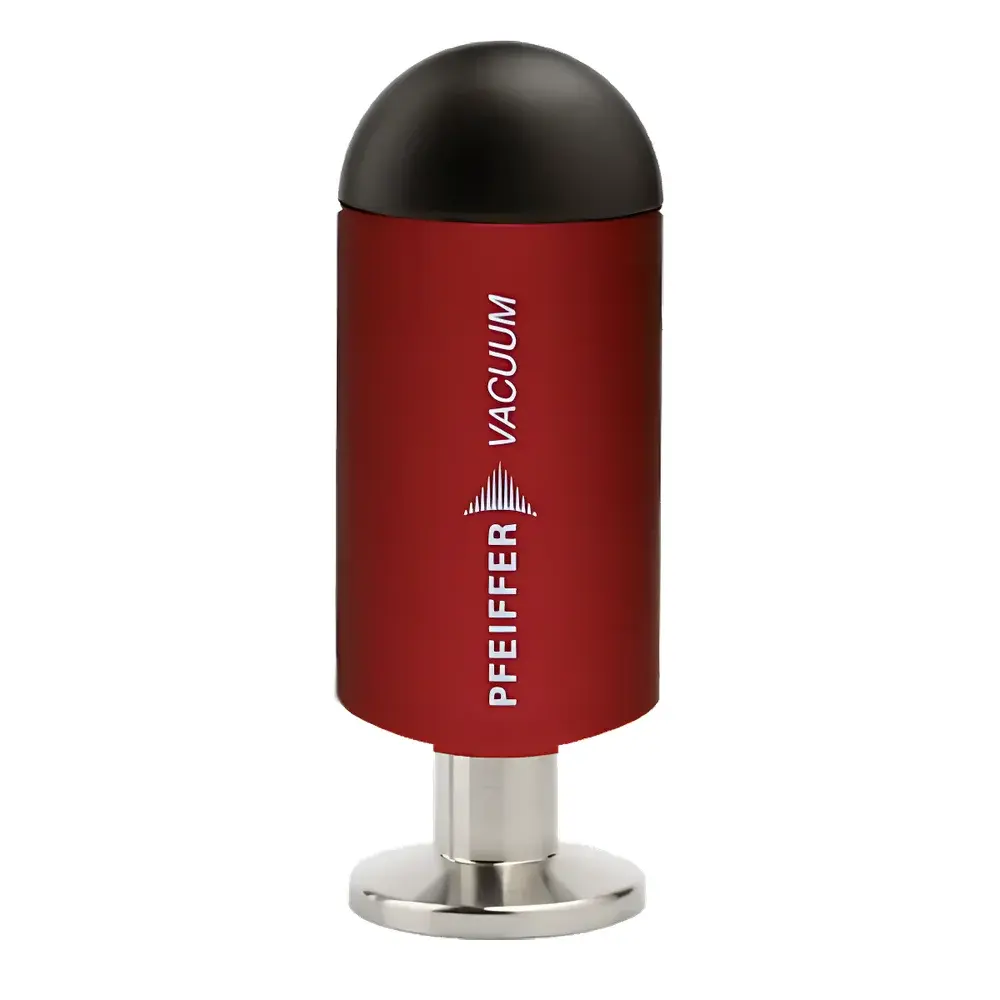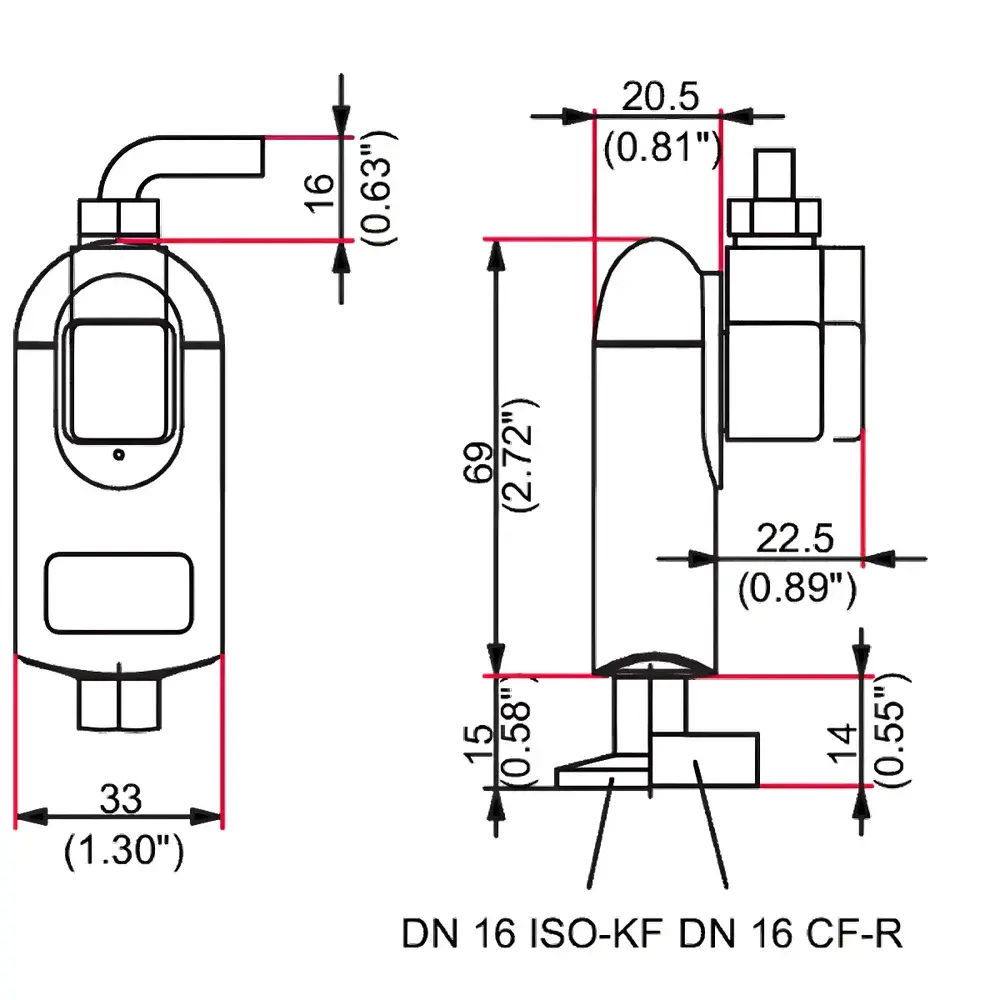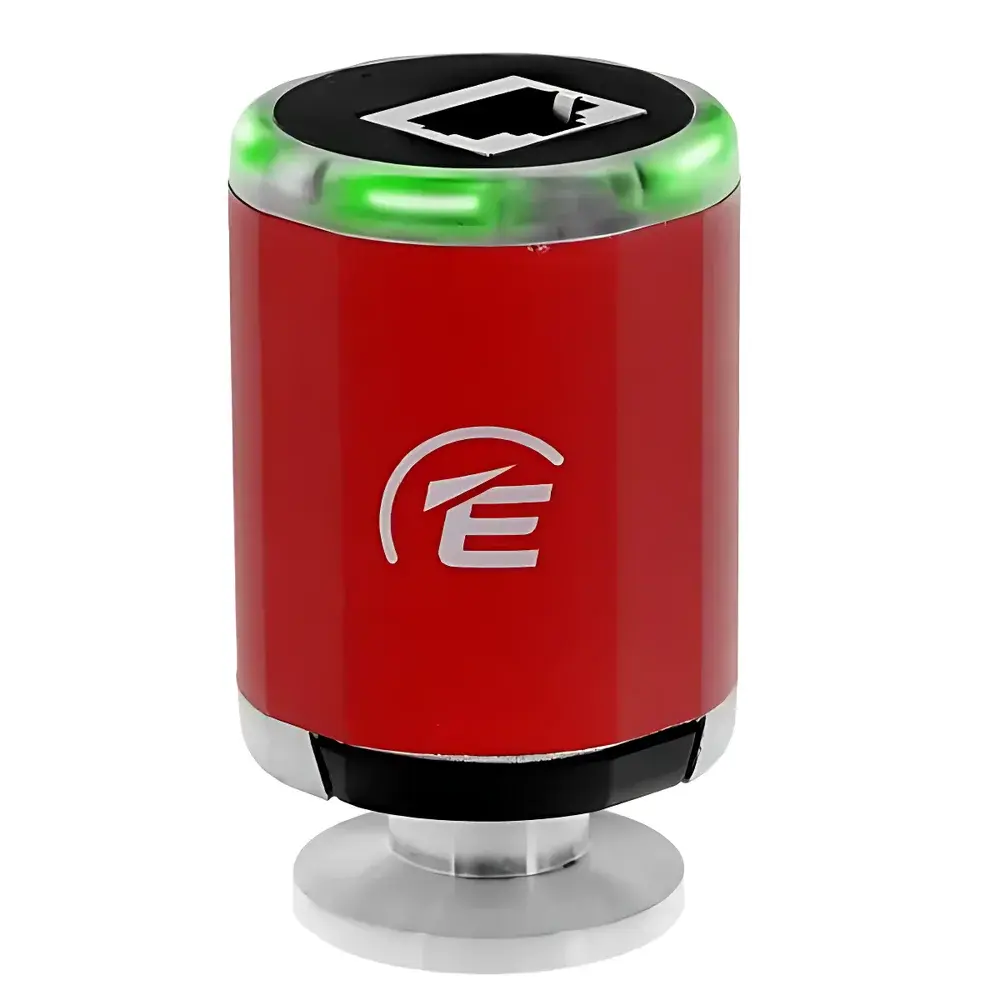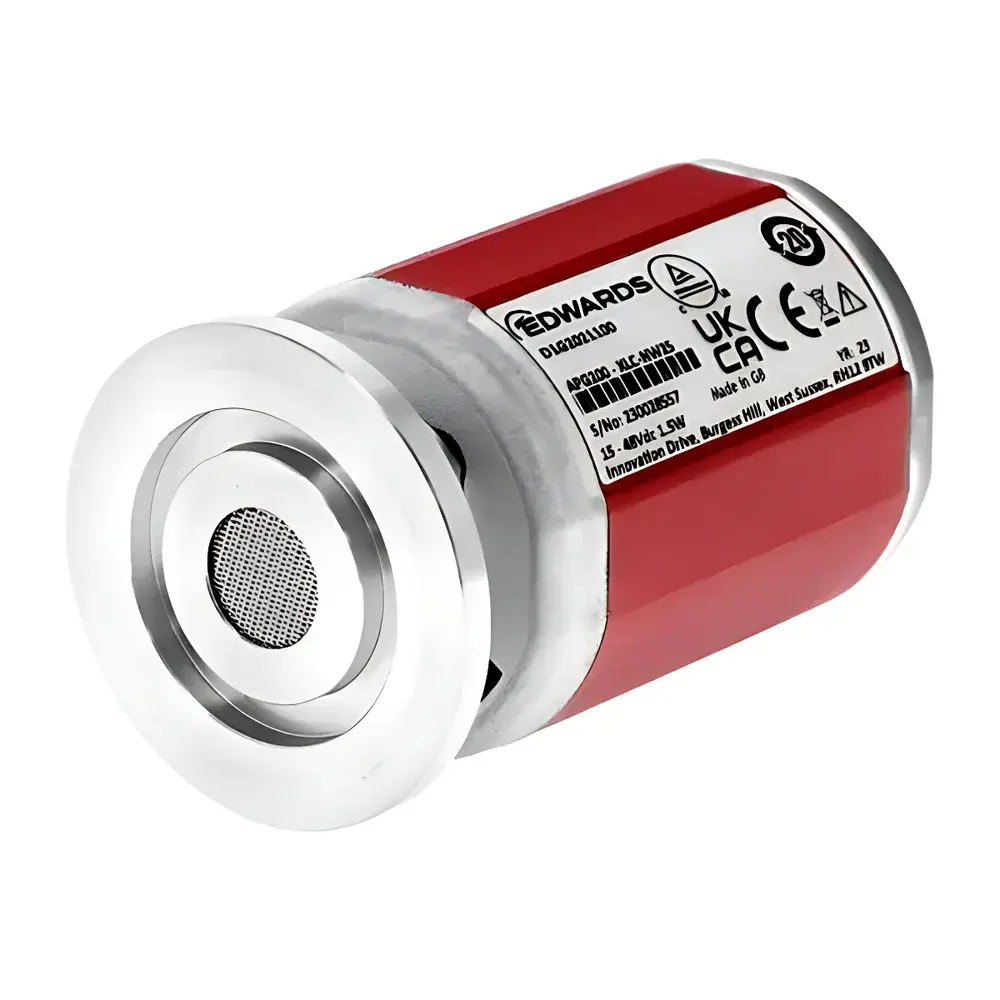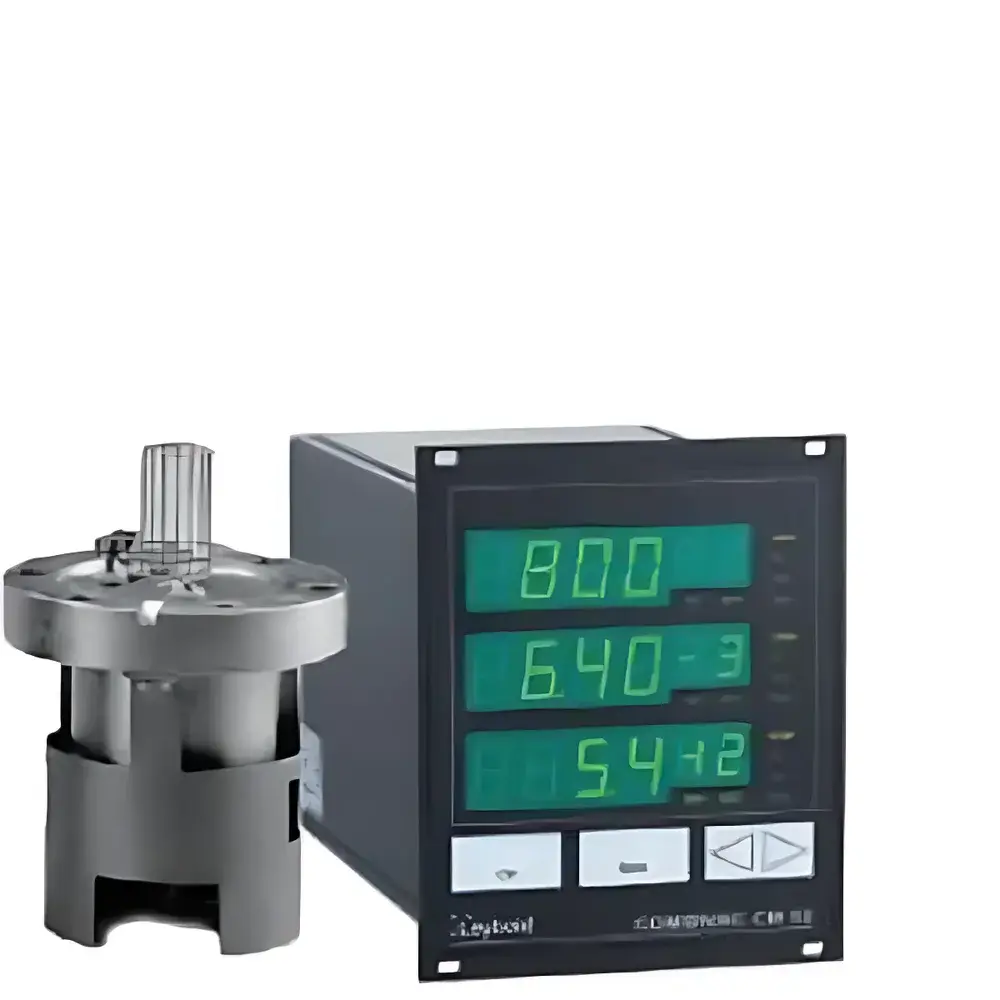
Leybold IE 514 Ionization Vacuum Gauge
| Brand | Leybold |
|---|---|
| Origin | Germany |
| Model | IE 514 |
| Measurement Principle | Cold Cathode Ionization |
| Pressure Range | 1 × 10⁻¹² to 1 × 10⁻⁴ mbar |
| Vacuum Flange | CF 40 |
| Compliance | ISO 3567, DIN 28403-1, EN 61000-6-3 |
Overview
The Leybold IE 514 is a high-performance cold cathode ionization vacuum gauge engineered for precise and stable measurement in ultra-high vacuum (UHV) and extreme high vacuum (XHV) environments. Operating on the principle of cold cathode discharge, the sensor generates a plasma within a magnetic field—ionizing residual gas molecules whose current is linearly proportional to gas density. Unlike hot cathode gauges, the IE 514 eliminates filament evaporation and thermal outgassing risks, ensuring long-term stability, immunity to accidental atmospheric exposure, and suitability for clean UHV systems such as surface science chambers, particle accelerators, fusion research vessels, and space simulation facilities. Its all-metal construction—including ceramic insulators and stainless steel electrodes—supports bake-out temperatures up to 150 °C, maintaining calibration integrity under rigorous thermal cycling.
Key Features
- Cold cathode ionization design with integrated permanent magnet array for stable plasma ignition across the full range
- Extended pressure range from 1 × 10⁻¹² mbar to 1 × 10⁻⁴ mbar—covering XHV through high vacuum regimes
- CF 40 conflat flange interface compliant with ISO-KF/CF standards; includes helium-leak-tight metal gasket sealing
- Hermetically sealed ceramic–metal feedthroughs rated for UHV compatibility (≤1 × 10⁻¹¹ mbar·L/s intrinsic leak rate)
- No filament or heater—zero warm-up time, no consumables, and immunity to hydrocarbon cracking or filament burnout
- Integrated shielding against electromagnetic interference (EMI), validated per EN 61000-6-3 for laboratory and industrial EMC environments
Sample Compatibility & Compliance
The IE 514 is compatible with inert, reactive, and corrosive gases typical in UHV applications—including N₂, Ar, H₂, He, O₂, and dry CO₂—provided partial pressures remain within specified operational limits. It is not intended for use with condensable vapors (e.g., water, oils) or highly polymerizing gases without prior system conditioning. The gauge meets ISO 3567 (vacuum metrology terminology and definitions) and DIN 28403-1 (dimensions and sealing requirements for CF flanges). Its mechanical and electrical design supports integration into GLP- and GMP-aligned vacuum infrastructure where traceability, repeatability, and audit-ready documentation are required. While the sensor itself does not carry CE marking as a standalone component, it is designed to comply with the essential requirements of the EU Electromagnetic Compatibility Directive when installed per manufacturer guidelines.
Software & Data Management
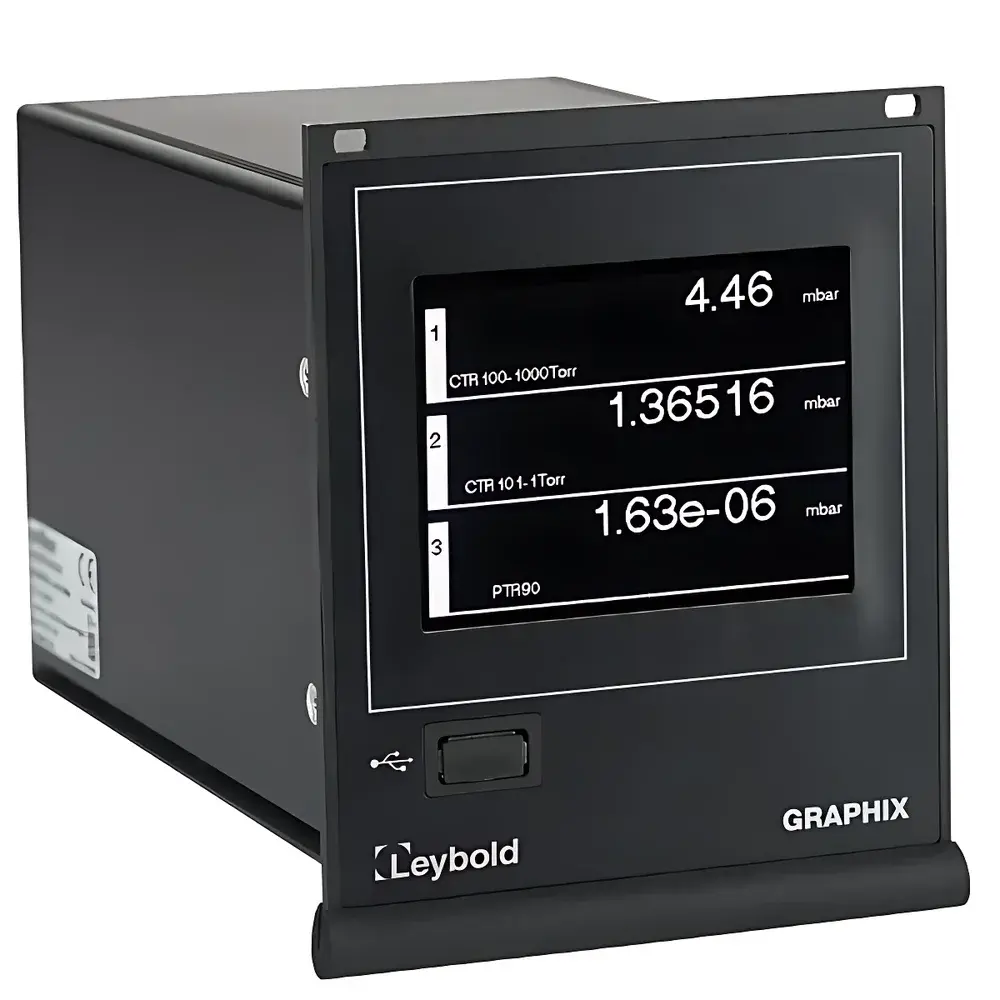
The IE 514 operates as a transducer requiring external controller support—typically paired with Leybold’s TPG 300 series or compatible third-party vacuum controllers (e.g., Pfeiffer PKR251, Agilent VACUSPIN). Analog output (0–10 V or 4–20 mA) enables direct integration into PLC-based monitoring systems or SCADA architectures. Digital communication via RS-485 (Modbus RTU protocol) allows bidirectional parameter access—including real-time pressure reading, status flags (e.g., plasma ignition failure, overpressure warning), and diagnostic codes. All data streams support timestamped logging in accordance with FDA 21 CFR Part 11 requirements when used with validated software platforms that enforce electronic signatures, audit trails, and user access control. Calibration coefficients are stored in non-volatile memory and may be updated via controller firmware—no physical recalibration needed during routine operation.
Applications
- Surface analysis systems (XPS, AES, LEED) requiring stable XHV feedback during sample preparation and measurement
- Fusion device vacuum vessels (e.g., tokamaks, stellarators) where radiation hardness and zero outgassing are critical
- Gravitational wave interferometers (e.g., LIGO, Virgo) demanding sub-10⁻¹¹ mbar stability over multi-month campaigns
- Space environment simulators performing thermal vacuum testing per ECSS-E-ST-20-01C
- UHV deposition systems (MBE, ALD, sputtering) where process repeatability depends on accurate base-pressure verification
- Accelerator beamlines and synchrotron front-ends requiring continuous, drift-free vacuum supervision
FAQ
Does the IE 514 require periodic recalibration?
No—its cold cathode architecture exhibits minimal long-term drift. However, annual verification against a transfer standard (e.g., spinning rotor gauge or calibrated capacitance manometer) is recommended per ISO/IEC 17025 quality systems.
Can it measure hydrogen accurately?
Yes, though sensitivity differs from nitrogen (typical relative sensitivity factor: H₂ ≈ 1.8× N₂); users must apply appropriate gas correction factors in controller configuration.
Is the sensor compatible with aggressive cleaning protocols?
Yes—it withstands repeated 150 °C bake-outs and oxygen plasma cleaning, provided vacuum integrity is confirmed before repressurization.
What is the minimum magnetic field strength required for reliable operation?
The internal permanent magnet assembly delivers ≥0.12 T at the discharge region; external fields exceeding ±5 mT may interfere and should be shielded.
Can multiple IE 514 units share one controller?
Yes—controllers supporting daisy-chained RS-485 or multi-channel analog inputs can manage up to four IE 514 sensors with individual addressing and independent scaling.