
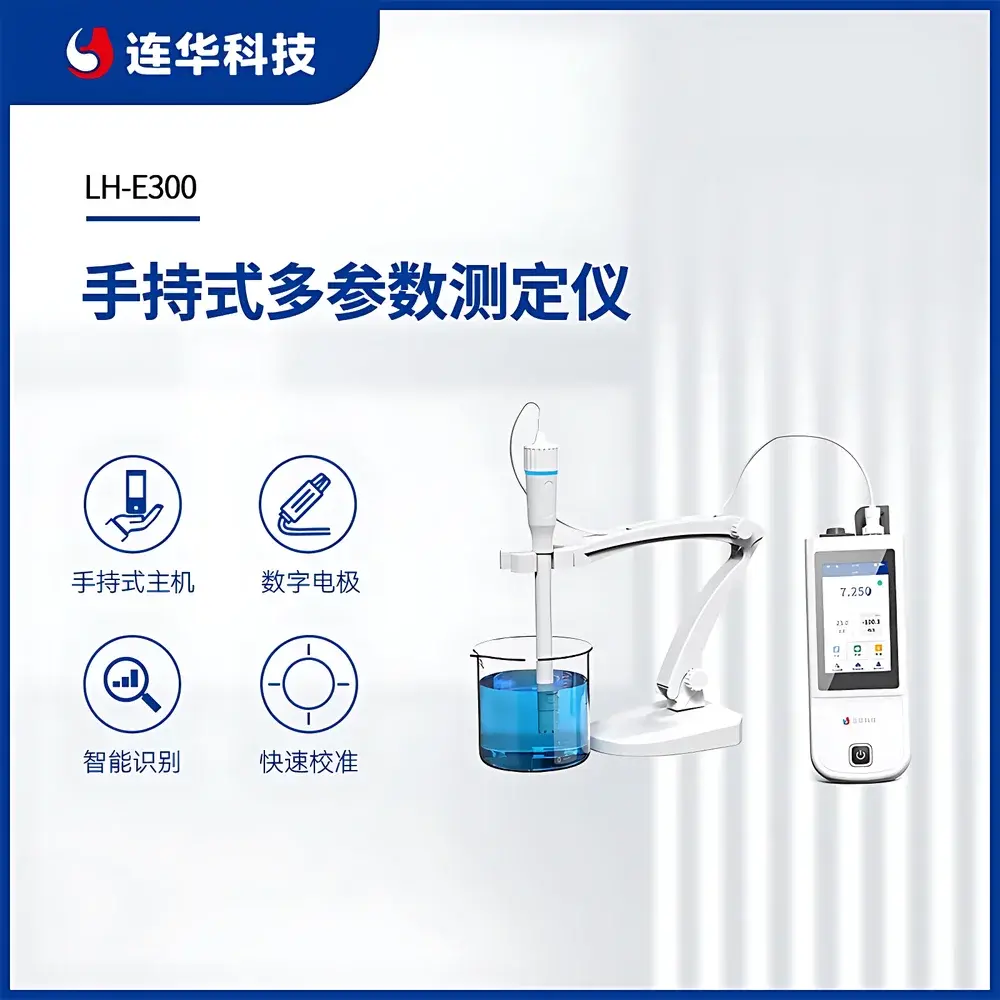
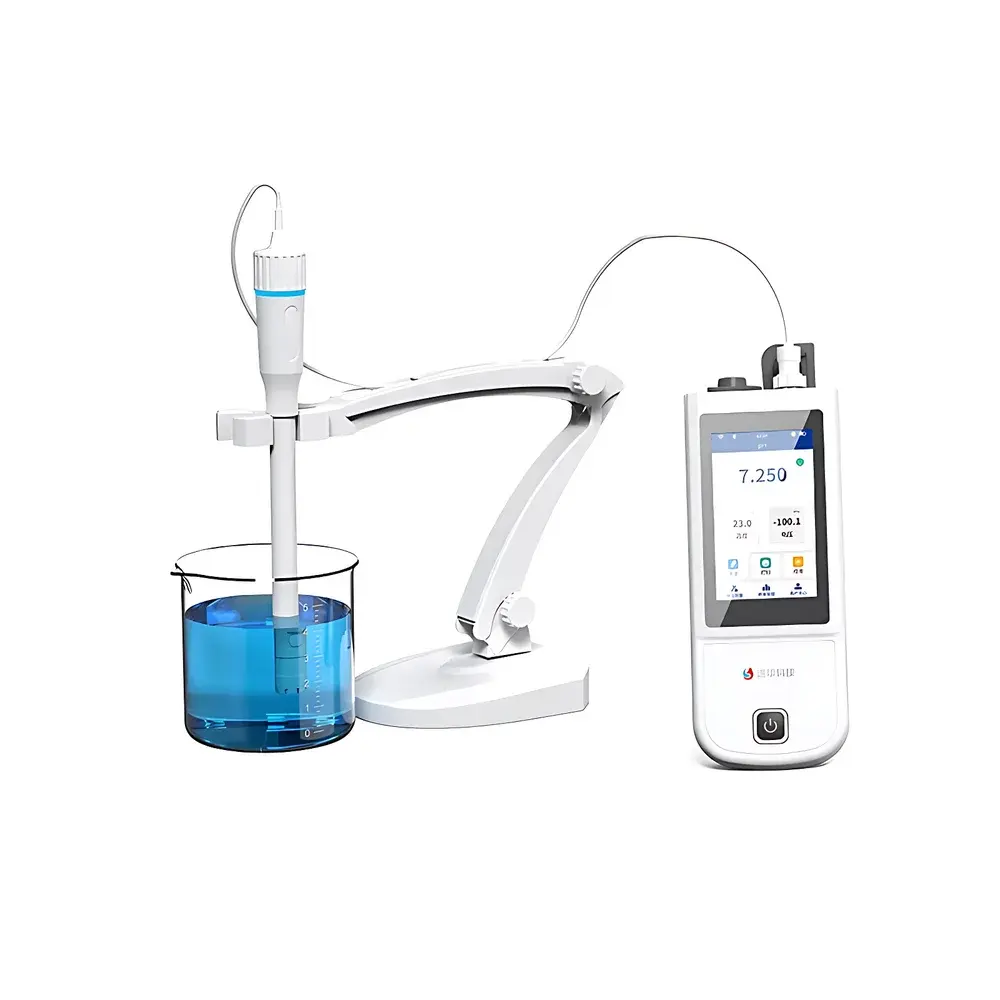
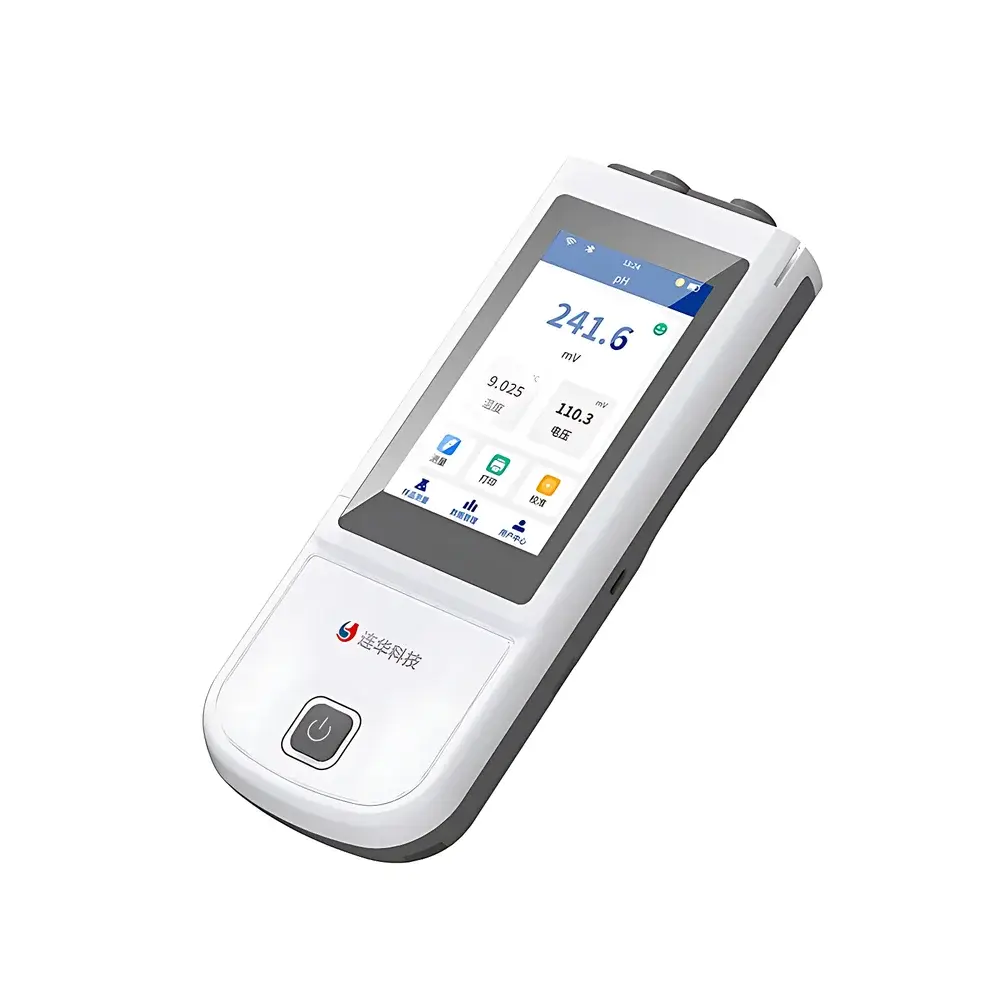
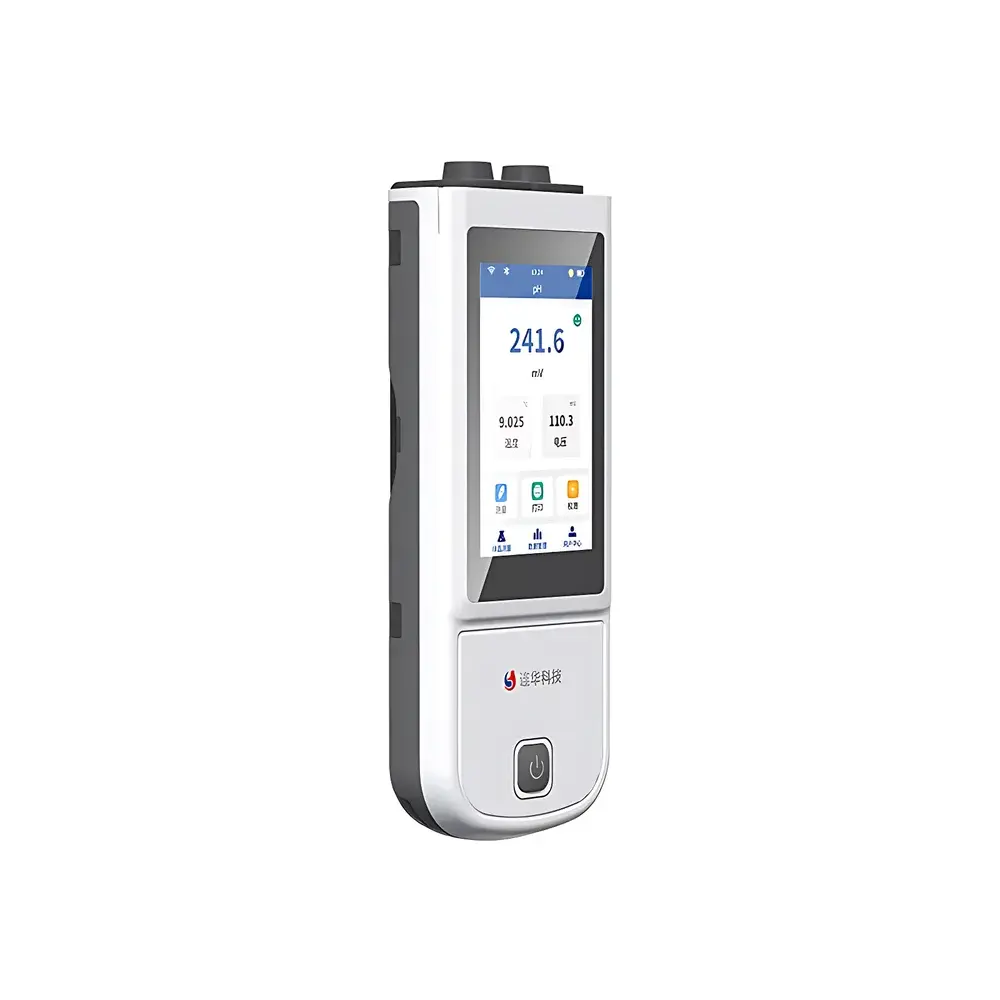
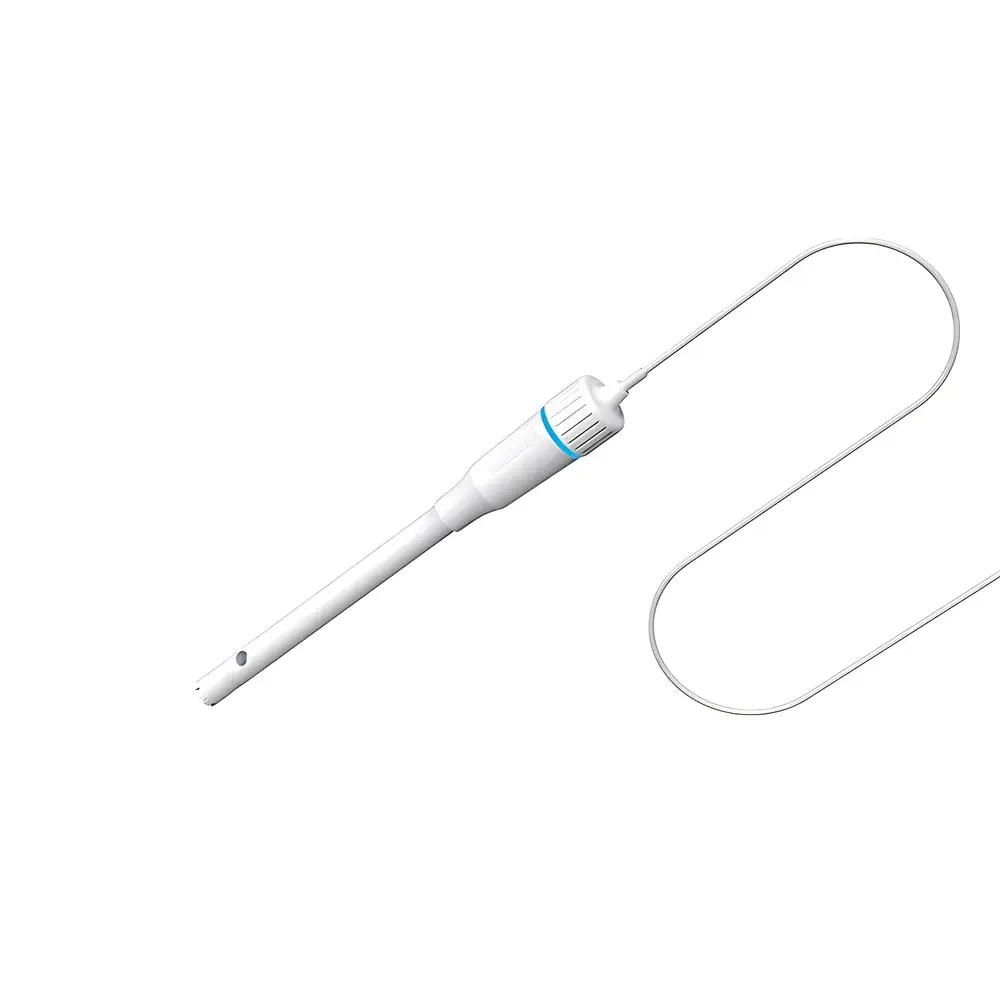
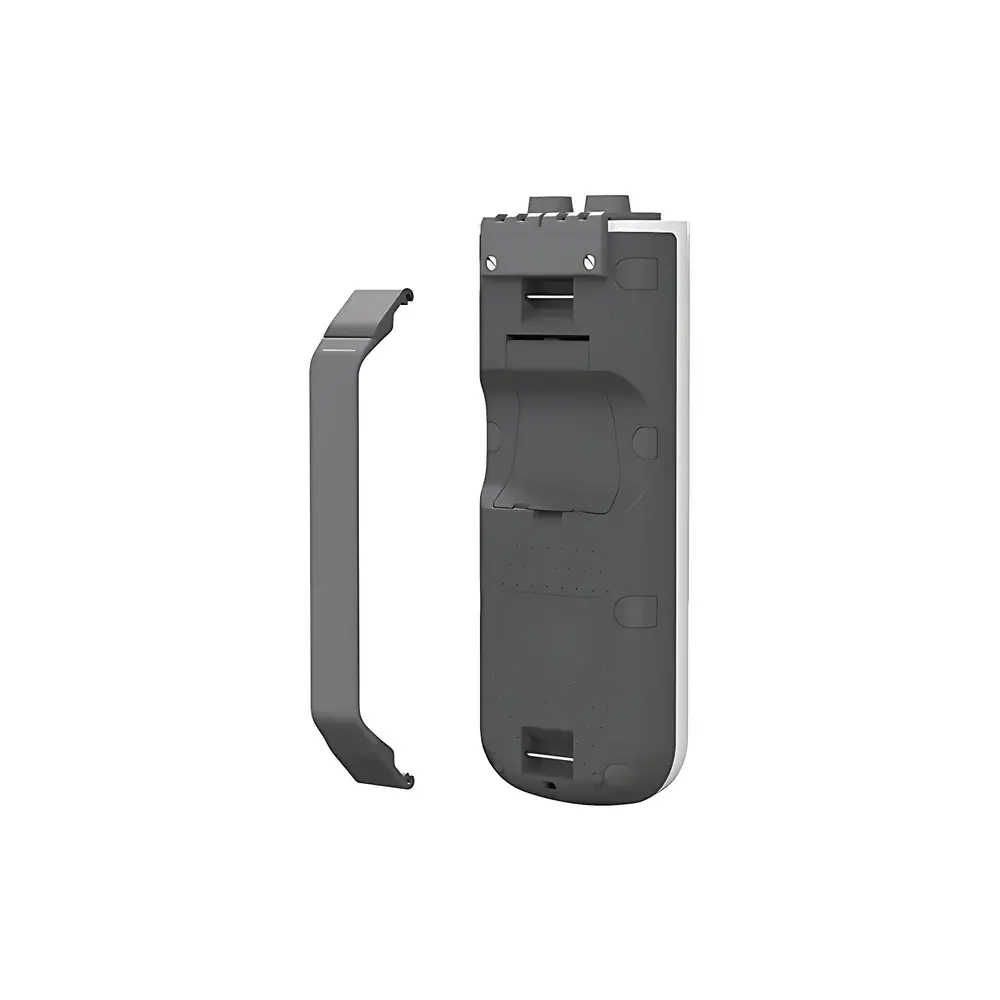
Lianhua LH-E300 Multi-Parameter Water Quality Analyzer
| Brand | Lianhua |
|---|---|
| Origin | Beijing, China |
| Manufacturer Type | Original Equipment Manufacturer (OEM) |
| Product Category | Domestic |
| Model | LH-E300 |
| Instrument Type | Benchtop & Portable Laboratory Water Quality Analyzer |
| Measured Parameters | pH, Dissolved Oxygen (DO), Electrical Conductivity (EC), Salinity, Total Dissolved Solids (TDS), Oxidation-Reduction Potential (ORP), Temperature, and Ion Concentrations (F⁻, Cl⁻, Br⁻, I⁻, Ca²⁺, K⁺, Na⁺, NO₃⁻, NH₄⁺) |
Overview
The Lianhua LH-E300 Multi-Parameter Water Quality Analyzer is an integrated, field-deployable laboratory-grade instrument engineered for high-reproducibility measurement of physicochemical water quality parameters in compliance with standard environmental monitoring protocols. Based on potentiometric, amperometric, and conductometric sensing principles, the LH-E300 simultaneously acquires real-time data across 7 fundamental parameters—pH, dissolved oxygen (DO), electrical conductivity (EC), salinity, TDS, ORP, and temperature—and extends analytical capability to 9 specific ion concentrations via interchangeable ion-selective electrodes (ISEs). Its dual-mode architecture supports both benchtop operation in accredited laboratories and ruggedized handheld deployment in ambient outdoor environments, making it suitable for routine surveillance, regulatory compliance sampling, and process control applications governed by ISO 5667, ASTM D1129, EPA Method 150.1, and China’s HJ/T 91–2002 and HJ 506–2009 standards.
Key Features
- 4.3-inch capacitive touch display running Lianhua’s proprietary LHOS operating system—designed for intuitive navigation, context-sensitive prompts, and multi-language UI support (English, Chinese, Spanish).
- IP67-rated enclosure with reinforced polycarbonate housing and sealed electrode ports—certified for continuous operation under rain, splashing, dust ingress, and temporary submersion up to 1 m for 30 minutes.
- Dual-power architecture: 7000 mAh rechargeable Li-ion battery (typical field runtime ≥18 h at 15-min measurement intervals) + universal USB-C input supporting 5 V/2 A external power supply or mobile power bank integration.
- Intelligent auto-identification of digital electrodes: Each probe contains embedded EEPROM storing calibration history, sensor type, serial number, and date-stamped validation records—enabling plug-and-play recognition and eliminating manual configuration errors.
- Three configurable acquisition modes: Real-time continuous reading, timed endpoint capture (user-defined interval from 1 s to 24 h), and programmable interval logging—ideal for time-series profiling in rivers, reservoirs, or effluent discharge points.
- Onboard automatic temperature compensation (ATC) using integrated Pt1000 thermistor across all electrochemical and conductometric channels—reducing thermal drift to <±0.2% FS/°C.
- Configurable sleep mode with adjustable timeout (1–120 min); wake-on-touch or scheduled wake-up via internal RTC ensures energy efficiency without compromising readiness.
Sample Compatibility & Compliance
The LH-E300 is validated for aqueous matrices including surface water, groundwater, drinking water, wastewater, aquaculture effluents, industrial process streams, and pharmaceutical rinse waters. All sensors meet ISO 7888 (conductivity), ISO 5814 (DO), and ISO 3104 (pH) metrological traceability requirements when calibrated per manufacturer-specified procedures. Ion-selective measurements comply with ISO 10523 (pH), ISO 10304-1 (anion chromatography reference correlation), and GB/T 5750.5–2023 (China’s Standard Methods for Drinking Water Examination). The instrument supports GLP-compliant workflows through mandatory electronic signature prompts during calibration and data export, and maintains full audit trails—including operator ID, timestamp, sensor ID, and environmental metadata—for regulatory reporting under ISO/IEC 17025 and CNAS accreditation frameworks.
Software & Data Management
Data are stored locally in non-volatile memory with independent storage capacity of 10,000 entries per parameter—each record containing measured value, unit, uncertainty estimate (where applicable), sensor ID, calibration status flag, GPS coordinates (when paired with optional GNSS module), and environmental conditions (ambient temperature/humidity if external sensor connected). Export options include USB mass-storage mode (CSV/Excel-compatible), Bluetooth 5.0 wireless printing (via certified thermal printers), and secure Wi-Fi 802.11 b/g/n transmission to cloud platforms (AWS IoT Core or private MQTT brokers) using TLS 1.2 encryption. Firmware updates and remote configuration are supported via Over-The-Air (OTA) delivery; all communication adheres to IEC 62443-3-3 cybersecurity guidelines. Optional Lianhua Cloud Analytics Suite enables automated trend analysis, statistical process control (SPC) charting, alert thresholds, and API-based integration with LIMS or SCADA systems.
Applications
- Regulatory monitoring of municipal water distribution networks and wastewater treatment plants per national discharge permits.
- In-situ assessment of eutrophication indicators (DO, NH₄⁺, NO₃⁻) in lakes and estuaries for ecological status evaluation.
- Process water quality assurance in biopharmaceutical manufacturing (USP , EP 2.2.38) and food & beverage production (FDA Food Code Annex 3).
- Real-time tracking of ion balance (Na⁺, K⁺, Ca²⁺) in recirculating aquaculture systems (RAS) to optimize feed conversion and animal health.
- Educational use in university environmental science labs for method validation, inter-laboratory comparison studies, and student-led field research projects.
- Emergency response deployment during chemical spills or algal bloom events—leveraging rapid ISE-based detection of toxic anions (e.g., F⁻, Br⁻) and redox-active species (e.g., Cl⁻, I⁻).
FAQ
Does the LH-E300 support FDA 21 CFR Part 11-compliant electronic records?
Yes—the instrument generates ALCOA+ compliant audit trails, enforces role-based user authentication, and supports digital signatures for calibration and report generation when configured with enterprise firmware and connected to a validated LIMS environment.
Can ion-selective electrodes be calibrated independently of other sensors?
Yes—each ISE channel features dedicated calibration routines (single-point or multi-point), slope verification, and detection limit validation per ISO 17034 and CLSI EP21-A guidelines.
Is GPS geotagging available as standard or optional?
Geotagging is optional and requires pairing with an external GNSS receiver via Bluetooth or USB-C; built-in GPS is not included in the base configuration.
What is the maximum allowable total dissolved solids (TDS) concentration for accurate EC-to-TDS conversion?
The LH-E300 applies configurable TDS conversion factors (0.4–1.0) based on water matrix; accuracy is maintained up to 200,000 µS/cm EC, corresponding to ~120,000 mg/L TDS in NaCl-dominated waters.
Are calibration certificates provided with each electrode shipment?
Yes—every digital electrode ships with a NIST-traceable calibration certificate, including as-delivered slope, offset, response time, and temperature coefficient values.
Related Products







