
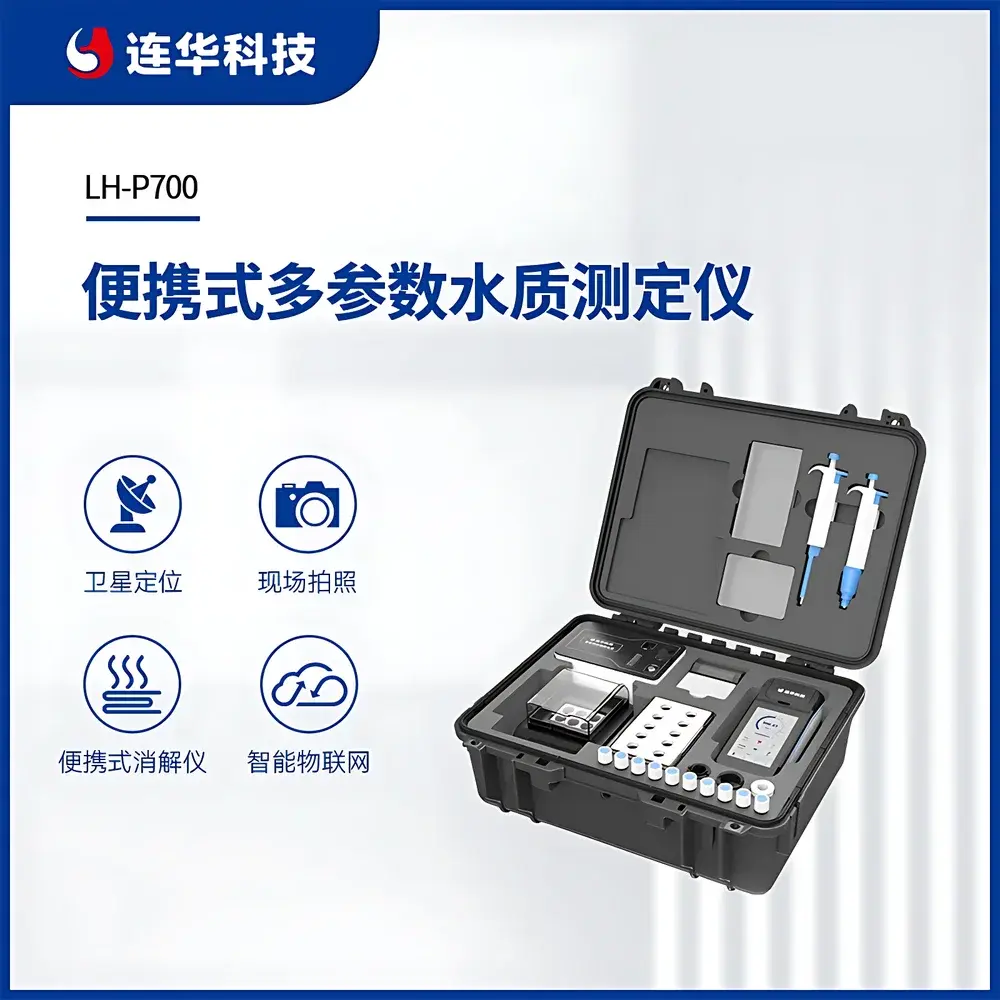
Lianhua Qinglan Series Portable Multi-Parameter Water Quality Analyzer LH-P700
| Brand | Lianhua |
|---|---|
| Origin | Beijing, China |
| Manufacturer Type | Manufacturer |
| Country of Origin | China |
| Model | LH-P700 |
| Instrument Type | Portable / Handheld Water Quality Analyzer |
| Measurable Parameters | COD (HJ/T 399–2007), Ammonia Nitrogen (HJ 535–2009), Total Phosphorus (GB 11893–1989), Total Nitrogen, Turbidity, Color, Suspended Solids |
| Operating System | Proprietary LHOS (Android-based) |
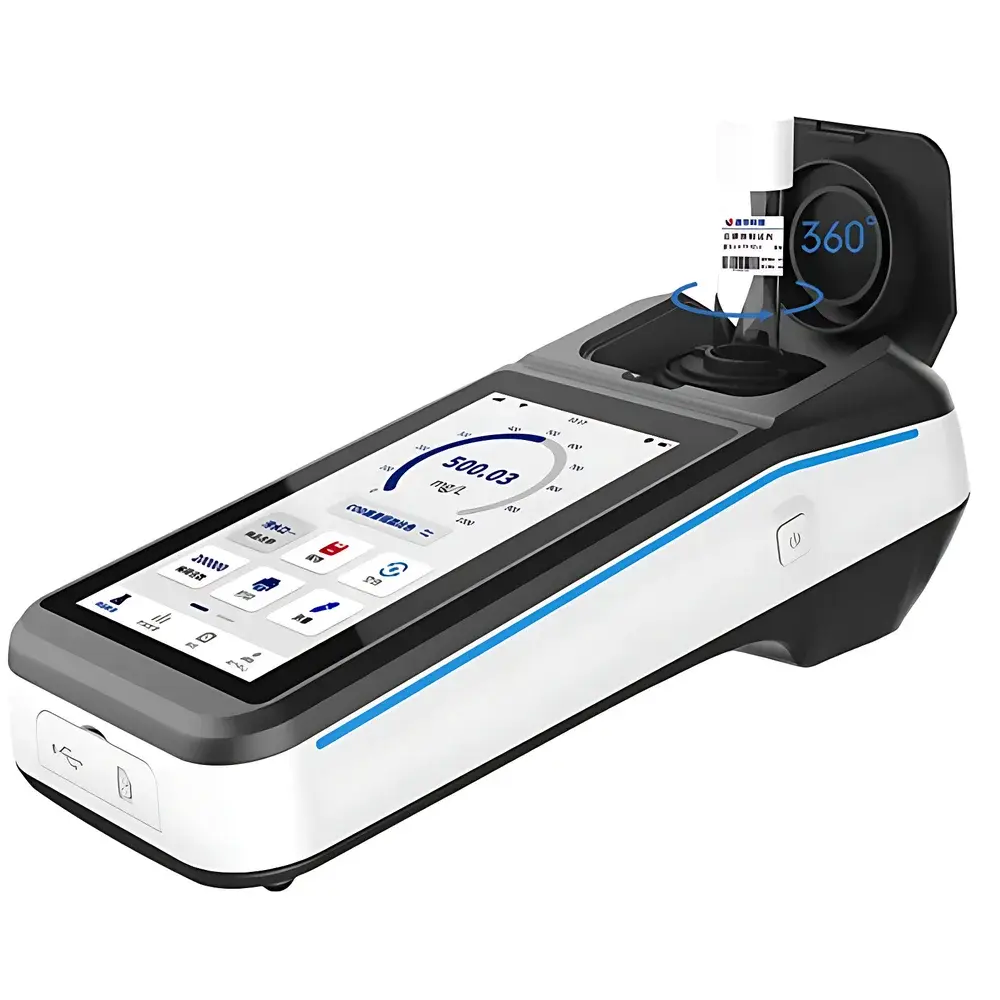
| Optical System | 360° Rotating Cuvette Holder for φ16 mm and φ25 mm Tubes |
| Data Management | Cloud Upload (Lianhua Cloud), Local Database Integration, Audit-Trail Capable User Permissions |
| Field Imaging | Integrated Camera with Geotagged Photo Association to Measurement Records |
| Alerting | Configurable Threshold-Based Exceedance Warnings |
Overview
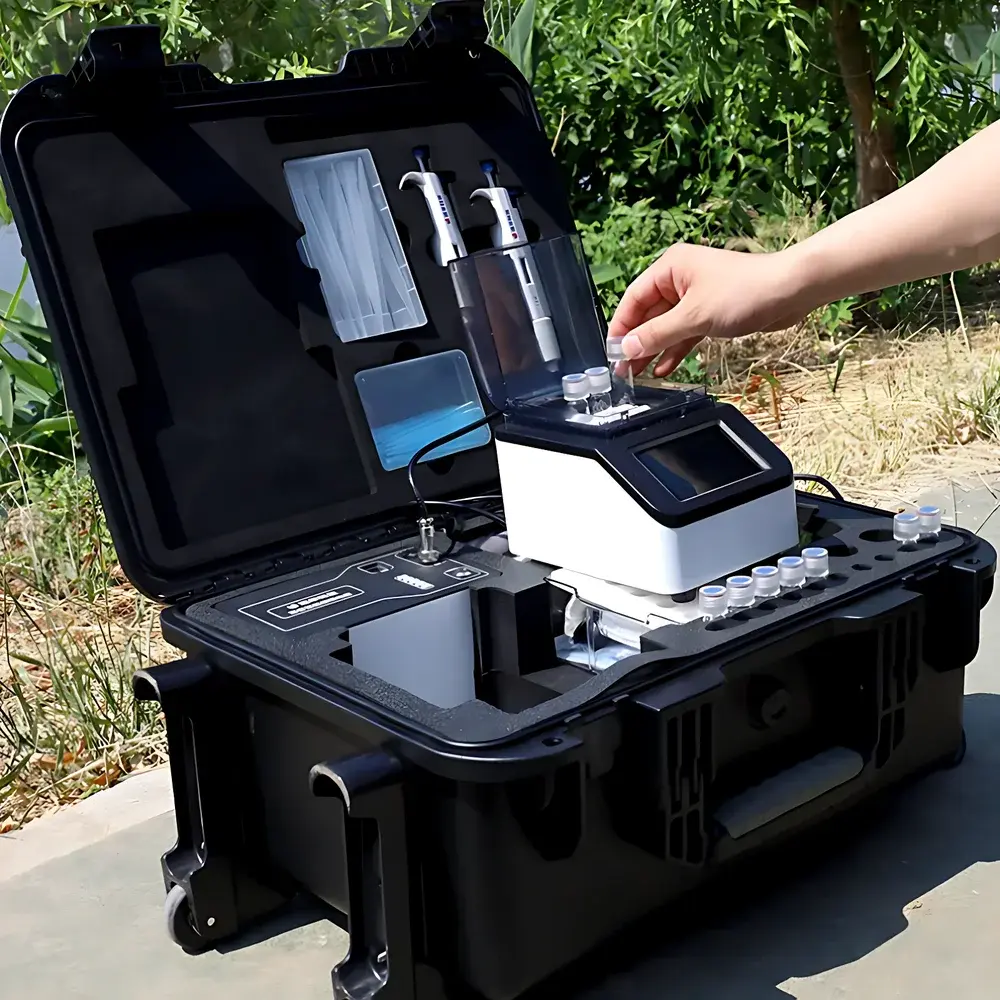
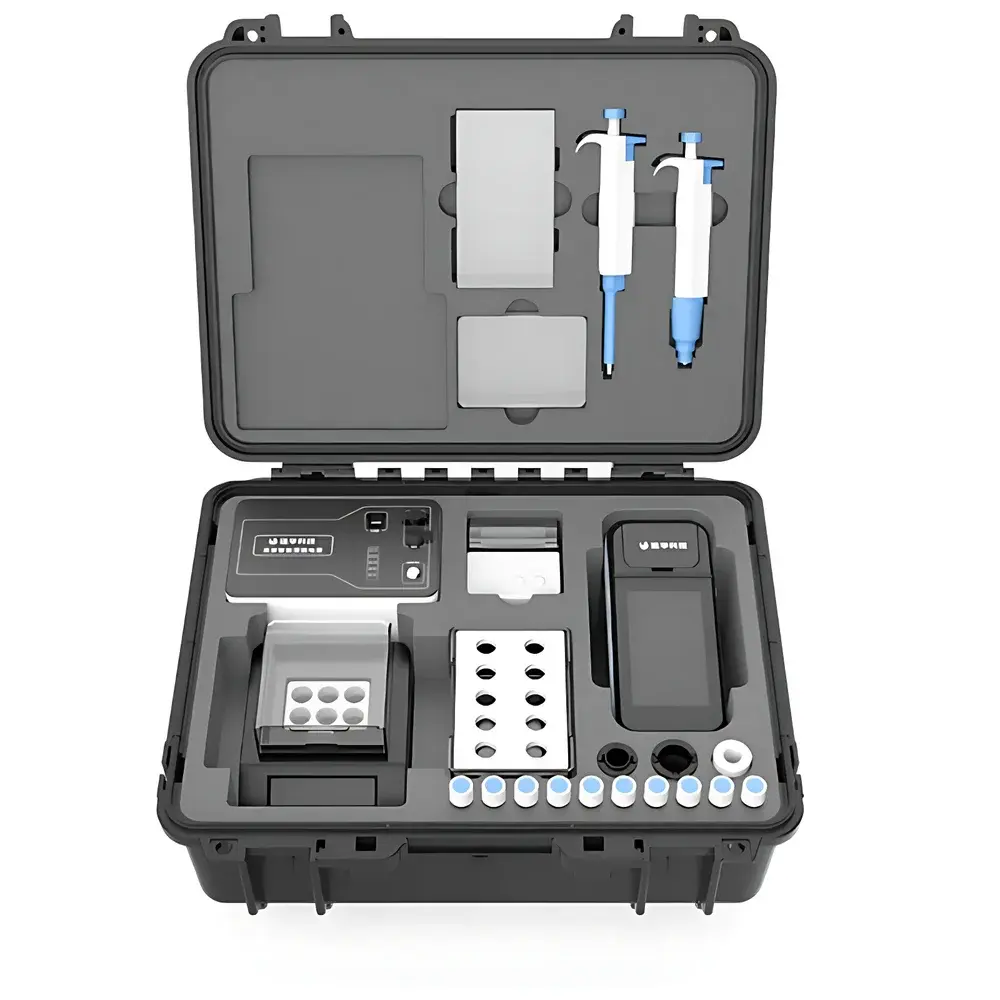
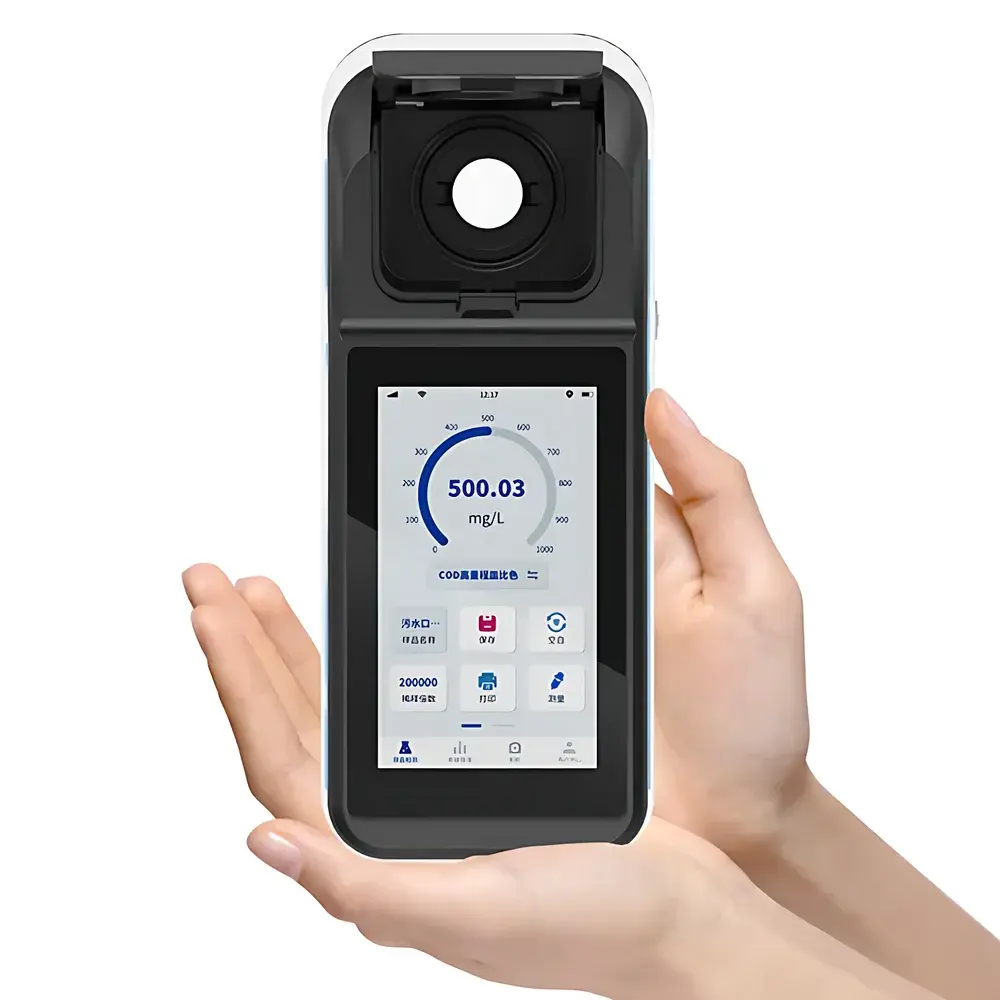
The Lianhua Qinglan Series LH-P700 is a field-deployable, multi-parameter water quality analyzer engineered for regulatory compliance, environmental monitoring, and rapid on-site assessment of surface water, wastewater effluents, drinking water sources, and aquaculture systems. Built upon a hardened Android-based embedded platform—Lianhua’s proprietary LHOS (Lianhua Hydrological Operating System)—the instrument implements standardized photometric and spectrophotometric measurement principles aligned with major Chinese environmental standards: COD determination per HJ/T 399–2007 (dichromate digestion with colorimetric detection at 600 nm), ammonia nitrogen per HJ 535–2009 (Nesslerization method), and total phosphorus per GB 11893–1989 (ascorbic acid–molybdate blue method). Its core optical architecture features a precision-machined rotating cuvette holder that accommodates both 16 mm and 25 mm diameter reaction tubes, enabling consistent light-path alignment and minimizing angular deviation-induced photometric error—a critical factor in field conditions where operator positioning varies.
Key Features
- Rotating Cuvette Photometry: 360° motorized tube rotation ensures optimal optical coupling across variable tube geometry and meniscus orientation, improving repeatability and reducing inter-operator variability by up to one order of magnitude compared to fixed-position systems.
- Regulatory-Grade Method Implementation: Preloaded, version-controlled analytical methods validated against national standard protocols; all calibration routines and reagent lot traceability support GLP-compliant documentation requirements.
- Field-Integrated Imaging: Integrated 8 MP autofocus camera with GPS, timestamp, and directional metadata capture; photos are automatically linked to corresponding measurement records and stored in encrypted local memory prior to cloud sync.
- Role-Based Access Control: Hierarchical user management system supporting administrator, technician, and viewer roles; password policies, session timeouts, and audit logs meet ISO/IEC 17025 and FDA 21 CFR Part 11 data integrity expectations.
- Adaptive Curve Calibration: Dual calibration mode—coefficient-based (linear/nonlinear regression using factory or user-defined standards) and sample-spiking curve generation—enabling method validation, matrix-matched calibration, and interference correction.
- Edge-to-Cloud Data Architecture: On-device SQLite database with encrypted storage; optional TLS-secured upload to Lianhua Cloud or direct integration via RESTful API into client-owned LIMS or SCADA platforms.
Sample Compatibility & Compliance
The LH-P700 accepts standard glass or quartz reaction tubes (16 mm × 100 mm and 25 mm × 100 mm) compatible with common digestion and color development chemistries. It supports liquid samples within pH 4–10 and turbidity ≤ 500 NTU without filtration (for COD, NH₃-N, TP); higher turbidity samples require centrifugation or membrane filtration per method specifications. All preprogrammed assays comply with the metrological traceability framework outlined in JJF 1001–2011 (General Terminology and Definitions for Metrology) and align with technical validation criteria in ISO 8466-1:2022 (Water quality — Calibration of analytical methods). The device bears CCC certification and conforms to GB/T 2423.1–2008 (Environmental testing – Cold) and GB/T 2423.10–2019 (Vibration) for field durability.
Software & Data Management
LHOS provides a deterministic real-time operating environment with deterministic thread scheduling and memory partitioning—critical for uninterrupted measurement sequences during battery-powered operation. Data export formats include CSV (with ISO 8601 timestamps), PDF reports (with digital signature fields), and XML schema-compliant files for regulatory submission. All data modifications—including calibration updates, threshold edits, and photo annotations—are logged with immutable timestamps, user IDs, and hash-verified checksums. Remote firmware updates are signed and verified via ECDSA-256 before installation. Optional add-on modules enable automated QC flagging per US EPA Method 1600 series criteria.
Applications
- Routine surveillance of municipal wastewater treatment plant influent/effluent streams
- Emergency response screening following industrial spills or agricultural runoff events
- Drinking water source protection assessments in rural watersheds
- Compliance verification for discharge permits under China’s “Blue Sky & Clear Water” initiative
- Academic field studies requiring portable, method-validated instrumentation with full chain-of-custody documentation
- Third-party environmental inspection agencies conducting unannounced site audits
FAQ
Does the LH-P700 support ASTM or ISO-standard methods?
Yes—while preconfigured for Chinese national standards, its open calibration architecture allows import of ASTM D1252 (COD), ISO 7150-1 (ammonia), and ISO 6878 (total phosphorus) method parameters, provided reagents and digestion protocols are validated per laboratory SOPs.
Can measurement data be exported without cloud connectivity?
Yes—data are stored locally in encrypted SQLite format and can be exported via USB-C to external drives in CSV, PDF, or XML; no mandatory cloud dependency exists.
What is the battery life under continuous field use?
Rated at ≥12 hours of active measurement cycles (including digestion heating, photometry, and imaging) at 25°C; battery health monitoring and low-power deep-sleep modes extend operational readiness between charges.
Is the instrument suitable for saline or high-ionic-strength samples?
For salinity >5,000 µS/cm, users must apply matrix-matched calibration and verify recovery using spiked reference materials; built-in salinity compensation is not implemented, but method-specific guidance is included in the electronic user manual.
How is firmware integrity verified during updates?
All firmware packages are cryptographically signed using NIST-approved ECDSA-256 keys; the bootloader validates signatures prior to write operations, preventing unauthorized or corrupted code execution.
Related Products







