
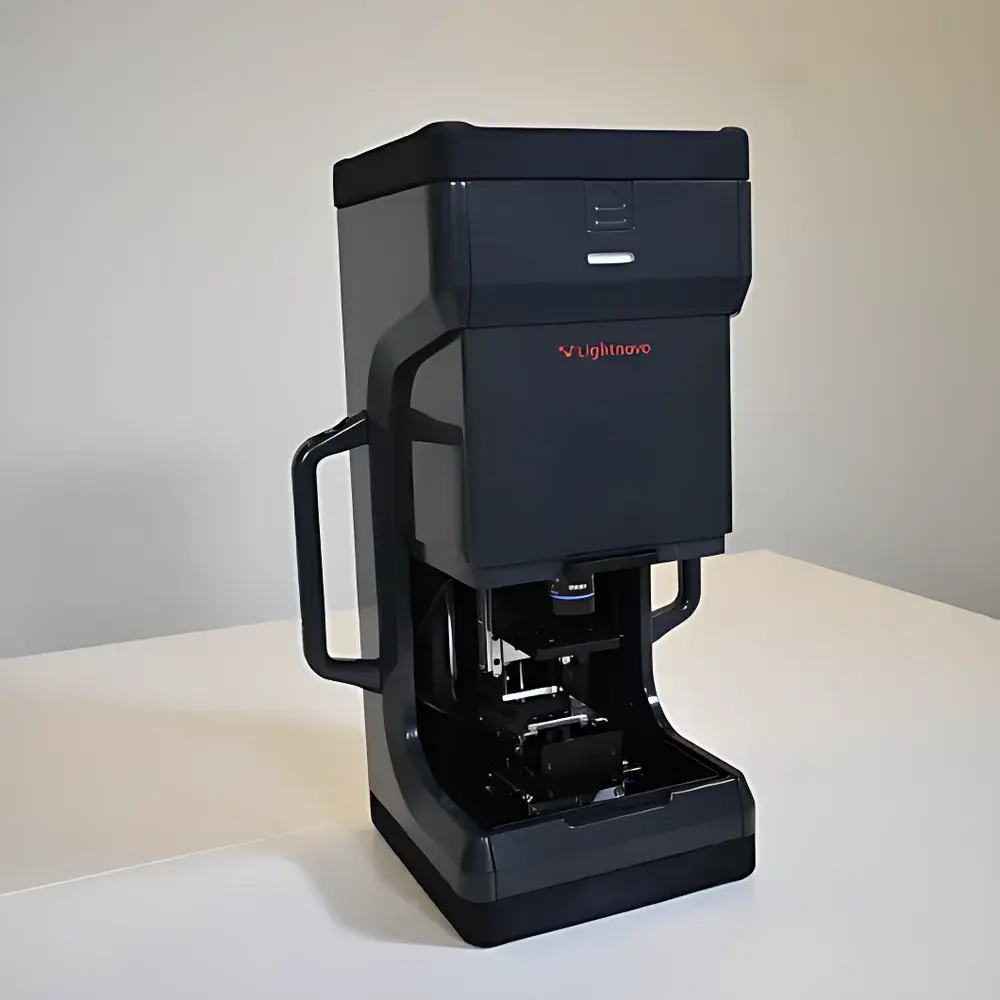
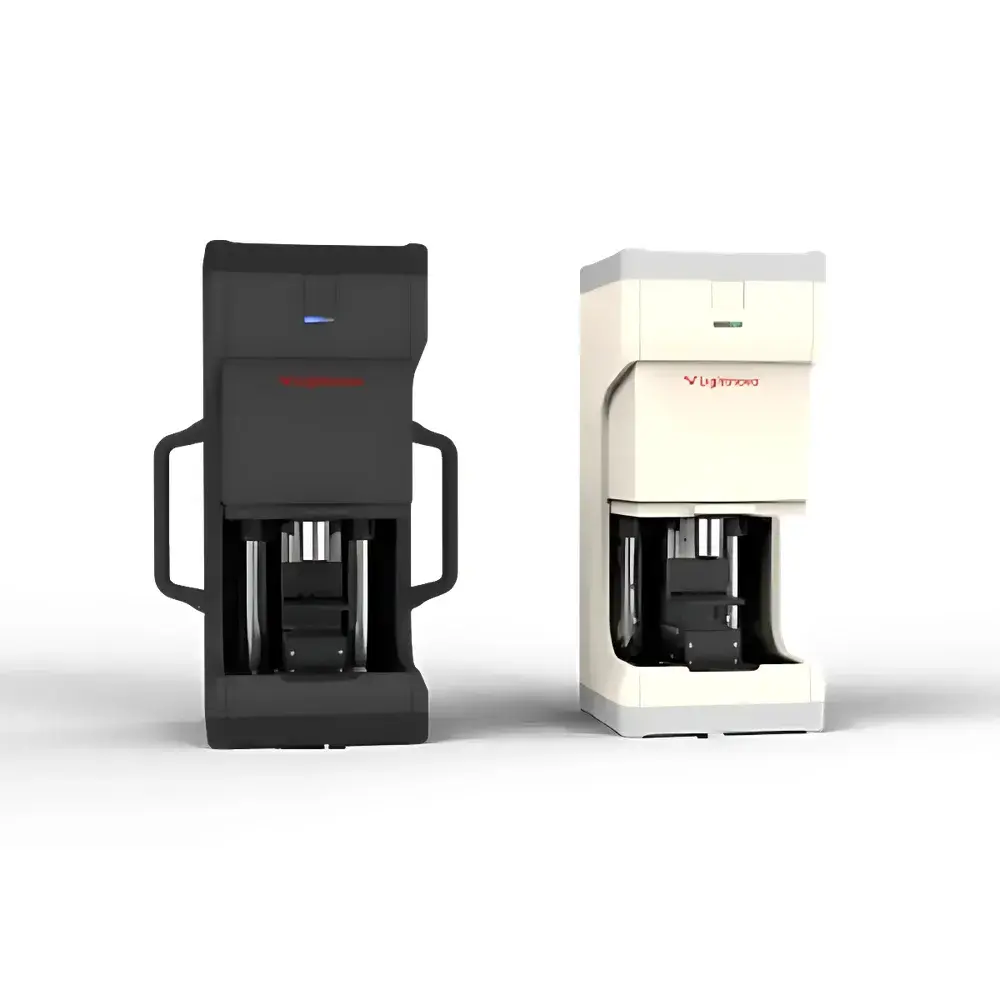
Lightnovo Micro-Raman Microscope
| Brand | Lightnovo |
|---|---|
| Origin | Denmark |
| Type | Confocal Micro-Raman Spectrometer |
| Model | Micro-Raman Microscope |
| Spectral Range | 786 cm⁻¹ (excitation wavelength, typically 785 nm laser) |
| Spectral Resolution | 2.5–3 cm⁻¹ |
| Lateral Spatial Resolution | 800–900 nm |
| Axial (Z) Resolution | 2.5–3 µm |
| Dimensions | 175 × 180 × 410 mm |
| Weight | 9.5–11.5 kg |
| Microscope Configuration | Upright & Inverted |
| XYZ Travel Range (Motorized) | 30 × 30 × 30 mm |
| XYZ Travel Range (Manual) | 10 × 10 × 13 mm |
| Minimum Step Size | 500 nm (XY), 500 nm (Z) |
| White-Light Reflectance Imaging | Integrated real-time camera with simultaneous laser spot visualization and Raman acquisition |
Overview
The Lightnovo Micro-Raman Microscope is a compact, research-grade confocal micro-Raman spectrometer engineered for high-fidelity chemical imaging and molecular fingerprinting at sub-micron spatial scales. It operates on the principle of inelastic light scattering—where monochromatic laser excitation (standard 785 nm diode laser) interacts with molecular vibrational modes, producing characteristic Raman shifts that serve as unique spectral signatures. Its integrated confocal optical architecture enables depth-resolved spectroscopic mapping by rejecting out-of-focus photons via a pinhole aperture aligned with the focal plane. Unlike conventional benchtop Raman systems, this instrument embeds a patented reference channel that continuously monitors and compensates for laser wavelength drift in real time—ensuring long-term wavenumber stability (< ±0.1 cm⁻¹ drift over 8 h) and intensity reproducibility across repeated acquisitions. Designed for integration into regulated laboratory environments, its mechanical rigidity, thermal management, and optical alignment stability support compliance with routine analytical validation requirements.
Key Features
- Patented dual-channel detection architecture: Simultaneous Raman signal acquisition and reference-based laser wavelength stabilization for automated, drift-free spectral calibration.
- True confocal design with adjustable pinhole: Enables optical sectioning with axial resolution of 2.5–3 µm using high-NA (0.95) 100× objectives—critical for stratified sample analysis (e.g., multilayer polymer films or biological tissue sections).
- Dual-mode microscope platform: Selectable upright or inverted configuration supports diverse sample geometries—from standard glass slides to fluidic cells, wafer substrates, or cultured cells in Petri dishes.
- High-precision motorized XYZ stage: 30 × 30 × 30 mm travel range with 500 nm step resolution in both lateral and axial directions—enabling quantitative hyperspectral Raman mapping with pixel sizes down to 200 nm (using oversampling protocols).
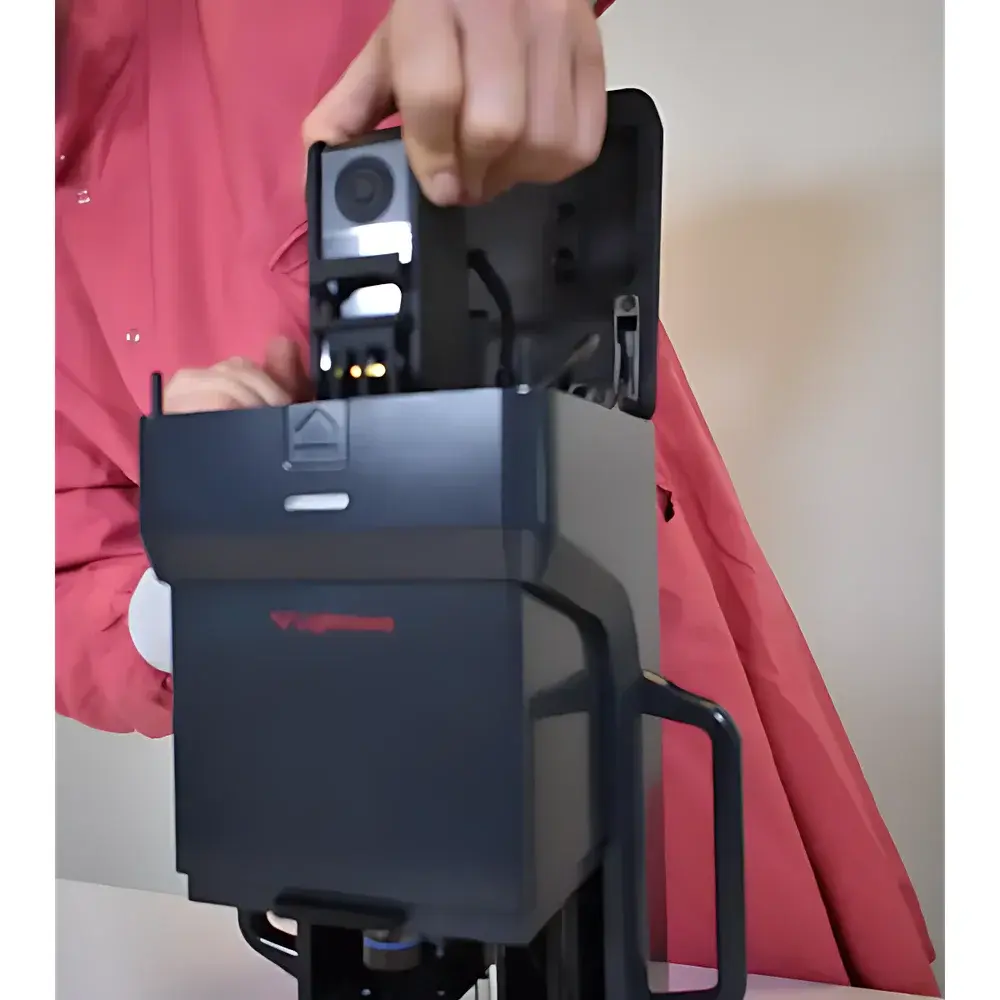
- Integrated white-light reflectance imaging: Co-aligned CMOS camera provides real-time visual navigation, precise laser spot positioning, and overlay-capable correlation between optical morphology and Raman chemistry.
- Modular expandability: Compatible with optional accessories including temperature-controlled stages, electrochemical cells, polarization optics, and SERS substrate holders—without compromising core optical throughput or alignment integrity.
Sample Compatibility & Compliance
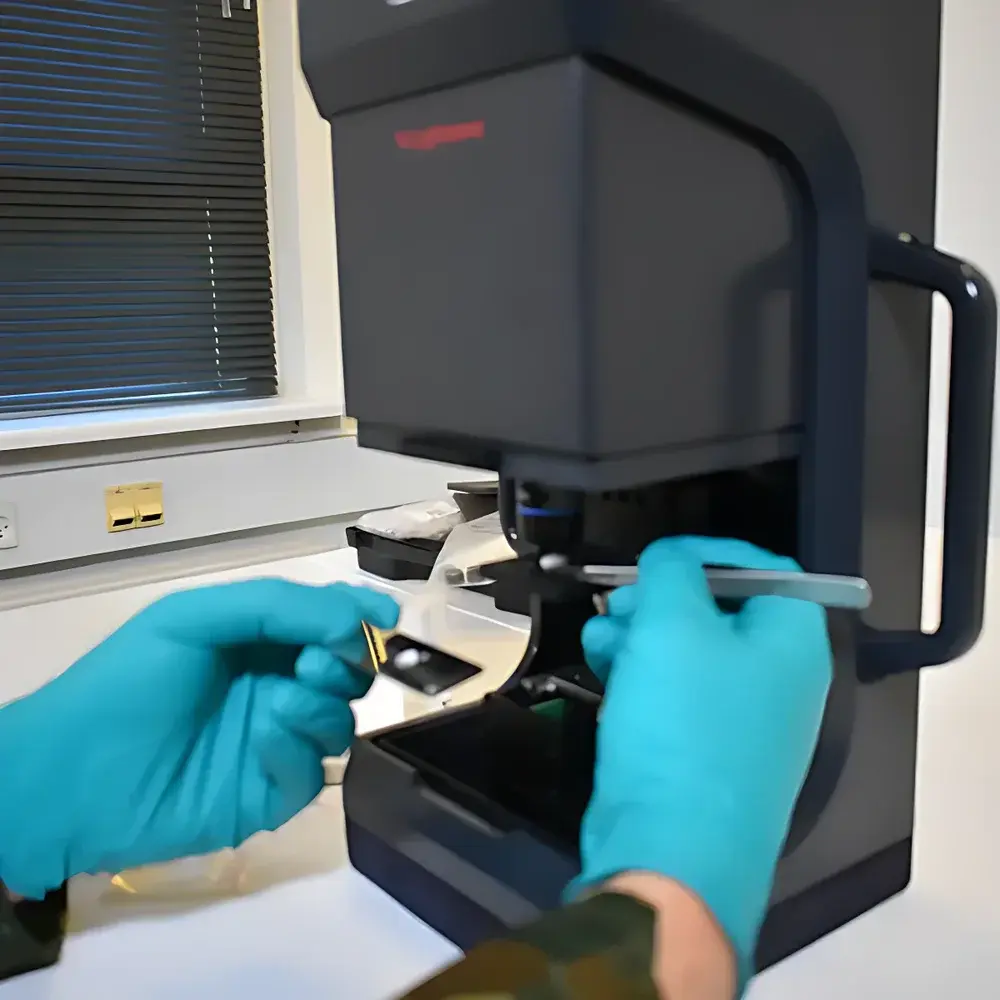
The Lightnovo Micro-Raman Microscope accommodates solid, liquid, and semi-solid specimens without destructive preparation. It supports standard microscopy formats (1″ × 3″ slides, 24 × 50 mm coverslips, silicon wafers) and accommodates thicknesses from <1 µm thin films to >1 mm bulk materials. Its non-contact, non-destructive measurement modality meets ASTM E1840-22 (Standard Guide for Raman Microspectroscopy) and ISO/IEC 17025:2017 requirements for method validation in accredited testing laboratories. The system’s firmware logs all acquisition parameters—including laser power, integration time, grating position, and stage coordinates—with timestamped metadata exportable in HDF5 or ASCII formats. Audit trails and user access controls align with FDA 21 CFR Part 11 readiness when deployed with validated LIMS or ELN integration.
Software & Data Management
Controlled via Lightnovo RamanSuite v4.x—a native Windows application supporting full instrument orchestration, spectral preprocessing (cosmic ray removal, baseline correction, fluorescence subtraction), multivariate analysis (PCA, cluster analysis), and hyperspectral image reconstruction. All raw spectra are stored in vendor-neutral .spc format compliant with GRAMS/AI and OPUS import standards. Batch processing pipelines support automated quality control checks (e.g., peak SNR thresholds, wavenumber shift alerts) and report generation in PDF or Excel. Data export options include spectral libraries (NIST-compatible), annotated maps (GeoTIFF), and metadata-rich JSON manifests suitable for FAIR (Findable, Accessible, Interoperable, Reusable) data governance frameworks.
Applications
- Life Sciences & Pharma: Label-free identification of protein secondary structure in fixed tissue sections; pharmaceutical polymorph mapping in tablet cross-sections; SERS-based detection of biomarkers in serum exosomes.
- Materials Science: Strain distribution analysis in 2D transition metal dichalcogenides; carbon nanotube chirality assignment; oxidation state mapping in battery cathode particles.
- Geoscience & Forensics: Mineral phase discrimination in thin sections; pigment identification in historical artwork; trace explosive residue detection on porous substrates.
- Quality Assurance: Authentication of premium spirits via ethanol/water Raman band ratio profiling; counterfeit electronics component verification through polymer encapsulant spectral fingerprinting.
FAQ
What excitation wavelength does the system use?
The standard configuration employs a 785 nm diode laser optimized for minimal fluorescence interference across organic and biological samples.
Is the system compatible with cryogenic or environmental stages?
Yes—the modular optical train and open-stage interface support third-party temperature-controlled (−190 °C to +600 °C) and humidity-regulated chambers with vacuum feedthroughs.
Can it perform time-resolved Raman measurements?
With optional pulsed laser coupling and gated detection upgrades, the platform supports kinetics studies with temporal resolution down to 10 ns.
Does the software support GLP-compliant reporting?
Yes—electronic signatures, audit trail logging, and customizable report templates meet GLP and GMP documentation requirements for regulated QC labs.
What maintenance is required for long-term calibration stability?
No routine recalibration is needed; the built-in reference channel ensures continuous wavenumber accuracy. Annual factory verification is recommended for ISO 17025 accreditation.
Related Products







