
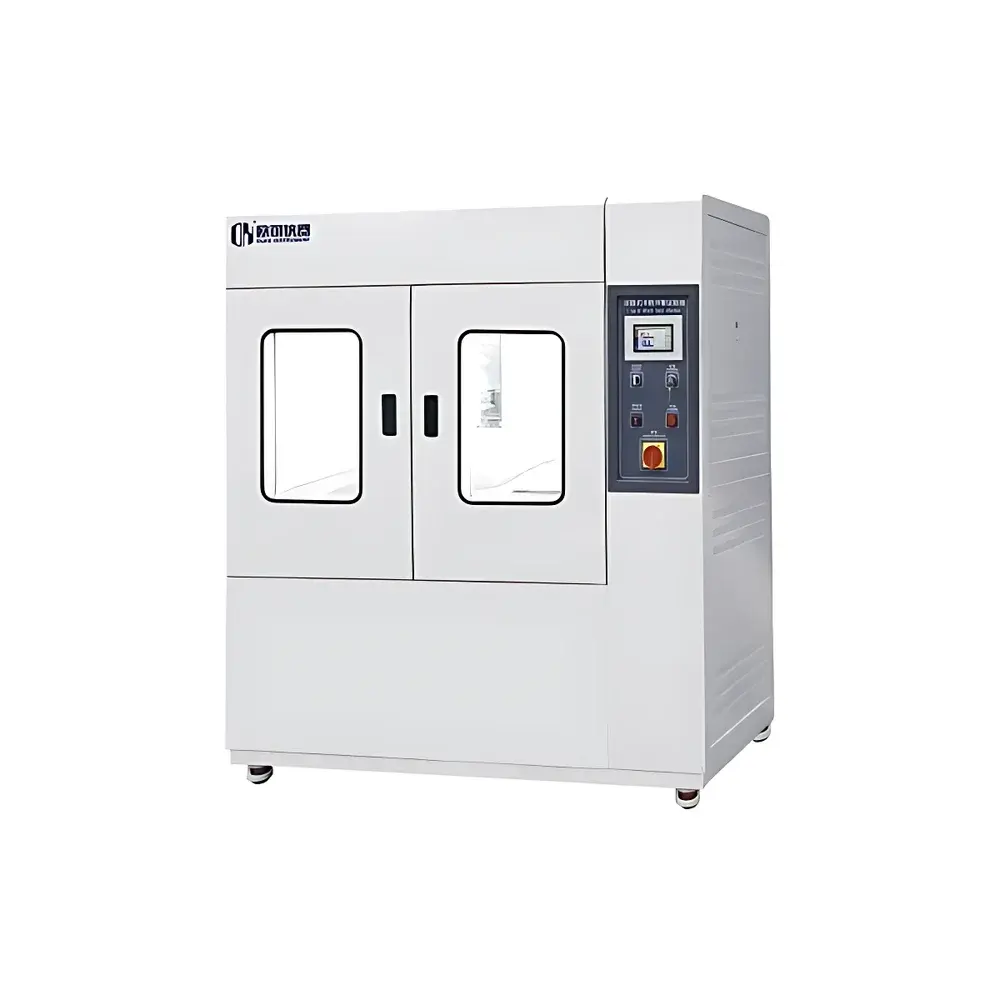
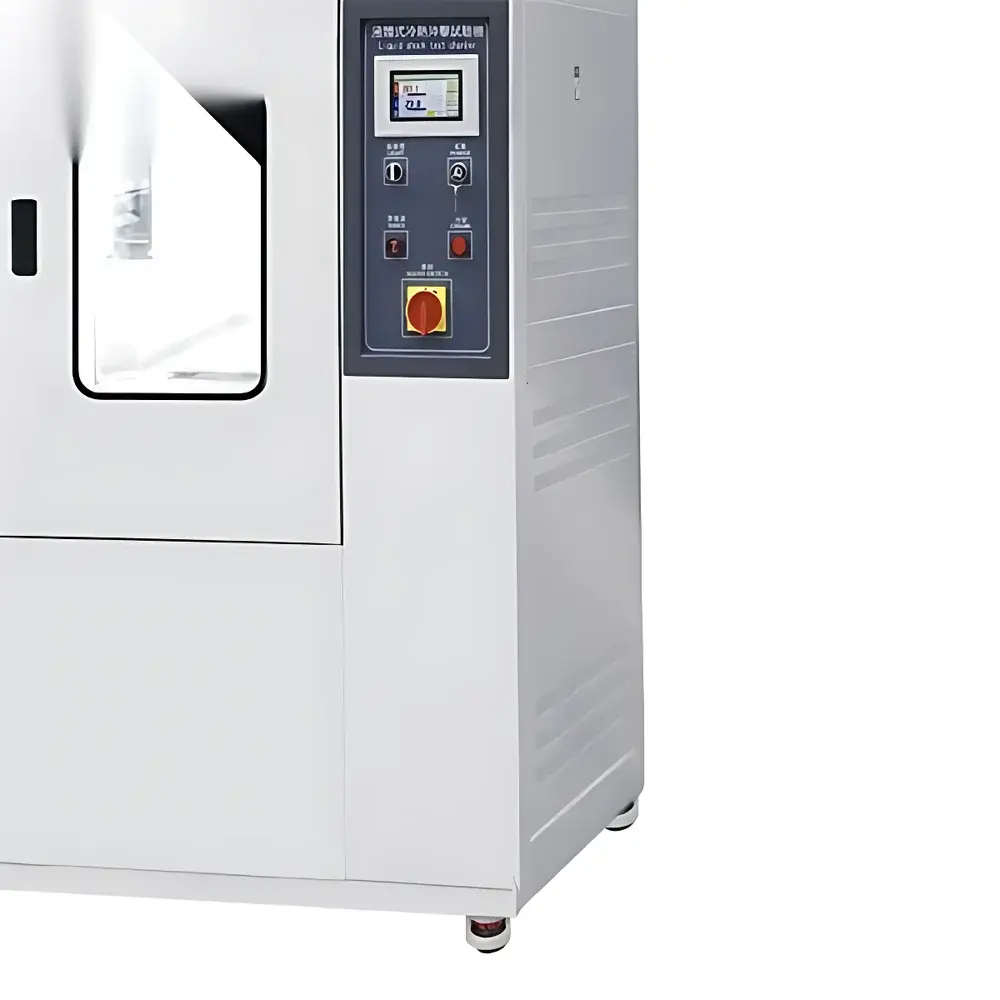
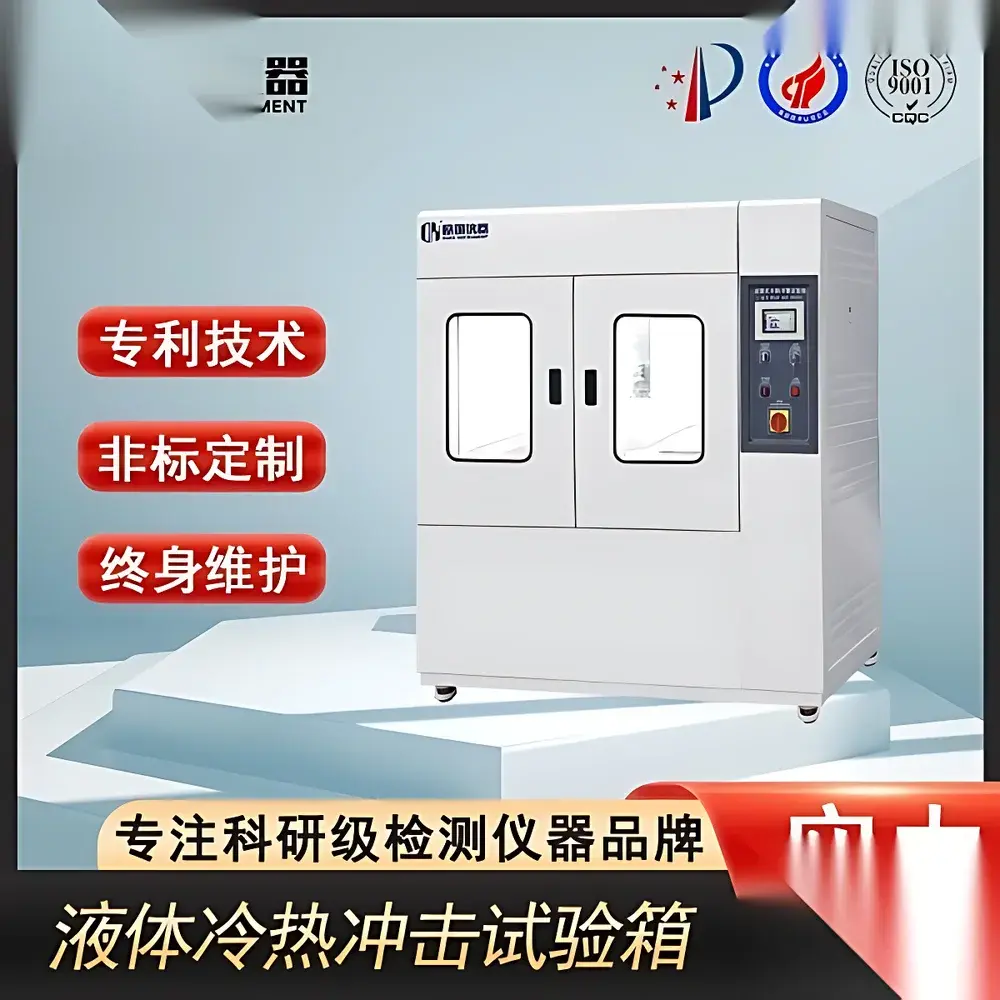
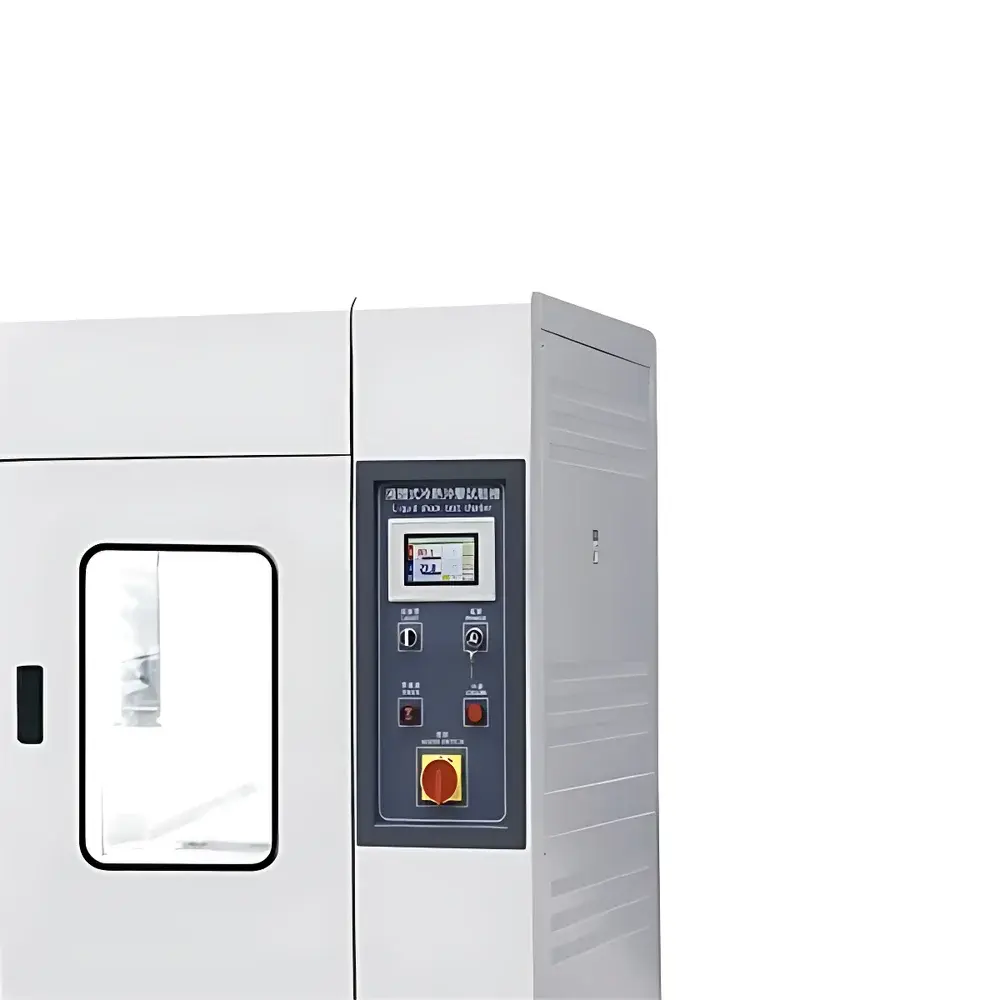
Liquid Impact Thermal Shock Test Chamber
| Brand | Other Brands |
|---|---|
| Origin | Imported |
| Manufacturer Type | General Distributor |
| Price | USD 14,000 (approx.) |
Overview
The Liquid Impact Thermal Shock Test Chamber is a high-performance environmental simulation system engineered for rapid, controlled thermal cycling between extreme low- and high-temperature liquid baths. Unlike air-based thermal shock chambers, this system utilizes dual liquid reservoirs—typically filled with silicone oil or specialized heat-transfer fluids—to achieve significantly higher heat transfer coefficients, enabling sub-second transition times and precise temperature stabilization. It operates on the principle of forced convection immersion, where test specimens are mechanically transferred between cryogenic (e.g., −65 °C) and elevated (e.g., +150 °C) liquid environments within milliseconds. This methodology subjects materials and assemblies to accelerated thermal stress conditions that replicate real-world operational extremes encountered in aerospace avionics, automotive power electronics, semiconductor packaging, and defense-grade electro-optical systems. The chamber is designed to evaluate structural integrity, interfacial adhesion, solder joint reliability, and microcrack propagation under repeated thermal strain—critical parameters in qualification testing per MIL-STD-883, JEDEC JESD22-A106, and AEC-Q200.
Key Features
- Dual-liquid immersion architecture with independent temperature-controlled hot and cold baths
- High-speed pneumatic or servo-driven specimen transfer mechanism (typical transfer time ≤ 1.5 s)
- Precision temperature control: ±0.5 °C stability across full operating range (−70 °C to +180 °C)
- Programmable thermal shock profiles including step, ramp, and dwell cycles with up to 999 segments
- Integrated safety interlocks: overtemperature protection, liquid level monitoring, leak detection, and emergency stop
- Stainless steel 316L inner chamber construction resistant to thermal degradation and fluid corrosion
- Compliant with IEC 60068-2-14 (Test N: Change of Temperature) and ISO 16750-4 for automotive component validation
Sample Compatibility & Compliance
The chamber accommodates a wide range of sample geometries—including PCBs, BGA substrates, MEMS devices, battery modules, and small mechanical assemblies—via customizable fixtures and basket configurations. Its design supports both single-unit and batch-level testing without compromising thermal uniformity (±2 °C across 90% of working volume). All operational protocols align with internationally recognized standards for environmental stress screening, including but not limited to: GB/T 2423.22–2002 (Temperature Change), GJB 150.5A–2009 (Military Standard Thermal Shock), SJ/T 10187–1991 (Single-Chamber Liquid Immersion Type), and EIA-364-32 (Thermal Shock Testing of Electrical Connectors). Data traceability meets GLP and GMP requirements when paired with optional audit trail-enabled controllers compliant with FDA 21 CFR Part 11.
Software & Data Management
Equipped with a Windows-based control interface, the system provides real-time monitoring of bath temperatures, transfer timing, cycle count, and deviation alarms. The embedded software enables creation of custom test sequences, automatic report generation (PDF/CSV), and export of timestamped thermal profiles with millisecond resolution. Optional Ethernet/IP or Modbus TCP connectivity allows integration into centralized laboratory information management systems (LIMS) or MES platforms. All data logs include operator ID, calibration status flags, and hardware version metadata to support ISO/IEC 17025 accreditation workflows.
Applications
- Qualification of IC packages and flip-chip interconnects under JEDEC JESD22-A104 (Temperature Cycling) and JESD22-A106 (Thermal Shock)
- Validation of adhesive bond strength in multi-material assemblies used in electric vehicle battery enclosures
- Accelerated life testing of optical sensors exposed to desert-to-alpine ambient transitions
- Reliability assessment of ceramic capacitors and piezoelectric actuators in aerospace guidance systems
- Failure mode analysis of conformal coatings and underfill materials in high-density PCBs
- Pre-screening of medical device components prior to ISO 13485-compliant production release
FAQ
What distinguishes liquid-immersion thermal shock from air-based systems?
Liquid immersion delivers superior heat transfer rates due to higher thermal conductivity and specific heat capacity of oils versus air—enabling faster transitions, tighter temperature tolerances, and more representative stress application.
Can the chamber be calibrated to national metrology standards?
Yes—traceable calibration certificates per ISO/IEC 17025 are available through authorized third-party laboratories using NIST-traceable PRTs and data loggers.
Is remote monitoring supported?
Standard Ethernet interface enables secure remote access via VPN; optional cloud-based dashboard provides real-time alerts and historical trend analysis.
What maintenance intervals are recommended?
Bath fluid replacement every 12 months (or per manufacturer’s viscosity specification), quarterly verification of transfer mechanism timing accuracy, and annual full-system performance validation.
Does the system support automated pass/fail evaluation against user-defined thresholds?
Yes—the control software includes configurable acceptance criteria logic, with automatic flagging of out-of-spec cycles and generation of non-conformance reports.
Related Products



