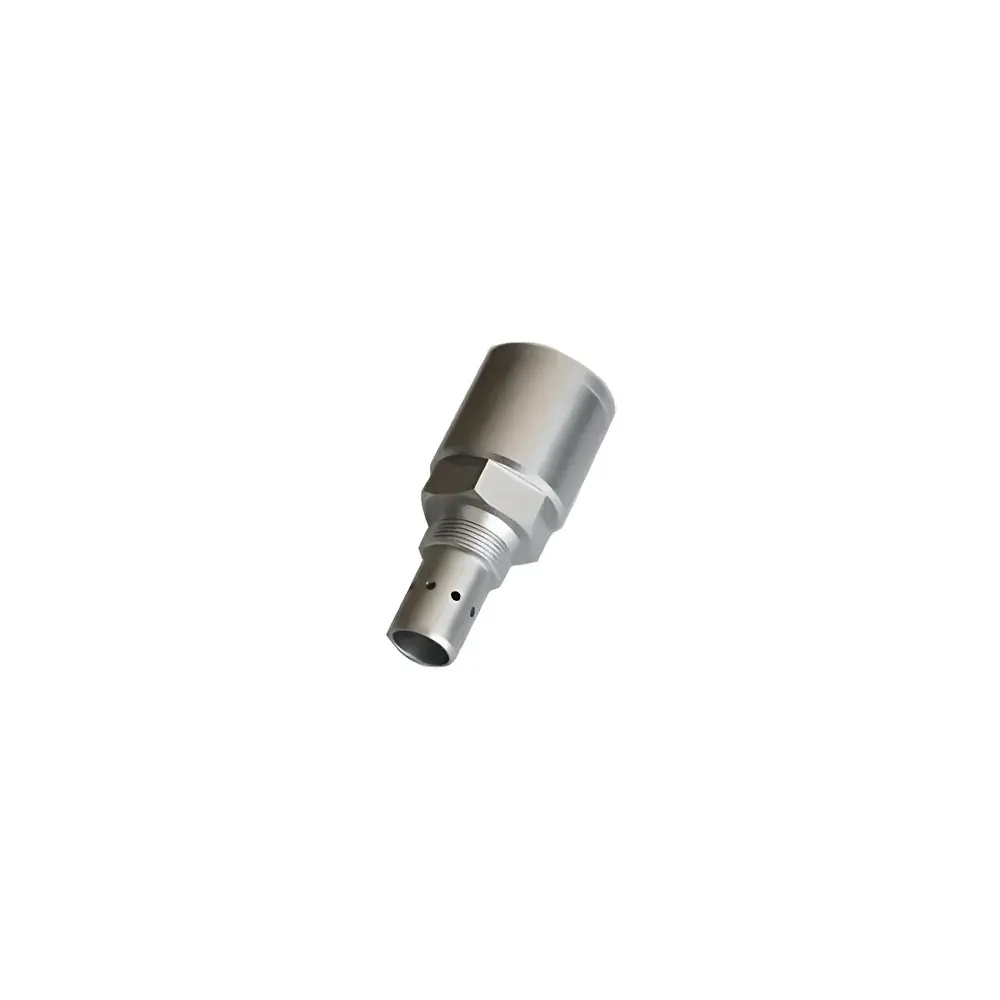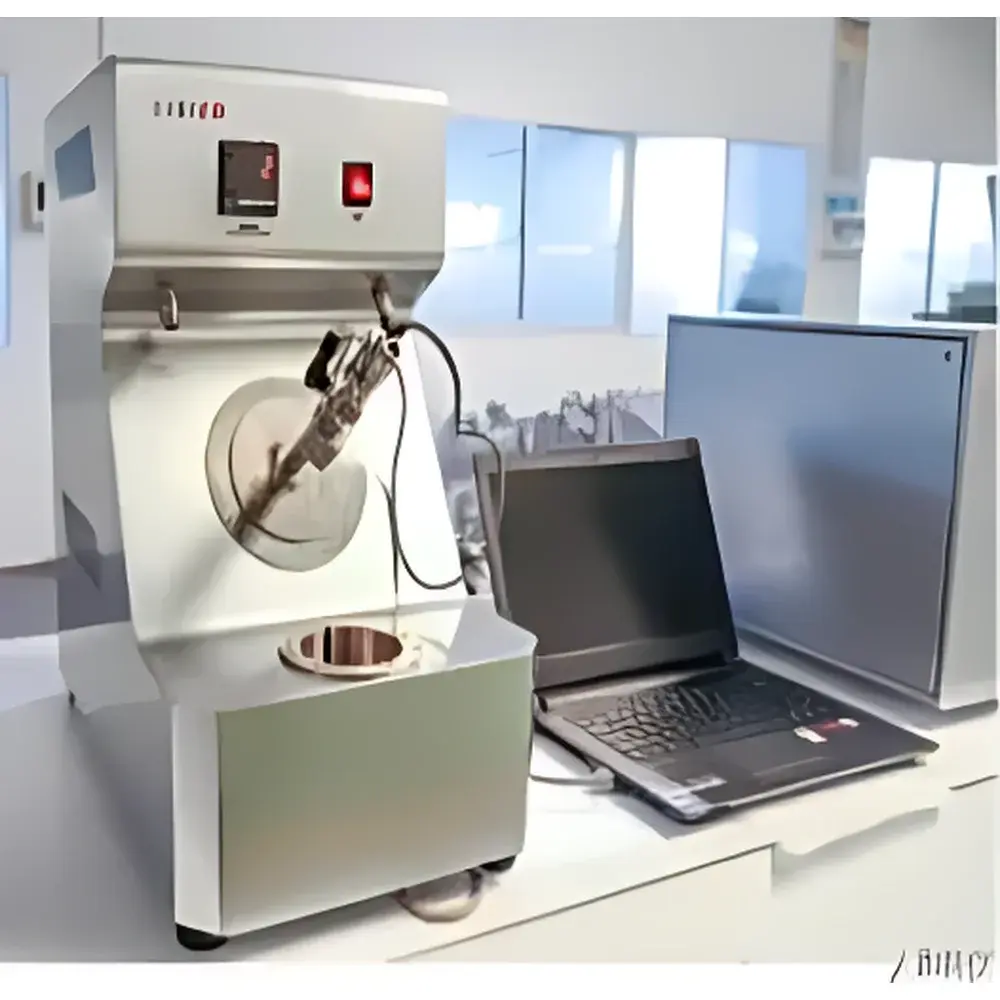
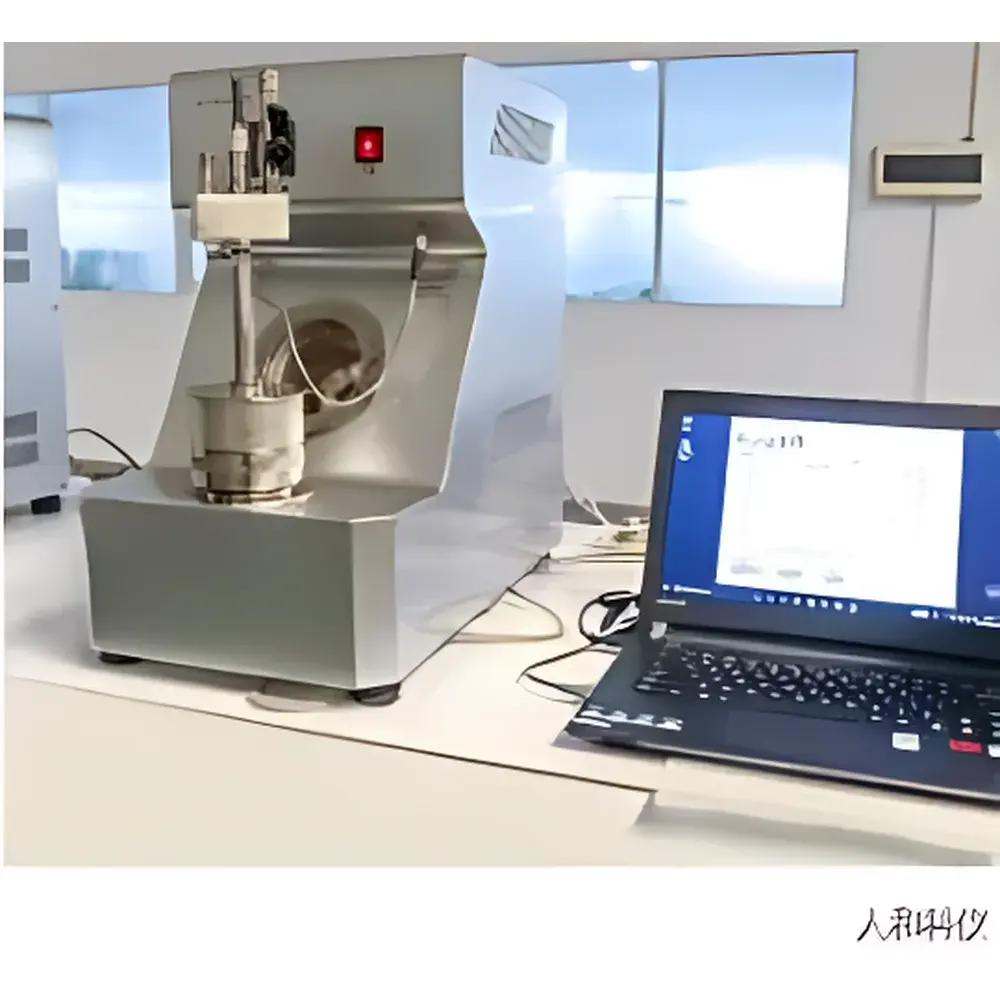
LISICO LS-O Automated Rotational Bomb Oxidation Stability Tester
| Brand | LISICO |
|---|---|
| Origin | Shanghai, China |
| Model | LS-O (Rotating Bomb Oxidation Method) |
| Detection Parameter | Oxidation Stability |
| Temperature Control Points | 140.0 ± 0.1 °C and 150.0 ± 0.1 °C |
| Rotation Speed | 100 ± 5 rpm |
| Pressure Range | 0–1.6 MPa (Pressure Sensor Accuracy: ±0.1% FS |
| Precision Gauge | 0.25 Class) |
| Power Consumption | ≤1400 W |
| Dimensions | 300 × 500 × 500 mm (W × D × H) |
| Weight | 40 kg |
| Compliance Standards | SH/T 0193, ASTM D2272 |
| Interface | Ethernet for LIMS integration |
| Data Storage | Local HDD with persistent multi-test archive |
| Max Concurrent Units per PC | 4 |
Overview
The LISICO LS-O Automated Rotational Bomb Oxidation Stability Tester is an engineered solution for quantitative assessment of oxidation resistance in lubricating oils under accelerated, high-pressure oxygen environments. Based on the rotating bomb oxidation test (RBOT) principle—defined in ASTM D2272 and SH/T 0193—the instrument subjects a standardized oil sample contained within a stainless-steel oxygen bomb to controlled thermal stress (140.0 °C or 150.0 °C), mechanical agitation (100 ± 5 rpm), and elevated oxygen pressure (up to 1.6 MPa). Oxidation onset is detected via real-time monitoring of pressure decay, where the inflection point in the pressure–time curve indicates the induction period—the primary metric for oxidation stability. Unlike conventional oil-bath systems, the LS-O employs a solid-state metal heating block, eliminating silicone oil dependency, thermal stratification, vapor emissions, and post-test cleaning burdens. Its closed-loop architecture ensures repeatable thermal uniformity and mechanical stability critical for interlaboratory reproducibility.
Key Features
- Metal bath heating system: Provides rapid, uniform temperature stabilization without silicone oil—reducing maintenance, fire risk, and ambient contamination.
- Intelligent process control: Fully automated sequence including oxygen pressurization, leak verification, temperature ramping, rotational initiation, pressure/temperature logging, inflection detection, and test termination.
- High-fidelity metrology: Dual-pressure monitoring path—industrial-grade pressure sensor (0–1.6 MPa, ±0.1% full scale) and certified 0.25-class mechanical pressure gauge—with independent temperature calibration port for NIST-traceable validation.
- Patented magnetic coupling drive: Ensures continuous, slip-free rotation of the oxygen bomb at 100 ± 5 rpm, even under high-viscosity or particulate-laden samples.
- Robust safety architecture: Over-temperature cutoff (hardware-independent thermal fuse), pressure relief valve, and real-time leak diagnostics prior to each test cycle.
- Scalable data infrastructure: Local hard disk storage supports indefinite retention of raw pressure–time curves, metadata, and operator logs; Ethernet interface enables direct integration into laboratory information management systems (LIMS) compliant with ISO/IEC 17025 workflows.
- Multi-unit coordination: Single Windows-based host PC can simultaneously supervise up to four LS-O units, enabling parallel testing while maintaining individual audit trails and timestamped event records.
Sample Compatibility & Compliance
The LS-O accommodates standard 100 mL stainless-steel oxygen bombs per ASTM D2272 and SH/T 0193 specifications. It supports mineral, synthetic, and semi-synthetic lubricants—including turbine oils, hydraulic fluids, engine oils, and greases—provided samples meet minimum volatility and water content thresholds defined in the referenced standards. All operational parameters—including temperature setpoint accuracy (±0.1 °C), rotation speed tolerance (±5 rpm), and pressure resolution (0.001 MPa)—are validated against SH/T 0193 repeatability and reproducibility requirements. The system’s electronic logbook meets GLP documentation criteria, with immutable timestamps, user authentication, and change tracking suitable for regulatory submissions under FDA 21 CFR Part 11 when deployed with validated software configuration.
Software & Data Management
The embedded Windows-based control software provides real-time dual-axis plotting (pressure vs. time, temperature vs. time), automatic derivative calculation for inflection point identification, and configurable pass/fail thresholds based on user-defined induction period limits. Raw datasets are saved in CSV and proprietary binary formats with embedded calibration IDs and environmental metadata. Audit trail functionality records all operator actions, parameter modifications, and system alerts with digital signature capability. Export modules support ASTM E1382-compliant report generation, including statistical summaries across multiple runs. Network deployment allows centralized firmware updates, remote diagnostics, and role-based access control aligned with ISO/IEC 27001 information security practices.
Applications
- Quality control laboratories evaluating batch-to-batch consistency of antioxidant-treated lubricants.
- R&D facilities screening novel additive packages for oxidative inhibition efficacy.
- Third-party certification bodies performing accredited testing per ASTM D2272 or SH/T 0193 for OEM specification compliance.
- Refinery QC departments monitoring base oil oxidation stability during blending and storage.
- Independent testing labs supporting litigation or warranty claims requiring defensible, auditable oxidation data.
FAQ
What standards does the LS-O comply with?
ASTM D2272 and SH/T 0193 are fully supported; instrument performance validation protocols align with the precision requirements specified in both methods.
Can the LS-O operate unattended overnight?
Yes—its solid-state thermal design, non-volatile memory, and hardware watchdog circuitry enable continuous operation without supervision; maximum test duration is unconstrained by firmware or hardware limits.
Is calibration traceable to national standards?
Yes—integrated temperature and pressure calibration ports accept external reference instruments certified to NIST or CNAS-accredited standards; calibration certificates can be generated per ISO/IEC 17025 Annex A.3.
How is data integrity ensured during network transmission to LIMS?
All Ethernet communications use TLS 1.2 encryption; data packets include CRC-32 checksums and sequence numbering to prevent corruption or replay attacks.
What maintenance is required for long-term reliability?
Annual verification of pressure sensor linearity, temperature uniformity mapping across the metal bath surface, and magnetic coupling torque calibration—documented in the included preventive maintenance checklist.