
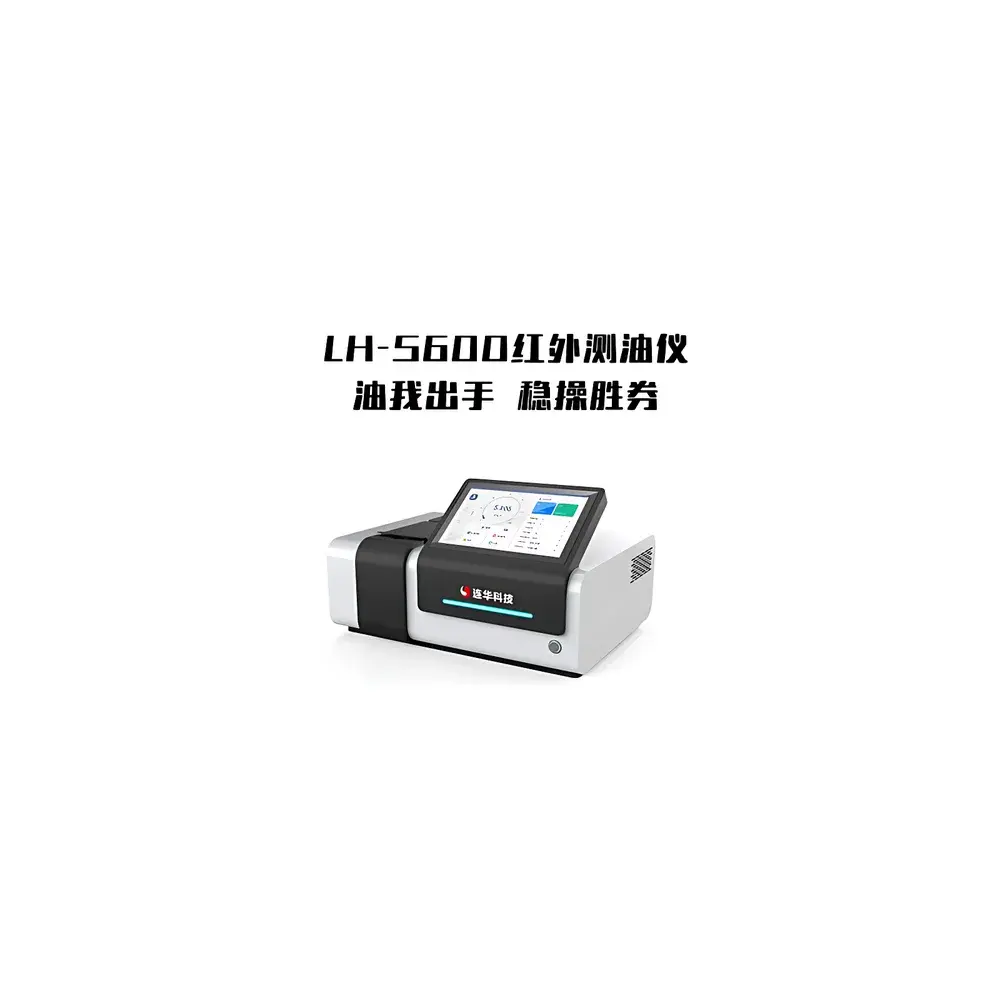
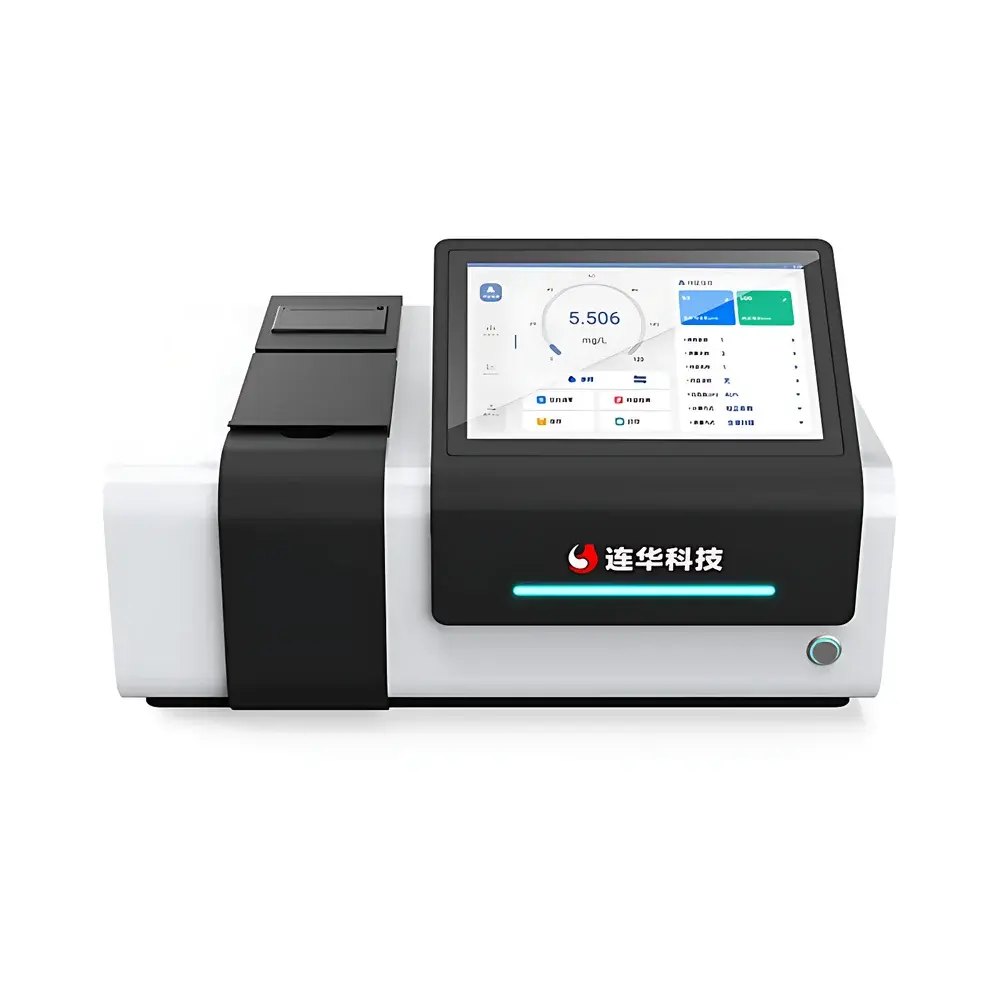
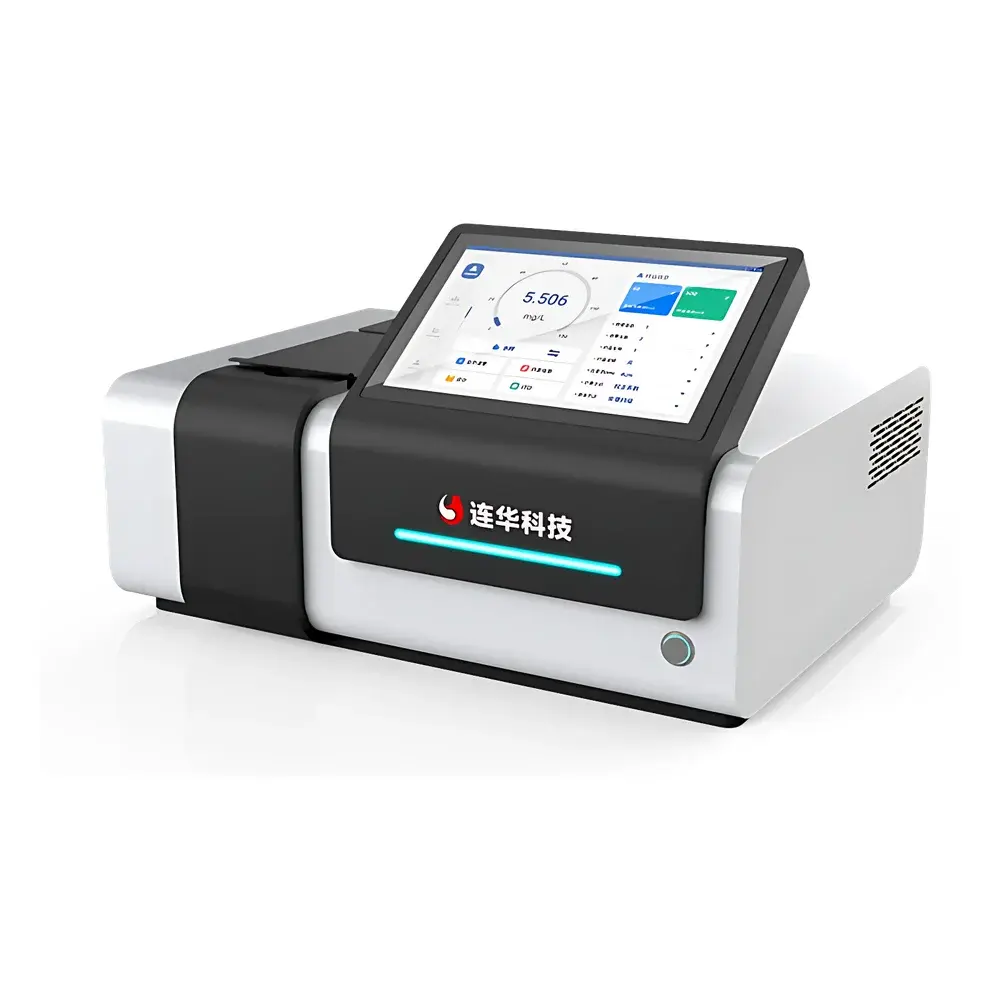
Lohan Tech LH-S600 Infrared Oil Content Analyzer
| Brand | Lohan Tech |
|---|---|
| Origin | Beijing, China |
| Manufacturer Type | Direct Manufacturer |
| Regional Classification | Domestic (China) |
| Model | LH-S600 |
| Instrument Type | Laboratory Benchtop Analyzer |
| Measurement Principle | Infrared Spectrophotometry (C–H Stretch Absorption at 2930 cm⁻¹, 2960 cm⁻¹, and 2850 cm⁻¹) |
| Measurement Range | 2–800 mg/L |
| Detection Limit | 0.5 mg/L |
| Accuracy | ±1% (for concentrations >10 mg/L) |
| Resolution | 0.1 mg/L |
| Measurement Cycle | 45 s per full-spectrum scan |
Overview
The Lohan Tech LH-S600 Infrared Oil Content Analyzer is a fully integrated, laboratory-grade benchtop instrument engineered for precise quantification of total petroleum hydrocarbons (TPH), mineral oil, and animal/vegetable oils in water, soil, and stack gas condensates. It operates on the principle of infrared absorption spectrophotometry—specifically measuring the asymmetric and symmetric C–H stretching vibrations of aliphatic hydrocarbons at standardized wavenumbers (2960 cm⁻¹, 2930 cm⁻¹, and 2850 cm⁻¹) as defined in HJ 637–2018, HJ 1077–2019, and HJ 1051–2019. Unlike filter-based or gravimetric methods, the LH-S600 delivers trace-level sensitivity with high spectral fidelity, eliminating interferences from non-hydrocarbon organics through multi-wavelength ratio correction and baseline compensation algorithms. Its optical architecture employs a thermoelectrically stabilized tungsten source with electronic modulation—ensuring stable radiant output, minimal warm-up time (<30 s), and long-term photometric reproducibility without mechanical choppers.
Key Features
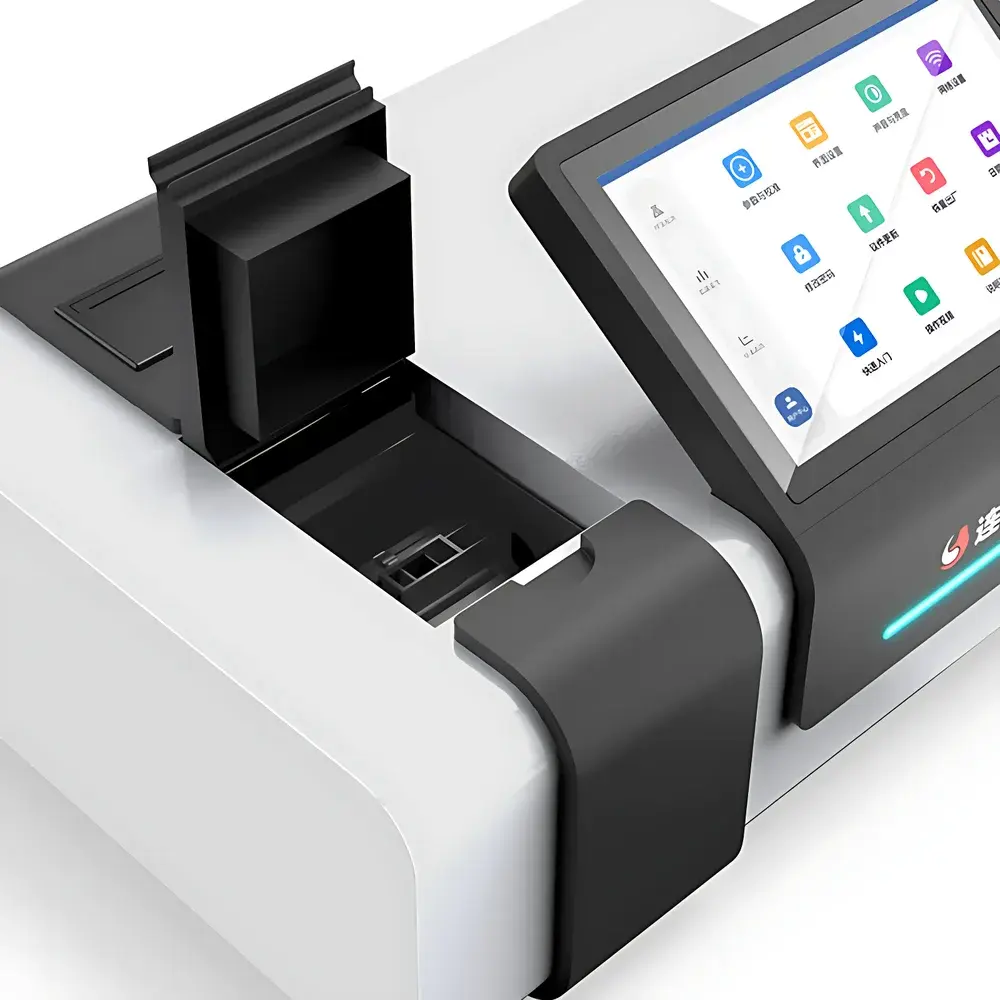
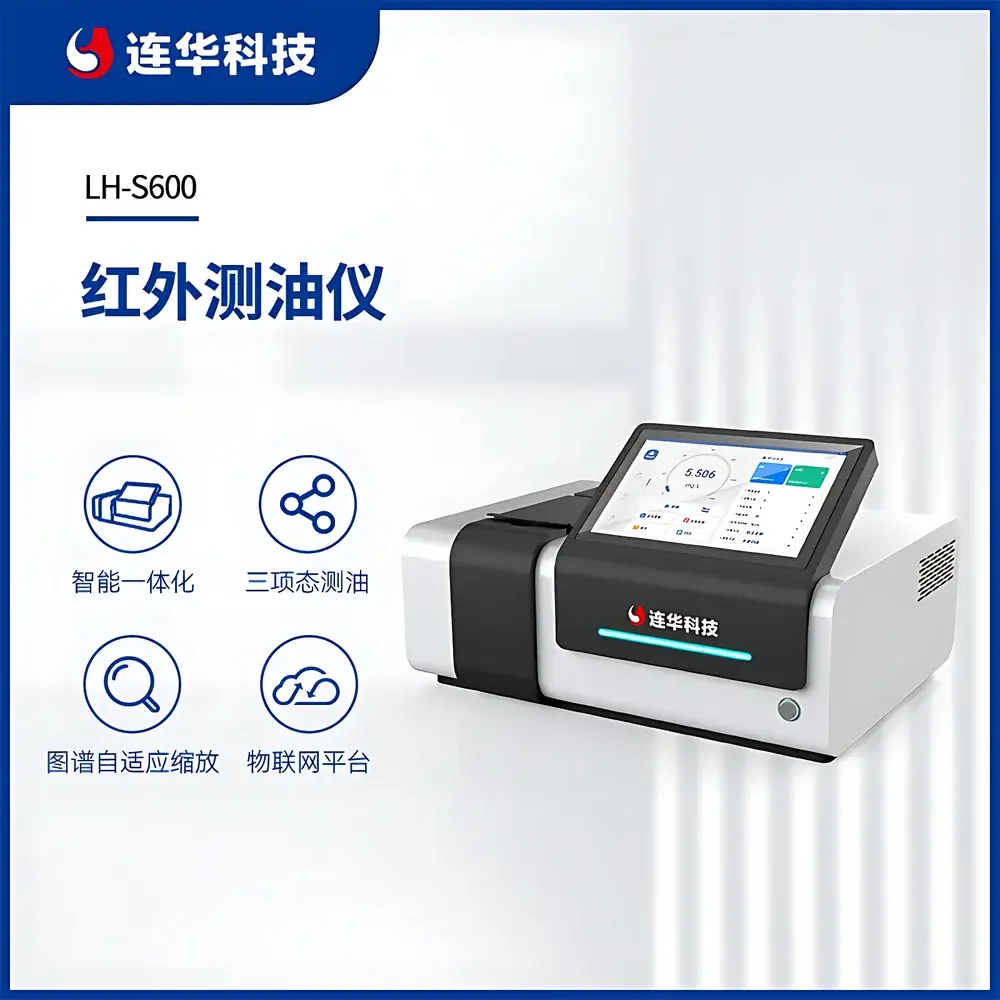
- Integrated 10-inch capacitive touchscreen (1920 × 1200 resolution) running the proprietary LHOS operating system—no external PC, keyboard, or mouse required for routine operation.
- Multi-phase compatibility: validated for liquid (water extracts), solid (soil/sediment extracts), and gaseous (cooled flue gas condensates) matrices per Chinese environmental standards.
- Three operational modes: full-spectrum scanning (4000–400 cm⁻¹, 45 s), three-point non-dispersive measurement (2960/2930/2850 cm⁻¹, 15 s), and user-defined discrete-wavelength analysis.
- Optical path flexibility: supports six standard cuvette pathlengths (0.5, 1, 2, 3, 4, and 5 cm) to accommodate wide dynamic range without manual dilution.
- Real-time solvent purity verification: automated tetra-chloroethylene (C₂Cl₄) spectral validation with pass/fail flagging based on absorbance criteria at reference wavelengths.
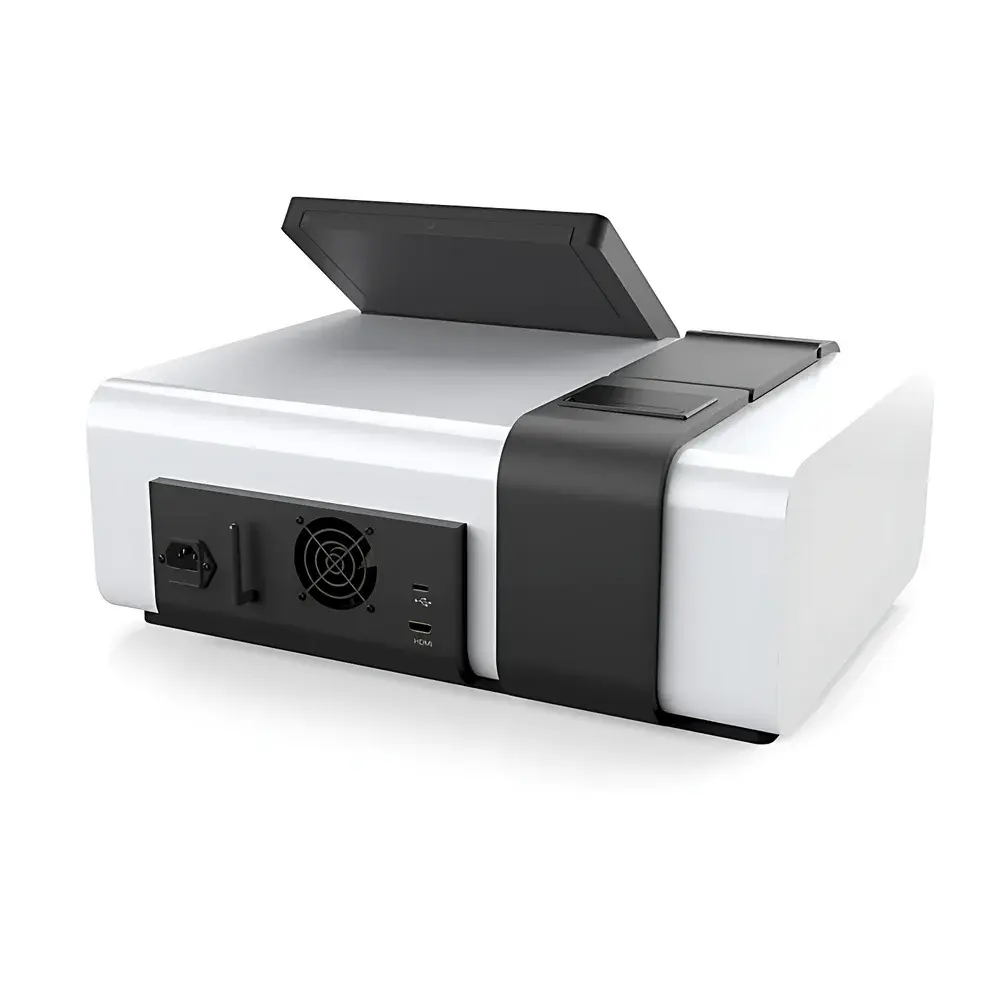
- HDMI video output and USB peripheral support enable classroom demonstration, remote collaboration, and ergonomic large-screen workflows.
- Embedded thermal printer with batch-print capability and customizable report templates (PDF/Excel export via USB or direct data cable).
- Hardware-level system health monitoring: continuous CPU temperature, memory usage, and optical alignment diagnostics with automatic recovery and event-logged fault history.
Sample Compatibility & Compliance
The LH-S600 is explicitly validated for use in regulatory-compliant environmental testing laboratories performing analyses under China’s Ministry of Ecology and Environment (MEE) standards: HJ 637–2018 (water), HJ 1077–2019 (stack emissions), and HJ 1051–2019 (soil). It supports extraction protocols using C₂Cl₄ or alternative IR-transparent solvents (e.g., FC-40), with built-in correction for solvent blank drift and matrix-specific scattering effects. All calibration curves adhere to linear least-squares regression with R² ≥ 0.999; residual error reporting and outlier detection are embedded in the quantitation engine. Data integrity meets GLP-aligned requirements, including audit-trail logging of all user actions, method versioning, and timestamped raw spectrum storage.
Software & Data Management
The LHOS platform provides native database management supporting up to 50 million measurement records with field-level indexing (sample ID, date/time, operator, method ID, QC batch). Users may apply Boolean filters by keyword, date range, concentration thresholds, or measurement cycle. Calibration curves are fully editable: users define concentration points, select fitting models (linear, quadratic), view residuals, and export curve parameters (slope, intercept, correlation coefficient). Data export supports CSV, Excel (.xlsx), and PDF formats—with embedded metadata (instrument ID, firmware version, compliance standard referenced). Optional integration with enterprise LIMS or cloud-based Lohan Cloud enables centralized data aggregation, trend analytics, and cross-site method harmonization.
Applications
- Wastewater treatment plant effluent monitoring for petroleum hydrocarbon discharge compliance.
- Soil remediation site assessment—quantifying residual TPH in excavated or in-situ samples.
- Industrial stack emission audits for cooking oil mist (food processing) and lubricating oil aerosol (metalworking).
- Environmental impact assessment (EIA) studies requiring high-throughput screening of surface water, groundwater, and sediment pore water.
- Method development and validation labs requiring trace-level repeatability (RSD < 2.5% at 5 mg/L, n = 6) and inter-laboratory transferability.
- Academic research in environmental chemistry, where spectral visualization, wavelength customization, and open data access are essential.
FAQ
Does the LH-S600 comply with international standards such as ISO 9377-2 or ASTM D7066?
The instrument is designed and validated per Chinese national standards (HJ series). While not pre-certified to ISO or ASTM, its optical design, spectral resolution, and calibration traceability align with the technical requirements of ISO 9377-2 (petroleum hydrocarbons in water) and ASTM D7066 (oil in water by IR). Method adaptation and lab-specific validation are recommended for cross-standard adoption.
Can the LH-S600 be connected to a laboratory information management system (LIMS)?
Yes—via USB-host mode or optional Ethernet module, the instrument supports HL7-compliant data streaming and structured CSV/Excel exports compatible with major LIMS platforms. Custom API integration is available upon request.
What maintenance is required for the optical system?
The electronically modulated tungsten source requires no alignment or periodic replacement during normal operation (rated lifetime > 5,000 h). Cuvette holder optics are sealed and contamination-resistant; routine cleaning involves only lint-free wipes and spectroscopic-grade solvent.
Is remote firmware update supported?
Yes—over-the-air (OTA) updates are delivered via Lohan Cloud or local USB drive, with version rollback capability and integrity checksum verification.
How does the instrument handle spectral interference from surfactants or chlorinated solvents?
The LH-S600 applies a three-wavelength correction algorithm (2960/2930/2850 cm⁻¹) to mathematically suppress contributions from aromatic C–H, carbonyl, and C–Cl vibrational bands—ensuring specificity for aliphatic hydrocarbons per HJ 637–2018 Annex A.







