
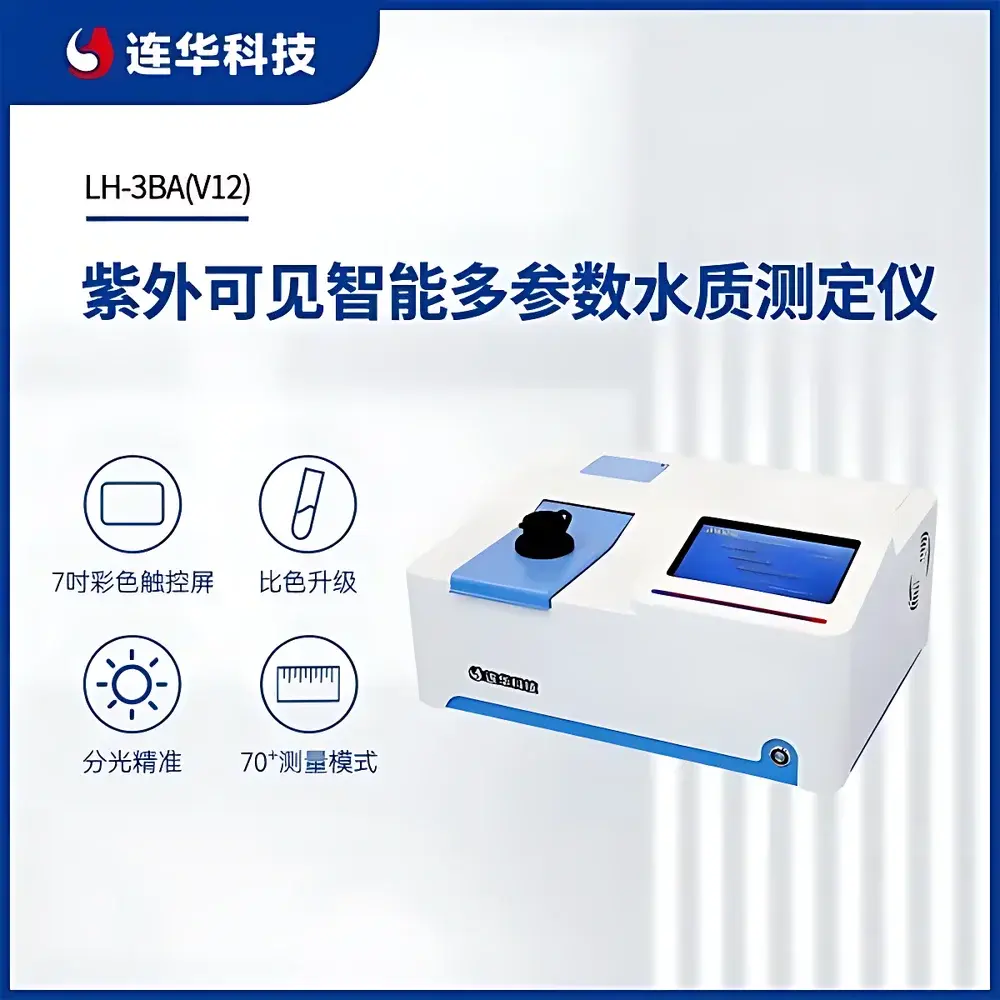
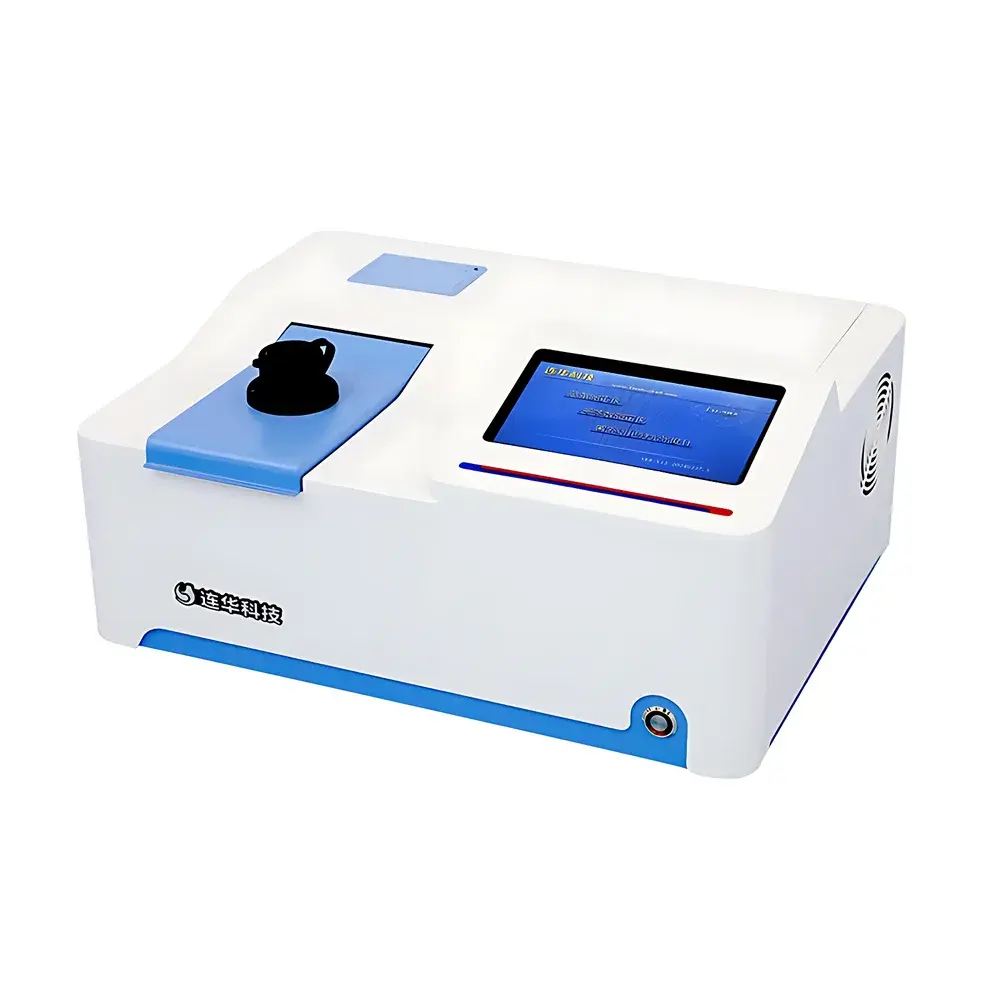
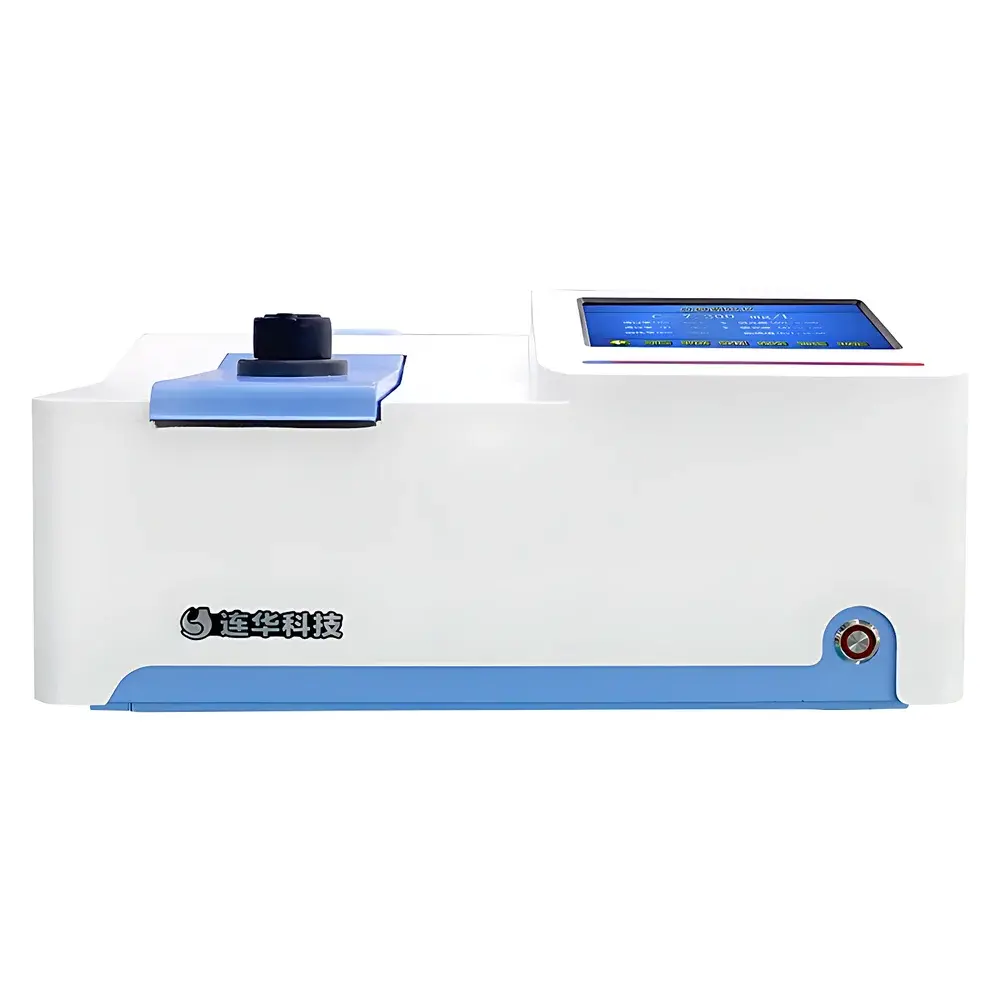
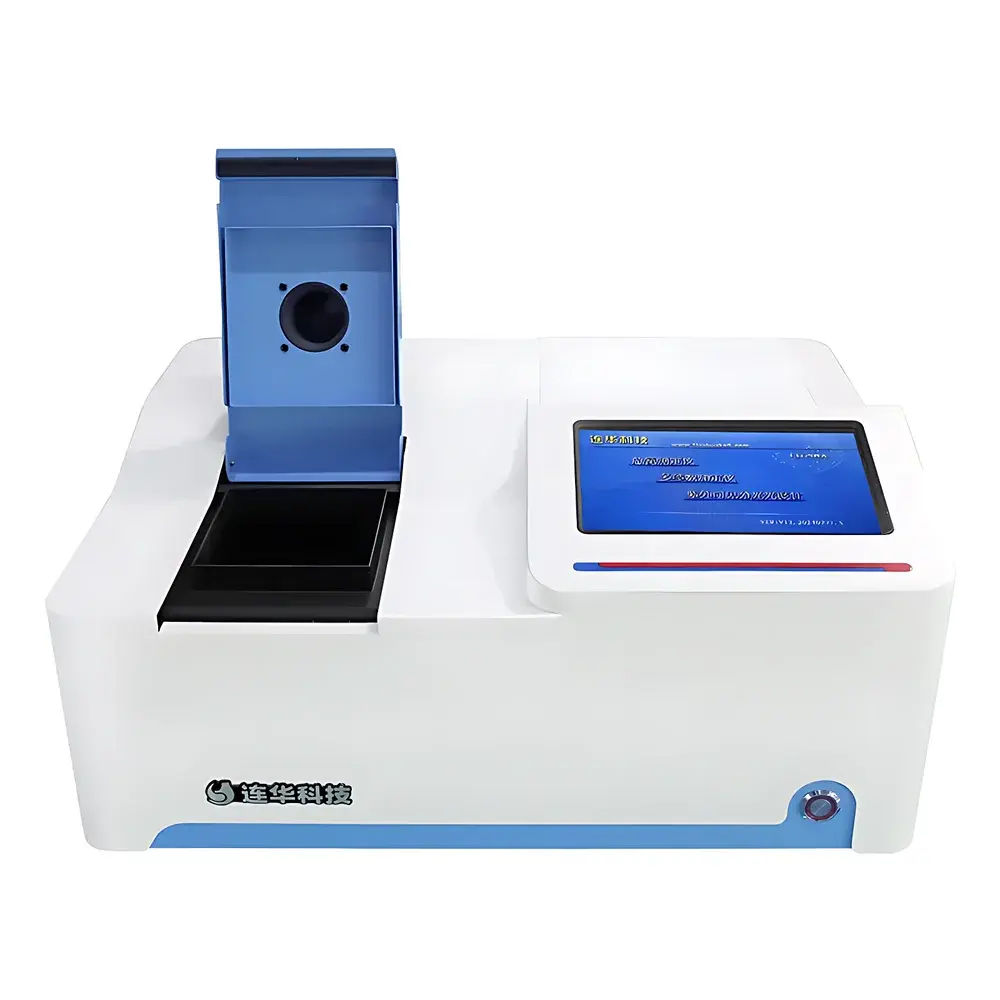
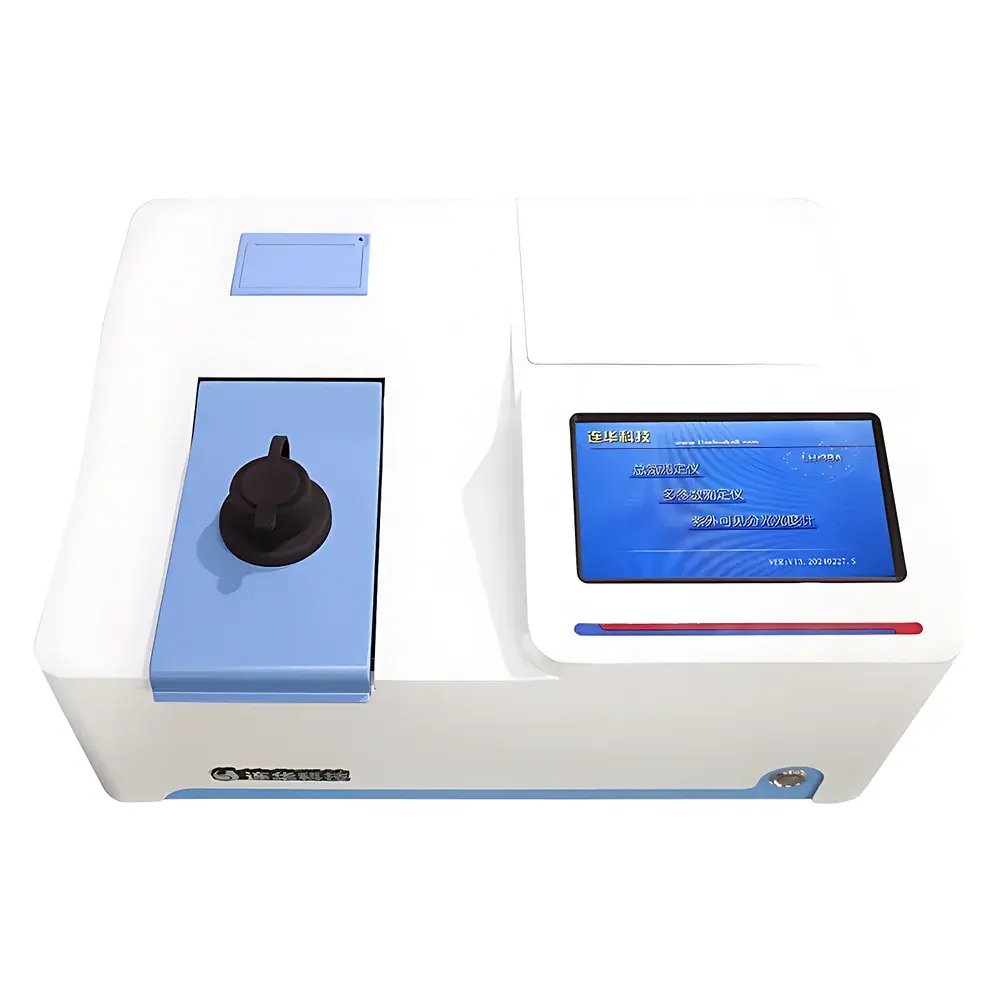
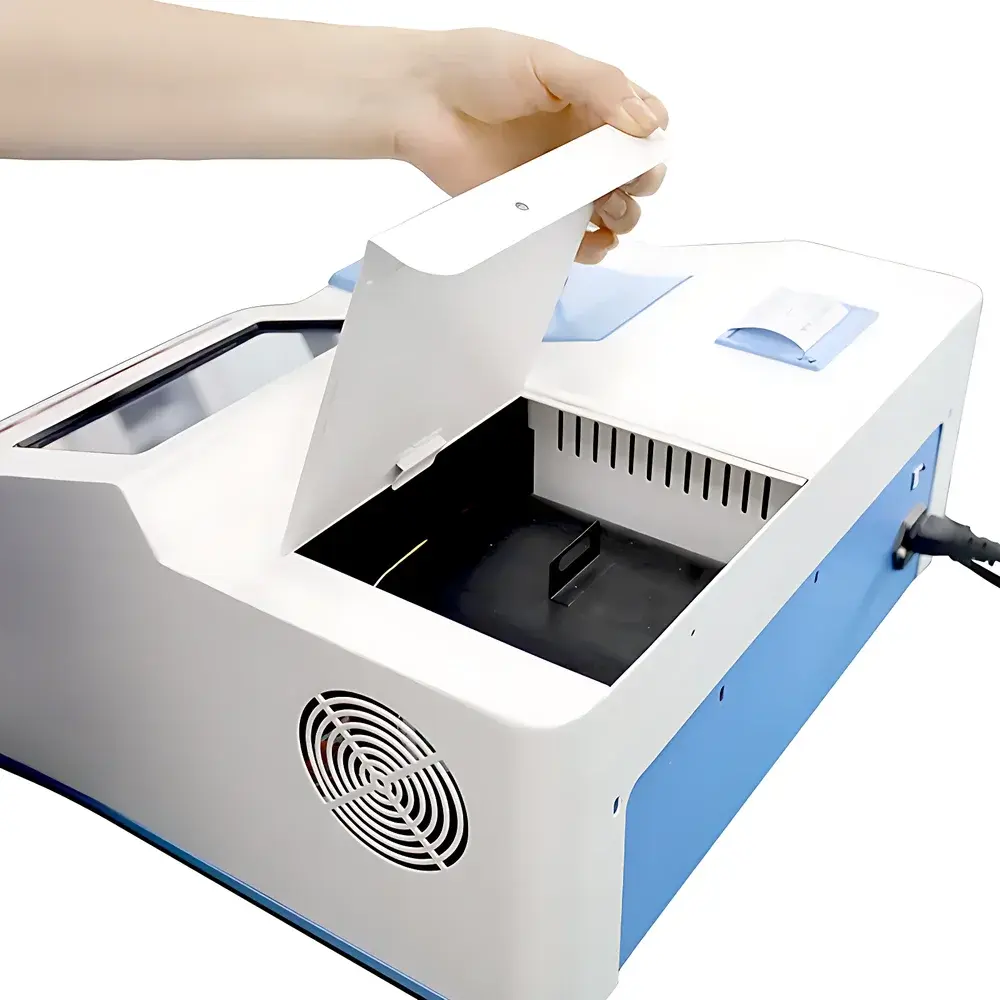
LoHua LH-3BA(V12) UV-Vis Smart Multi-Parameter Water Quality Analyzer
| Brand | LoHua |
|---|---|
| Origin | Beijing, China |
| Manufacturer Type | Direct Manufacturer |
| Product Category | Domestic |
| Model | LH-3BA(V12) |
| Instrument Type | Laboratory Water Quality Analyzer |
| Measurable Parameters | COD, Ammonia Nitrogen, Total Phosphorus, Total Nitrogen, Turbidity, Colority, Suspended Solids (SS), Heavy Metals, Organic Pollutants, Inorganic Pollutants |
| Calibration Compliance | JJG-178 Class II Requirements for UV-Vis-NIR Spectrophotometers |
| Optical System | Imported Holographic Grating, Low Stray Light Design |
| Cuvette Compatibility | 10 mm, 20 mm, 30 mm Rectangular Cuvettes & φ16 mm Round Tubes |
| Light Sources | Plug-in Tungsten & Deuterium Lamps (Optical Alignment-Free Replacement) |
| Wavelength Switching | Dual-Wavelength UV Auto-Switching (for Total Nitrogen) |
| Preloaded Methods | 74 Measurement Modes, 360 Calibration Curves (277 Standard + 83 Fitted) |
| Data Storage | 12,000 Sample Records with Timestamp, Review, Thermal Printing & USB Export |
| Display | 7-inch Full-Color Touchscreen, Chinese UI |
| Optional Accessory | 30-Position Dual-Zone Multi-Parameter Digestion Unit (Independent Temperature Control per Zone) |
Overview
The LoHua LH-3BA(V12) UV-Vis Smart Multi-Parameter Water Quality Analyzer is a laboratory-grade spectrophotometric platform engineered for standardized, high-reproducibility analysis of critical water quality parameters in municipal, industrial, and environmental monitoring laboratories. Based on the fundamental principles of ultraviolet–visible absorption spectroscopy (190–1100 nm range), the instrument quantifies analyte concentrations via Beer–Lambert law correlation between absorbance and concentration. Its optical architecture integrates an imported holographic grating monochromator to minimize stray light (<0.05% at 220 nm), ensuring compliance with JJG-178 Class II performance requirements for UV-Vis-NIR spectrophotometers—making it suitable for regulatory reporting under national environmental monitoring protocols. Unlike single-parameter benchtop photometers, the LH-3BA(V12) delivers traceable, method-driven quantification across 10 distinct parameter classes—including chemical oxygen demand (COD), ammonia nitrogen (NH₃-N), total phosphorus (TP), total nitrogen (TN), turbidity (NTU), true color (PCU), suspended solids (SS), selected heavy metals (e.g., Cr⁶⁺, Cu²⁺, Pb²⁺ via colorimetric derivatization), and representative organic/inorganic contaminants—without requiring hardware reconfiguration.
Key Features
- Modular optical cavity with dual-source plug-in lamp design: tungsten (325–1100 nm) and deuterium (190–400 nm) lamps are field-replaceable without realignment or recalibration, reducing downtime and technician dependency.
- Multi-format sample compartment accommodating 10 mm, 20 mm, and 30 mm rectangular cuvettes as well as φ16 mm round tubes—each position features mechanical stop-limiting to ensure consistent optical path length and eliminate operator-induced positioning variance.
- Dedicated total nitrogen module employing automatic dual-wavelength switching (220 nm and 275 nm) for simultaneous measurement and correction of nitrate interference, delivering direct concentration readouts traceable to EPA Method 353.2 and ISO 11908.
- Preloaded analytical framework comprising 74 standardized measurement modes and 360 validated calibration curves—including 277 reference curves aligned with Chinese Environmental Monitoring Standards (HJ/T 399–2007, HJ 535–2009, HJ 636–2012, HJ 637–2018) and 83 user-fittable curves for site-specific matrix compensation.
- 7-inch capacitive touchscreen interface with intuitive Chinese-language navigation, real-time spectral preview, and context-sensitive help prompts—designed for operation by technicians with minimal spectroscopy training.
Sample Compatibility & Compliance
The LH-3BA(V12) supports aqueous samples across drinking water, wastewater effluent, surface water, and leachate matrices. All preprogrammed methods adhere to national standard methodologies issued by the Ministry of Ecology and Environment of China (MEE), including HJ 505–2009 (COD), HJ 535–2009 (ammonia nitrogen), HJ 636–2012 (total nitrogen), and HJ 637–2018 (total phosphorus). For turbidity and colorimetry, it conforms to ISO 7027 and ISO 7887 respectively. While not certified to ISO/IEC 17025 as a standalone system, its optical stability, repeatability (<0.5% RSD for absorbance at 0.5 AU), and documented traceability support GLP-compliant data generation when operated within validated laboratory procedures. The instrument’s firmware maintains full audit trail functionality for method selection, calibration events, and result modifications—enabling alignment with internal QA/QC documentation requirements.
Software & Data Management
Data acquisition, storage, and export are handled through an embedded Linux-based operating system. Each measurement record includes timestamp, operator ID (optional login), method name, calibration curve ID, raw absorbance values at all relevant wavelengths, and final concentration output. Up to 12,000 records may be retained onboard; historical data can be reviewed chronologically or filtered by parameter, date range, or batch ID. Results are exportable via USB 2.0 to CSV or PDF formats compatible with LIMS integration. Optional thermal printer support enables immediate hardcopy generation meeting chain-of-custody documentation needs. No cloud connectivity or remote access capabilities are implemented—ensuring data sovereignty and eliminating cybersecurity exposure vectors common in networked instruments.
Applications
This analyzer serves as a core tool in environmental monitoring stations, third-party testing laboratories, wastewater treatment plants, and university research facilities conducting routine compliance testing and method development. Typical use cases include: daily effluent monitoring per GB 18918–2002 discharge standards; source water assessment for potable supply systems; nutrient loading studies in eutrophic lakes; speciation analysis of chromium and arsenic in industrial discharges; and rapid screening of organic contamination following spill incidents. Its dual-zone digestion accessory (sold separately) allows parallel processing of COD and TP samples at 165 °C and 125 °C respectively—reducing turnaround time by up to 40% compared to sequential digestion workflows.
FAQ
Does the LH-3BA(V12) meet international metrological standards such as ISO/IEC 17025?
No—the instrument itself is not accredited under ISO/IEC 17025. However, its optical performance complies with JJG-178 Class II specifications, and laboratories may validate its use within their own ISO/IEC 17025 scope using documented verification protocols.
Can custom calibration curves be imported or edited?
Yes—users may create, save, and recall up to 83 additional fitted curves using linear, quadratic, or cubic regression models based on in-house reference standards.
Is UV sterilization or ozone resistance built into the optical path?
No—this is a conventional absorption spectrophotometer. It does not incorporate UV-C irradiation or ozone-generating components. Sample integrity relies on proper pretreatment and filtration prior to analysis.
What is the typical warm-up time required before first measurement?
Deuterium lamp stabilization requires ≤15 minutes; tungsten lamp requires ≤5 minutes. The instrument displays real-time lamp energy status during warm-up.
Are reagent kits supplied with NIST-traceable certificates of analysis?
LoHua provides manufacturer-issued CoAs listing lot-specific purity, shelf life, and expected detection limits—but these are not NIST-traceable. Users requiring NIST SRMs must procure them separately for method validation.
Related Products







