
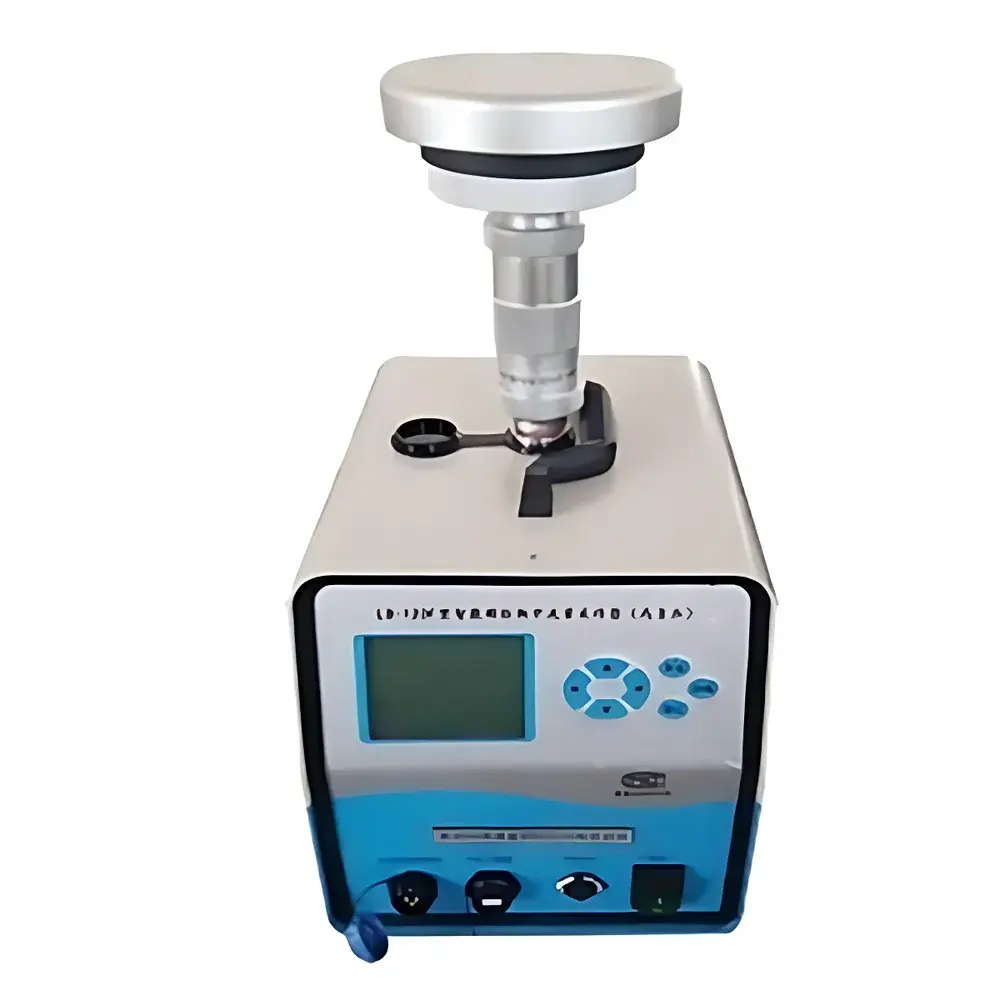
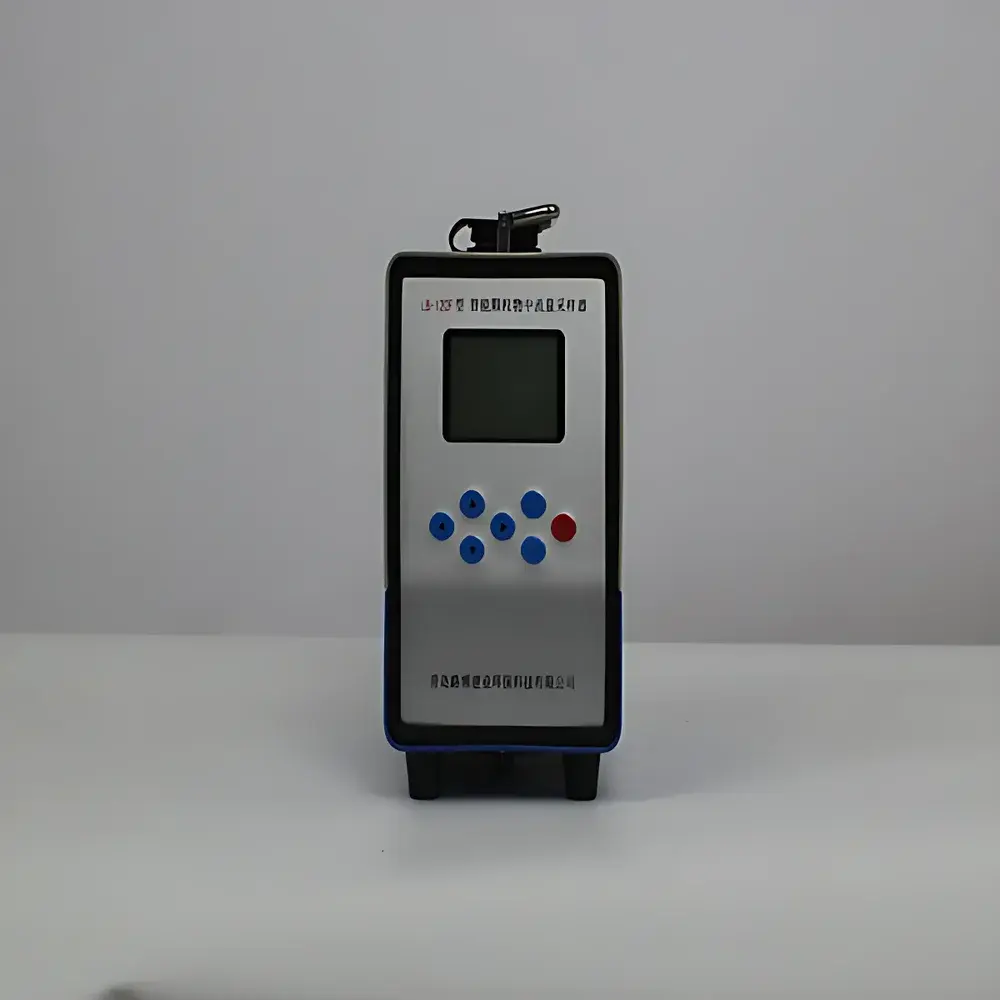
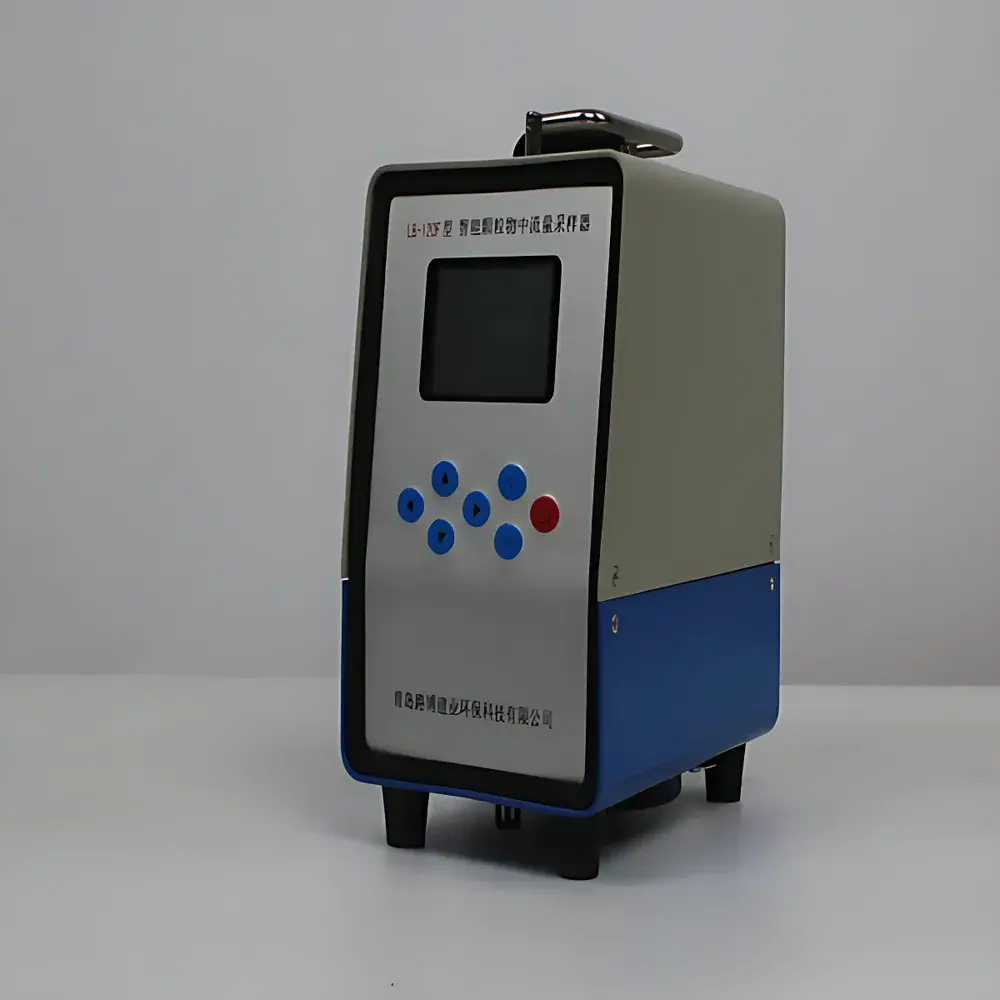
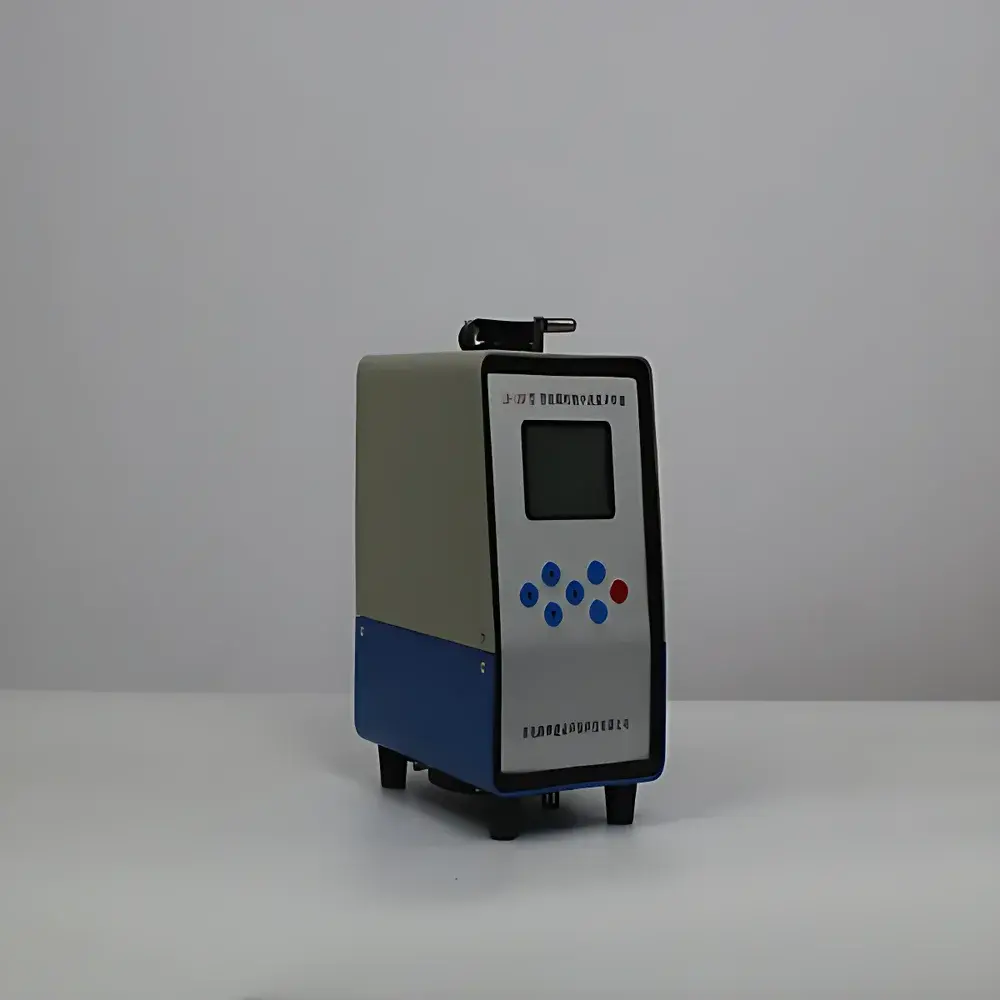
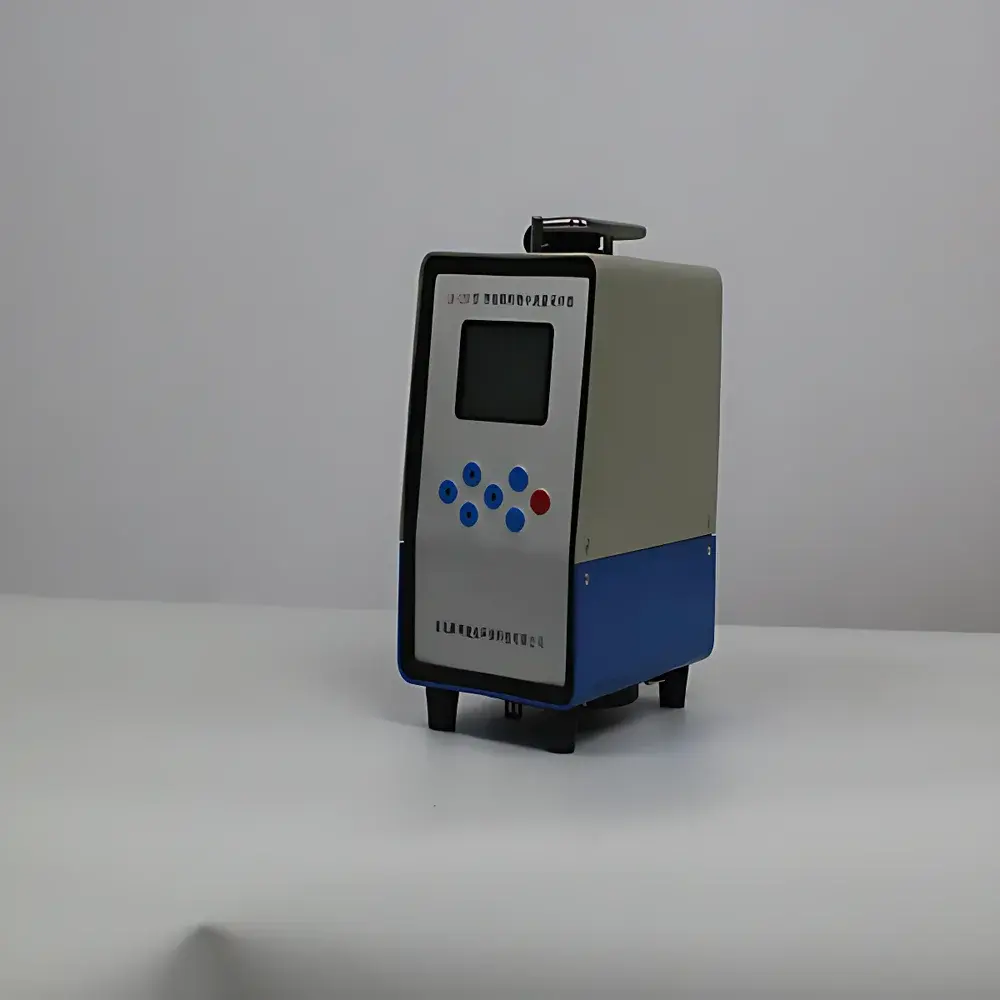
Loobo LB-120F(GK) High-Negative-Pressure Intelligent Particulate Matter Sampler
| Brand | Loobo |
|---|---|
| Origin | Shandong, China |
| Model | LB-120F(GK) |
| Sampling Flow Rate | 80–120 L/min |
| Maximum Negative Pressure | >26 kPa |
| Flow Stability | ≤±5% over 1 h |
| Flowmeter Accuracy | ≥±2.5% |
| Service Life at Max Flow & Backpressure | ≥5000 h |
| Continuous Operation Time at Max Flow & Max Resistance | 2–8 h with flow deviation ≤±5% |
| Instrument Type | Single-Channel Gas Sampler |
| Compliance | HJ/T 374–2007, HJ 93–2013, HJ 656–2013, HJ 657–2013, HJ 691–2014, HJ 480–2009, JJG 943–2011 |
Overview
The Loobo LB-120F(GK) High-Negative-Pressure Intelligent Particulate Matter Sampler is a precision-engineered ambient air sampling instrument designed for gravimetric and chemical analysis of airborne particulate fractions—including TSP, PM10, PM2.5, fluorides, heavy metals (e.g., Pb, Cd, As), and semi-volatile organic compounds (SVOCs). It operates on the principle of isokinetic or constant-flow filtration, drawing ambient air through standardized impactor-based or membrane-based collection media under controlled negative pressure. Its high-capacity brushless vacuum pump delivers stable flow rates up to 120 L/min against system resistances exceeding 26 kPa—enabling reliable sampling in low-permeability filter substrates (e.g., quartz fiber, PTFE membranes) and high-backpressure configurations such as multi-stage cyclone assemblies or sorbent-coated cartridges. The instrument meets the mechanical, metrological, and functional requirements specified in key Chinese environmental monitoring standards including HJ/T 374–2007, HJ 93–2013, and HJ 656–2013, and supports method-compliant execution of US EPA Compendium Method IO-3.1 (for PM2.5), ISO 7708 (for particle size-selective sampling), and EN 12341 (for PM10 reference methods).
Key Features
- High-efficiency brushless DC vacuum pump with sustained load capacity >20 kPa at 100 L/min—engineered for extended operational stability and low acoustic emission (<62 dB(A))
- Digitally regulated mass flow control using calibrated thermal anemometric sensors; real-time feedback loop maintains setpoint accuracy within ±2.0% across the full 80–120 L/min range
- Integrated environmental parameter measurement: ambient temperature, barometric pressure (50–130 kPa), and inlet temperature/pressure—with resolution of 0.01 kPa and accuracy better than ±0.5 kPa
- Multi-mode programmable sampling: sequential, interval, cyclical, and delayed-start protocols—supporting unattended operation over extended campaigns
- Comprehensive fault detection: automatic shutdown upon flow failure, filter clogging, or pressure drop anomalies; configurable alarm thresholds and event logging
- Secure firmware architecture with password-protected calibration access, role-based parameter editing, and audit-trail-capable configuration history
- Ruggedized aluminum alloy housing with IP54-rated ingress protection; optional field-deployable rain/snow shield and wind-stabilized geotechnical tripod mount
- Embedded real-time clock with non-volatile memory—retains time-stamped sampling records, flow profiles, and diagnostic logs across power cycles
- USB 2.0 interface for raw data export (CSV format); optional thermal printer module for on-site report generation
Sample Compatibility & Compliance
The LB-120F(GK) accommodates a broad spectrum of certified sampling media and inlet configurations. Standard equipment includes a fluorine-specific polyethylene filter holder compliant with HJ 480–2009. Optional accessories include: (i) aluminum-oxide-treated PM10/PM2.5 sharp-cut cyclones meeting HJ 93–2013 cut-point tolerances; (ii) stainless-steel TSP inlets per HJ/T 374–2007; (iii) SVOC adsorption tubes (e.g., XAD-2, PUFA) compatible with HJ 691–2014; and (iv) quartz fiber filters for subsequent ICP-MS analysis per HJ 657–2013. All hardware interfaces conform to ISO 565 (mesh aperture standards) and ASTM D1357 (filter support geometry). The instrument’s metrological traceability aligns with JJG 943–2011, supporting GLP-compliant laboratory accreditation where volumetric flow calibration is performed using NIST-traceable primary standards.
Software & Data Management
Data acquisition and configuration are managed via an embedded 3.5-inch wide-temperature LCD interface with intuitive icon-driven navigation. All measured and derived parameters—including cumulative sampled volume (0.1 L resolution, ±2.0% accuracy), elapsed time (1 s resolution, ±0.1%), and environmental compensation factors—are stored in a tamper-resistant internal memory buffer (≥10,000 records). USB export enables direct ingestion into LIMS platforms or statistical analysis tools (e.g., R, Python pandas). While the device does not implement FDA 21 CFR Part 11 electronic signature functionality, its password-protected calibration registry, immutable timestamping, and session-level access control provide foundational elements for GxP-aligned data integrity frameworks. Audit logs record user ID, action type, timestamp, and pre-/post-change values—facilitating internal QA reviews and regulatory inspection readiness.
Applications
This sampler serves as a primary field tool in regulatory monitoring networks, third-party environmental testing laboratories, occupational hygiene assessments, and academic atmospheric research. Typical use cases include: long-term PM2.5 trend analysis in urban background stations; source apportionment studies requiring co-located fluoride and heavy metal speciation; validation of low-cost sensor networks via reference-grade collocation; and method development for emerging contaminants such as microplastics or nanoparticulates. Its robust negative-pressure capability also supports stack sampling adaptations when paired with isokinetic probe assemblies—extending utility beyond ambient air into fugitive emission characterization.
FAQ
What particulate fractions can the LB-120F(GK) collect?
It supports TSP, PM10, PM2.5, fluorides, heavy metals, and SVOCs—when used with appropriate inlet heads and collection media.
Does the instrument meet international calibration standards?
Yes—it complies with JJG 943–2011 and supports traceable calibration using NIST-certified rotameters or primary-standard bubble meters.
Can it operate continuously for more than 8 hours?
At maximum flow (120 L/min) and high resistance (>20 kPa), continuous runtime is limited to 2–8 h per cycle; however, programmable multi-cycle sequencing enables unattended multi-day operation.
Is the flow control system temperature-compensated?
Yes—real-time ambient and inlet temperature measurements feed into dynamic flow correction algorithms to maintain volumetric consistency across seasonal field conditions.
What power options are available for remote deployment?
Standard AC 220 V ±10% operation is supplemented by an optional portable AC/DC hybrid power pack—enabling battery-backed field use in off-grid locations.







