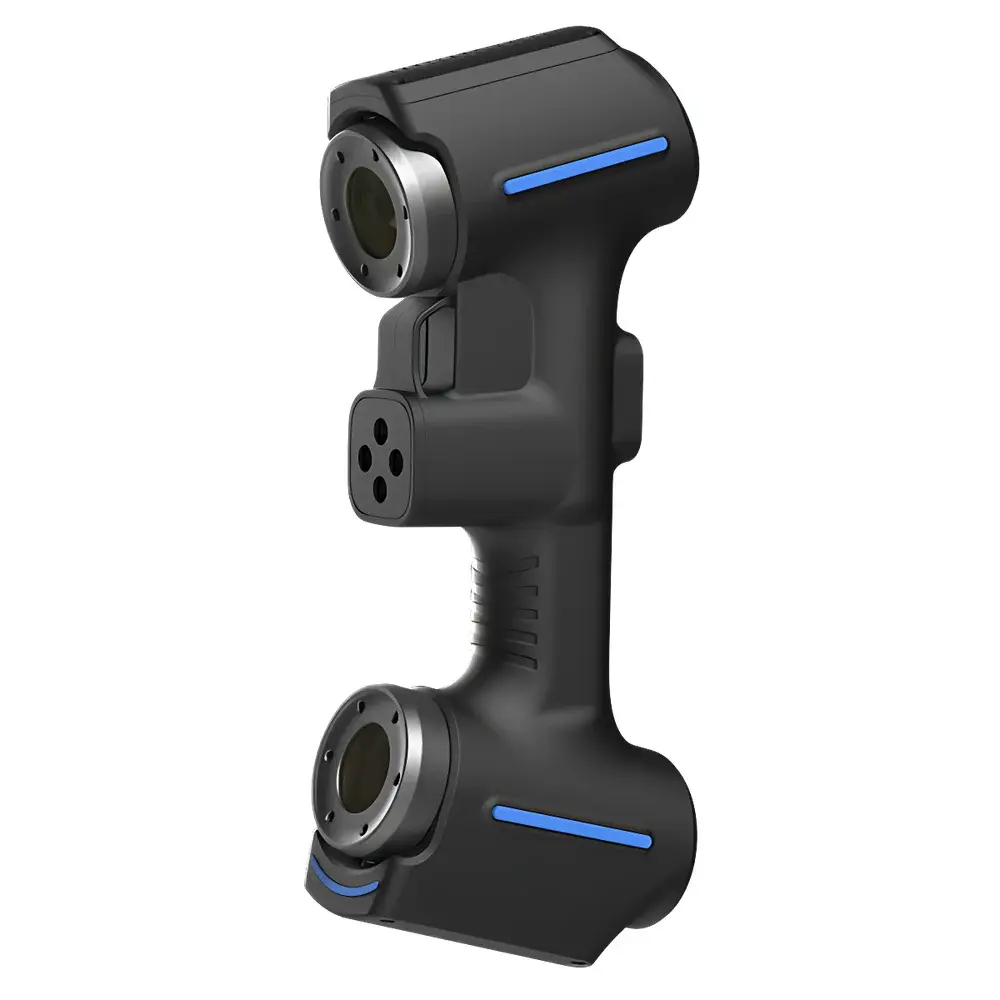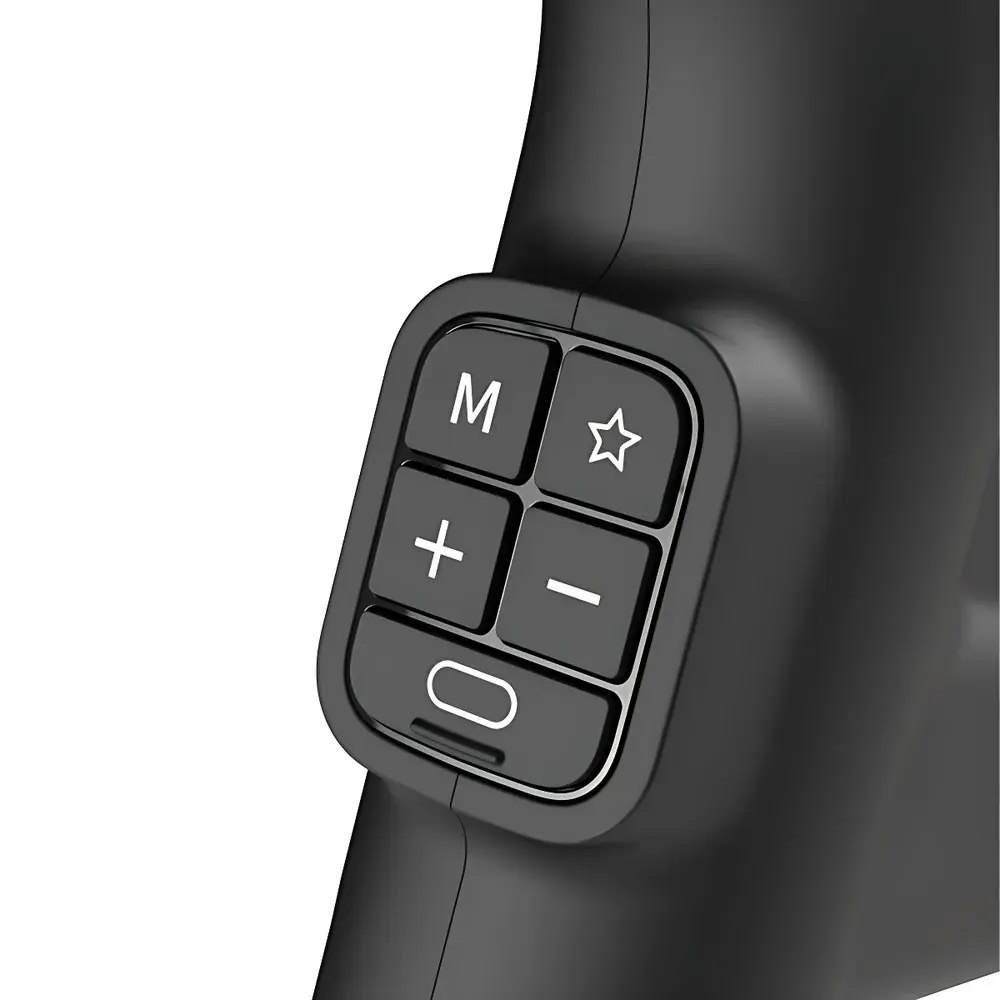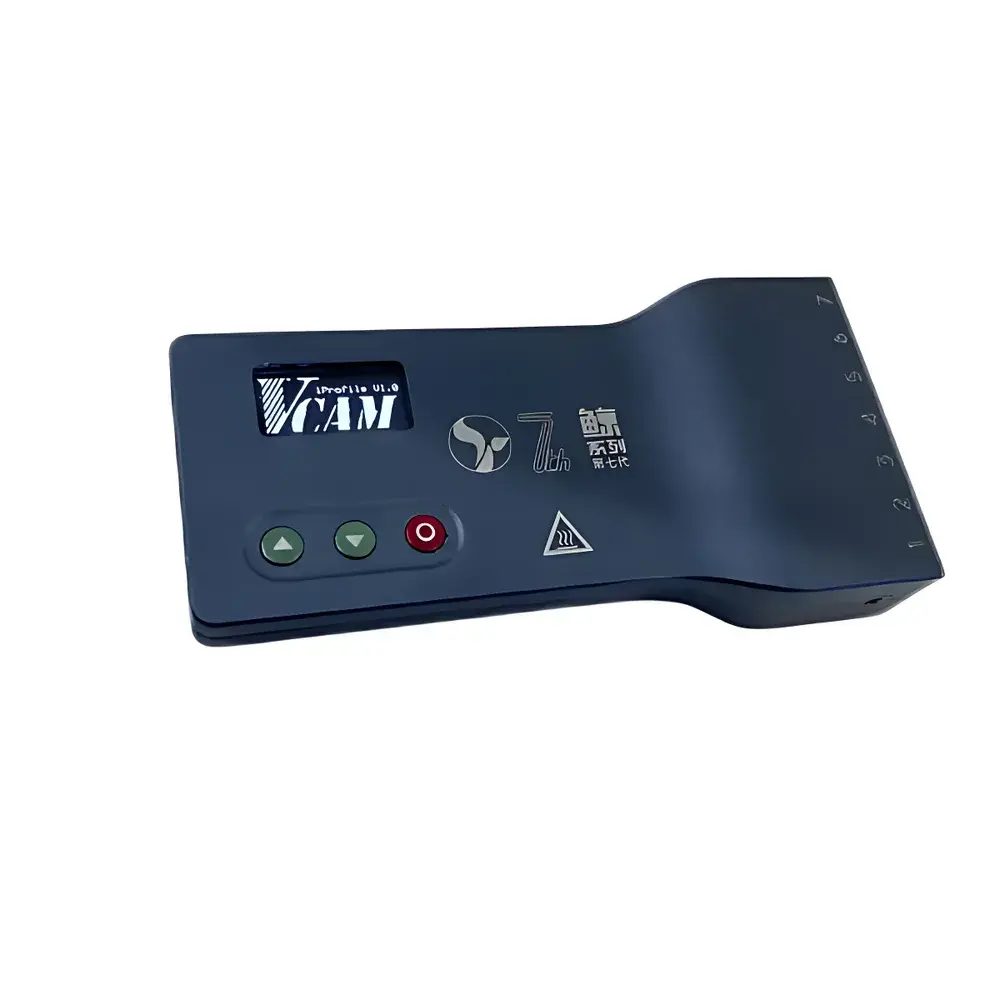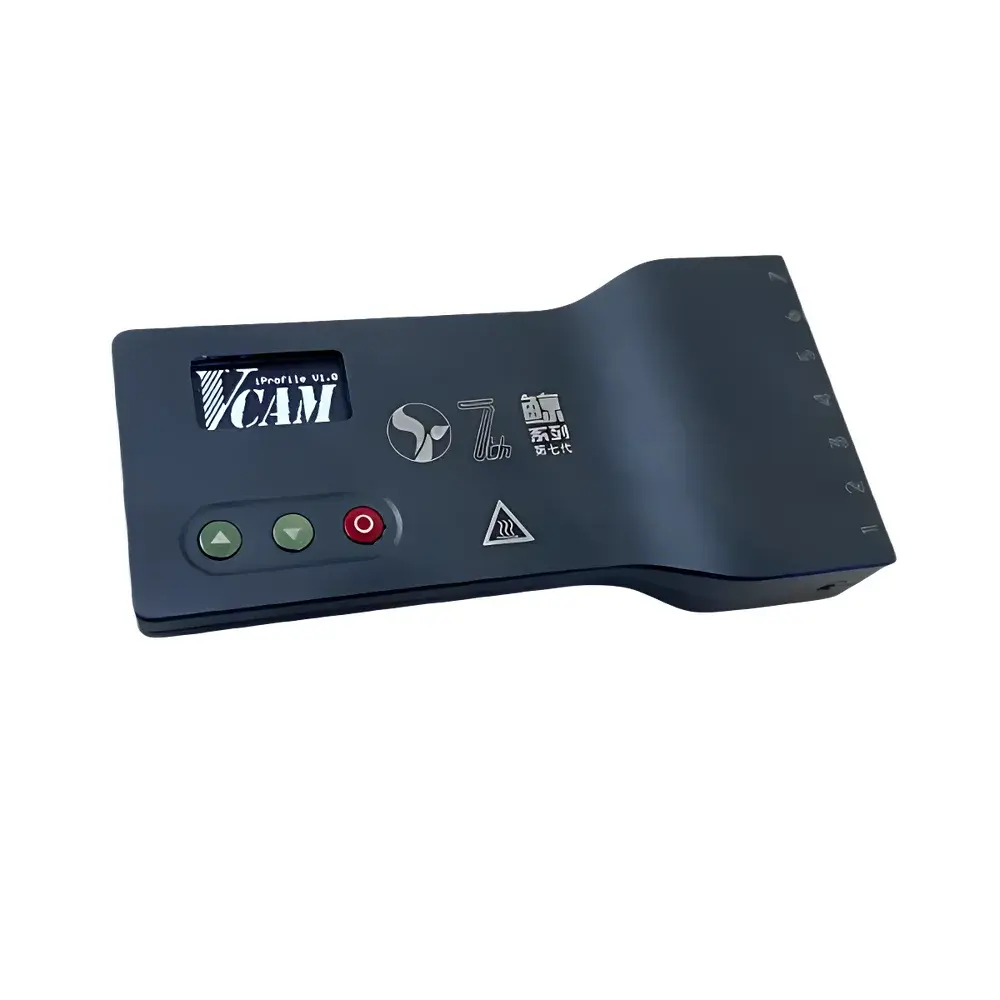
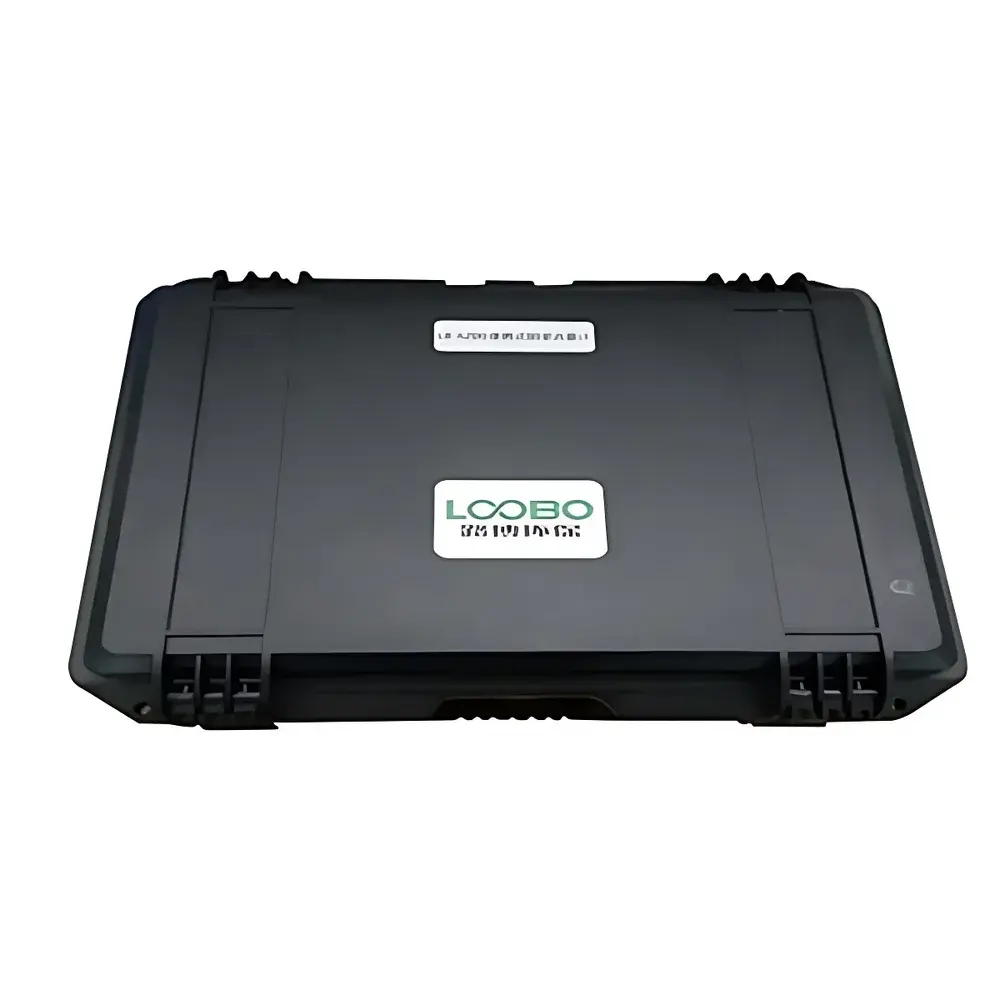
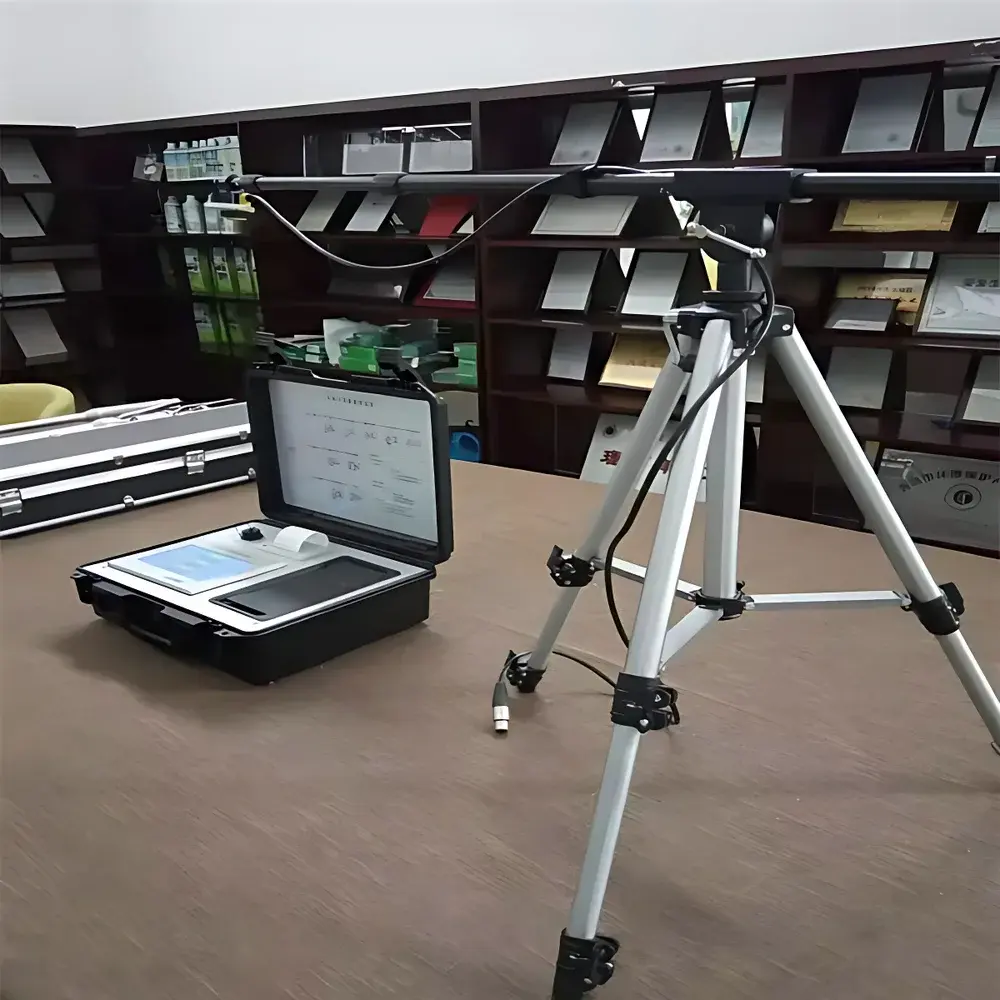
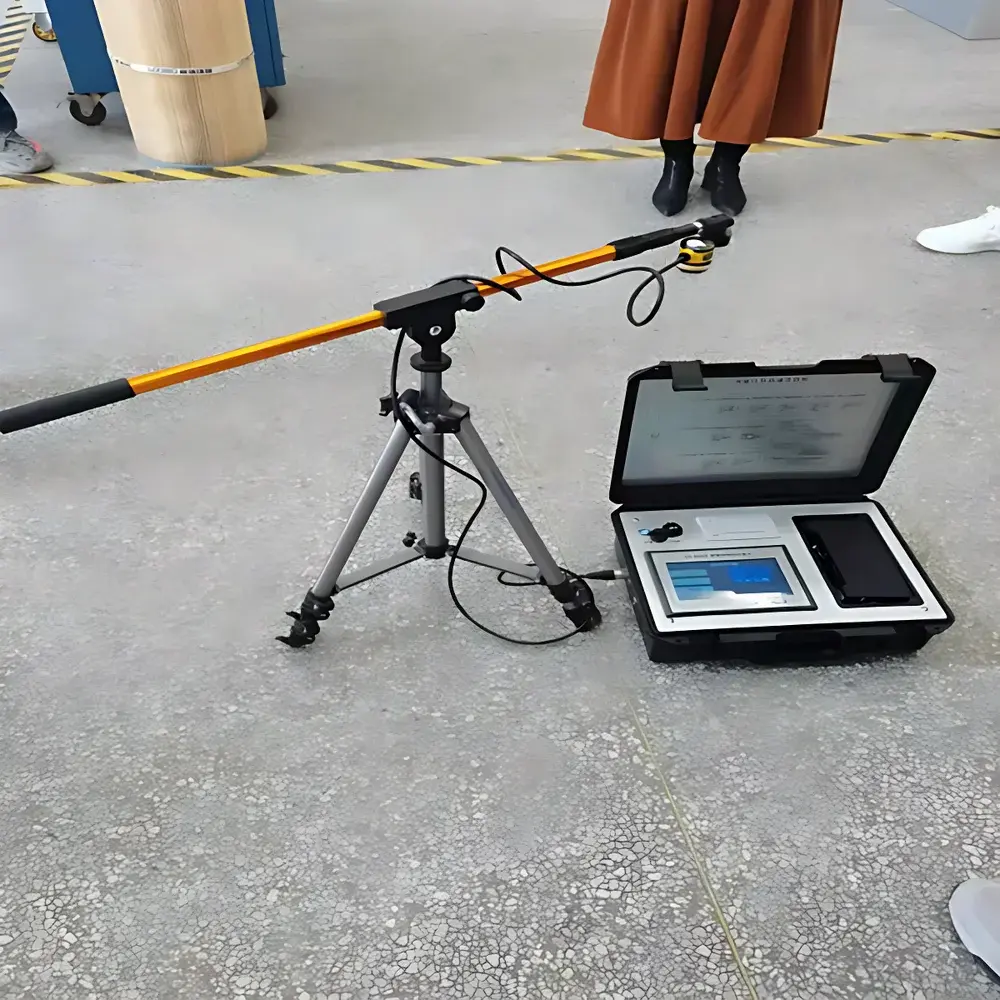
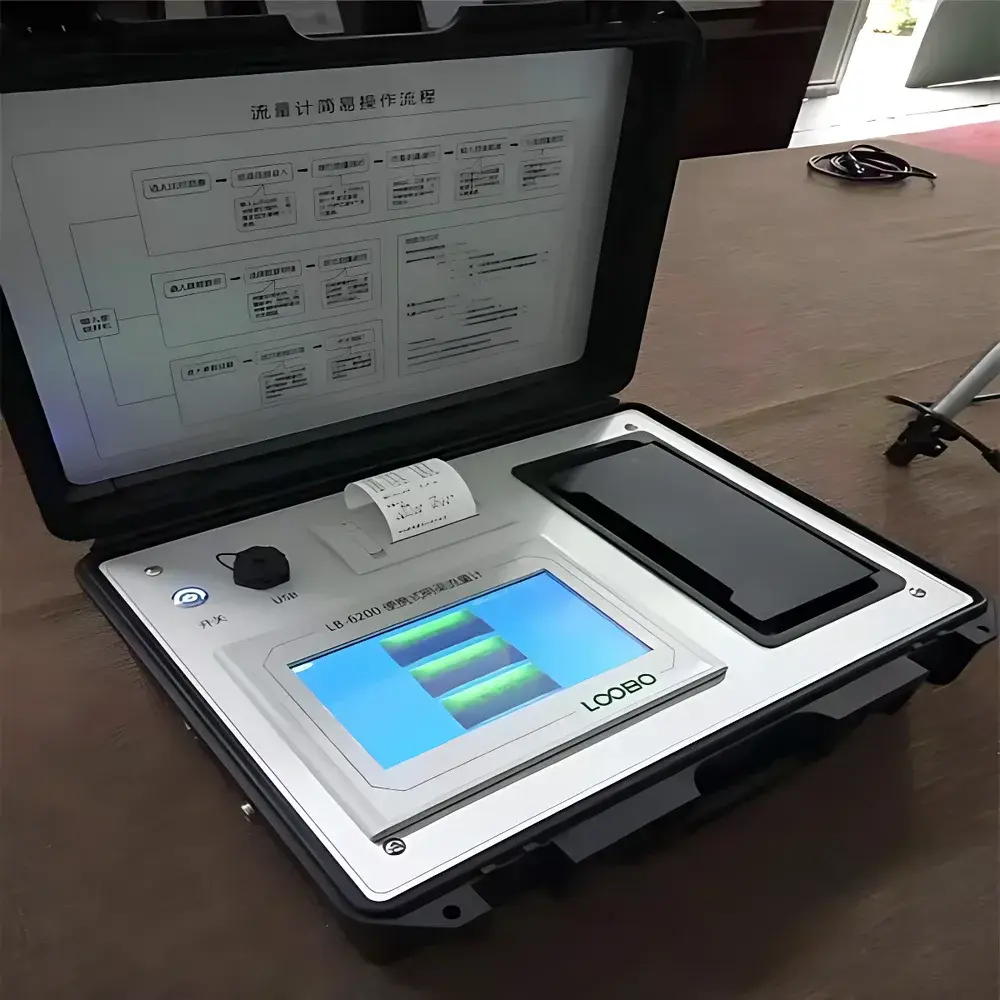
Loobo LB-6200 Portable Ultrasonic Open-Channel Flowmeter
| Brand | Loobo |
|---|---|
| Model | LB-6200 |
| Origin | Shandong, China |
| Flow Range | 0–40 m³/s |
| Liquid Level Measurement Error | ≤ 0.5 mm |
| Flow Measurement Accuracy | ≤ ±1% |
| Sampling Frequency | 3 Hz |
| Display | Color TFT Touchscreen |
| Data Storage | 20,000 records |
| Battery Life | 72 h (DC 24 V Li-ion) |
| Operating Temperature | 10–40 °C |
| Operating Humidity | ≤ 85% RH |
| Dimensions | 400 × 300 × 110 mm |
| Weight | 4 kg |
| Interface | USB |
| Compliance | HJ/T 15–2019, HJ 354–2019 |
Overview
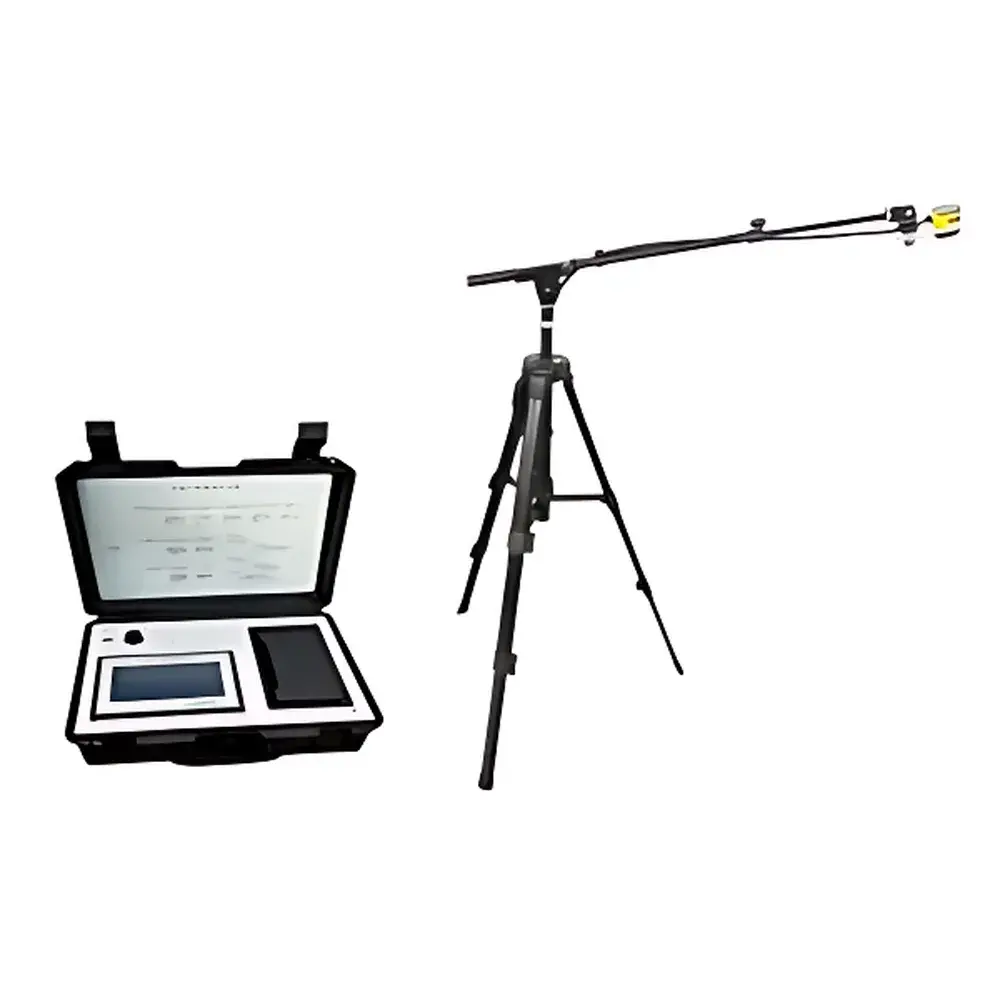
The Loobo LB-6200 Portable Ultrasonic Open-Channel Flowmeter is an engineered field verification instrument designed specifically for regulatory compliance with China’s national environmental monitoring standards—namely HJ/T 15–2019 “Technical Requirements and Test Methods for Ultrasonic Open-Channel Wastewater Flowmeters” and HJ 354–2019 “Acceptance Technical Specifications for Online Monitoring Systems of Water Pollution Sources (CODCr, NH3-N, etc.)”. It operates on the principle of ultrasonic time-of-flight measurement to determine liquid level in open channels, then applies pre-programmed hydraulic equations (based on ISO 4359, ASTM D5942, and standard weir/flume geometry) to compute instantaneous and cumulative flow rates. Unlike fixed-installation systems, the LB-6200 is optimized for transient deployment during commissioning, periodic validation, or audit-level performance verification of permanently installed ultrasonic or radar-based open-channel flowmeters. Its core function is to serve as a traceable reference device in dual-instrument comparison protocols—enabling simultaneous synchronized acquisition of level and flow data against online systems under real-world wastewater hydraulics.
Key Features
- Multi-configuration hydraulic model library supporting triangular (V-notch), rectangular, proportional (constant-width), and Palmer-Bowlus (Parshall) flumes—each calibrated per ISO 1438 and HJ/T 15–2019 Annex B
- 24-bit high-resolution analog-to-digital conversion for ultrasonic transducer signal acquisition, minimizing quantization noise and ensuring stable level tracking under turbulent or aerated flow conditions
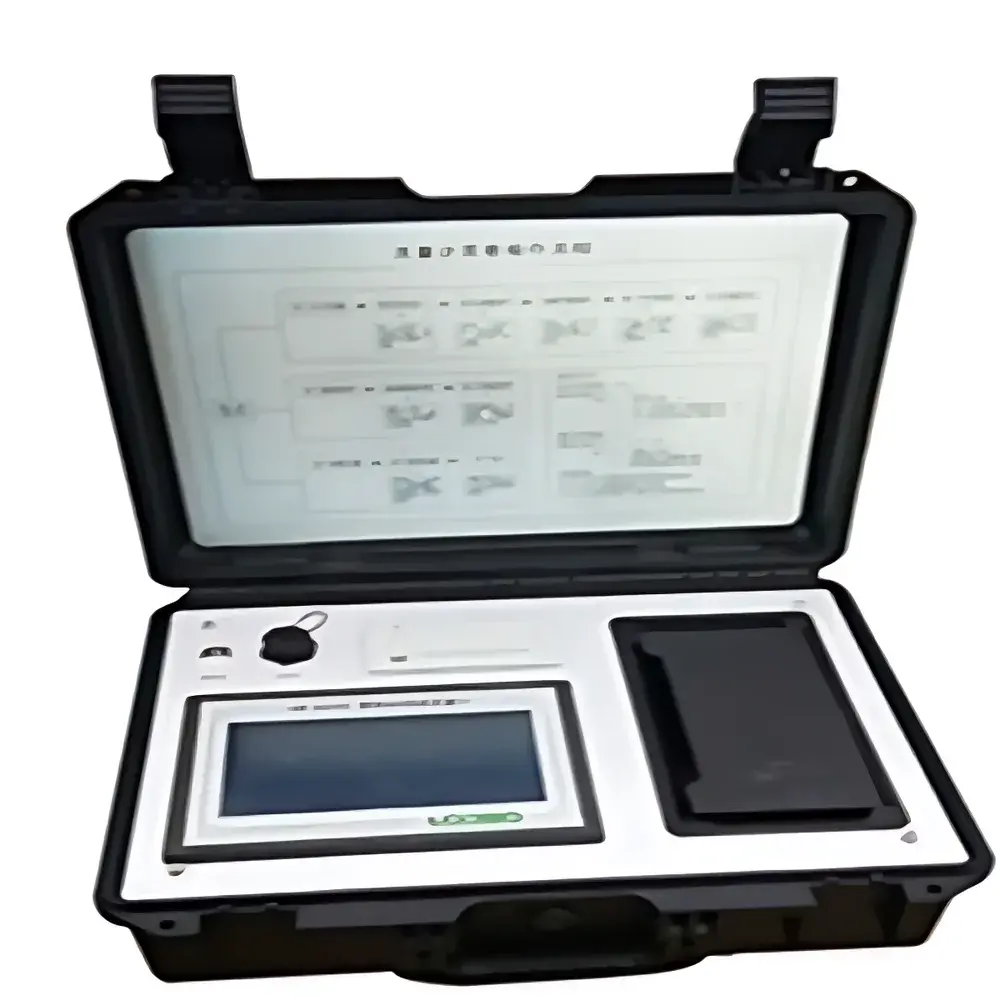
- 7-inch capacitive color touchscreen with context-sensitive graphical interface—no prior instrumentation training required; all operational workflows follow HJ 354–2019-defined test sequences (e.g., 6-point level comparison at 2-min intervals, 10-min cumulative flow capture)
- Real-time dual-axis trend plotting: simultaneous visualization of level (mm) and flow (m³/s) vs. time, with automatic timestamping and event markers for start/stop of comparison cycles
- Integrated thermal line printer for immediate hardcopy generation of comparison reports—including raw data pairs, calculated errors (ΔHi, ΔF), and pass/fail status per HJ 354–2019 Table 4 acceptance thresholds
- USB 2.0 host interface enabling direct export of CSV-formatted datasets to Windows/Linux PCs for statistical post-processing (e.g., root-mean-square error, bias analysis) and GLP-compliant archiving
- Intelligent power management architecture with battery state-of-charge monitoring, adaptive CPU clock scaling, and low-power sleep modes—validated for continuous operation up to 72 hours on a single 24 V Li-ion charge
- Hardware-enforced access control: configurable 4-digit PIN authentication required to view, export, or delete stored measurement records—supporting data integrity requirements under HJ 354–2019 Section 6.3.2
Sample Compatibility & Compliance
The LB-6200 is validated for use in municipal wastewater treatment plant outfalls, industrial discharge channels, and stormwater monitoring stations where flow occurs in standardized open-channel structures. It maintains metrological equivalence across fluid densities ranging from 990–1030 kg/m³ and suspended solids concentrations up to 50,000 mg/L—conditions typical of secondary-treated effluent. All hydraulic calculations comply with the empirical coefficients and discharge formulas specified in HJ/T 15–2019 Tables 1–4 and referenced international standards (ISO 4359:2012, ASTM D5942-17). Device firmware implements mandatory audit-trail logging per HJ 354–2019 Clause 7.2.1: every measurement session records operator ID, date/time, channel geometry selection, calibration timestamp, and ambient temperature/humidity metadata. No third-party certification is substituted—the unit ships with factory calibration certificates traceable to CNAS-accredited laboratories.
Software & Data Management
Data handling follows deterministic, non-volatile storage protocols: each measurement record includes 128-byte headers (containing geometry ID, sensor gain settings, temperature compensation offset) and time-stamped level/flow vectors sampled at 3 Hz. The internal database supports indexed search by date range, flume type, or operator code. Exported CSV files contain ISO 8601 timestamps, SI-unit fields (mm, m³/s, °C), and explicit column headers compliant with EPA SW-846 Chapter 4 data interchange conventions. Firmware version 2.3+ adds optional encrypted data export (AES-128) for environments requiring alignment with GB/T 22239–2019 (China’s Cybersecurity Baseline). No cloud connectivity or remote telemetry is implemented—ensuring full air-gap compliance for sensitive infrastructure audits.
Applications
- Regulatory acceptance testing of permanently installed open-channel flowmeters per HJ 354–2019 Sections 5.2–5.4
- Annual performance verification and drift assessment of online COD/NH3-N monitoring systems
- Field validation of hydraulic modeling assumptions in wastewater collection system optimization studies
- Commissioning support for new weir/flume installations, including zero-level verification and approach velocity profiling
- Educational use in environmental engineering laboratories for open-channel hydraulics instruction
FAQ
Does the LB-6200 require annual recalibration?
Yes. Per HJ/T 15–2019 Section 8.2, field portable flow verification devices must undergo traceable recalibration at least once per year using certified ultrasonic level simulators and NIST-traceable water flow benches.
Can it operate in sub-zero ambient temperatures?
No. The specified operating range is 10–40 °C. Below 10 °C, lithium battery discharge efficiency declines sharply, and ultrasonic transducer response time increases beyond acceptable limits per HJ/T 15–2019 Clause 4.3.1.
Is the device compatible with non-standard flume geometries?
No. Hydraulic computation is restricted to the four flume types explicitly defined in HJ/T 15–2019 Annex A. Custom geometries require manual coefficient input and are not covered under compliance validation.
How is measurement uncertainty quantified in exported reports?
Uncertainty budgets follow GUM (JCGM 100:2008) methodology, incorporating contributions from level sensor resolution (±0.5 mm), temperature-induced speed-of-sound drift (±0.2%), and geometric parameter tolerance (±0.5% for Parshall flume throat width). Total expanded uncertainty (k=2) is reported in all printed outputs.
Does it meet FDA 21 CFR Part 11 requirements?
No. The LB-6200 is designed for environmental regulatory use under Chinese national standards and does not implement electronic signature, audit trail encryption, or role-based access controls required for pharmaceutical process validation.