
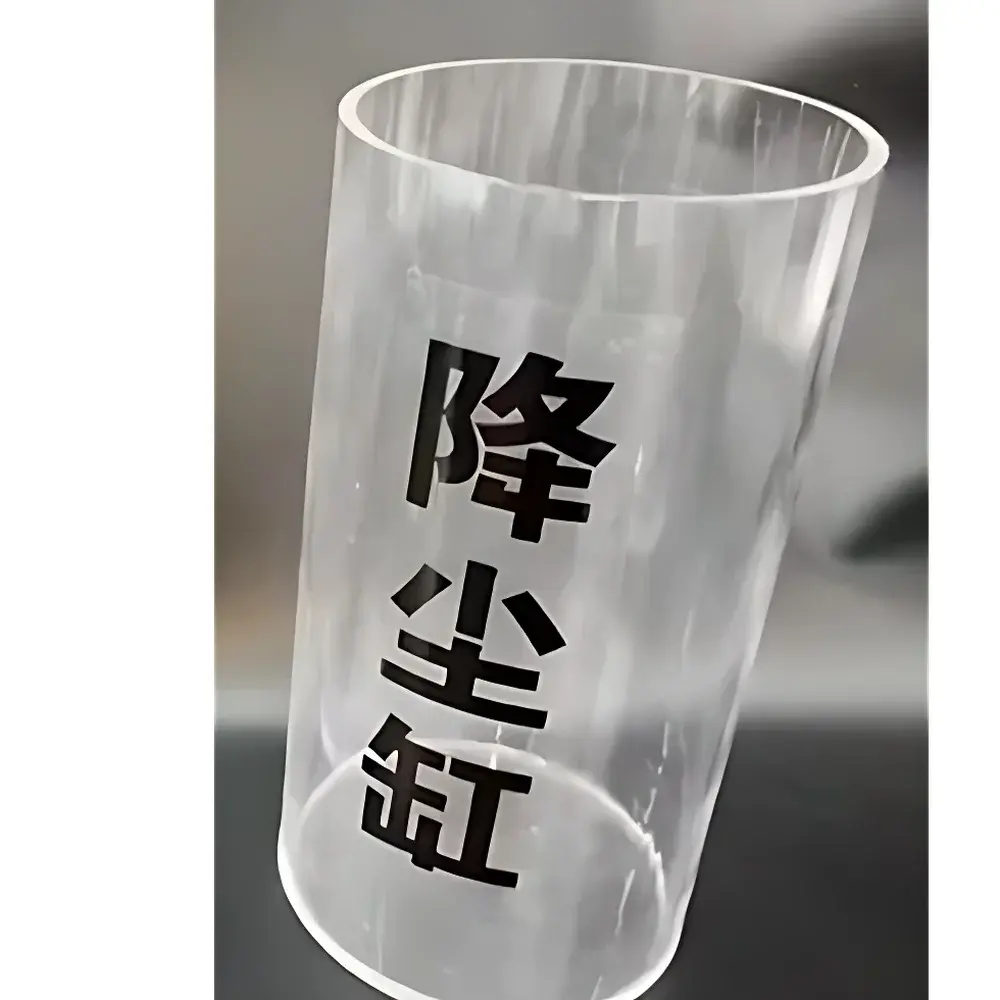
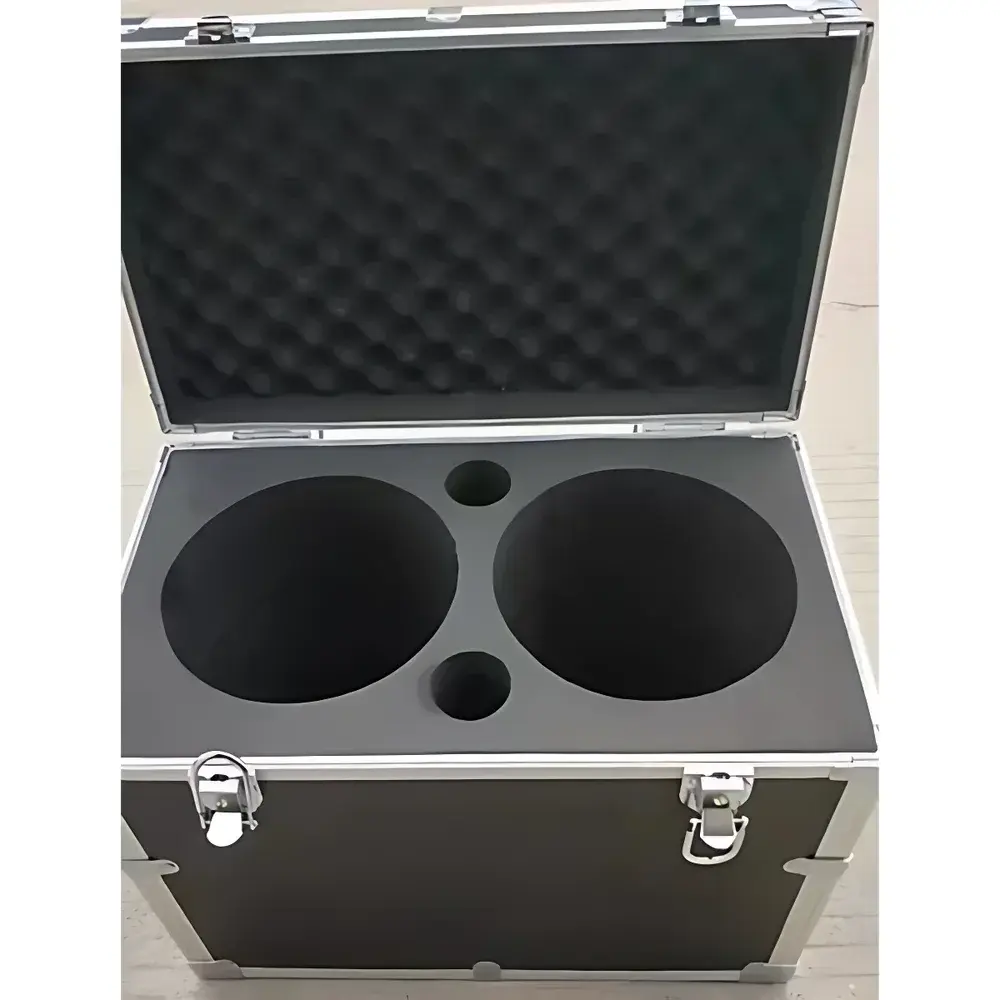
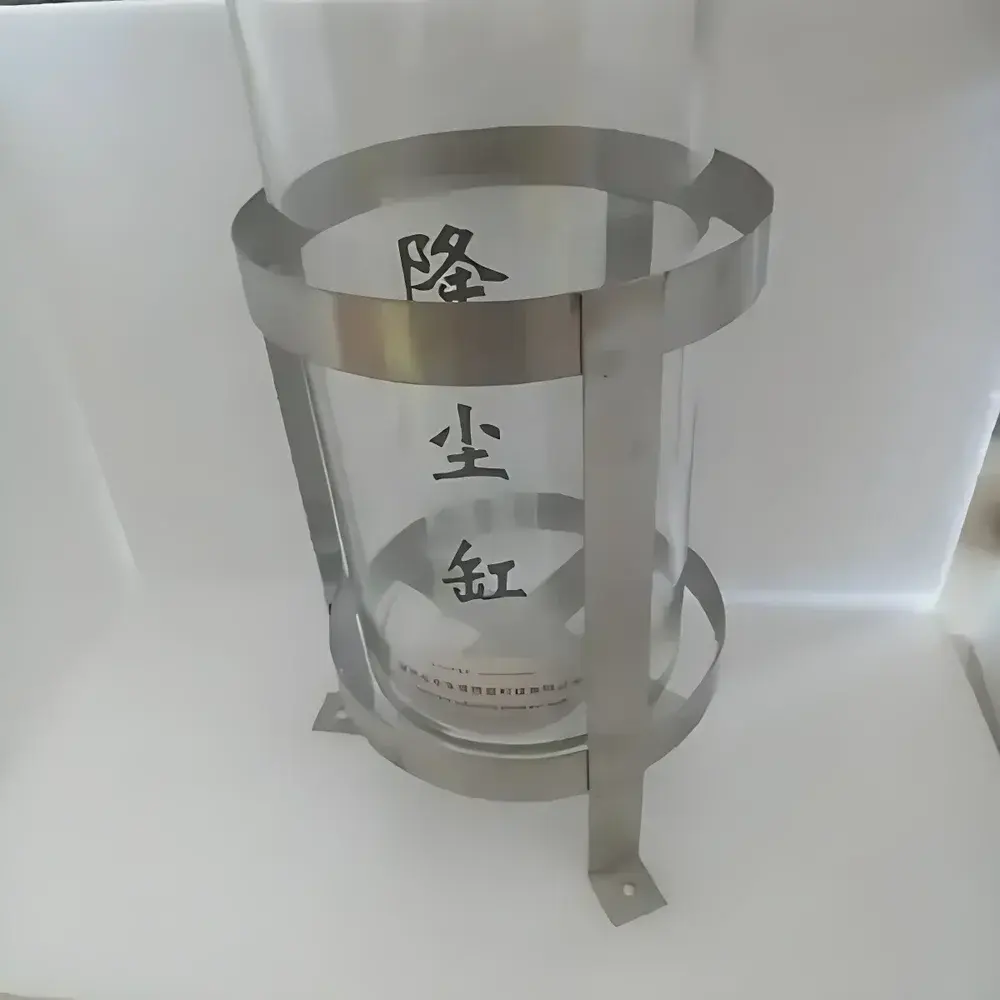
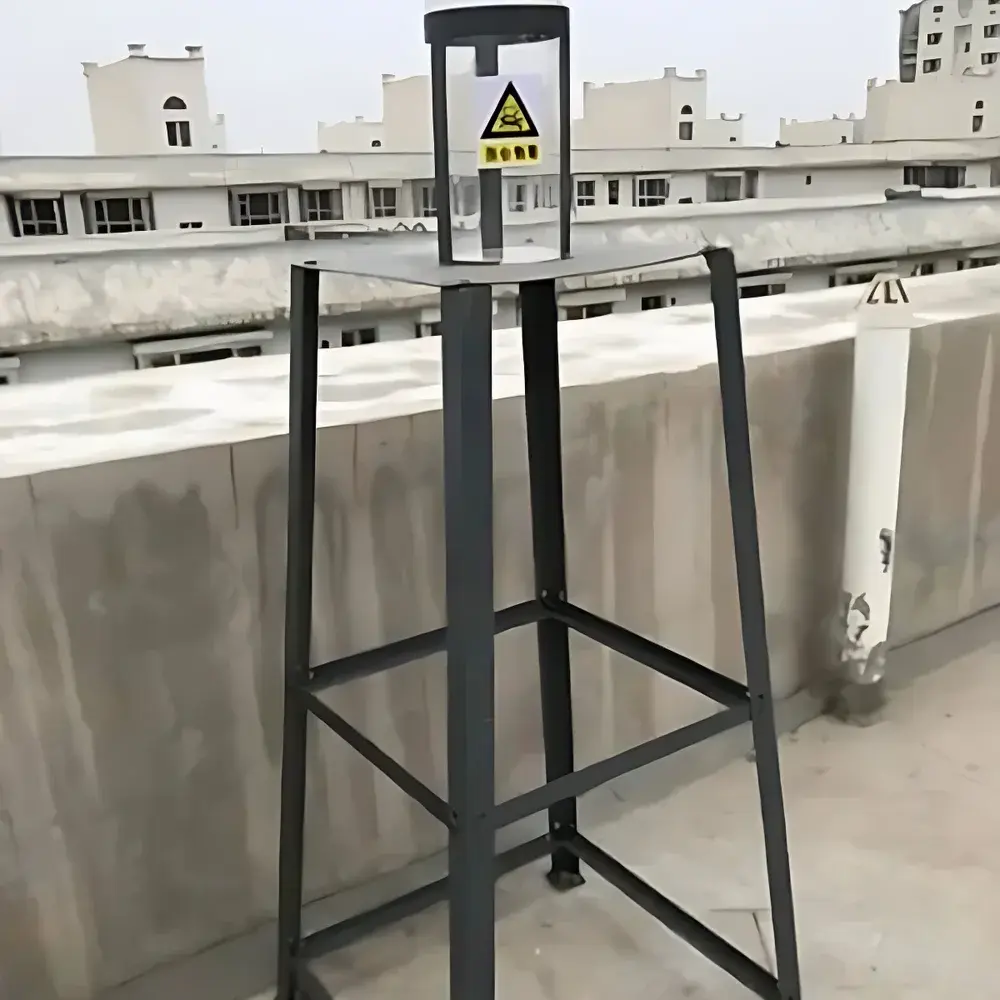
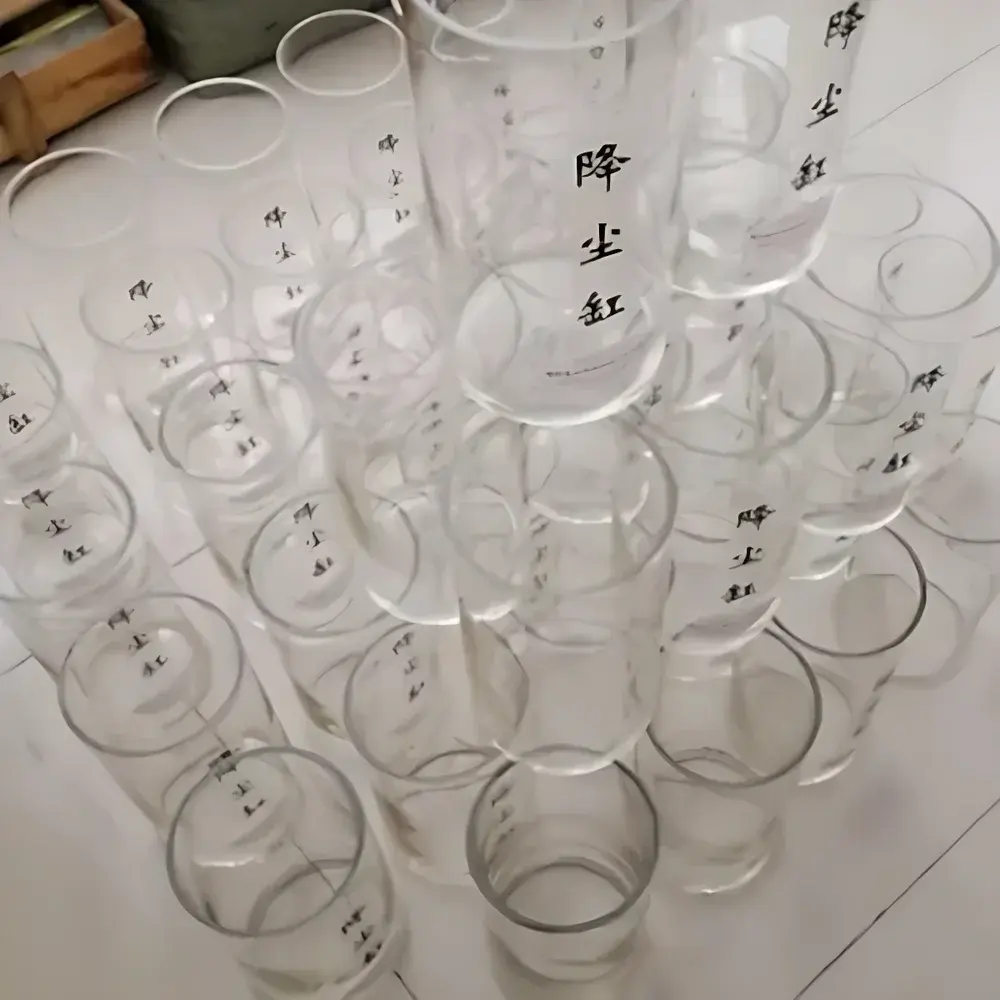
Loobo LB-JC Dust Fall Collector Cylinder for HJ 1221–2021 Standard Compliance
| Brand | Loobo |
|---|---|
| Origin | Shandong, China |
| Manufacturer Type | Authorized Distributor |
| Country of Origin | China |
| Model | LB-JC |
| Material Options | Organic Glass / Borosilicate Glass / Ceramic |
| Internal Diameter | 15.0 ± 0.5 cm |
| Height | 30.0 cm |
| Base | Flat and Level |
| Internal Surface | Smooth, Non-Porous, Chemically Inert |
| Compliance | Designed to Fully Conform with HJ 1221–2021 “Determination of Total Dust Fall in Ambient Air — Gravimetric Method” |
Overview
The Loobo LB-JC Dust Fall Collector Cylinder is a precision-engineered passive sampling device designed exclusively for compliance with the People’s Republic of China Environmental Protection Standard HJ 1221–2021, “Determination of Total Dust Fall in Ambient Air — Gravimetric Method.” This standard specifies a gravimetric procedure for quantifying atmospheric particulate deposition over extended exposure periods (typically 30 days), where dust particles settle under gravity onto a defined collection surface within an open-top cylindrical vessel. The LB-JC cylinder operates on fundamental sedimentation principles—relying on natural gravitational settling without forced airflow or filtration—making it suitable for long-term, low-maintenance ambient monitoring at fixed-site stations, industrial perimeters, urban background locations, and ecological observation networks. Its geometry and material properties are rigorously aligned with HJ 1221–2021 requirements to ensure metrological traceability, minimize edge effects, prevent particle resuspension, and eliminate chemical interference during sample weighing and post-collection handling.
Key Features
- Dimensionally certified cylinder: internal diameter 15.0 ± 0.5 cm and height 30.0 cm—strictly meeting HJ 1221–2021 geometric specifications to maintain consistent collection area (176.7 cm²) and aspect ratio for standardized deposition kinetics.
- Triple-material configuration: available in optical-grade organic glass (PMMA), borosilicate glass, or high-purity ceramic—each selected for dimensional stability, low hygroscopicity, non-reactivity with ambient aerosols, and compatibility with laboratory cleaning protocols (e.g., ultrasonic washing, acetone rinse, 105°C drying).
- Flat, level base and optically smooth internal wall surface reduce boundary-layer turbulence and prevent localized accumulation artifacts—critical for achieving uniform particle distribution and minimizing weighing uncertainty.
- Chemically inert construction ensures no leaching or outgassing during field deployment, preserving sample integrity across temperature and humidity gradients typical in unsheltered outdoor environments.
- Calibration-ready design: compatible with Class I analytical balances (0.01 mg readability) and ISO/IEC 17025-accredited gravimetric workflows, including pre- and post-exposure conditioning in controlled humidity/temperature chambers (25 ± 1°C, 50 ± 5% RH).
Sample Compatibility & Compliance
The LB-JC cylinder is intended for collection of total suspended particulate matter that settles gravitationally from ambient air—including soil-derived mineral dust, construction debris, metallurgical fumes, coal ash, and biogenic particulates—without size selectivity. It does not discriminate by aerodynamic diameter; therefore, results represent cumulative mass flux (mg/m²/day) rather than PM10 or PM2.5. All units are manufactured and inspected under documented quality control procedures aligned with GB/T 19001–2016 (ISO 9001:2015). While HJ 1221–2021 is a national Chinese standard, the LB-JC’s physical conformity supports cross-referenced use in studies adhering to ISO 9096:2006 (Stationary source emissions — Determination of mass concentration of dust) for comparative deposition analysis. No electrical components or active systems are integrated—ensuring intrinsic safety and zero power dependency.
Software & Data Management
As a passive, non-electronic sampling device, the LB-JC cylinder requires no embedded firmware, drivers, or proprietary software. Data management follows standardized laboratory information management system (LIMS) protocols: each unit is assigned a unique field ID; collection start/end timestamps, location coordinates (WGS84), meteorological logs (wind speed/direction, precipitation), and gravimetric records are entered manually or via barcode-scanned templates compliant with GLP documentation practices. Raw mass data (pre- and post-exposure weights) are recorded in accordance with ISO/IEC 17025 clause 7.7 (Ensuring validity of results) and support full audit trails for regulatory reporting to Chinese provincial生态环境 departments or third-party verification bodies.
Applications
- Ambient air quality monitoring networks operated by local Ecology and Environment Bureaus (EEBs)
- Industrial emission impact assessments—especially near cement plants, thermal power stations, steel mills, and mining operations
- Urban-rural gradient studies evaluating dust transport and deposition patterns
- Long-term environmental baseline establishment for EIA (Environmental Impact Assessment) projects
- Validation of dispersion modeling outputs (e.g., AERMOD, CALPUFF) through empirical deposition rate comparison
- Research on dry deposition velocities of coarse-mode particulates in atmospheric science programs
FAQ
Is the LB-JC cylinder certified to HJ 1221–2021?
Yes—the physical dimensions, material specifications, and surface finish are engineered to meet all mandatory clauses in HJ 1221–2021, including Section 5.1 (Apparatus Requirements). Third-party verification reports are available upon request.
Can this cylinder be used for regulatory reporting under Chinese law?
Yes—when deployed and processed strictly per HJ 1221–2021 methodology (including exposure duration, site selection, weighing protocol, and blank correction), data generated using the LB-JC cylinder satisfy evidentiary requirements for official environmental monitoring submissions.
What cleaning protocol is recommended between deployments?
Rinse thoroughly with deionized water, followed by ultrasonic cleaning in analytical-grade acetone (10 min), air-dry in laminar flow hood, then condition at 105°C ± 2°C for 2 hours prior to tare weighing.
Does Loobo provide calibration or certification documentation?
Each batch includes a Certificate of Conformance stating dimensional verification against HJ 1221–2021. Metrological calibration of associated balances and environmental chambers remains the responsibility of the end-user laboratory per ISO/IEC 17025.
Is the cylinder resistant to UV degradation or acid rain exposure?
Borosilicate glass and ceramic variants exhibit excellent UV stability and resistance to mild acidic condensates; organic glass (PMMA) is rated for 24-month outdoor exposure but may require replacement after prolonged (>36 months) service in high-UV/high-humidity zones.
Related Products







