
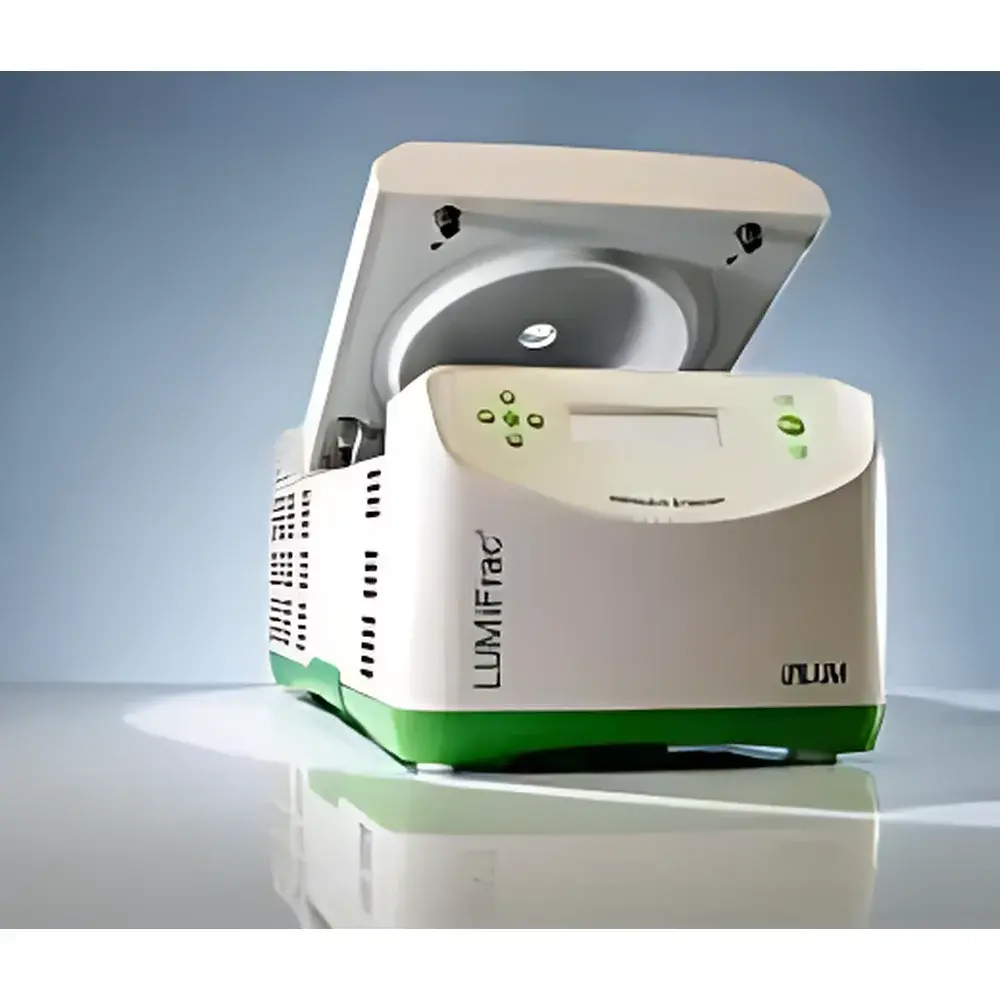
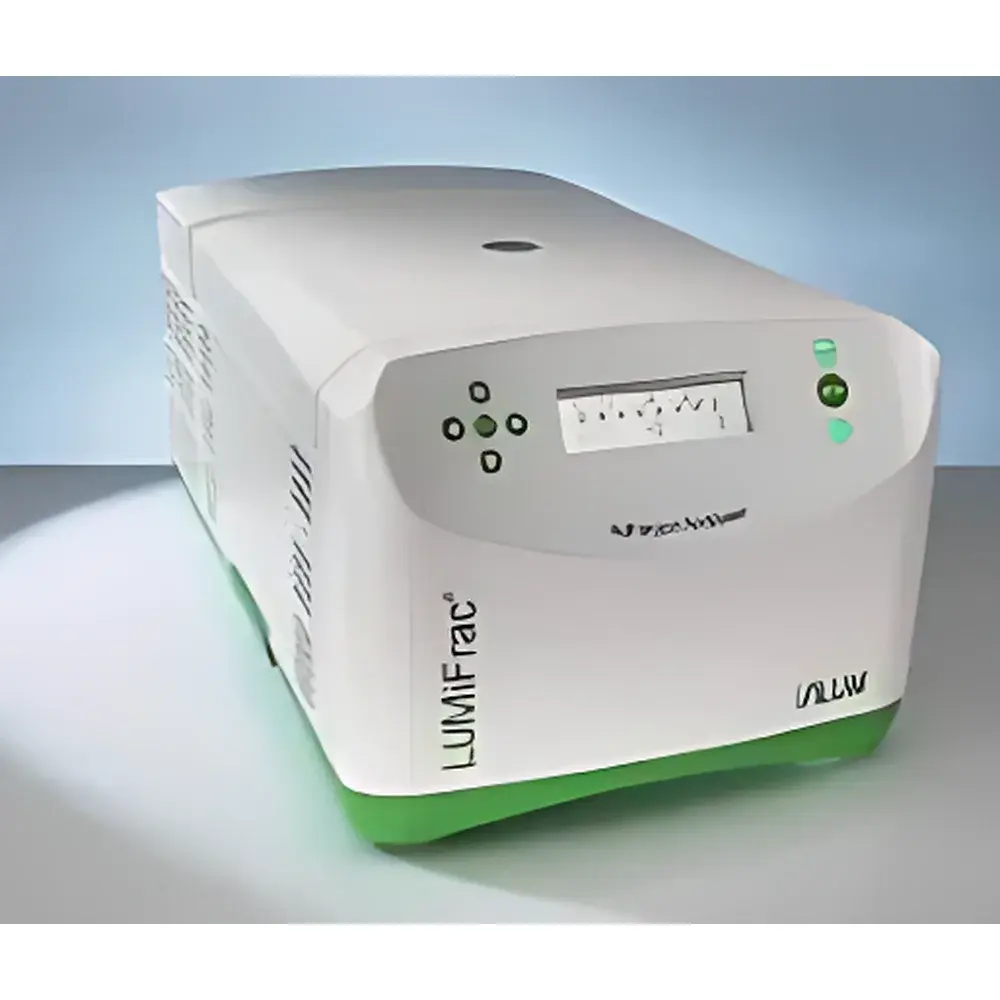
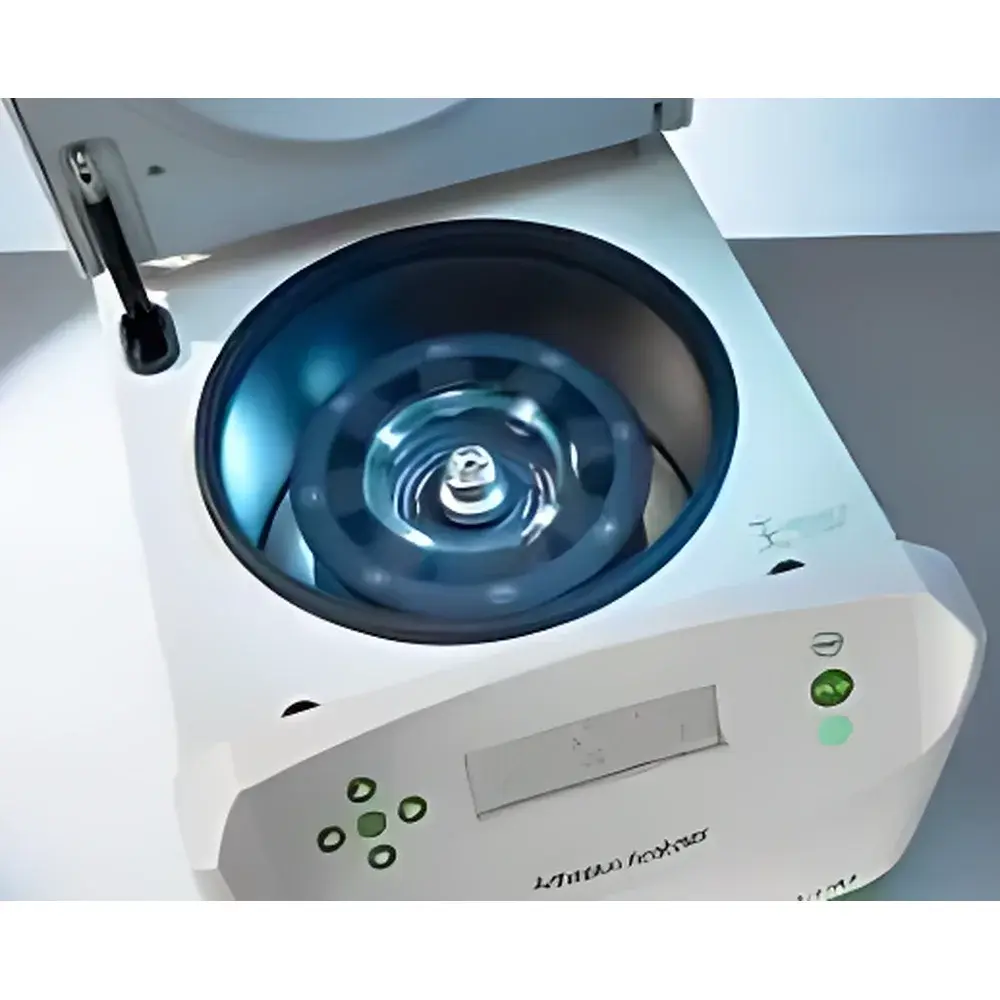
LUM LUMiFrac Adhesive and Composite Fracture Analyzer
| Brand | LUM |
|---|---|
| Origin | Germany |
| Manufacturer Type | Authorized Distributor |
| Origin Category | Imported |
| Model | LUMiFrac |
| Quotation | Upon Request |
| Principle | Centrifugal Fracture Testing (Dynamic Load Application via Rotating Rotor) |
| Max. Centrifugal Force Range | 0.1 N – 6.5 kN |
| Rotational Speed Range | 100 – 13,000 rpm |
| Tensile Strength Measurement Range | up to 80 MPa |
| Sample Capacity | 8 parallel specimens |
| Sample Dimensions | max. 30 × 30 × >1 mm³ |
| Bonded Area Diameter | 7 mm, 10 mm or custom |
| Bonded Surface Materials | metallic & non-metallic substrates |
| Specimen Mass Range | 4.1 g – 38.7 g (Cu/W-based reference: ~58 g) |
| Temperature Control Range | −11 °C to +40 °C |
| Measurement Duration | 1 min – 99 h |
| Compliance | ISO 4624, DIN EN 15870, DIN EN 14869-2, JIS K 5600-5-7 |
| Data Interface | USB |
| Power Supply | 100/120/230 V, 50/60 Hz |
| Max. Power Consumption | 1050 W |
| Net Weight | 56 kg |
| Dimensions (W×H×D) | 380 × 296 × 640 mm³ |
| Software Platform | SEPView® v6.x with real-time critical force calculation, statistical comparison, GLP-compliant audit trail, and FDA 21 CFR Part 11-ready user access control |
Overview
The LUM LUMiFrac Adhesive and Composite Fracture Analyzer is an engineered solution for quantitative, absolute measurement of interfacial adhesion strength and bulk cohesive fracture behavior in bonded joints and multilayer composite systems. Unlike conventional pull-off or lap-shear testers relying on quasi-static loading, the LUMiFrac applies precisely controlled, incrementally increasing centrifugal force—equivalent to dynamic multi-g acceleration—to specimens mounted on a high-speed rotating rotor. This principle enables direct determination of critical fracture load (in N), tensile strength (MPa), and shear strength (MPa) under reproducible mechanical stress conditions. The instrument operates on validated physical mechanics: fracture occurs when the applied radial force exceeds the adhesive/cohesive threshold of the interface or bulk material, with real-time detection of the exact rupture event. Designed and manufactured in Germany, the LUMiFrac complies with international standards including ISO 4624 (adhesion of paints and varnishes), DIN EN 15870 (adhesive bond strength of wood-based panels), DIN EN 14869-2 (testing of structural bonding), and JIS K 5600-5-7 (Japanese industrial standard for coating adhesion). Its core innovation lies in simultaneous eight-specimen testing under identical thermal and mechanical boundary conditions—eliminating batch-to-batch variability and enabling statistically robust comparative analysis.
Key Features
- Parallel eight-position rotor enabling concurrent testing of up to eight specimens—reducing total test time by up to 85% versus sequential methods
- Adjustable rotational speed (100–13,000 rpm) and programmable acceleration profiles for precise load ramping
- Wide dynamic force range (0.1 N to 6.5 kN) supporting evaluation of low-strength sealants and high-performance aerospace adhesives alike
- Integrated temperature-controlled chamber (−11 °C to +40 °C) for environmental conditioning during testing
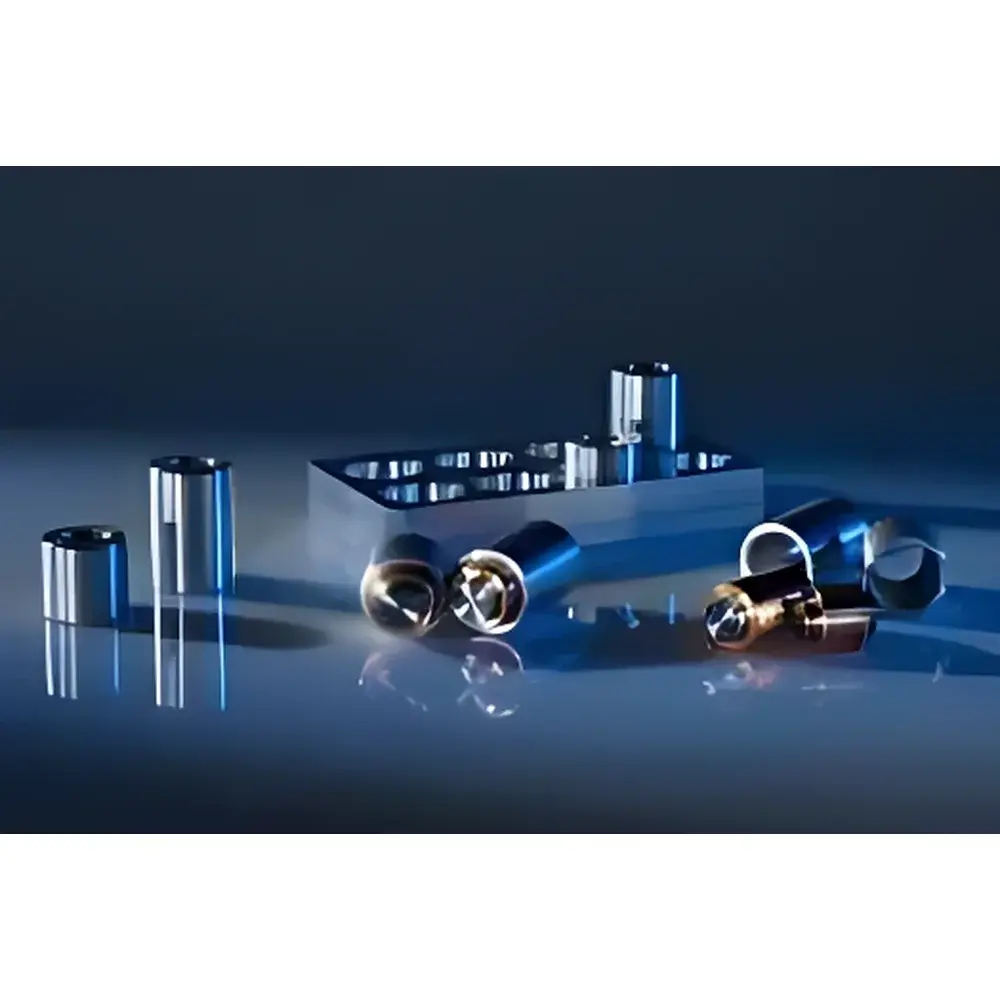
- Modular sample holders with standardized bond area options (7 mm and 10 mm diameter), plus custom configurations for specialized geometries
- Non-contact, real-time fracture detection via high-resolution torque and angular acceleration monitoring
- Reusable test bases compatible with metallic (e.g., aluminum, stainless steel) and non-metallic (e.g., polymer, ceramic, glass) substrates
- Robust mechanical architecture (56 kg mass, vibration-damped base) ensuring stability at maximum operational speeds
Sample Compatibility & Compliance
The LUMiFrac accommodates diverse specimen configurations across industrial sectors. Standardized test geometries support ASTM D1002 and ISO 4624-compliant lap-shear coupons, while custom fixtures enable evaluation of multilayer films (e.g., Al/PET/PE packaging laminates), optical coatings on ophthalmic lenses or mirrors, and structural composites used in automotive body panels or aircraft interior components. Bonded interfaces may include cyanoacrylates, epoxies, polyurethanes, pressure-sensitive adhesives (PSAs), reactive hot-melts, and UV-curable systems. Substrate combinations span metal-to-metal, metal-to-polymer, polymer-to-polymer, and ceramic-to-coating systems. All test procedures adhere to Good Laboratory Practice (GLP) requirements: full traceability of operator identity, calibration history, environmental logs, and raw torque/time data is maintained within SEPView® software. Instrument validation documentation supports GMP-regulated environments per FDA 21 CFR Part 11 where electronic records are subject to audit.
Software & Data Management
SEPView® v6.x serves as the central analytical platform for the LUMiFrac. It provides real-time visualization of applied centrifugal force, angular velocity, and instantaneous torque deviation—enabling immediate identification of fracture onset. Post-test, the software automatically calculates and reports critical values: peak force (N), tensile strength (MPa), shear strength (MPa), coefficient of variation (%CV) across replicates, and Weibull distribution parameters for reliability modeling. Statistical modules support ANOVA, t-tests, and confidence interval estimation for comparative studies. All data files are stored in encrypted, timestamped binary format with immutable metadata. Audit trail functionality logs every user action—including method edits, result exports, and report generation—with digital signature capability. Export options include CSV, PDF, and XML formats compliant with LIMS integration protocols. Calibration certificates and system suitability checks are embedded within the software’s maintenance scheduler.
Applications
- Quality control of structural adhesives in automotive assembly lines and aerospace component manufacturing
- R&D of pressure-sensitive tapes and functional films for flexible electronics and medical device packaging
- Evaluation of coating adhesion durability under thermal cycling and humidity exposure
- Comparative screening of surface pretreatment efficacy (e.g., plasma activation, corona treatment, primer application)
- Fatigue resistance assessment of bonded joints subjected to cyclic centrifugal loading
- Validation of curing kinetics and post-cure aging effects on interfacial integrity
- Failure mode analysis in multilayer barrier structures (e.g., food-grade laminates, OLED encapsulation)
FAQ
What standards does the LUMiFrac directly support?
The instrument implements test protocols aligned with ISO 4624, DIN EN 15870, DIN EN 14869-2, and JIS K 5600-5-7. Method templates within SEPView® are preconfigured for these standards.
Can the LUMiFrac test specimens thicker than 1 mm?
Yes—maximum specimen height exceeds 1 mm; however, dimensional constraints apply to the rotor’s radial clearance and balance envelope. Custom spacers and extended-height fixtures are available upon request.
Is temperature control mandatory during testing?
No—ambient-temperature operation is fully supported. The climate chamber is optional but recommended for studies requiring thermal stabilization or accelerated aging simulations.
How is calibration verified?
Calibration is performed using traceable torque and rotational speed standards. A built-in self-diagnostic routine validates sensor linearity, rotor balance, and thermal drift compensation prior to each test sequence.
Does the system require special training for routine operation?
Basic operation requires less than one day of instruction. Advanced features—including statistical modeling, custom method development, and audit trail management—are covered in LUM-certified training courses offered globally.



