
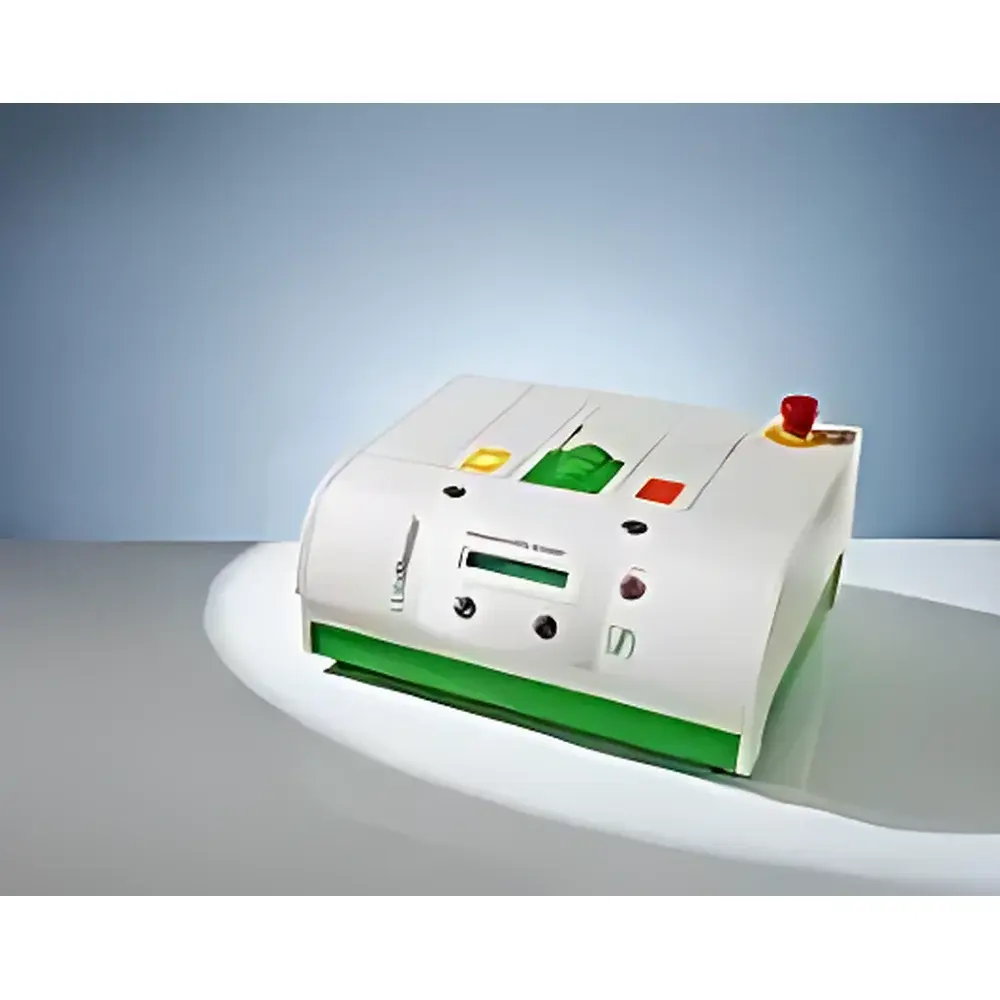
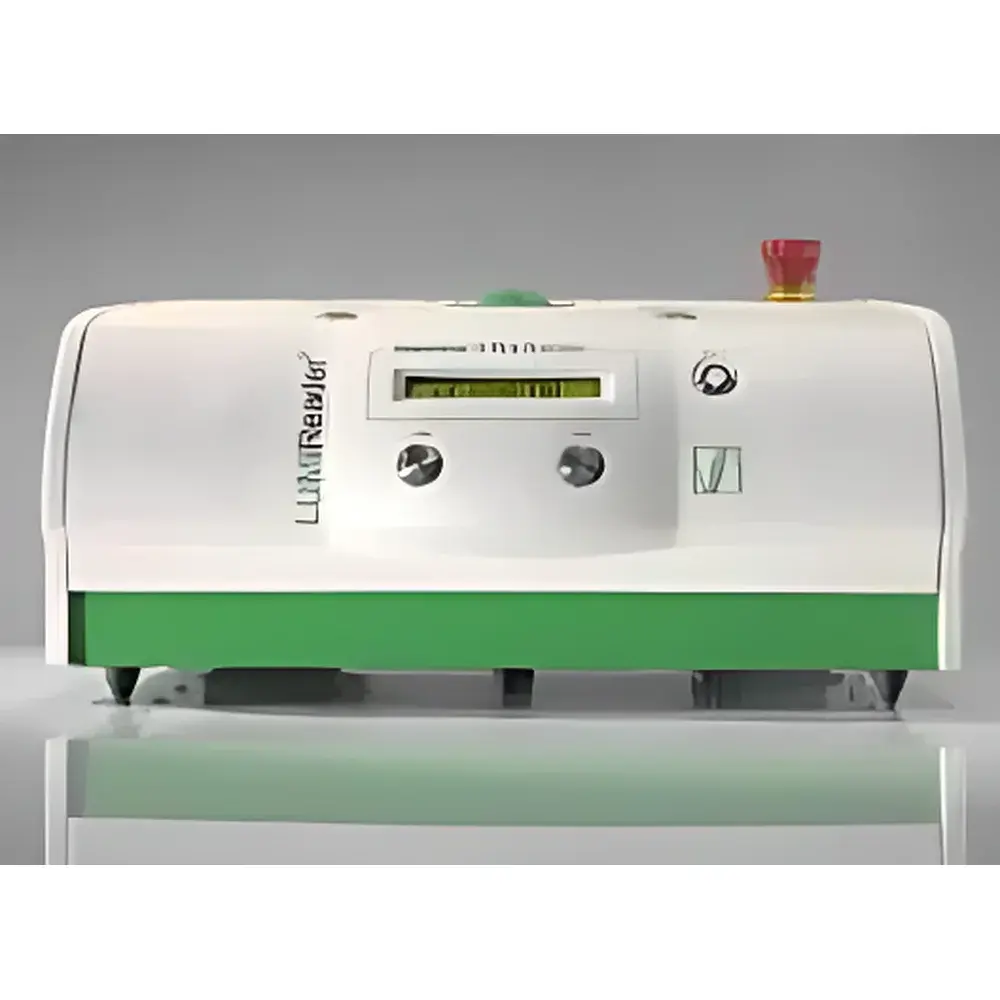
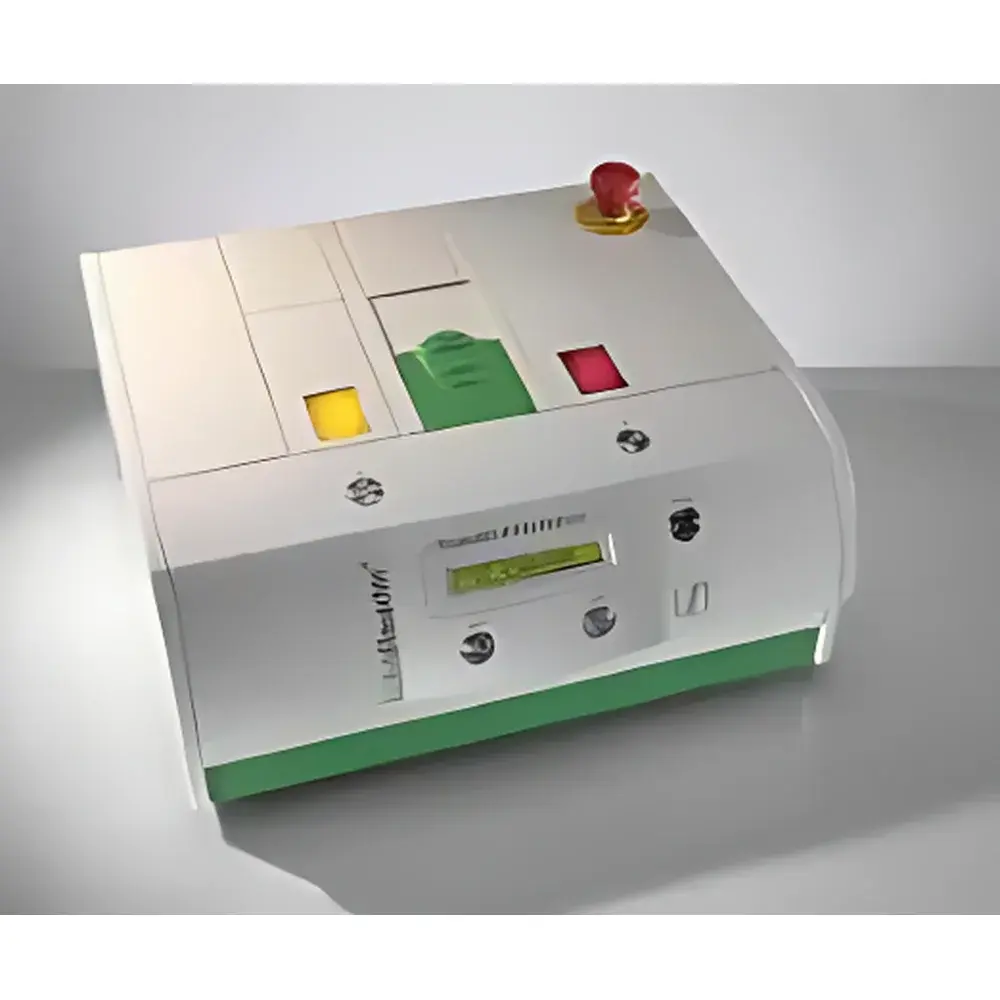
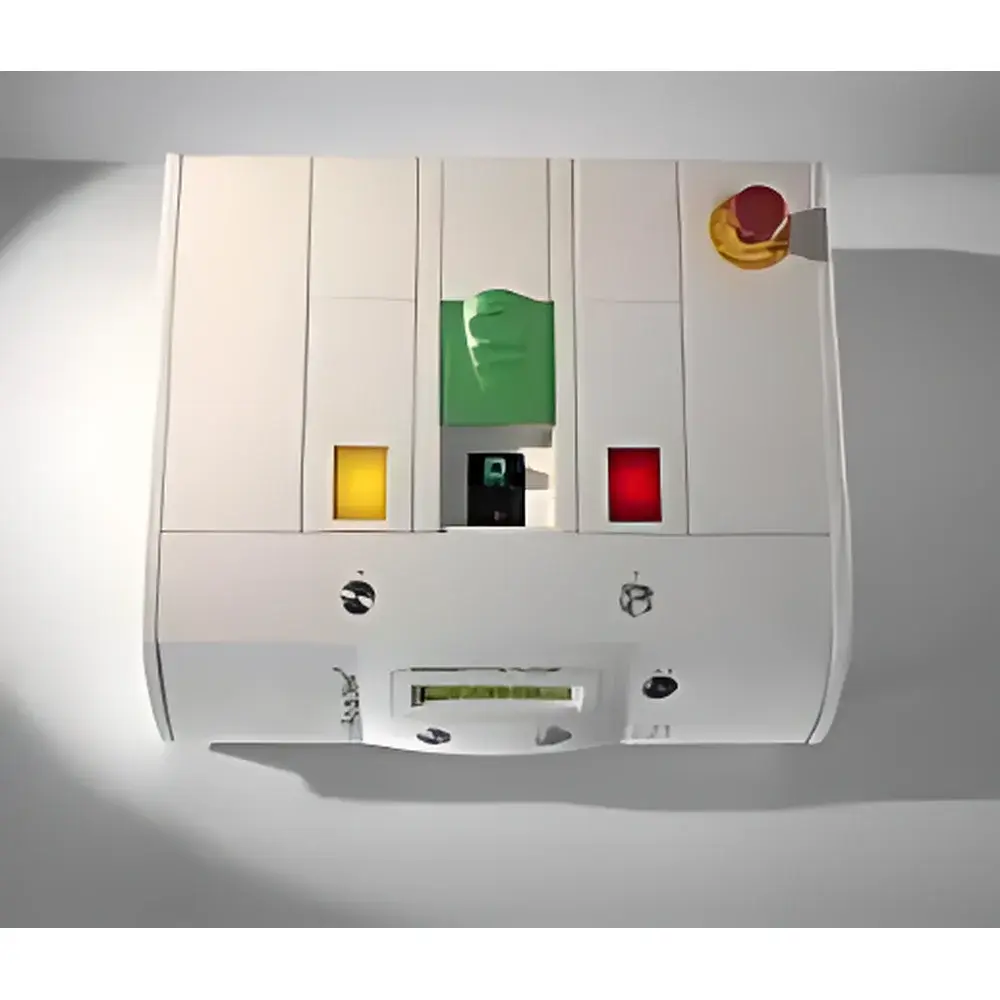
LUMiReader X-Ray Dispersed System Analyzer
| Brand | LUM |
|---|---|
| Origin | Germany |
| Manufacturer Type | Authorized Distributor |
| Origin Category | Imported |
| Model | LUMiReader X-Ray |
| Pricing | Upon Request |
Overview
The LUMiReader X-Ray is the world’s first dispersed system analyzer engineered specifically for real-time, non-invasive characterization of highly opaque and concentrated dispersions—ranging from fully transparent emulsions to completely opaque slurries, pastes, foams, and dry powders. Unlike optical methods limited by light penetration, this instrument leverages monochromatic parallel X-ray radiation (17.48 keV) coupled with LUM’s patented STEP (Space- and Time-resolved Extinction Profiles) technology to deliver spatially resolved, quantitative insight into dispersion stability, phase separation kinetics, sedimentation dynamics, and particle aggregation behavior—without dilution, sample preparation, or physical interference. Its core measurement principle is single-energy X-ray attenuation, where transmitted intensity profiles across 1600+ high-resolution detectors are recorded at user-defined time intervals (from seconds to weeks), enabling reconstruction of concentration gradients, deposit packing density, and structural evolution throughout the entire sample height (up to 20 mm) with sub-millimeter spatial resolution. Designed for rigorous R&D, QC, and process development environments, the LUMiReader X-Ray operates under full radiation safety compliance (≤1 µSv/h, BFS 03/13 V RöV certified), requiring no special shielding or regulatory permitting for routine laboratory deployment.
Key Features
- Monochromatic X-ray source (17.48 keV, max 20 W, air- and oil-cooled) ensuring stable, reproducible attenuation signals independent of particle shape, refractive index, or optical opacity
- 1600-channel linear diode array detector enabling high-fidelity space–time extinction profiling across the full sample height (20 mm)
- STEP-technology integration for real-time, in situ monitoring of concentration gradients, sediment compaction, creaming velocity, and interfacial migration
- No sample dilution or pretreatment required—valid for systems up to 100% solids content, including ceramic slips, battery slurries, oil sands, and undilutable microemulsions
- Non-destructive, non-invasive analysis preserving native dispersion structure; compatible with any continuous phase (aqueous, organic, ionic liquid, molten polymer)
- Robust mechanical architecture with zero moving parts—optimized for long-term unattended operation (hours to weeks)
- High-resolution quantification of local packing density, deposit porosity, and phase boundary mobility via inverse modeling of X-ray transmission data
Sample Compatibility & Compliance
The LUMiReader X-Ray accepts samples in standard cylindrical quartz or glass cuvettes (0.3–1.6 mL volume), accommodating particulates of any morphology—from nanoscale colloids to micron-scale granules—and all dispersion types: suspensions, emulsions, foams, pastes, and dry powders. It is validated for use in regulated industries adhering to ISO/TR 13097 (characterization of dispersion stability), FDA 21 CFR Part 11 (electronic records and signatures), and GLP/GMP-aligned workflows requiring audit-trail-enabled data integrity. Radiation safety certification (BFS 03/13 V RöV) ensures unrestricted placement in standard laboratory spaces without dedicated shielding infrastructure.
Software & Data Management
Equipped with LUM’s proprietary SEPView software, the system provides full traceability of raw transmission profiles, processed extinction maps, kinetic parameter extraction (e.g., sedimentation rate, instability index, layer thickness), and comparative statistical analysis across batches or formulations. All data—including metadata, instrument logs, and user annotations—are stored in a secure, timestamped, encrypted database compliant with 21 CFR Part 11 requirements. Export options include CSV, HDF5, and PDF reports with customizable templates for internal QA documentation or regulatory submissions.
Applications
The LUMiReader X-Ray serves as a primary analytical tool across advanced materials and process-critical sectors: ceramic slurry rheology and green-body homogeneity assessment; battery electrode slurry stability and binder distribution mapping; pharmaceutical suspension shelf-life prediction; pigment dispersion optimization in coatings and inks; mineral processing slurry settling behavior; catalytic powder re-dispersion kinetics; silicone emulsion coalescence monitoring; and solid electrolyte composite densification analysis. Its ability to resolve spatial heterogeneity in opaque systems makes it indispensable for formulation scientists addressing stability failures invisible to optical techniques.
FAQ
Does the LUMiReader X-Ray require radiation licensing or special facility modifications?
No. The instrument incorporates a fully shielded, BFS-certified X-ray source with ambient dose rate ≤1 µSv/h—well below international exemption thresholds—permitting operation in standard ISO Class 5–8 labs without structural upgrades.
Can it analyze samples containing volatile or reactive solvents?
Yes. The sealed cuvette design and absence of vacuum or heating stages allow safe analysis of flammable, corrosive, or moisture-sensitive dispersions without containment risk.
How does it differ from conventional centrifugal stability analyzers like LUMiFuge or LUMiSizer?
While LUMiFuge/LUMiSizer rely on accelerated sedimentation via centrifugation and optical detection, the LUMiReader X-Ray performs gravity-driven, real-time monitoring under native conditions using X-ray attenuation—eliminating acceleration artifacts and extending applicability to fragile structures (e.g., foams, gels, low-yield-stress pastes).
Is calibration traceable to national standards?
X-ray energy is fixed by graphite monochromator geometry (17.48 keV); intensity calibration is performed using NIST-traceable attenuation standards, with annual verification supported by LUM’s service network.
What is the minimum detectable concentration gradient?
Detection sensitivity depends on material attenuation coefficient, but typical resolution achieves ±0.5% v/v local concentration change over 100 µm spatial bins—validated for TiO₂, SiO₂, and Fe₃O₄ dispersions across 0.1–95% w/w ranges.



