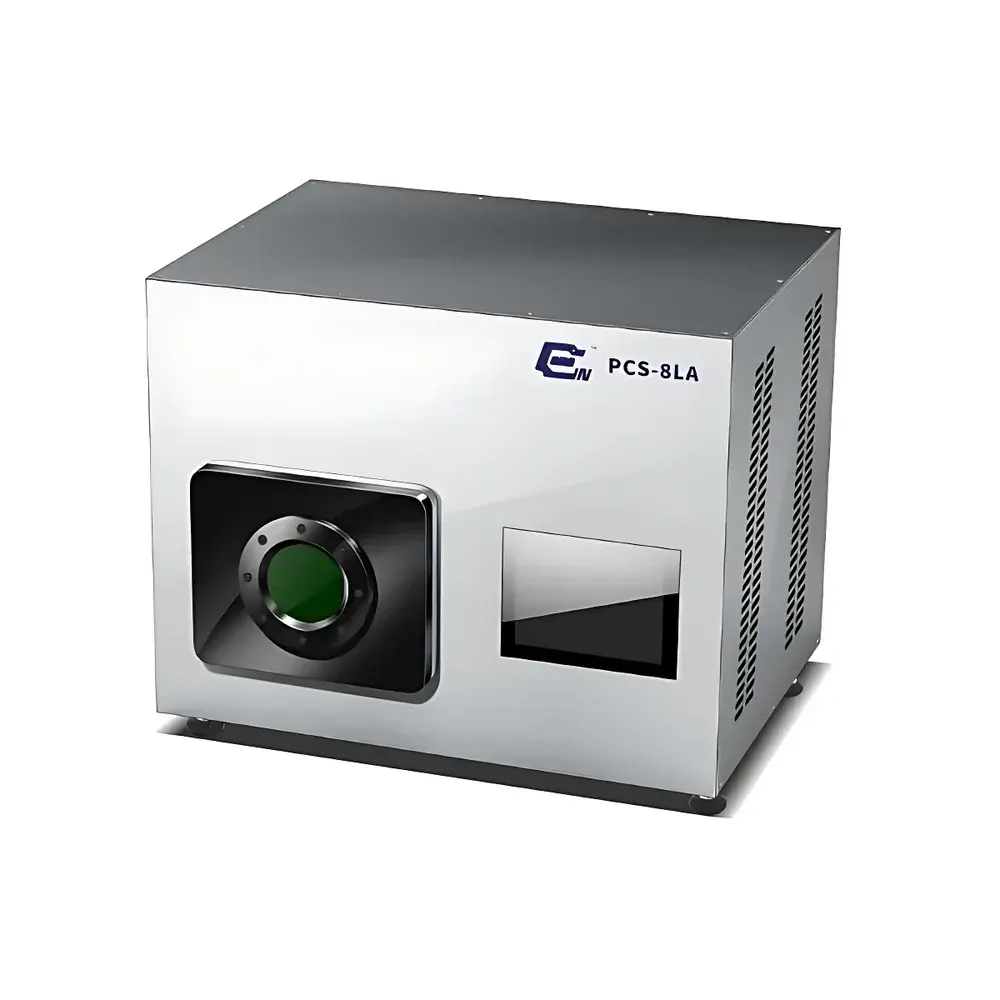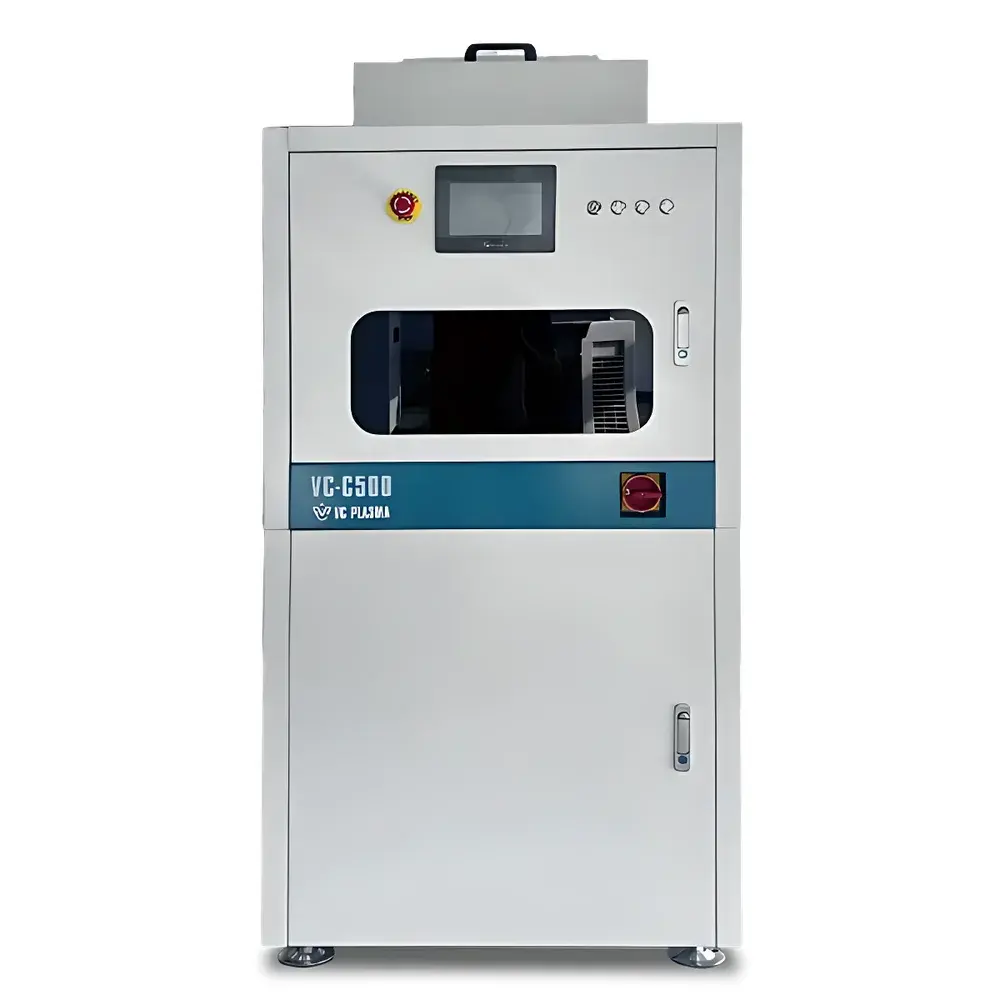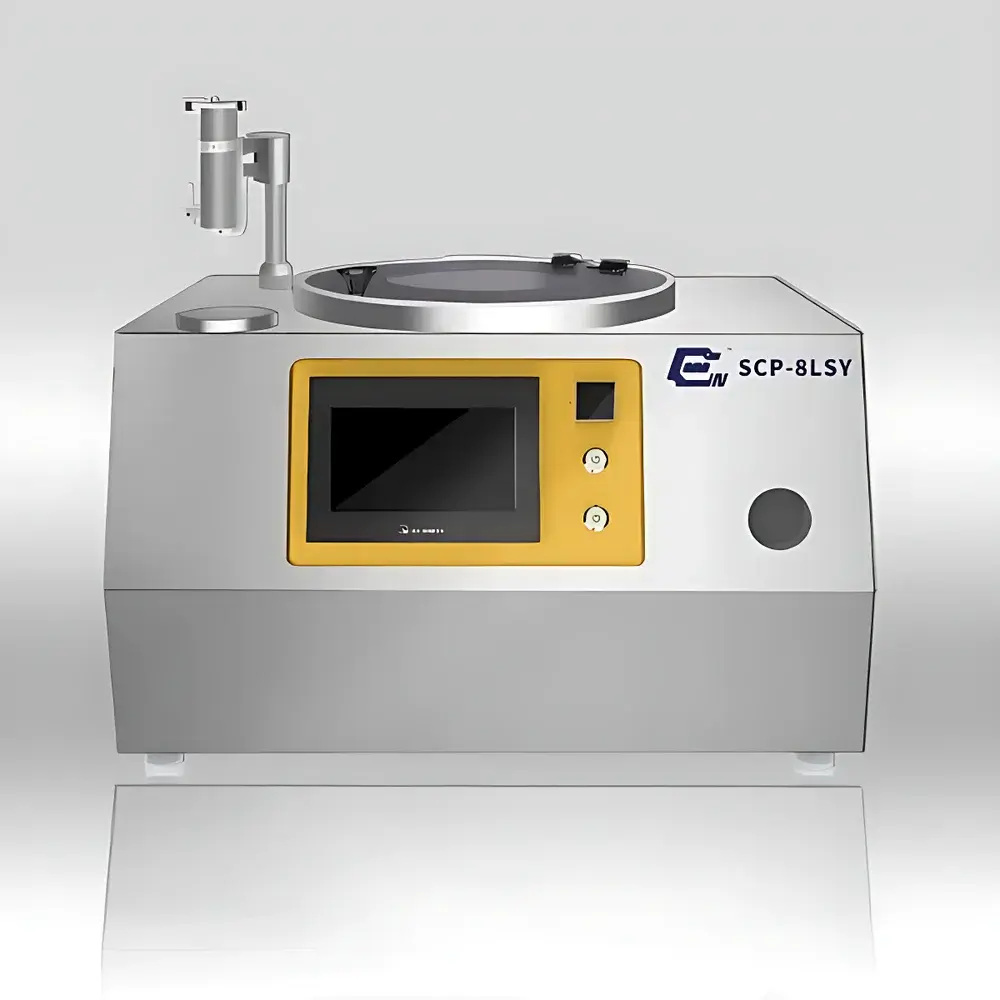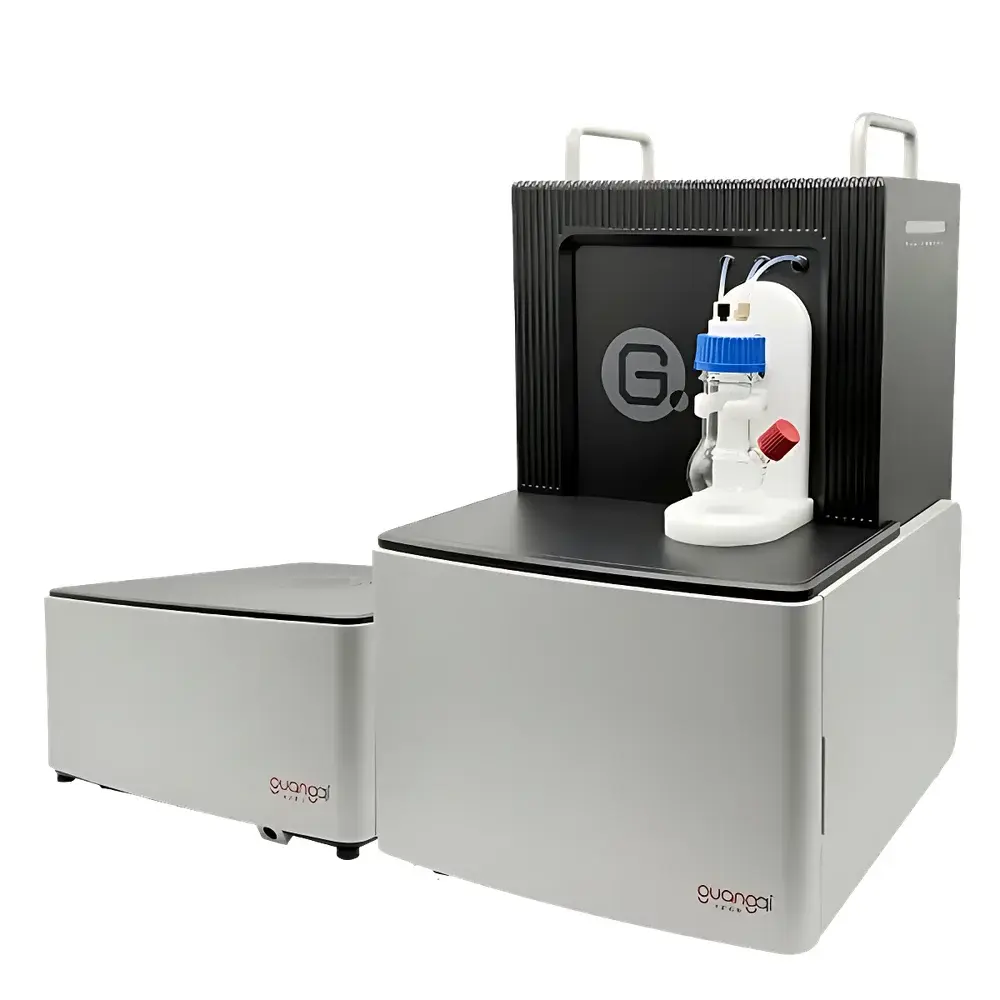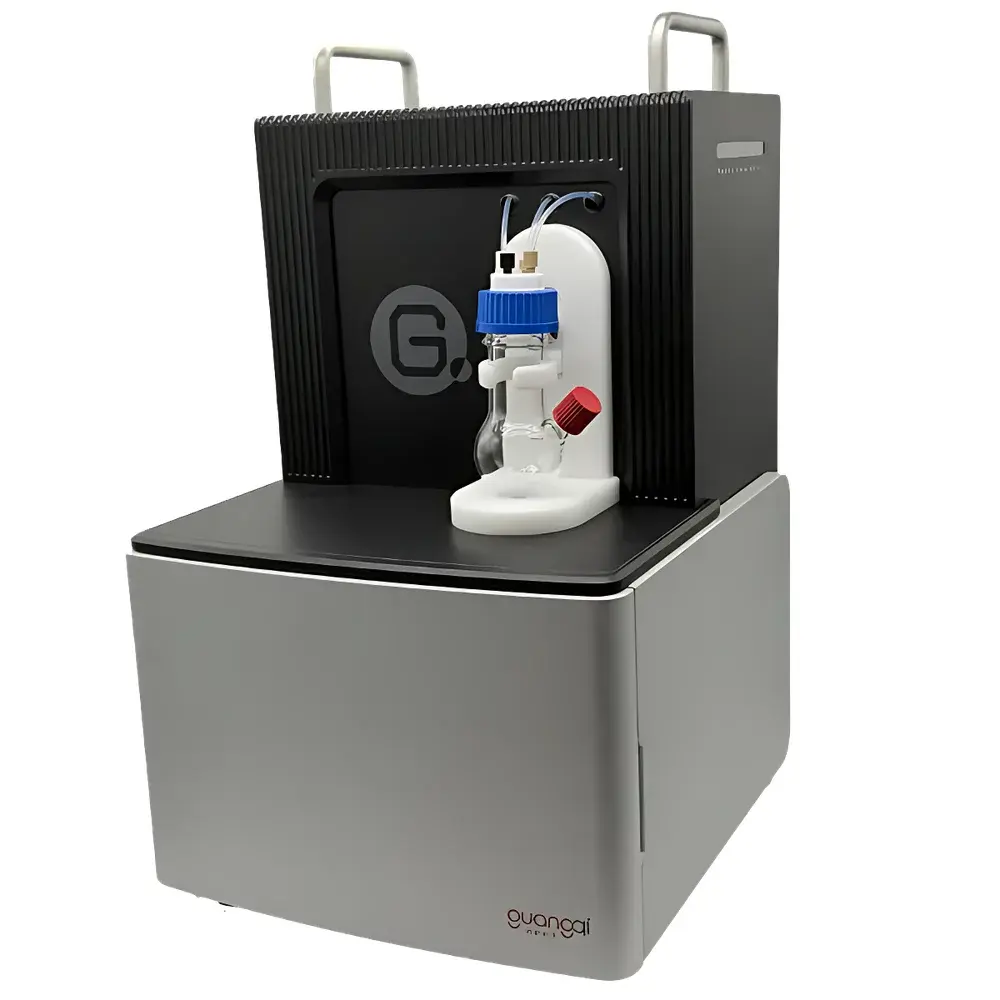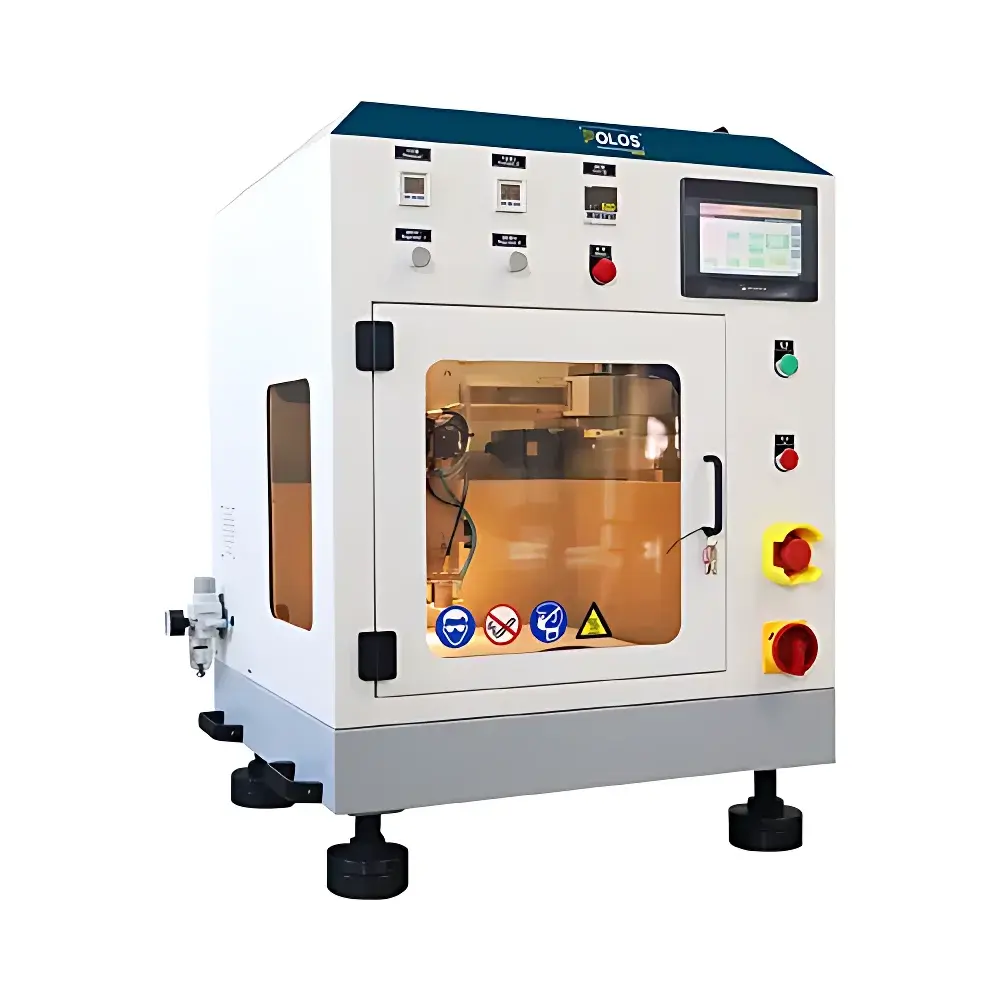
Makeway MKW-320 High-Precision Ultrasonic Spray Coating System
| Brand | Makeway |
|---|---|
| Origin | Shanghai, China |
| Manufacturer Type | Authorized Distributor |
| Region of Origin | Domestic (China) |
| Model | MKW-320 |
| Price Range | USD 21,000 – 55,000 |
Overview
The Makeway MKW-320 High-Precision Ultrasonic Spray Coating System is an engineered solution for controlled, low-waste thin-film deposition in semiconductor R&D and pilot-scale manufacturing environments. Unlike conventional spin coating or air-assisted spray techniques, the MKW-320 employs piezoelectric ultrasonic atomization—where high-frequency mechanical vibration (typically 120 kHz) induces capillary wave formation at the liquid–air interface, generating monodisperse micron- to sub-micron droplets without pressure-driven nozzles or thermal input. This principle enables deterministic control over droplet size distribution (DSD), film thickness uniformity (< ±2.5% across 200 mm wafers), and material utilization efficiency (>95%), making it especially suitable for high-value photoresists, perovskite precursors, graphene dispersions, and catalyst inks where stoichiometry, edge coverage, and repeatability are critical.
Key Features
- Ultrasonic atomization core using titanium alloy transducer and stainless-steel nozzle assembly—resistant to corrosion, thermal drift, and mechanical fatigue under continuous operation.
- Integrated syringe pump with programmable flow rate (0.01–10 mL/min) and pulseless delivery, synchronized with XYZ motion stage (±1 µm repeatability) for patterned, multi-pass, or gradient coating.
- No-pressure, low-noise operation (<65 dB(A)) eliminates nozzle clogging, back-splash, and aerosol overspray—reducing cleanroom contamination and operator exposure per ISO 14644-1 Class 5 requirements.
- Adjustable雾化 amplitude and frequency modulation enable precise tuning of droplet Sauter mean diameter (SMD) from 5–50 µm, supporting both conformal and directional deposition modes.
- Modular design accommodates interchangeable nozzle configurations (linear, focused, dual-channel) and optional heated substrate stage (up to 200 °C) for in-situ solvent evaporation control.
- Low power consumption (<350 W total system draw) and minimal compressed gas usage (N₂ or synthetic air, 0.5–2.0 bar regulated) align with SEMI S2/S8 safety and energy-efficiency guidelines.
Sample Compatibility & Compliance
The MKW-320 demonstrates broad compatibility with low- to medium-viscosity liquids (0.5–50 mPa·s), including aqueous photoresist formulations (e.g., AZ® series, Shipley Microposit®), organometallic perovskite inks (e.g., MAPbI₃ in DMF/DMSO), graphene oxide dispersions, Pt/C catalyst slurries, and fluoropolymer-based anti-reflective coatings. All wetted components comply with USP Class VI biocompatibility standards; stainless-steel fluid paths meet ASTM A276 for corrosion resistance. The system supports GLP/GMP-aligned process documentation via audit-trail-enabled software (see Software section) and is compatible with ISO 9001-certified fabrication workflows. No hazardous solvents or high-voltage components require special exhaust or grounding beyond standard Class 1000 cleanroom infrastructure.
Software & Data Management
The MKW-320 is operated via Makeway’s proprietary CoatingStudio™ v3.2 GUI, a Windows-based application compliant with FDA 21 CFR Part 11 for electronic records and signatures. It provides real-time monitoring of spray parameters (flow rate, atomization amplitude, stage velocity, gas pressure), automatic recipe storage with version control, and CSV-exportable log files timestamped to UTC. Process validation reports include coating uniformity maps (generated from integrated optical thickness sensor option), material usage analytics, and deviation alerts triggered by out-of-spec parameter drift. Remote diagnostics and firmware updates are supported over secure TLS 1.2 Ethernet connection—no cloud dependency or third-party telemetry.
Applications
- Semiconductor photolithography: Uniform photoresist coating on Si, SiC, GaN, and SOI wafers (100–300 mm); reduced edge bead and improved CD uniformity vs. spin coating.
- Perovskite and organic PV: Sequential or co-spray deposition of electron/hole transport layers (e.g., NiOₓ, PCBM) and absorber layers with controlled crystallinity.
- Fuel cell MEA fabrication: Precise Pt/C and Nafion® ionomer spraying onto GDL substrates, minimizing noble metal loading while maintaining proton conductivity.
- Flexible electronics: Conformal coating of conductive polymer inks (PEDOT:PSS) and silver nanowire dispersions on PET and PI substrates.
- MEMS and sensor packaging: Hydrophobic/hydrophilic functional layer patterning for surface energy engineering and microfluidic channel priming.
FAQ
What wafer sizes does the MKW-320 support?
Standard configuration accommodates substrates from 50 mm to 200 mm diameter; optional vacuum chuck upgrade enables 300 mm handling with flatness compensation.
Is the system compatible with aggressive solvents such as NMP or chlorobenzene?
Yes—wetted materials (316L SS, Kalrez® seals, titanium transducers) are chemically rated for extended exposure to halogenated and polar aprotic solvents per ASTM D471 testing.
Can the MKW-320 be integrated into a cluster tool or automated fab line?
It features SECS/GEM-compliant RS-232 and TCP/IP interfaces, SECS-II message mapping, and dry-contact I/O for handshake with factory host systems.
Does the system meet cleanroom classification requirements?
Fully assembled and tested in ISO Class 5 environment; particle generation <10 particles ≥0.5 µm/m³ during operation (per ISO 21501-4).
What maintenance intervals are recommended?
Ultrasonic nozzle inspection every 200 operational hours; transducer recalibration annually or after 1,000 hours; full preventive maintenance per SEMI E10 guidelines.