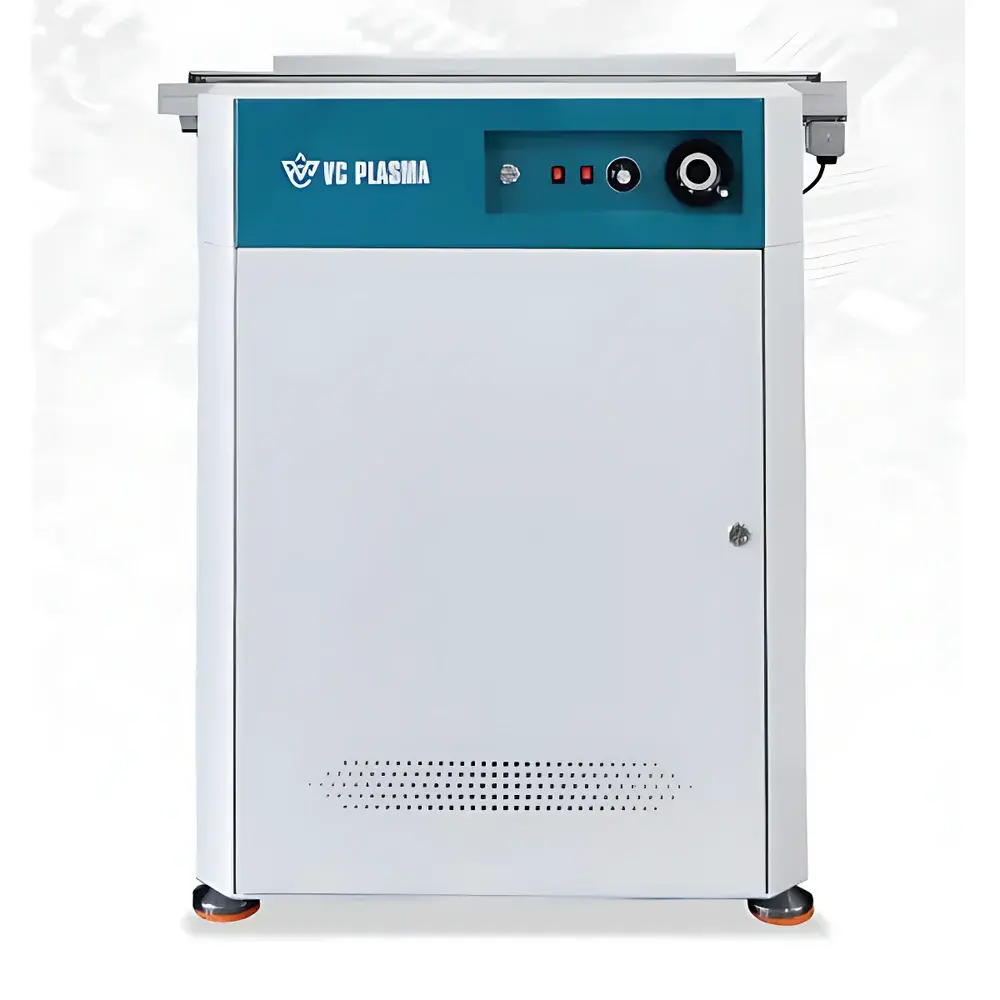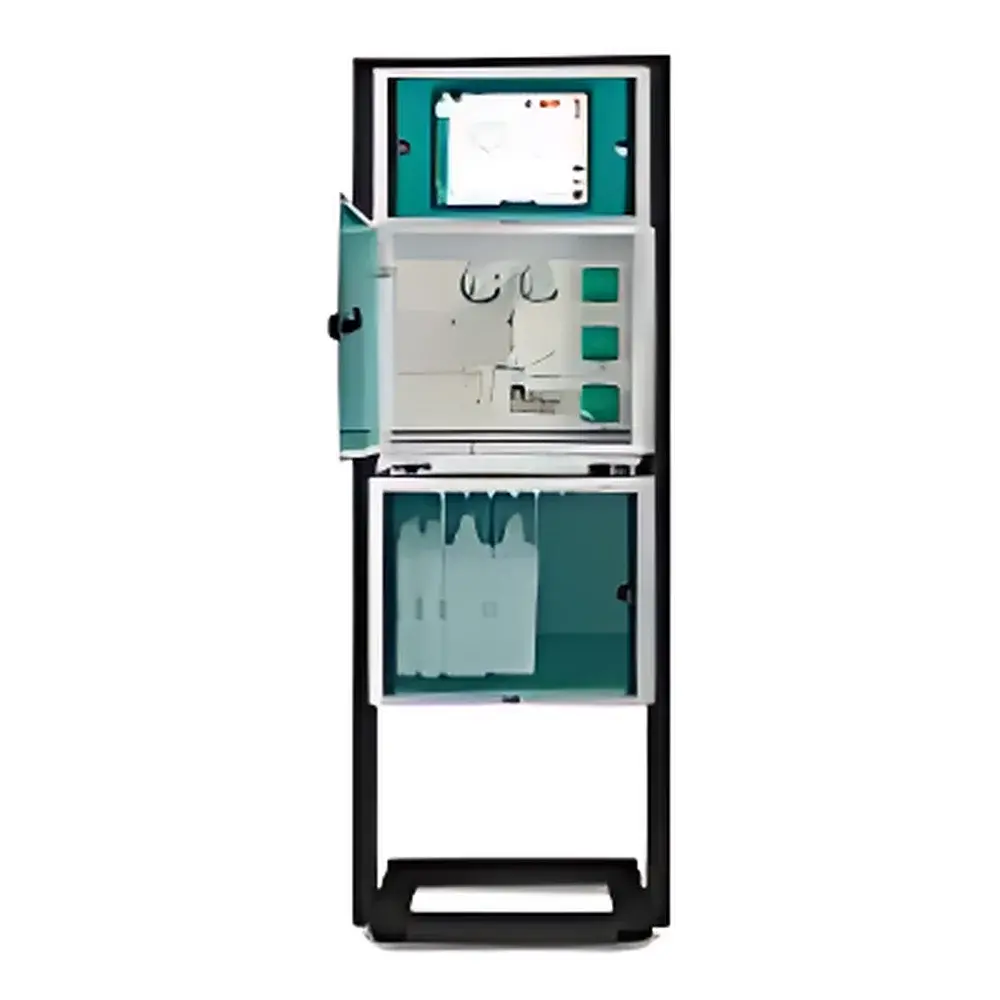
Metrohm 2060 VA/CVS Process Analyzer
| Brand | Metrohm |
|---|---|
| Origin | Switzerland |
| Manufacturer | Metrohm AG |
| Type | Imported |
| Model | 2060 VA/CVS |
| Pricing | Upon Request |
Overview
The Metrohm 2060 VA/CVS Process Analyzer is an industrial-grade, fully automated electrochemical process monitoring system engineered for continuous, real-time trace analysis in demanding production environments. Based on the fundamental principles of voltammetry (VA) and cyclic voltammetric stripping (CVS), this analyzer delivers quantitative determination of electrochemically active species—primarily heavy metals (e.g., Cu, Pb, Cd, Zn) in VA mode, and organic additives (e.g., suppressors, levelers, brighteners) in copper electroplating baths in CVS mode. The system operates via controlled potential sweeps at a working electrode (typically a mercury-film or solid-state multi-mode electrode such as the Metrohm Multi-Mode Electrode Pro), measuring resulting faradaic current responses with high sensitivity and reproducibility. Its architecture integrates seamlessly with the Metrohm 884 Professional Voltammetric Analyzer, enabling method transfer from lab-developed protocols to robust online operation. Designed for 24/7 deployment in semiconductor, PCB manufacturing, and metal finishing facilities, the 2060 platform complies with core requirements of process analytical technology (PAT) frameworks under ICH Q8/Q9 and supports alignment with GMP/GLP data integrity expectations.
Key Features
- Rugged, IP65-rated enclosure with corrosion-resistant fluidic components (e.g., PTFE, PEEK, borosilicate glass) suitable for harsh industrial settings including cleanrooms and wet-process lines.
- Modular liquid handling architecture supporting up to 10 independent sample streams—each configurable with peristaltic pumps, level sensors, and programmable reagent addition units.
- Integrated pre-treatment capabilities: on-line pH adjustment, thermal or UV digestion modules, and automated dilution for complex matrices (e.g., plating baths, effluents, leachates).
- Dual operational modes: 2060 VA for trace metal speciation (detection limits down to sub-ppt levels); 2060 CVS for quantitative organic additive profiling via charge integration of characteristic redox peaks during cyclic potential scans.
- Real-time electrochemical signal acquisition with adjustable scan rates (1–1000 mV/s), deposition times (1–300 s), and pulse parameters—fully programmable via IMPACT software.
Sample Compatibility & Compliance
The 2060 VA/CVS accepts aqueous liquid samples with conductivity ≥ 10 µS/cm and suspended solids < 5 ppm. It accommodates aggressive media typical in electroplating (e.g., acidic CuSO₄–H₂SO₄ baths, sulfonate-based additives) and environmental monitoring streams (e.g., treated wastewater, leachates). Fluidic pathways avoid metal contamination through inert material selection and validated cleaning cycles. The system supports compliance with ASTM D5198 (voltammetric trace metal analysis), ISO 11969 (electrochemical methods for water quality), and USP / (elemental impurities in pharmaceuticals). Audit trails, electronic signatures, and user-access control align with FDA 21 CFR Part 11 requirements when configured with IMPACT’s secure execution environment.
Software & Data Management
Pre-installed IMPACT software provides a unified interface for method development, sequence programming, real-time visualization, and alarm management. Analytical sequences appear as intuitive timeline-based workflows, enabling precise synchronization of sampling, conditioning, measurement, and cleaning steps. All raw voltammograms, processed peak integrals, calibration curves, and QC metrics are timestamped and stored in a relational database with configurable retention policies. Data export supports CSV, XML, and OPC UA; native Modbus TCP/RTU and discrete I/O interfaces allow direct integration into DCS/SCADA systems (e.g., Siemens PCS7, Emerson DeltaV). Background viva software handles advanced data evaluation—including multi-peak deconvolution, baseline correction, and statistical trend analysis—for long-term bath stability assessment.
Applications
- Continuous monitoring of copper plating bath organic additives (CVS) in PCB and semiconductor interconnect manufacturing—ensuring consistent deposit morphology and minimizing defect rates.
- Trace heavy metal quantification (VA) in rinse waters, process effluents, and reclaimed electrolytes to meet environmental discharge limits (e.g., EPA 200.8, ISO 17294-2).
- In-line quality control of catalyst solutions (e.g., Pt, Pd complexes) in electrochemical synthesis reactors.
- Stability testing of electroplating formulations during R&D and scale-up, correlating additive depletion kinetics with film properties.
- Automated compliance reporting for ISO 14001-certified facilities requiring documented trace element monitoring across production lines.
FAQ
What electrochemical techniques does the 2060 support beyond standard VA and CVS?
It natively executes differential pulse voltammetry (DPV), square-wave voltammetry (SWV), and anodic/cathodic stripping voltammetry (ASV/CSV), all configurable via IMPACT.
Can the 2060 be integrated with existing LIMS or MES platforms?
Yes—through standardized OPC UA, Modbus, or RESTful API endpoints; custom middleware adapters are available upon request.
Is electrode maintenance automated?
The system includes programmable electrode renewal cycles (e.g., mercury film re-plating, solid electrode polishing) with status logging and predictive wear alerts.
How is calibration traceability ensured?
Calibration standards are tracked via barcode-scanned vials; certificate metadata (e.g., NIST-traceable reference values, expiry dates) is embedded in method files and audit logs.
Does the 2060 support remote diagnostics and firmware updates?
Yes—via secure TLS-encrypted Ethernet connection; remote access requires role-based authentication and session logging per ISO/IEC 27001 guidelines.