
METTLER TOLEDO DP70/DP90 Dropping Point & Softening Point Analyzer
| Brand | METTLER TOLEDO |
|---|---|
| Origin | Switzerland |
| Model | DP70 / DP90 |
| Temperature Range | RT to 400 °C (DP70), –20 to 400 °C (DP90) |
| Accuracy | ±0.4 °C (–20 to 30 °C), ±0.2 °C (30 to 200 °C), ±0.5 °C (200 °C to max) |
| Heating Rate | 0.1–20 °C/min |
| Compliance | ASTM D3104, D3461, D36, D6089 |
| Data Output | PDF, CSV, video export, LIMS-compatible CSV |
| Sample Carrier | Standardized disposable cups per ASTM/DIN/Ph. Eur. |
Overview
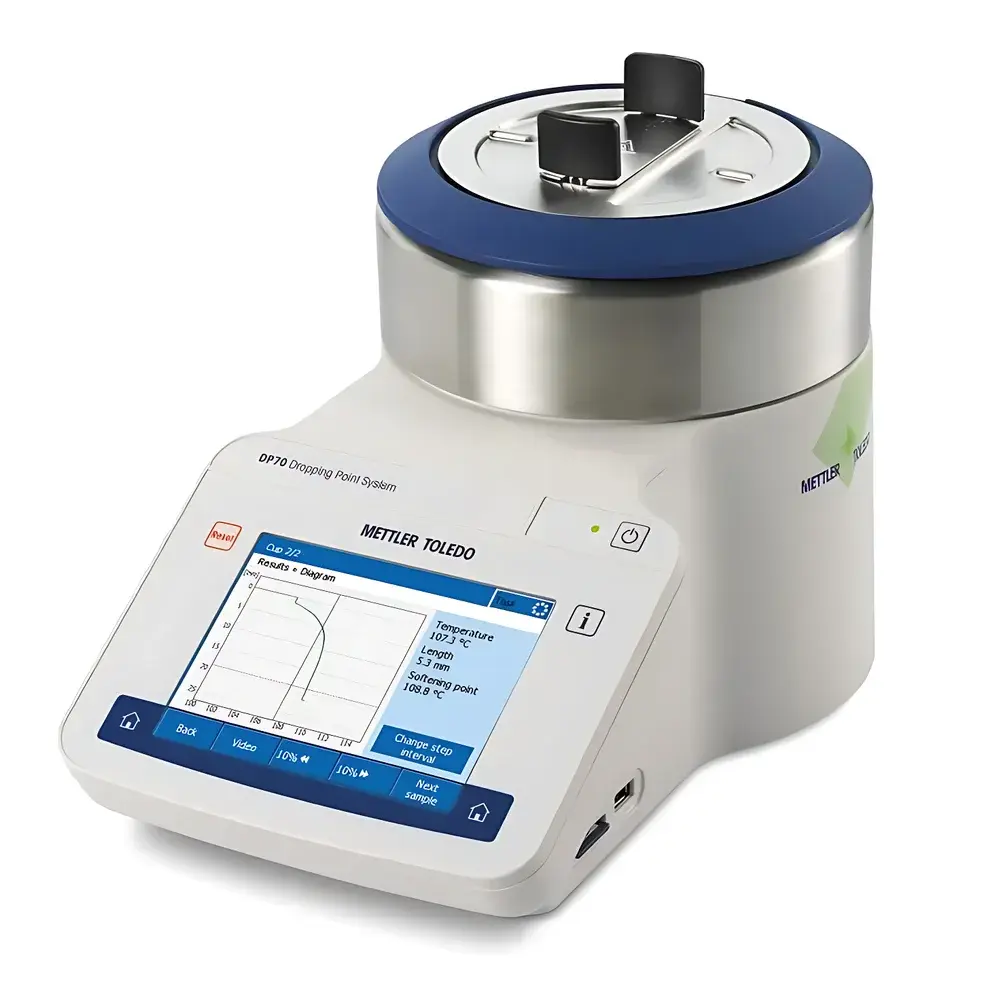
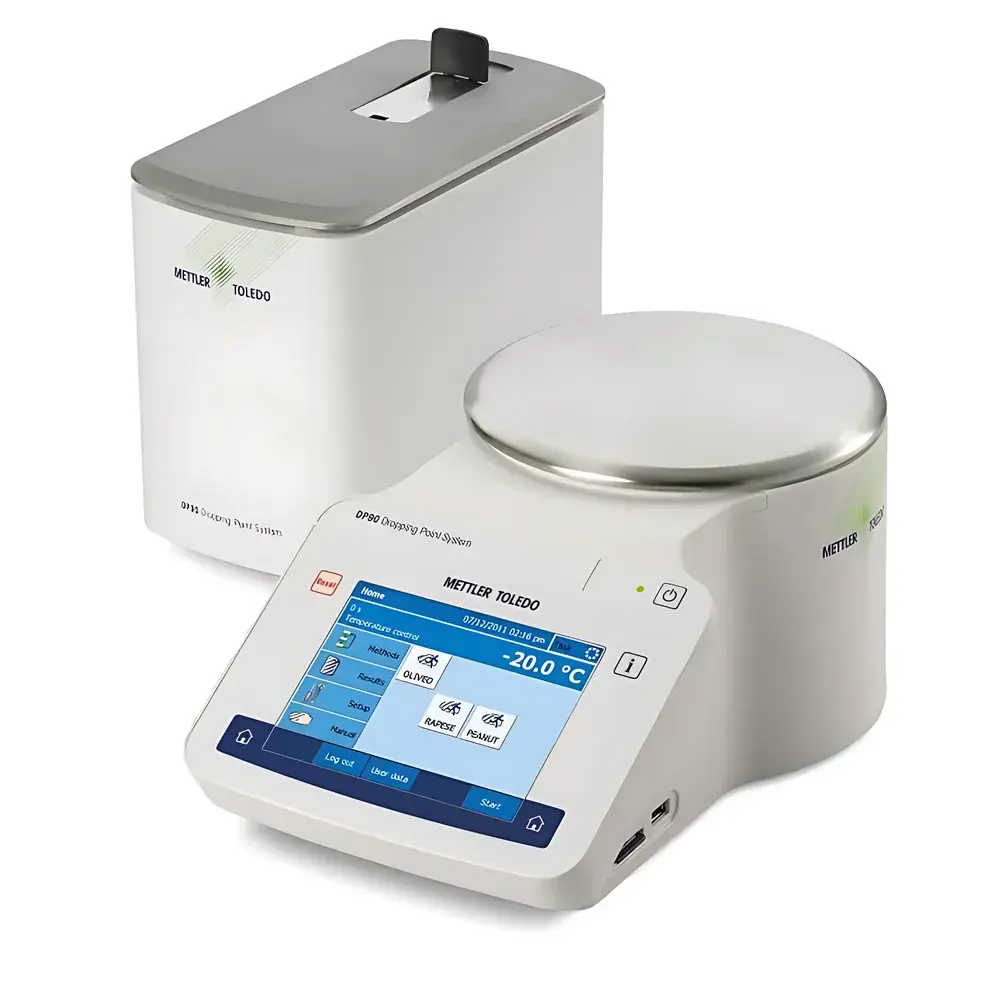
The METTLER TOLEDO DP70 and DP90 Dropping Point & Softening Point Analyzers are fully automated, dual-position thermal analysis instruments engineered for precise determination of the dropping point (DP) and softening point (SP) of semi-solid and thermoplastic materials. Based on standardized capillary tube or cup-and-ball methodologies, these analyzers detect the temperature at which a material transitions from a solid or semi-solid state to a fluid state under controlled heating—governed by defined load and geometry conditions. The system employs high-stability platinum resistance thermometers (PRTs), calibrated traceable to NIST standards, and integrates real-time digital image capture with pixel-level edge detection algorithms to objectively identify the onset of droplet formation or ball sagging. This optical–thermal correlation eliminates operator subjectivity and ensures metrological consistency across laboratories, making the DP70/DP90 suitable for regulated environments requiring audit-ready documentation and method reproducibility.
Key Features
- One-Click™ automated measurement workflow: Full sequence initiation—including heating ramp, endpoint detection, and report generation—with single touchscreen interaction.
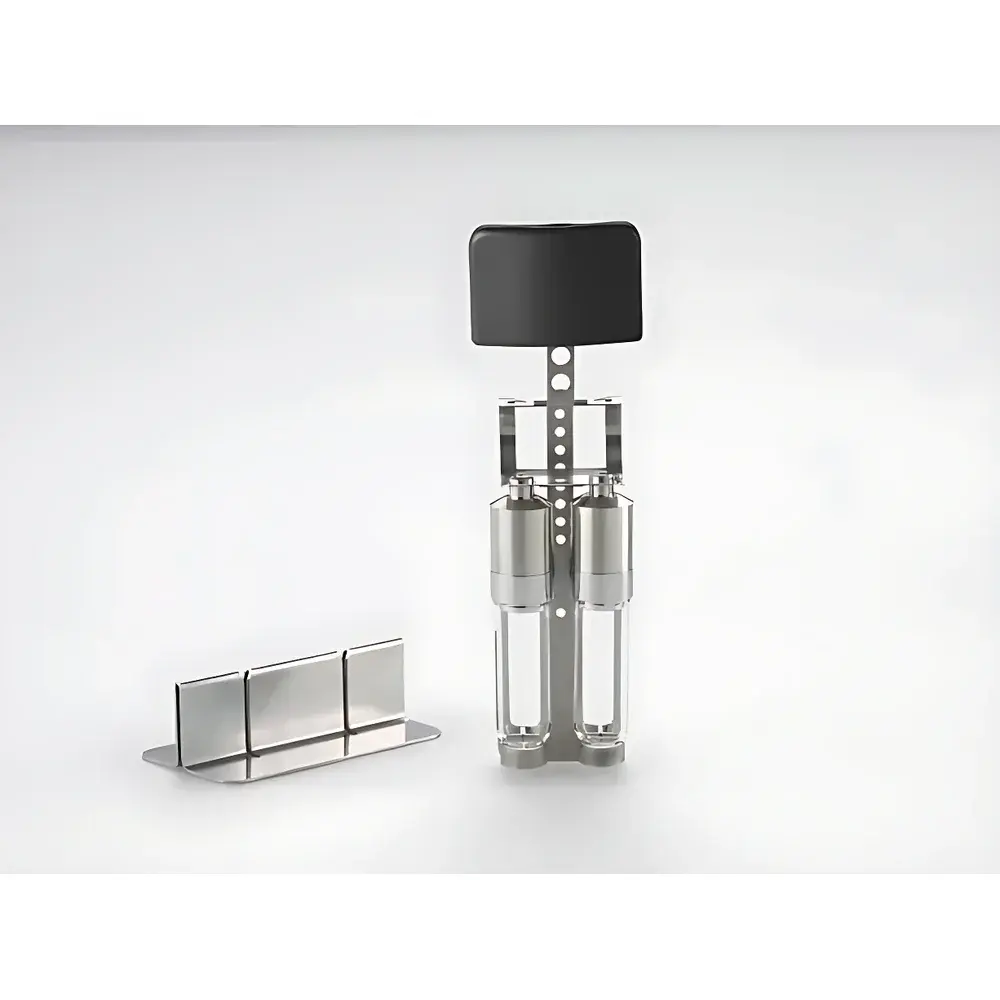
- Dual independent sample positions: Enables concurrent analysis of two specimens under identical thermal conditions; instrument calculates and displays mean value and absolute difference (ΔT) in real time.
- High-resolution color video recording (up to 30 fps) with synchronized thermal profiling: Captures full thermal evolution for retrospective frame-by-frame validation and failure mode analysis.
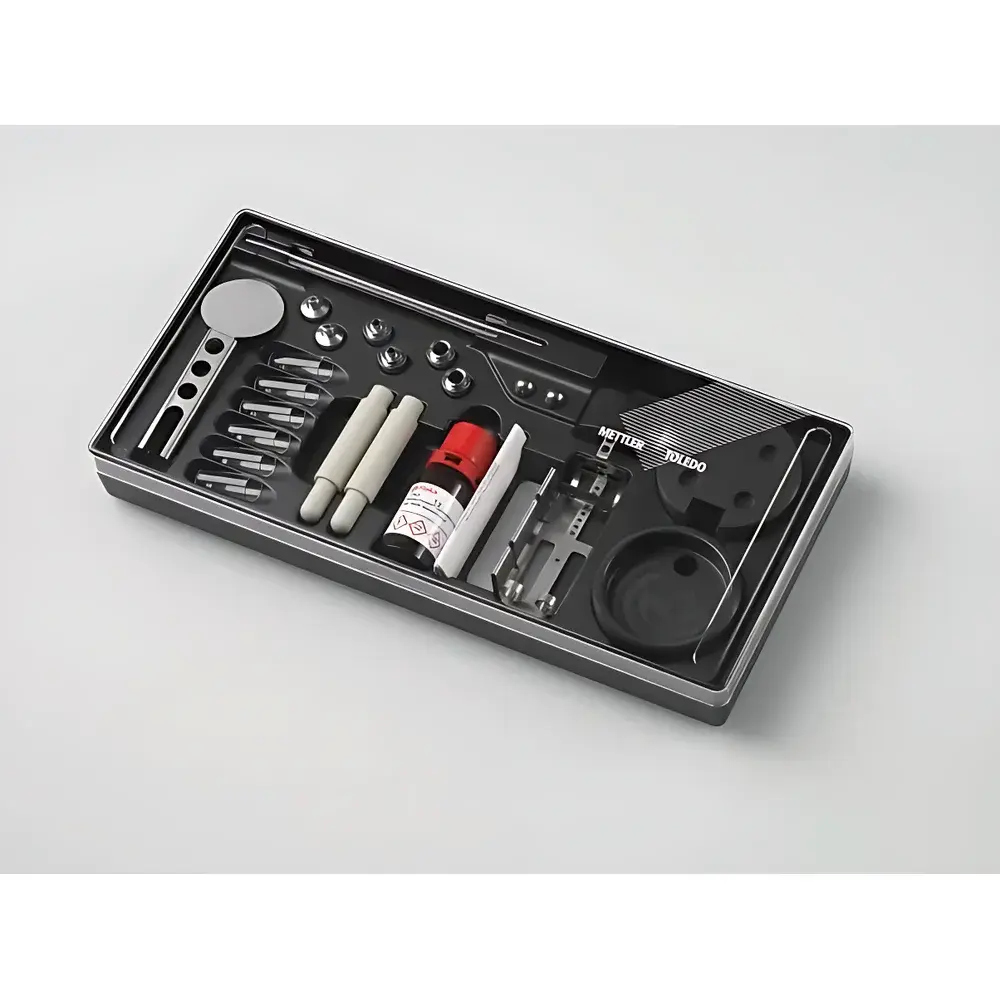
- Standard-compliant sample carriers: Interchangeable disposable cups and holders certified for ASTM D3104 (greases), D36 (asphalts), DIN 51801 (bitumens), and Ph. Eur. 2.2.17 (pharmaceutical ointments), eliminating cross-contamination and cleaning downtime.
- Programmable heating profiles: Linear ramps from 0.1 to 20 °C/min with optional isothermal holds; supports multi-step methods for complex thermal transitions.
- Length-change curve derivation: From sequential image analysis, the system generates time–temperature–displacement plots, providing supplementary rheological insight into viscoelastic deformation prior to macroscopic flow.
Sample Compatibility & Compliance
The DP70/DP90 accommodates a broad spectrum of organic and petrochemical matrices, including coal tar pitches, road and roofing bitumens, rosin esters, petroleum jellies (e.g., USP-grade petrolatum), lubricating greases, synthetic resins (e.g., polyterpenes, EVA copolymers), edible fats and oils (e.g., cocoa butter, palm oil fractions), and pharmaceutical semisolids (e.g., hydrophilic ointment bases, suppository vehicles). All operational modes comply with internationally recognized test standards: ASTM D3104 (dropping point of lubricating grease), ASTM D36 (ring-and-ball softening point of bitumen), ASTM D6089 (softening point of waxes), DIN 51801–51803 (bitumen and tar derivatives), IP 55/56 (petroleum products), and European Pharmacopoeia monograph 2.2.17 (softening point of ointments and suppositories). Instrument firmware includes preloaded standard methods with validated parameters, supporting GLP and GMP workflows through electronic signatures, user access levels, and 21 CFR Part 11–compliant audit trails.
Software & Data Management
Running on METTLER TOLEDO’s dedicated LabX® software platform, the DP70/DP90 provides integrated method management, result visualization, and data governance. Each measurement generates a timestamped, digitally signed report containing raw thermal curves, annotated video frames, length-change kinetics, statistical summaries (mean, SD, ΔT), and metadata (operator ID, calibration status, environmental conditions). Reports export natively to PDF/A-1b (archival format), CSV (tabular results only), or MP4 (time-synchronized video + thermal overlay). CSV exports include column headers compliant with LIMS ingestion protocols (e.g., “Sample_ID”, “Dropping_Point_°C”, “Onset_Temp_°C”, “Frame_Count_At_Drop”). All data resides in an encrypted local database with configurable backup intervals and role-based permissions—fully aligned with ISO/IEC 17025 documentation requirements.
Applications
These analyzers serve as critical quality control tools across multiple industrial sectors. In asphalt production, they verify consistency of penetration grade and polymer-modified binders against EN 14770 specifications. In lubricant manufacturing, dropping point data correlates directly with thickener stability and high-temperature performance limits. For edible oil refining, softening point assessment informs crystallization behavior during winterization and fractionation. In pharmaceutical development, compliance with Ph. Eur. 2.2.17 ensures batch-to-batch equivalence of topical dosage forms. Additionally, R&D labs utilize the length-change curve to study thermal hysteresis, polymorphic transitions, and filler–matrix interactions in composite thermoplastics—extending utility beyond routine QC into formulation science.
FAQ
What distinguishes the DP70 from the DP90 model?
The DP90 features an extended low-temperature capability down to –20 °C, enabling accurate softening point measurements for low-melting waxes, cold-applied sealants, and refrigerated pharmaceutical bases—whereas the DP70 operates from ambient temperature upward.
Are calibration certificates provided with the instrument?
Yes—each unit ships with a factory-issued calibration certificate traceable to national metrology institutes (e.g., METAS, UKAS), covering temperature sensor accuracy and optical alignment verification.
Can the system be integrated into an existing LIMS environment?
Absolutely—the LabX software supports direct SQL database export and HL7 messaging; CSV outputs conform to ASTM E1469 and ISO/IEC 17025 Annex A.2 data exchange requirements.
Is cleaning required between samples?
No—disposable sample cups and collectors eliminate carryover risk and eliminate manual cleaning steps, reducing turnaround time and operator exposure to hot or hazardous residues.
Does the instrument support method validation per ICH Q2(R2)?
Yes—LabX includes built-in tools for precision (repeatability, intermediate precision), accuracy (spike recovery), linearity, and robustness testing, with templates aligned to ICH Q2(R2) guidance for analytical procedure validation.



