
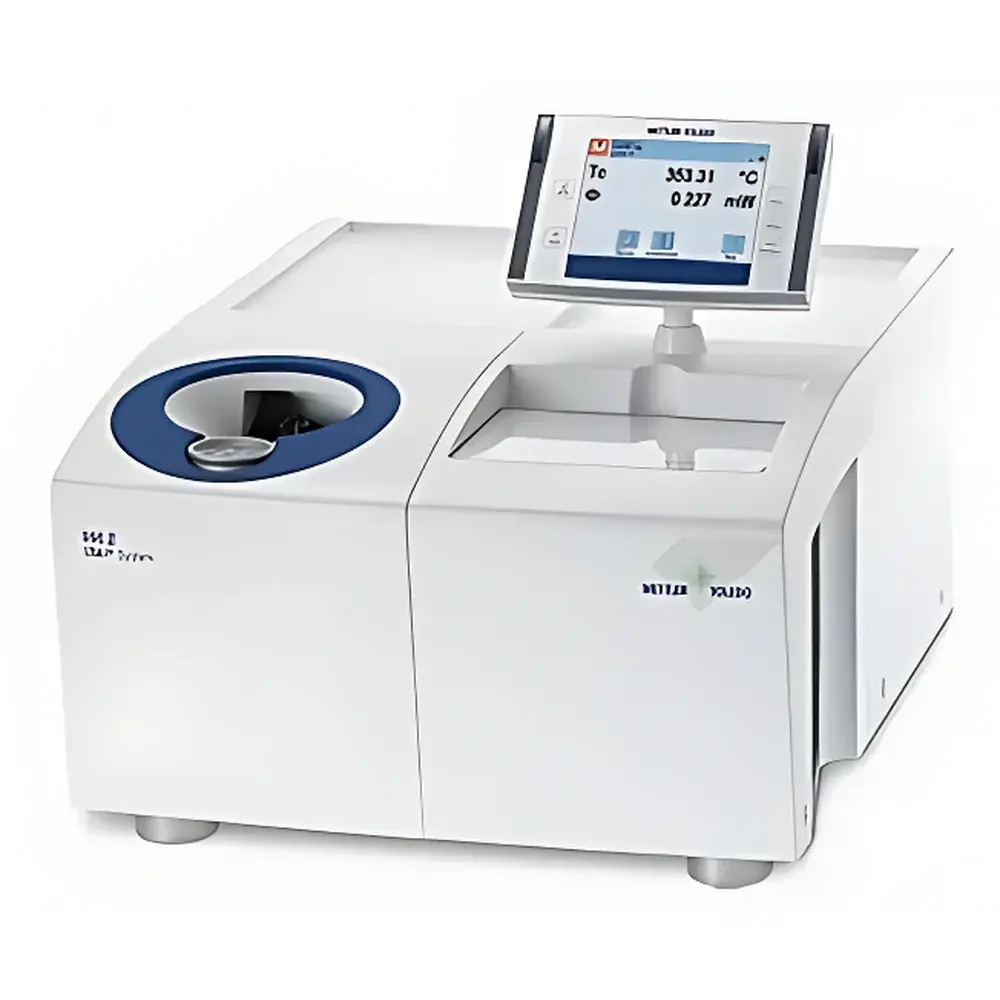
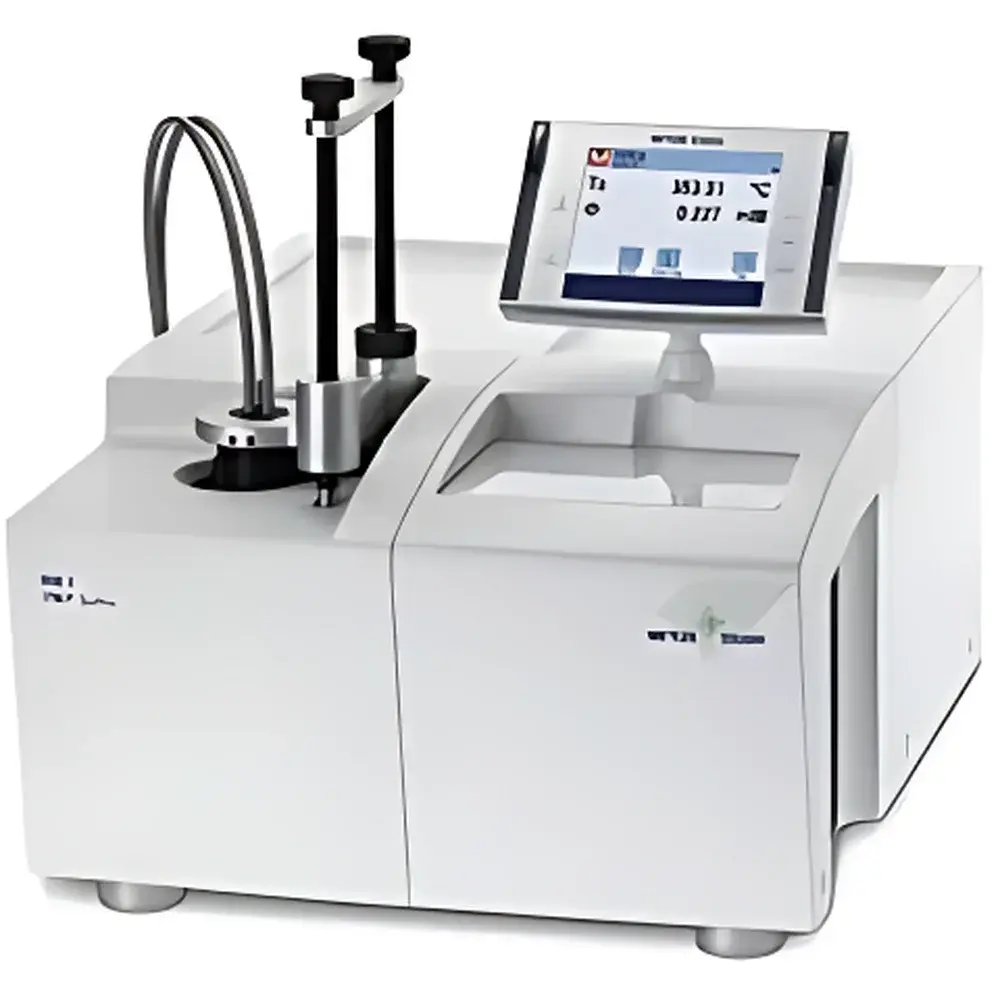
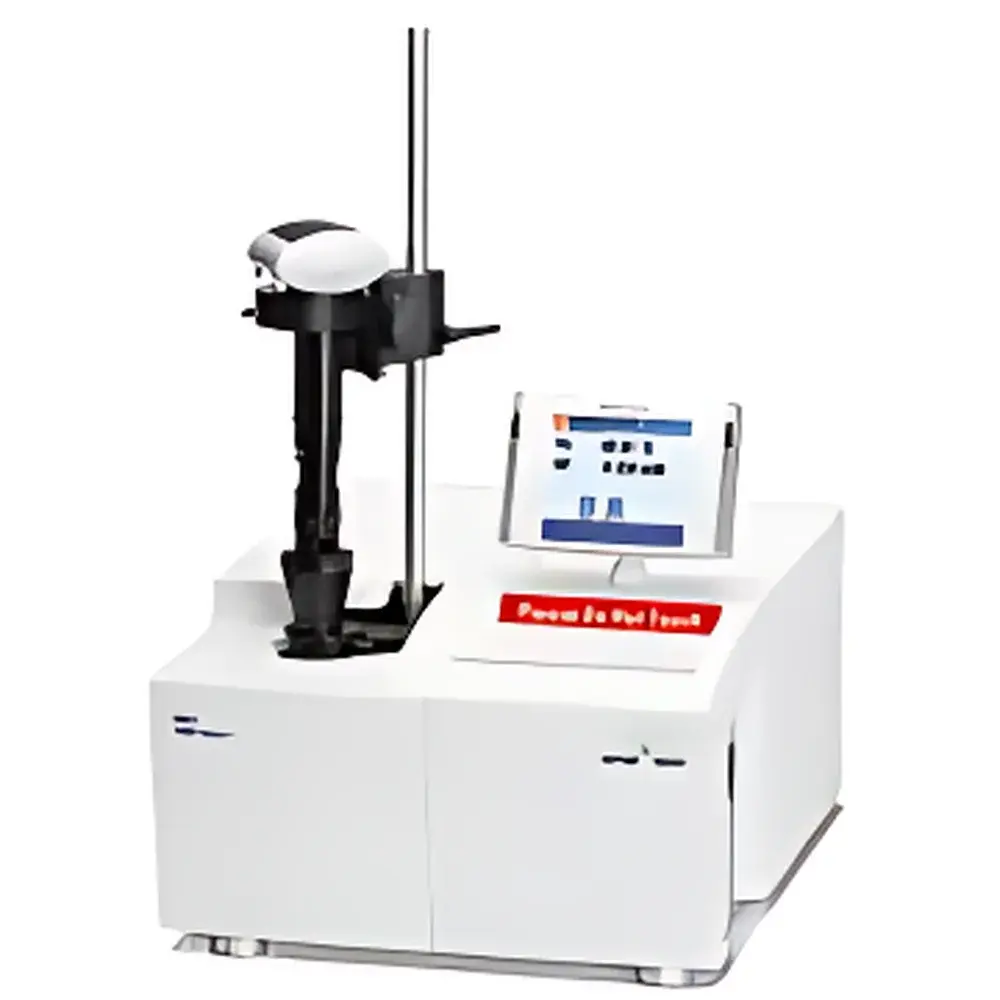
METTLER TOLEDO DSC 2 Differential Scanning Calorimeter
| Brand | METTLER TOLEDO |
|---|---|
| Origin | Switzerland |
| Model | DSC 2 |
| Temperature Range | –150 to 700 °C |
| Heating/Cooling Rate | 0.02 to 300 K/min |
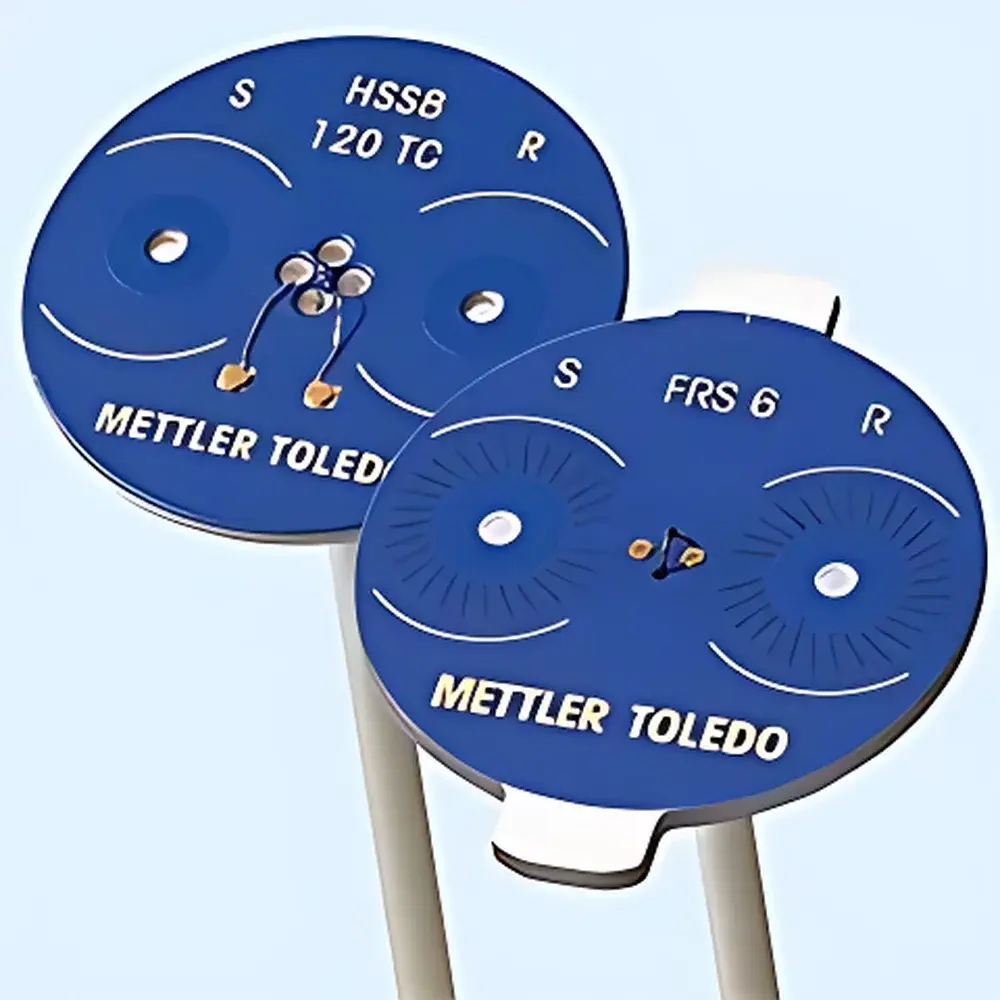
| Sensor Type | FRS 6 (56 thermocouples) or HSS8 (120 thermocouples) |
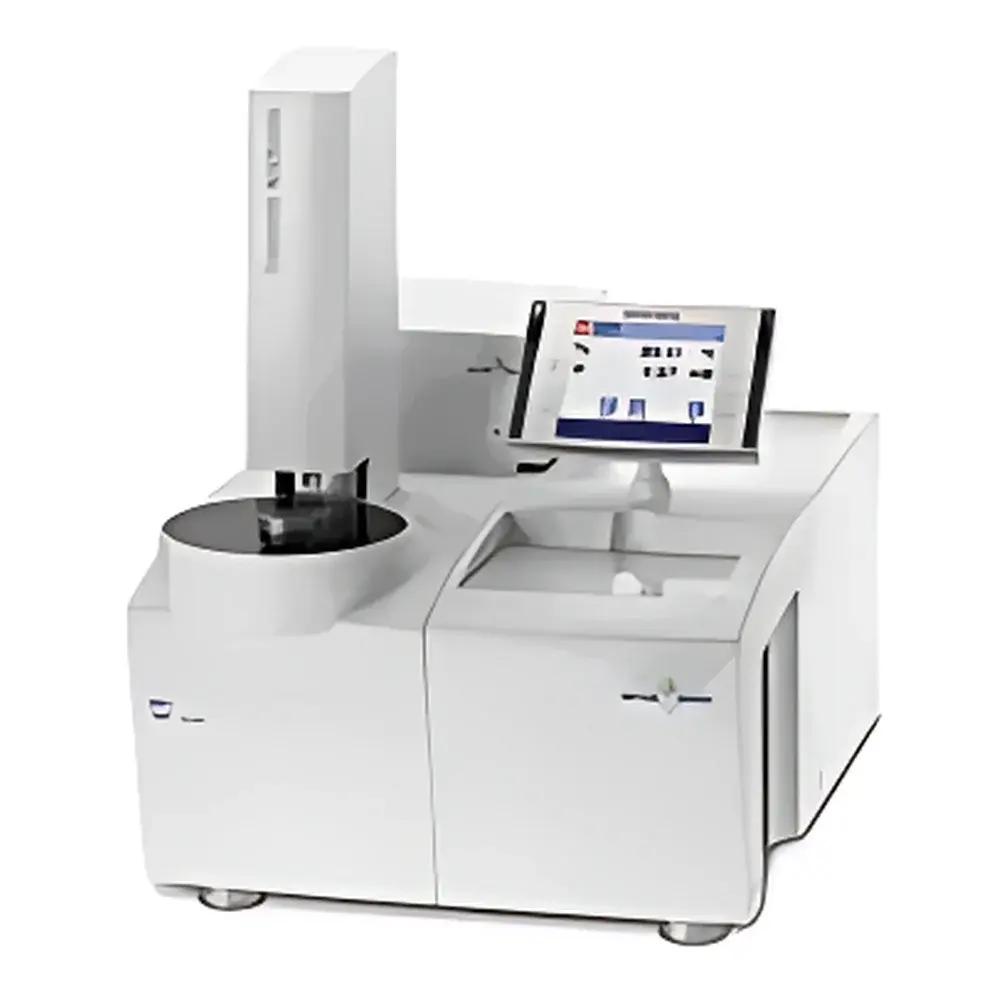
| Autosampler Capacity | 34 positions |
| Compliance | ASTM E794, ISO 11357, USP <1163>, GLP/GMP-ready architecture |
Overview
The METTLER TOLEDO DSC 2 Differential Scanning Calorimeter is a high-precision thermal analysis instrument engineered for quantitative measurement of heat flow differences between a sample and an inert reference as a function of temperature or time. Based on the principle of heat-flux DSC, it employs patented sensor architectures—either the FRS 6 (56 thermocouple pairs) or the high-sensitivity HSS8 (120 thermocouple pairs)—to deliver exceptional signal-to-noise ratio, thermal resolution, and baseline stability. Designed as part of METTLER TOLEDO’s “Thermal Analysis Excellence” modular platform, the DSC 2 supports both manual operation in R&D laboratories and fully automated workflows in QC/QA and production environments. Its operational temperature range spans from –150 °C to 700 °C, enabling characterization of polymers, pharmaceuticals, metals, composites, and energetic materials across glass transitions, melting, crystallization, curing, oxidation, and decomposition events.
Key Features
- Modular hardware architecture: Enables seamless integration with optional accessories—including controlled-atmosphere cells (inert, oxidative, reducing), UV-DSC modules, and high-pressure DSC cells—without compromising core calibration integrity.
- High-resolution thermal sensing: The HSS8 sensor delivers sub-microwatt sensitivity and <0.01 °C thermal resolution, critical for resolving closely spaced transitions such as dual melting peaks in semi-crystalline polymers or overlapping dehydration and decomposition steps in hydrates.
- Intelligent temperature control: Digital PID algorithms coupled with dual-zone furnace design ensure ±0.1 K temperature accuracy over the full range and reproducible heating/cooling rates from 0.02 to 300 K/min.
- 34-position robotic autosampler: Features active temperature control per sample pan, real-time lid detection, and automatic pan recognition via RFID tags—supporting unattended operation for batch validation, stability studies, and release testing under GxP conditions.
- Engineering-grade safety systems: Includes overtemperature cut-off, gas-flow interlock, pressure relief valves (for high-pressure configurations), and fail-safe cooling protocols compliant with IEC 61010-1.
Sample Compatibility & Compliance
The DSC 2 accommodates standard aluminum, gold, platinum, and hermetic stainless-steel crucibles (20–70 µL capacity), supporting sample masses from 0.1 mg to 100 mg—including heterogeneous solids, gels, powders, thin films, and small-volume liquids. It meets essential regulatory requirements for analytical instrumentation used in regulated environments: full audit trail capability (21 CFR Part 11-compliant electronic records), configurable user access levels, and calibrated traceability to NIST-traceable standards. Method validation packages align with ICH Q5C (stability), Q2(R2) (analytical procedure validation), and ASTM E1269/E1965 for heat capacity and enthalpy determination. Routine calibration verification follows ISO 11357-1 and USP guidelines.
Software & Data Management
Controlled by STARe (Software for Thermal Analysis and Rheology), the DSC 2 provides integrated method development, real-time data visualization, multi-step temperature programming, and automated peak deconvolution using advanced baseline algorithms (e.g., tangent, sigmoidal, and polynomial fitting). All raw data are stored in vendor-neutral .tdms format; export options include CSV, Excel, and XML for LIMS or ELN integration. The software supports IQ/OQ/PQ documentation templates, deviation tracking, and electronic signature workflows compliant with ALCOA+ principles. Raw signal logs, instrument status metadata, and environmental parameters (ambient temperature, gas flow rate, purge gas composition) are embedded within each measurement file.
Applications
- Pharmaceutical development: Polymorph screening, amorphous content quantification, excipient compatibility assessment, and lyophilization cycle optimization.
- Materials science: Crystallinity index calculation in polyolefins, crosslink density estimation in elastomers, and thermal stability ranking of nanocomposites.
- Quality control: Identity confirmation of raw materials (melting point fingerprinting), assay purity determination via van’t Hoff analysis, and shelf-life prediction via accelerated stability protocols.
- Failure analysis: Root-cause investigation of thermal degradation in battery separators, delamination onset in multilayer packaging films, and residual stress relaxation in additive-manufactured metal parts.
FAQ
What calibration standards are recommended for routine DSC 2 verification?
Indium (Tm = 156.598 °C, ΔHfus = 28.45 J/g), zinc (Tm = 419.53 °C), and tin (Tm = 231.928 °C) are primary standards per ISO 11357-2. Calibration includes temperature, enthalpy, and heat capacity checks.
Can the DSC 2 operate under reactive atmospheres such as hydrogen or chlorine?
Yes—when equipped with the optional high-pressure/reactive gas module and certified corrosion-resistant furnace components, provided gas delivery systems meet local hazardous material handling regulations.
Is remote monitoring and troubleshooting supported?
The DSC 2 features Ethernet-based instrument connectivity, enabling secure remote access via METTLER TOLEDO’s LabX Remote Connect for diagnostics, firmware updates, and live data streaming—subject to site IT policy and firewall configuration.
How does the modular design affect long-term serviceability and upgrade paths?
All core modules—including furnace, sensor head, autosampler, and gas control unit—are field-replaceable with documented mechanical and electrical interfaces. Firmware and software upgrades are delivered through the STARe Update Manager without requiring hardware modification.



