
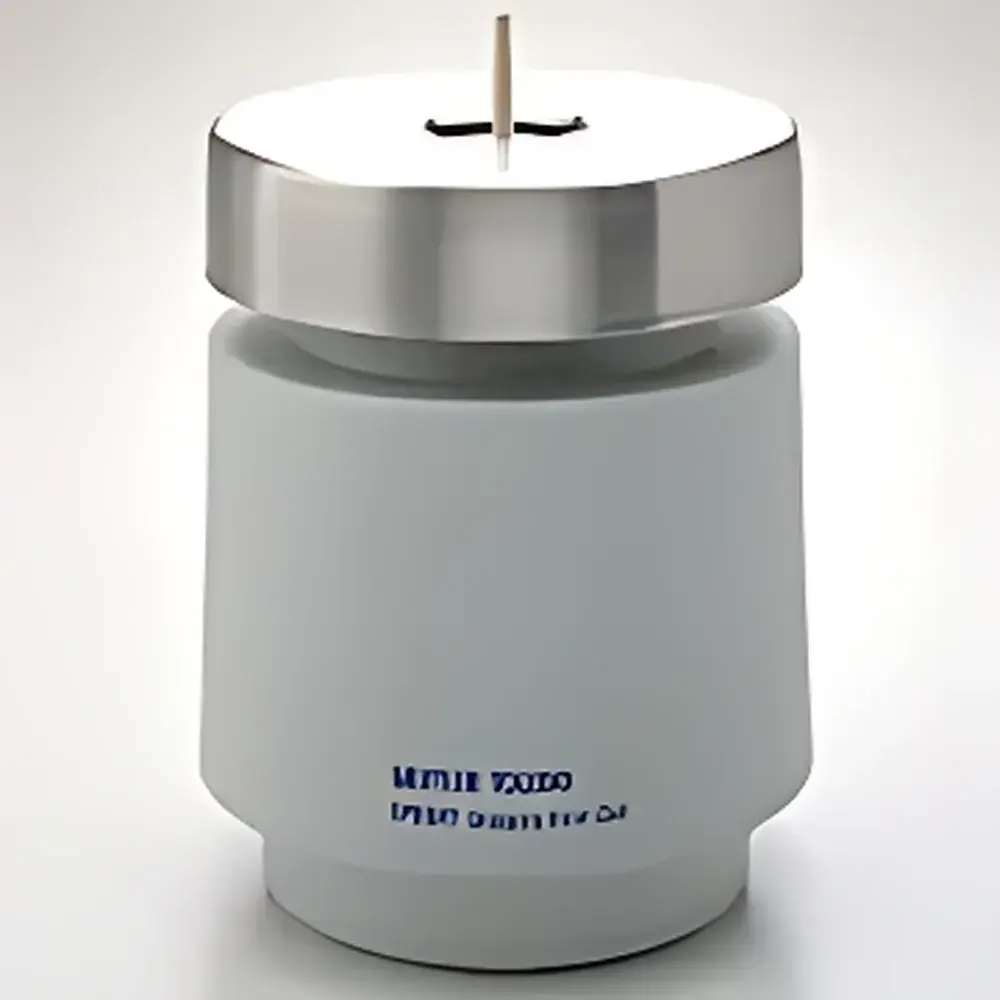
METTLER TOLEDO FP83/HT Dropping Point & Softening Point Analyzer
| Brand | METTLER TOLEDO |
|---|---|
| Origin | Switzerland |
| Model | FP83/HT |
| Temperature Range | –25 to 375 °C |
| Temperature Accuracy | ±0.2 °C |
| Heating Rate | 0.1–20 °C/min |
| Dropping Point Orifice Diameter | 2.8 mm |
| Softening Point Orifice Diameter | 6.35 mm |
| Compliance | ASTM D3104-82, ASTM D3461-85, ASTM D3954, DIN 51920 |
Overview
The METTLER TOLEDO FP83/HT Dropping Point & Softening Point Analyzer is a precision thermal analysis instrument engineered for the standardized determination of dropping point and softening point of semi-solid and thermoplastic materials. It operates on the principle of controlled linear heating combined with optical endpoint detection—enabling objective, operator-independent measurement of thermal transition behavior under defined geometric and thermal conditions. The system employs two distinct sample cup configurations: a 2.8 mm orifice for dropping point (per ASTM D3104-82 and DIN 51920), where the temperature at which the first drop detaches from the cup rim is recorded; and a 6.35 mm orifice for softening point (per ASTM D3461-85 and ASTM D3954), where the temperature corresponding to a 20 mm extrusion length under gravity is determined. Designed for reproducibility in regulated environments, the FP83/HT integrates high-stability platinum resistance temperature sensors (Pt100), programmable ramp control, and digital photodetection—ensuring traceable, GLP-compliant results across laboratories.
Key Features
- Automated optical endpoint detection eliminates subjective visual interpretation and improves inter-laboratory reproducibility.
- Two interchangeable sample cup assemblies (2.8 mm and 6.35 mm orifices) enable seamless switching between dropping point and softening point measurement modes without hardware recalibration.
- Temperature-controlled heating block with ±0.2 °C accuracy over –25 to 375 °C range, validated using certified melting point reference standards (e.g., indium, tin, zinc).
- Programmable heating rates from 0.1 to 20 °C/min, supporting both rapid screening and slow-ramp compliance testing per ASTM and DIN protocols.
- Robust mechanical design with thermal shielding and inert atmosphere compatibility (optional nitrogen purge) minimizes convection artifacts and oxidation effects during high-temperature analysis.
- Integrated calibration routine supports traceable temperature verification using NIST-traceable reference materials, fulfilling ISO/IEC 17025 documentation requirements.
Sample Compatibility & Compliance
The FP83/HT is validated for use with a broad spectrum of organic and polymeric materials including lubricating greases, petroleum-based asphalts, coal tar pitches, rosin esters, thermoplastic road marking compounds, waxes, cosmetic bases, and synthetic resins. Its measurement methodology aligns explicitly with internationally recognized standard test methods—including ASTM D3104-82 (dropping point of lubricating grease), ASTM D3461-85 (softening point of asphaltic materials), ASTM D3954 (softening point of hot-melt adhesives), and DIN 51920 (dropping point of bituminous binders). All procedures support audit-ready documentation when operated within a quality management framework compliant with ISO 9001, GLP, and FDA 21 CFR Part 11 (when paired with METTLER TOLEDO LabX software and electronic signature modules).
Software & Data Management
While the FP83/HT operates as a standalone instrument with local display and manual data recording, full traceability and regulatory compliance are achieved when integrated with METTLER TOLEDO LabX™ PC-based software. LabX enables automated method execution, real-time data logging, electronic signatures, audit trail generation, and secure user access control—meeting the data integrity requirements of GMP, GLP, and ISO/IEC 17025. Raw temperature/time profiles, endpoint timestamps, and calibration logs are stored in encrypted, tamper-evident format. Export options include CSV, PDF, and XML for LIMS integration or regulatory submission.
Applications
- Quality control of lubricating greases in automotive and industrial manufacturing.
- Specification verification of paving-grade and roofing-grade asphalts per ASTM D36/D3461.
- Thermal stability assessment of hot-melt adhesives used in packaging and labeling.
- R&D of wax-based formulations in cosmetics and candle manufacturing.
- Characterization of thermoplastic elastomers and polymer blends for processing window definition.
- Batch release testing of pharmaceutical excipients exhibiting thermoplastic behavior (e.g., PEG, stearic acid derivatives).
FAQ
What standards does the FP83/HT comply with for dropping point measurement?
ASTM D3104-82, ASTM D3954, and DIN 51920.
Can the same instrument measure both dropping point and softening point?
Yes—via interchangeable sample cups with 2.8 mm and 6.35 mm orifices, each optimized for its respective test protocol.
Is temperature calibration traceable to national standards?
Yes—using certified reference materials (e.g., indium, tin) and Pt100 sensor validation, supporting ISO/IEC 17025 accreditation.
Does the FP83/HT support automated data export?
When connected to LabX software, it provides fully auditable, timestamped data export in CSV, PDF, and XML formats.
What is the minimum detectable temperature increment during ramping?
The system resolves temperature changes to 0.1 °C with continuous logging at 1-second intervals, ensuring precise endpoint identification.



