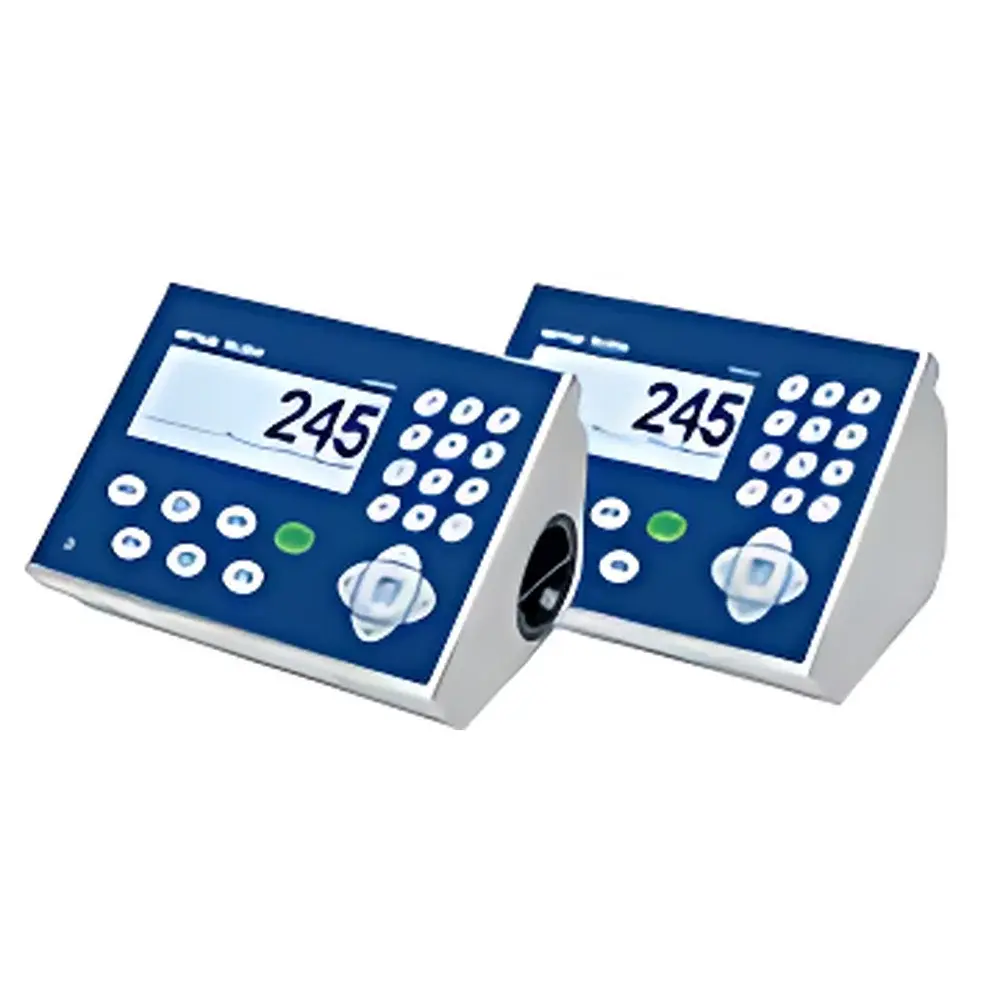
METTLER TOLEDO IND231/IND236 Weighing Indicator
| Brand | METTLER TOLEDO |
|---|---|
| Origin | Jiangsu, China |
| Model | IND231 / IND236 |
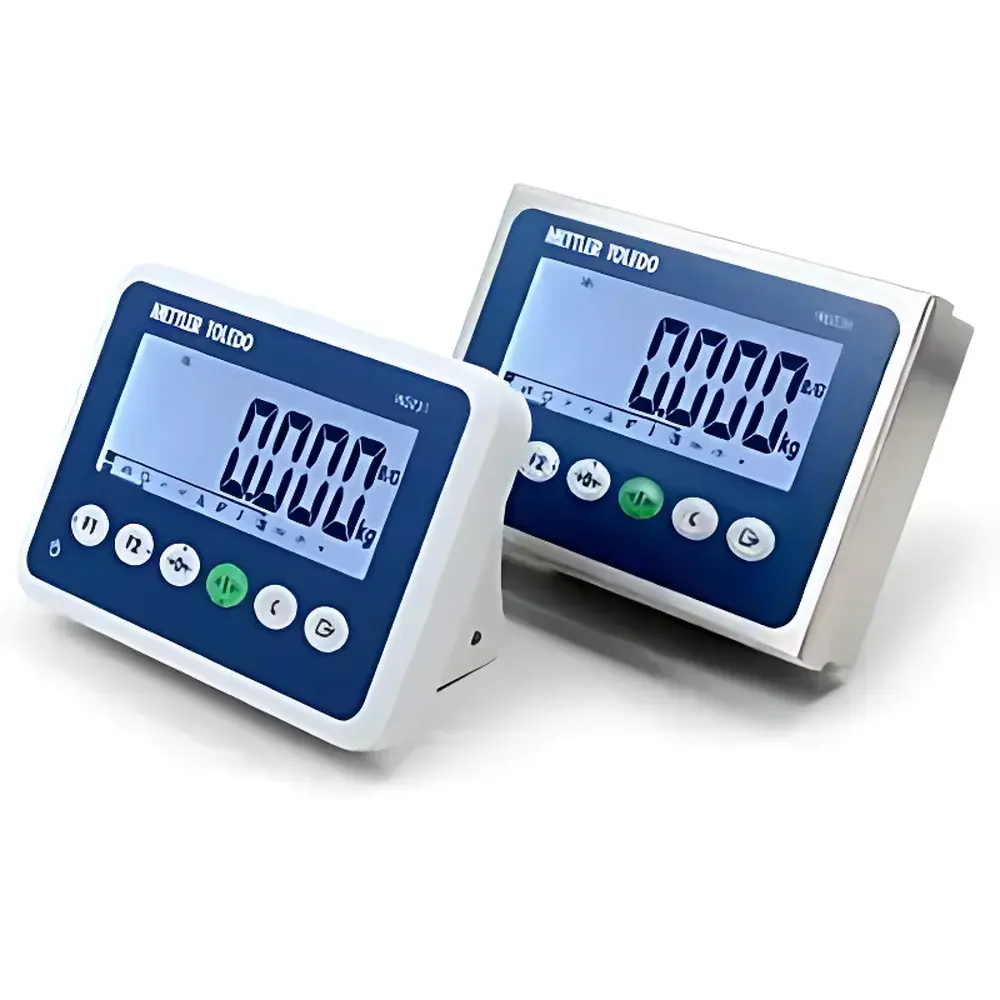
| Protection Rating | IP54 (IND231), IP66/IP67 (IND236) |
| Load Cell Interface | Analog, supports up to one 4-wire 350 Ω load cell |
| Communication Interfaces | RS232 (standard), optional isolated RS232/RS422/RS485, USB, discrete I/O |
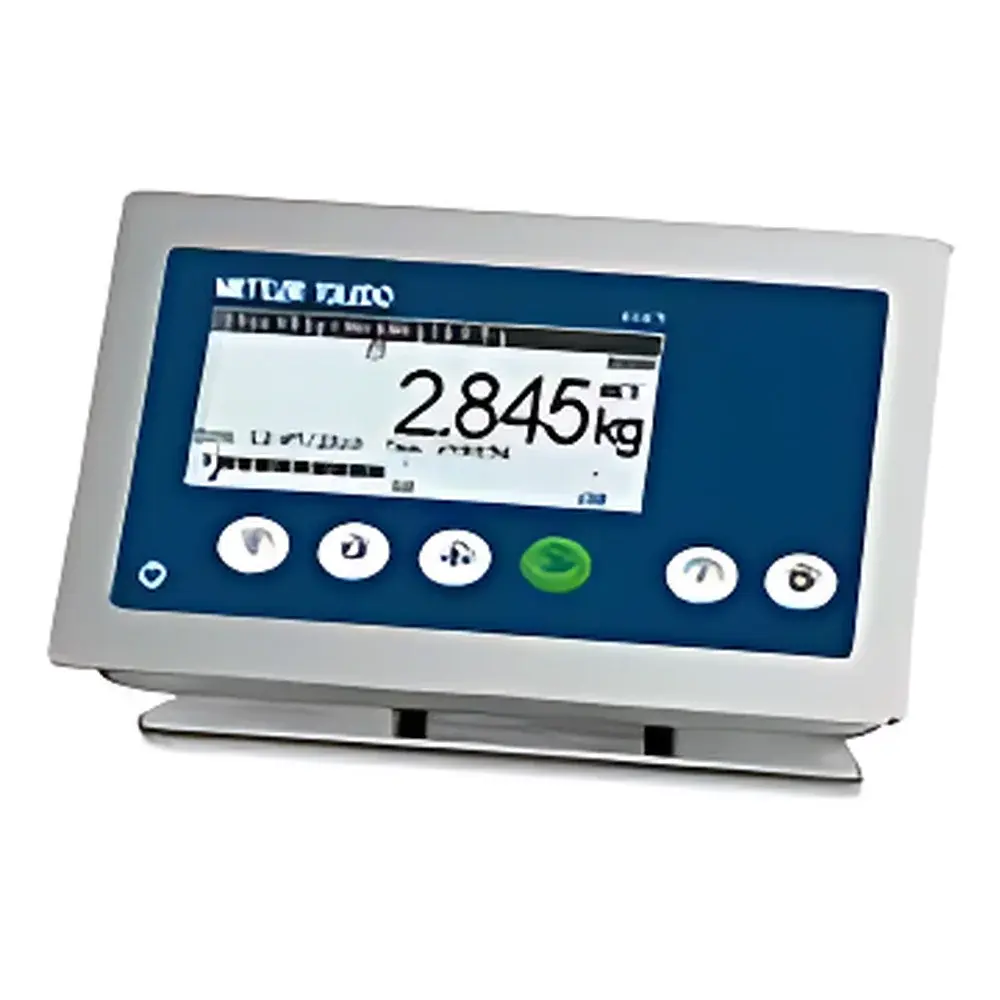
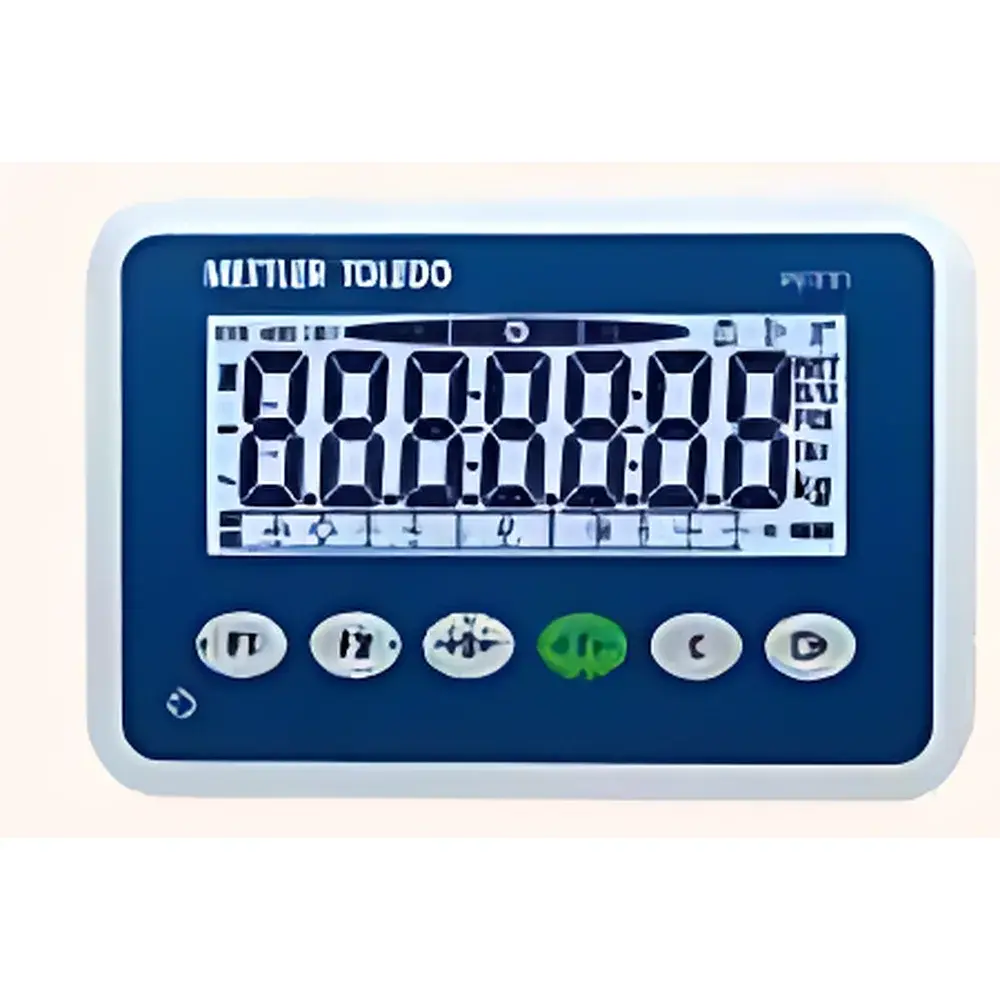
| Display | High-contrast LCD with 40 mm digit height and adjustable white backlight |
| Power Options | AC adapter or battery (rechargeable, extended-life design) |
| Application Modes | Weighing, checkweighing, counting, animal weighing, accumulation, unit conversion, date/time stamping |
Overview
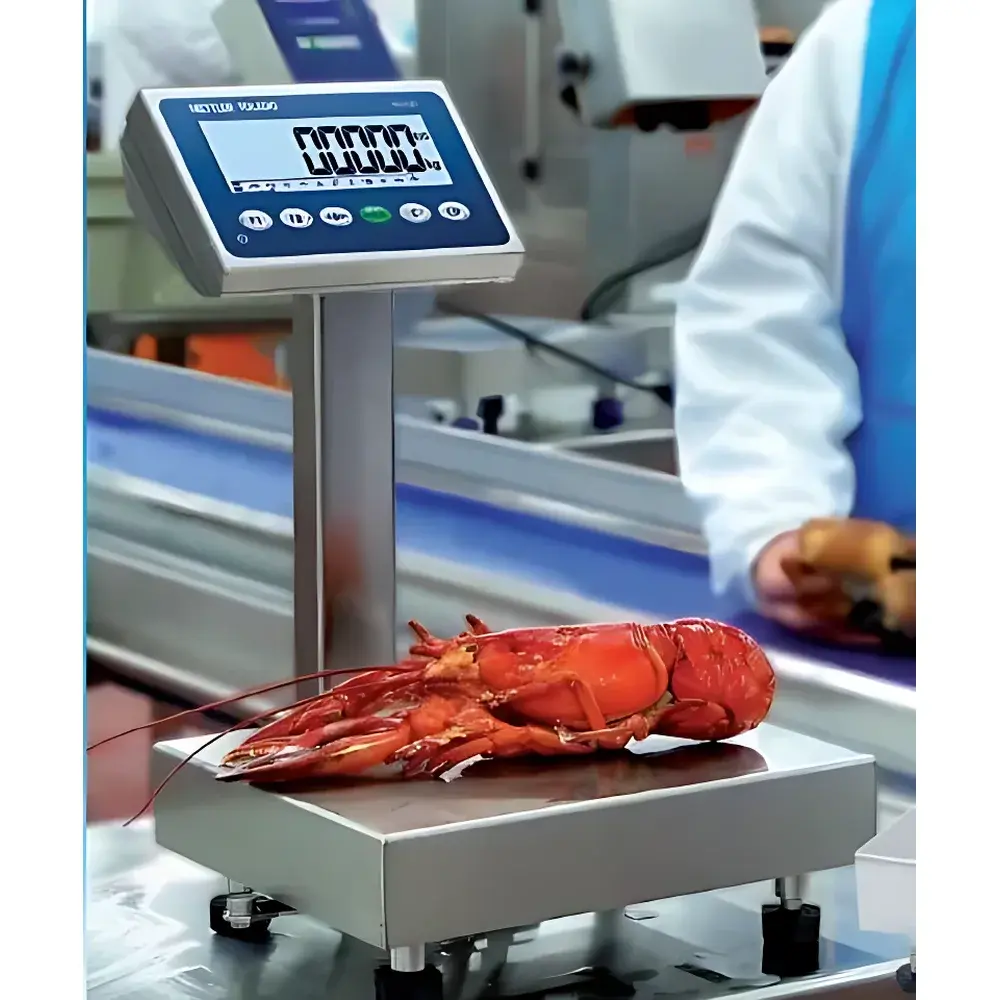
The METTLER TOLEDO IND231 and IND236 are industrial-grade weighing indicators engineered for precision, durability, and operational flexibility in dynamic production and logistics environments. Designed as direct successors to the IND220, IND221, IND226, and Kingbird series, these indicators integrate analog load cell signal conditioning with real-time digital processing to deliver stable, repeatable weight readings under variable mechanical and environmental conditions. The IND231 features an IP54-rated enclosure suitable for dry, indoor applications such as warehouse dispatch stations or light manufacturing lines. In contrast, the IND236 employs a fully sealed IP66/IP67 housing—validated per IEC 60529—with integrated moisture-resistant venting to prevent condensation buildup, making it appropriate for washdown zones, outdoor platforms, or high-humidity packaging areas. Both models condition signals from standard 4-wire 350 Ω strain-gauge load cells, supporting single-platform configurations commonly found on bench scales, floor scales, and pallet scales used across food, pharmaceutical, and logistics sectors.
Key Features
- High-visibility 40 mm LCD display with user-adjustable white backlight—ensures legibility under low-light, glare-prone, or ambient-variable lighting conditions.
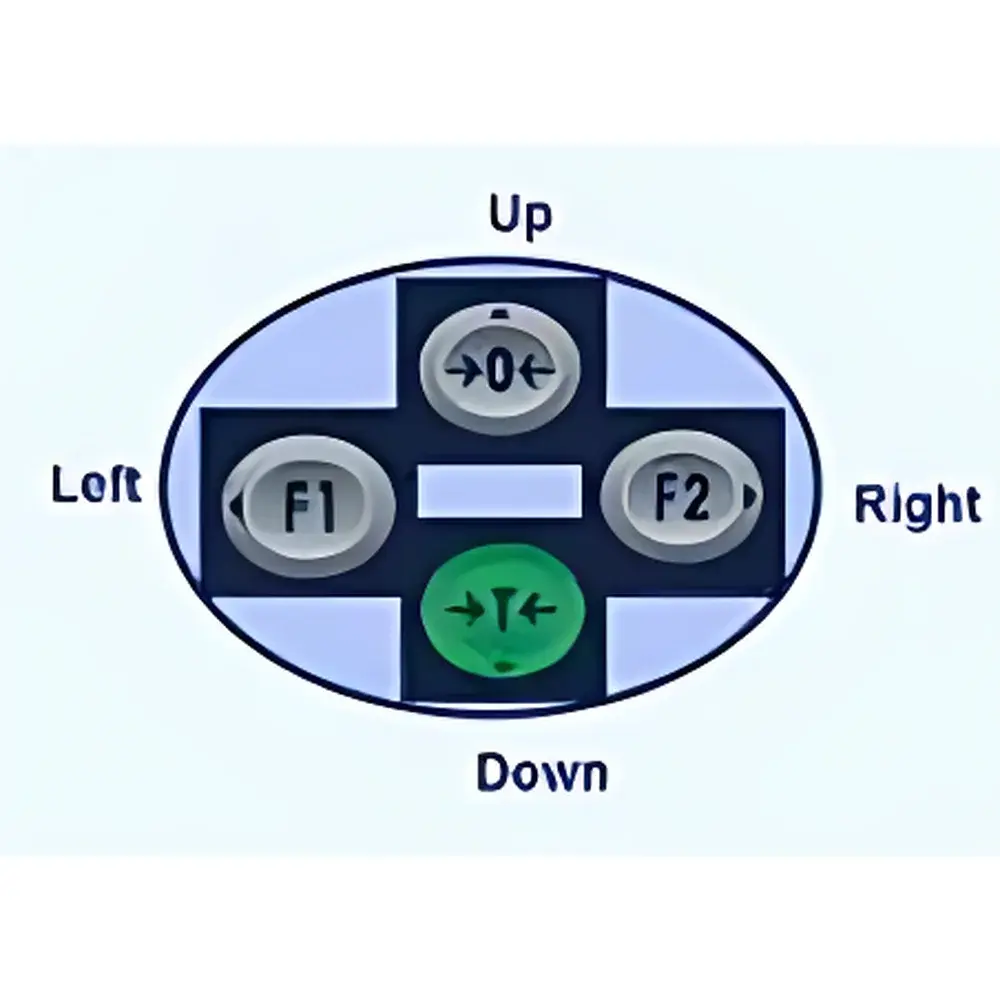
- Intuitive navigation via dedicated menu keys and customizable soft-function buttons—configuration tasks completed in seconds without requiring technical training.
- Battery-powered operation with optimized low-power electronics—enables mobile weighing deployments including portable platform scale setups and field inventory audits.
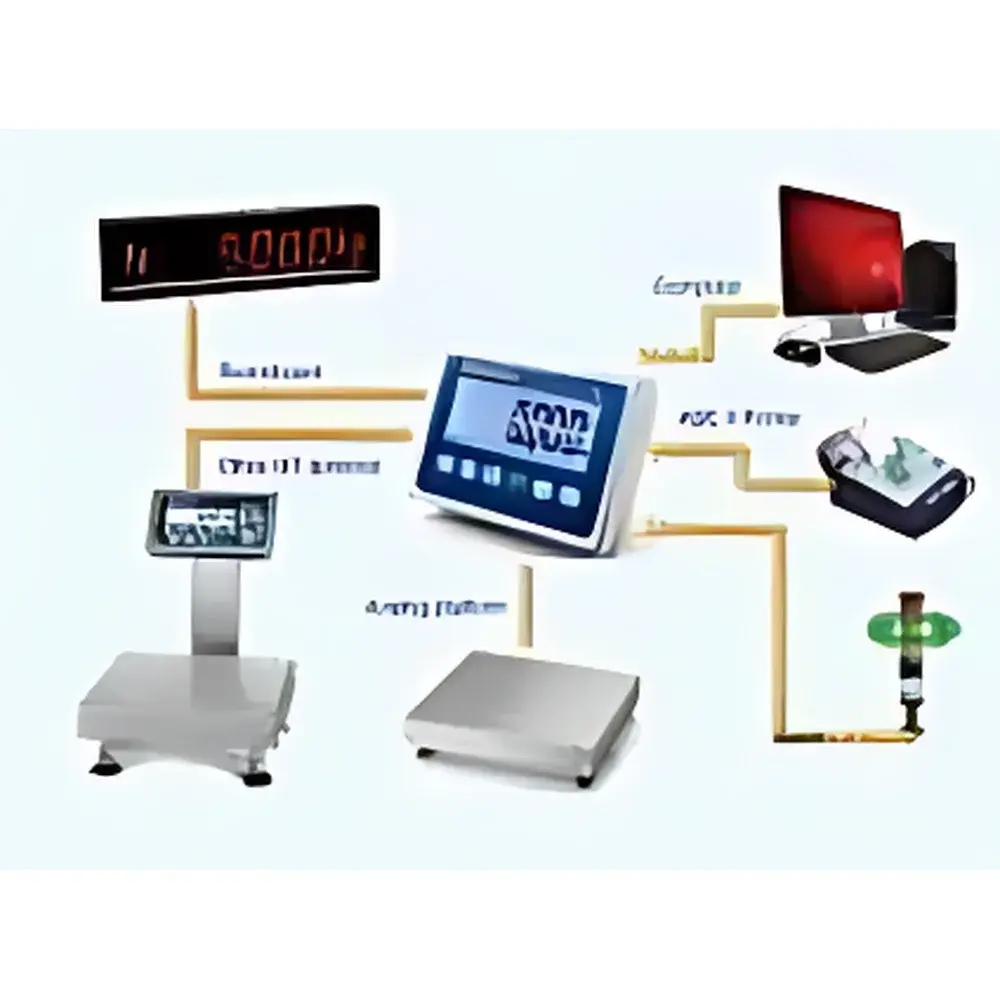
- Dual communication architecture: Standard RS232 port plus configurable options including optically isolated RS232/RS422/RS485, USB host/device, and discrete digital I/O for PLC integration or peripheral control (e.g., printers, light towers, relays).
- Preloaded application firmware: Supports checkweighing with configurable tolerance bands, piece counting with auto-average calculation, animal weighing with dynamic filtering, cumulative weight logging, and unit conversion (kg, lb, oz, g, etc.).
- Embedded timestamping engine: Date and time synchronized via internal RTC; printable on connected serial or USB printers using built-in template formats compliant with common label and receipt standards.
Sample Compatibility & Compliance
The IND231/IND236 indicators interface exclusively with analog resistance-based load cells (350 Ω nominal, 4-wire configuration), eliminating compatibility with digital load cells or proprietary bus protocols. Their analog input stage incorporates noise-rejection filtering and temperature-compensated amplification to maintain linearity and repeatability across operating temperatures ranging from –10 °C to +40 °C. While not certified to OIML R76 or NTEP for legal-for-trade use, the devices meet essential electromagnetic compatibility (EMC) requirements per EN 61326-1 and safety standards per EN 61010-1. The IP66/IP67 rating of the IND236 aligns with ISO 20653 for protection against high-pressure water jets and temporary immersion—critical for facilities adhering to SQF, BRCGS, or FDA-mandated sanitation protocols. Venting systems incorporate hydrophobic membranes to equalize internal pressure while excluding liquid ingress—a feature validated during accelerated aging tests per ASTM D3359.
Software & Data Management
Configuration and calibration are performed locally via the front-panel interface; no PC software is required for routine setup. However, firmware updates may be applied via USB mass-storage mode using METTLER TOLEDO’s standardized update utility. All weight data—including timestamps, gross/net/tare values, and application-specific metadata (e.g., count batch ID, checkweigh result)—can be streamed in ASCII format over any enabled serial or USB channel. Output formatting follows industry-standard delimiter conventions (tab, comma, or pipe), facilitating direct ingestion into MES, WMS, or ERP systems without middleware. Audit trails are not maintained internally; however, external logging systems can capture all transmitted data streams for GLP/GMP-aligned record retention when paired with compliant infrastructure.
Applications
These indicators serve as core control units in non-regulated but process-critical weighing operations. Typical deployments include: ingredient batching in food compounding where rapid tare/reset and unit switching improve operator throughput; parcel sorting hubs requiring checkweighing against carrier-defined thresholds; veterinary clinics performing live-animal monitoring with motion compensation; and warehouse receiving stations executing receipt verification via counting and accumulation. Their modular I/O enables integration into semi-automated workflows—for example, triggering a photoelectric sensor upon target weight attainment or activating a reject gate based on checkweigh pass/fail status.
FAQ
Can the IND231/IND236 be used in legally regulated trade applications?
No. These indicators are not certified to OIML R76, NTEP, or MID directives and are intended for internal process control only.
Does the IND236 support continuous submersion in water?
IP67 certification permits temporary immersion up to 1 m for 30 minutes—not continuous operation underwater.
Is remote calibration supported?
Calibration must be performed locally using physical test weights and the front-panel procedure; no remote or network-based calibration is available.
What is the maximum cable length for the RS485 option?
When configured for RS485 with proper termination and shielding, the recommended maximum distance is 1,200 meters at 9.6 kbps.
Are firmware updates backward-compatible with legacy IND22x configurations?
No. IND231/236 firmware is architecture-specific and cannot be loaded onto earlier IND22x hardware.