
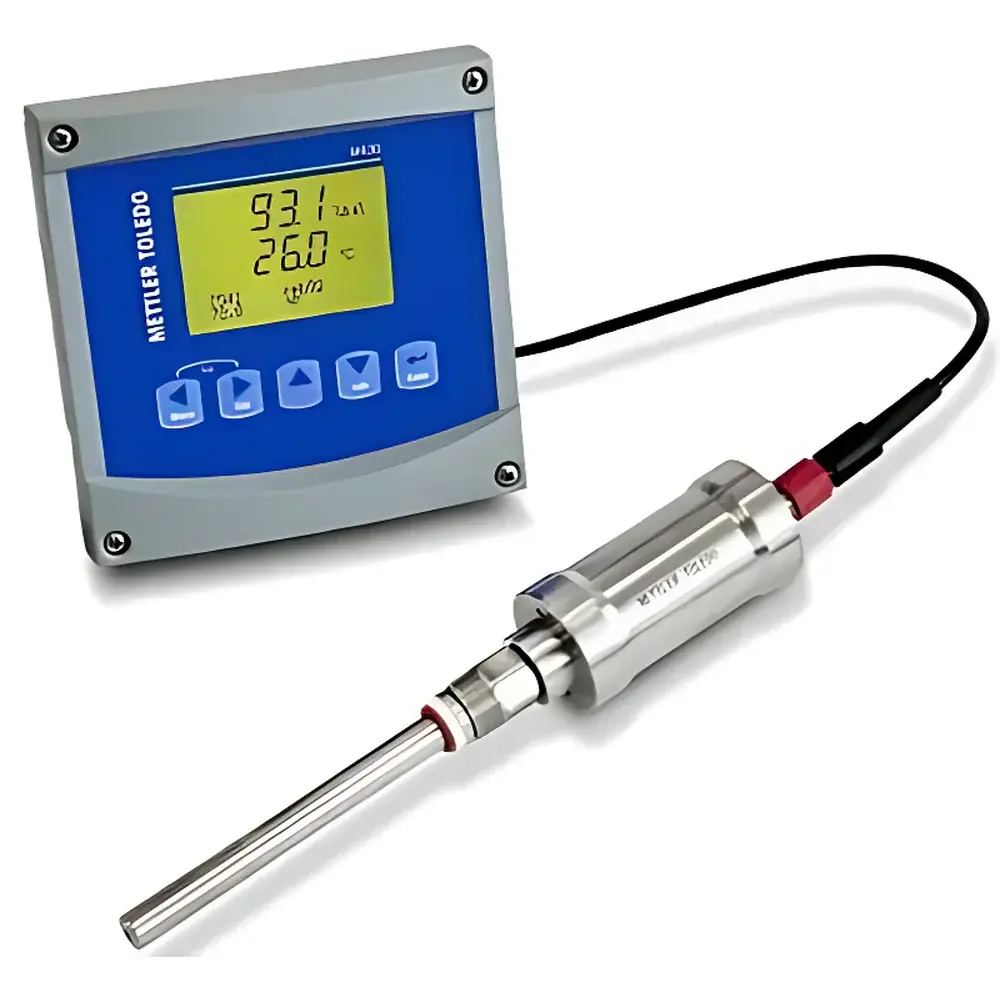
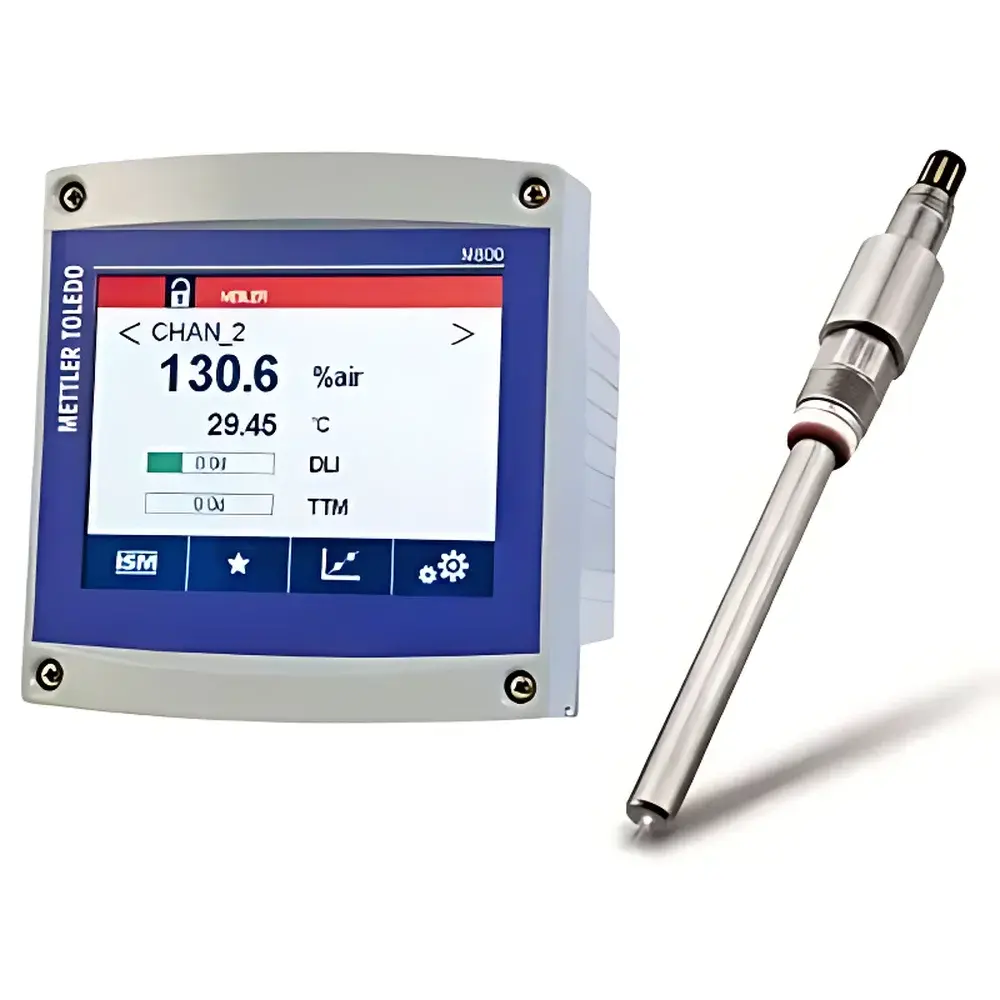
METTLER TOLEDO InPro 6800/6900 Series Optical Dissolved Oxygen (DO) Online Measurement System
| Brand | METTLER TOLEDO |
|---|---|
| Origin | Switzerland |
| Type | Online DO Analyzer |
| Measurement Principle | Optical Luminescence Quenching (ISO 5814:2012 compliant) |
| Range | 0.00–80.00 mg/L (0– saturation, 0–50 ppm, 0–50,000 ppb) |
| Accuracy | ±0.2 mg/L at 25°C |
| Repeatability | ≤0.05% of reading |
| Detection Limit | <2 ppb (in high-purity water mode) |
| Sensor Technology | ISM® (Intelligent Sensor Management) enabled |
| Compliance | FDA 21 CFR Part 11 ready, USP <1231>, ASTM D888, ISO 5814, EN 25814 |
Overview
The METTLER TOLEDO InPro 6800 and InPro 6900 Series represent the industrial benchmark for continuous, high-integrity dissolved oxygen (DO) monitoring in demanding process environments. These optical DO sensors operate on the principle of dynamic luminescence quenching—where molecular oxygen modulates the lifetime and intensity of a ruthenium-based fluorophore immobilized within an oxygen-permeable OptoCap™ membrane. Unlike electrochemical (Clark-type or polarographic) sensors, optical DO measurement eliminates zero-current drift, eliminates polarization time, requires no electrolyte refills, and delivers inherently stable calibration over extended periods. The system integrates seamlessly with METTLER TOLEDO’s iSense™ or M300/M400 transmitters, supporting real-time, temperature-compensated DO quantification across aqueous matrices ranging from sterile bioreactor broths to aggressive wastewater streams and ultra-high-purity power plant condensate.
Key Features
- ISM® Intelligent Sensor Management: Continuously monitors sensor health—including membrane integrity, signal stability, response time (t90), and accumulated exposure hours—displaying predictive maintenance alerts directly on the transmitter interface.
- OptoCap™ Replaceable Sensing Cap: FDA-compliant, autoclavable (135°C, 30 min), and CIP/SIP-compatible; full replacement completed in under 60 seconds without tools or recalibration.
- Zero-Oxygen Reference Stability: Built-in sealed reference chamber ensures long-term zero-point reliability, critical for ppb-level measurements in high-purity water applications (e.g., boiler feedwater, semiconductor rinse water).
- Robust Mechanical Design: IP68-rated VP connector, chemically resistant PEEK/PFA housing, and optional PTFE-coated membranes for fouling-prone wastewater or sludge applications.
- Multi-Parameter Integration: Simultaneous DO, temperature, and optional pressure input (InPro 6900) enable real-time compensation per ISO 5814:2012 and ASTM D888-22 methodologies.
- Steam-Sterilizable Configurations: Validated for repeated SIP cycles up to 135°C; suitable for GMP-compliant biopharma fermentation, cell culture, and vaccine manufacturing.
Sample Compatibility & Compliance
The InPro 6800/6900 platform supports operation across diverse aqueous media: low-conductivity ultrapure water (≥18.2 MΩ·cm), viscous fermentation broths, chlorinated municipal effluent, acidic or alkaline process streams (pH 0–14), and high-salinity seawater analogs. All wetted materials comply with USP Class VI, FDA 21 CFR 177.2600, and EC 1935/2004 food-contact regulations. Optical sensing eliminates electrolyte leaching, ensuring compliance with stringent pharmaceutical water specifications (USP , EP 2.2.43). The ISM-enabled transmitter logs full audit trails—including calibration events, sensor swaps, and diagnostic flags—meeting GLP/GMP data integrity requirements per ALCOA+ principles and 21 CFR Part 11 Annex 11 validation frameworks.
Software & Data Management
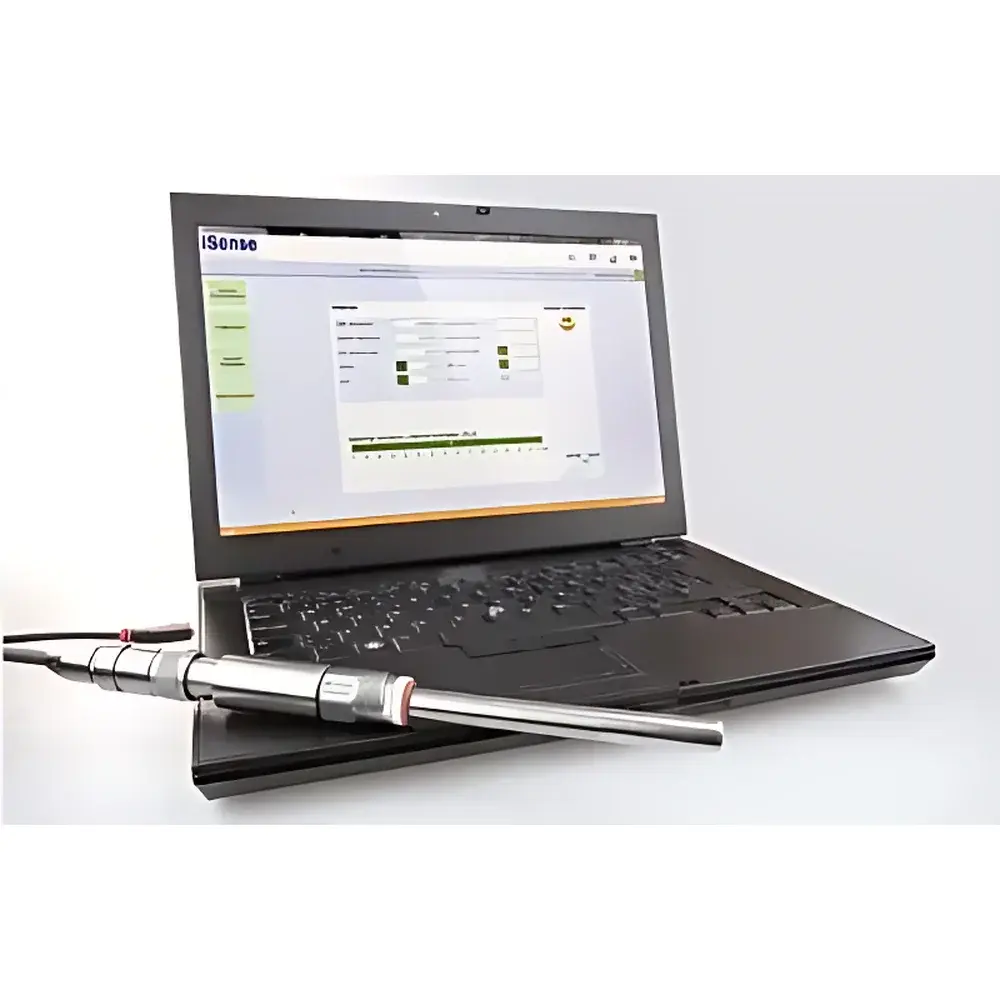
iSense™ software provides configuration, diagnostics, and historical trending via Ethernet/IP, Modbus TCP, or HART 7. Transmitter firmware supports automatic sensor recognition, plug-and-play calibration upload, and secure firmware updates. Data export formats include CSV and OPC UA (IEC 62541), enabling direct integration into MES (e.g., Siemens SIMATIC IT), DCS (e.g., Emerson DeltaV), and LIMS platforms. Calibration history, membrane replacement logs, and drift analysis reports are stored with electronic signatures and time-stamped metadata—fully traceable for regulatory audits.
Applications
- Biopharmaceutical Fermentation: Real-time DO control in stainless-steel bioreactors (5–20,000 L); optimized for mammalian cell culture where oxygen gradients impact monoclonal antibody titer and glycosylation profiles.
- Beverage Production: Sub-ppb DO monitoring during beer filtration, deaeration, and packaging to prevent oxidative staling and preserve flavor stability.
- Wastewater Treatment: Robust InPro 6050 variant (electrochemical alternative) and InPro 6800 optical variants deployed in activated sludge basins, anoxic zones, and membrane bioreactors (MBRs) with automated cleaning cycles.
- Power Generation: THORNTON-branded InPro 6900 configurations certified for ASTM D513–22 and IAPWS RP-7 guidelines; validated for continuous monitoring in turbine condensate and feedwater systems where <5 ppb DO prevents flow-accelerated corrosion (FAC).
- Chemical Process Monitoring: Corrosion-resistant variants installed in caustic soda, chlorine dioxide, and nitric acid production lines with integrated pressure compensation for accurate DO partial pressure calculation.
FAQ
How does optical DO measurement differ from polarographic methods in terms of long-term stability?
Optical sensors exhibit negligible baseline drift (<0.1% per month) due to absence of cathodic current decay, electrolyte depletion, or silver anode consumption—key failure modes in polarographic probes.
Can the InPro 6800 be calibrated in-situ without removing the sensor from the process?
Yes—zero calibration is performed using nitrogen sparging or sodium sulfite solution; span calibration uses air-saturated water or certified gas standards, both supported by iSense-guided workflows.
Is ISM functionality compatible with legacy METTLER TOLEDO transmitters?
ISM requires firmware v3.0+ on M300/M400 transmitters; backward compatibility is maintained for sensor parameter readout, but predictive diagnostics require updated hardware.
What validation documentation is provided for pharmaceutical use?
Each sensor ships with a Certificate of Conformance (CoC), Factory Calibration Report (traceable to NIST), and IQ/OQ templates aligned with ASTM E2500 and Annex 15.
Does the system support automatic cleaning in fouling-prone applications?
Yes—integrated with METTLER TOLEDO’s CleanLine™ ultrasonic or jet-wash modules; programmable cleaning intervals and post-clean verification routines are configurable via iSense.
Related Products







