
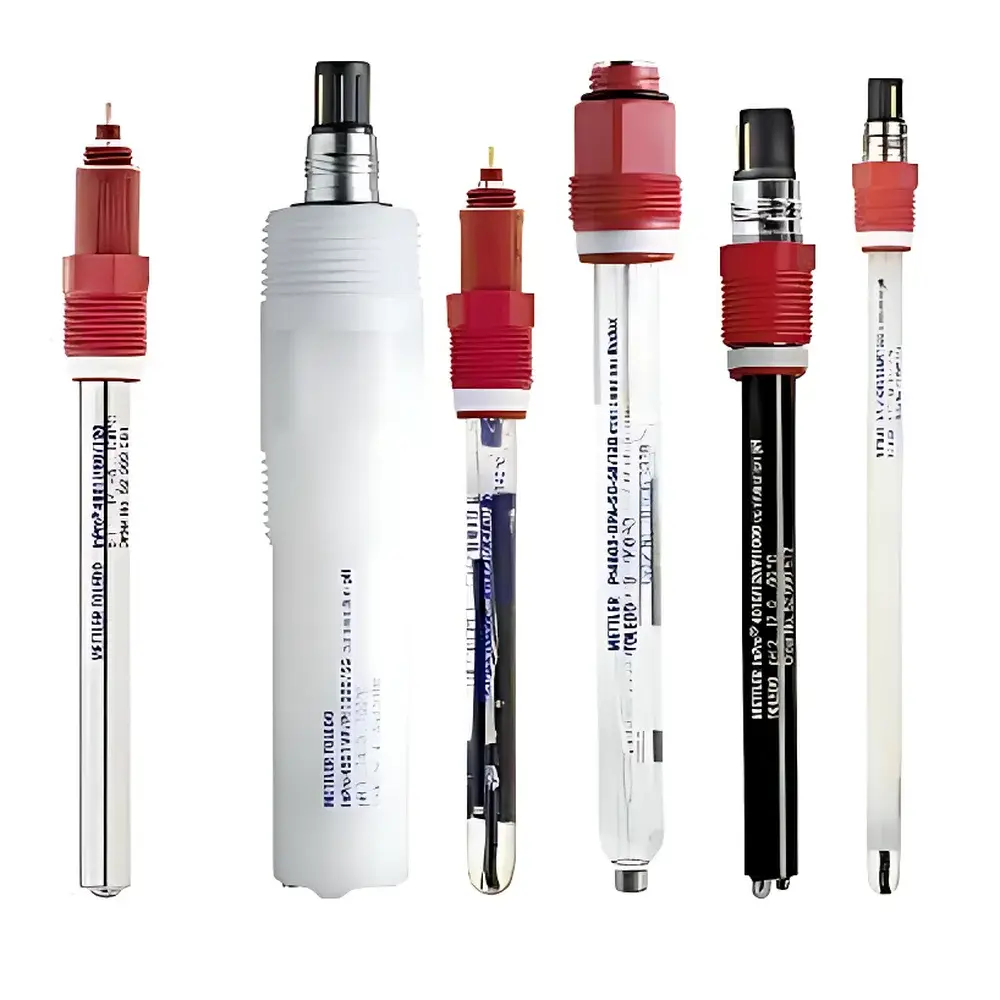
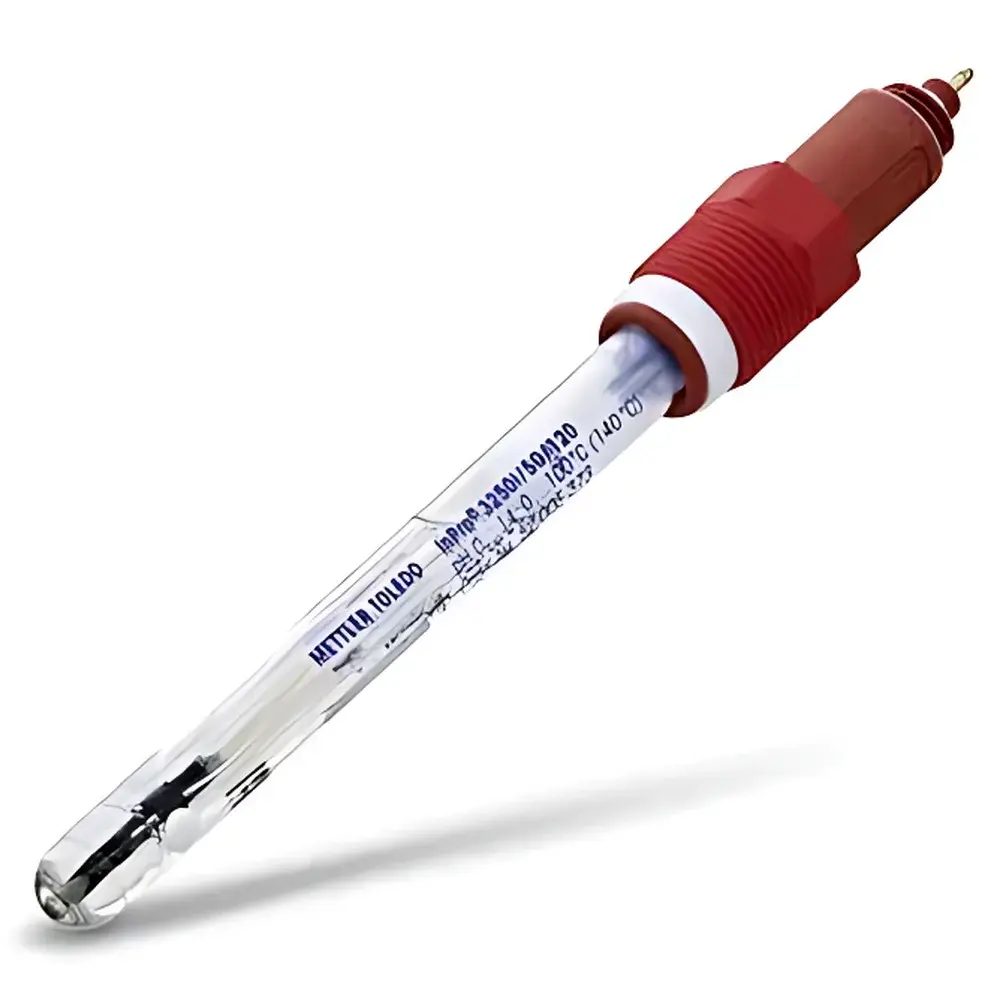
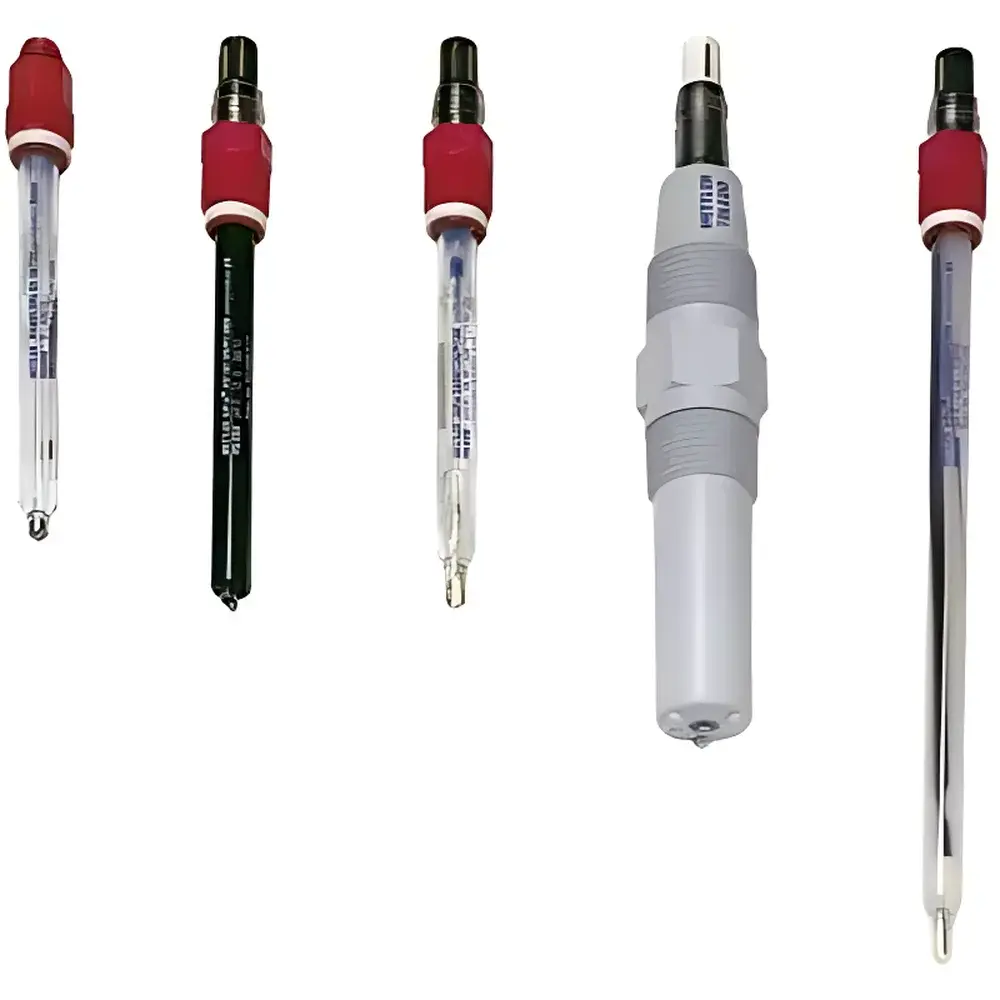
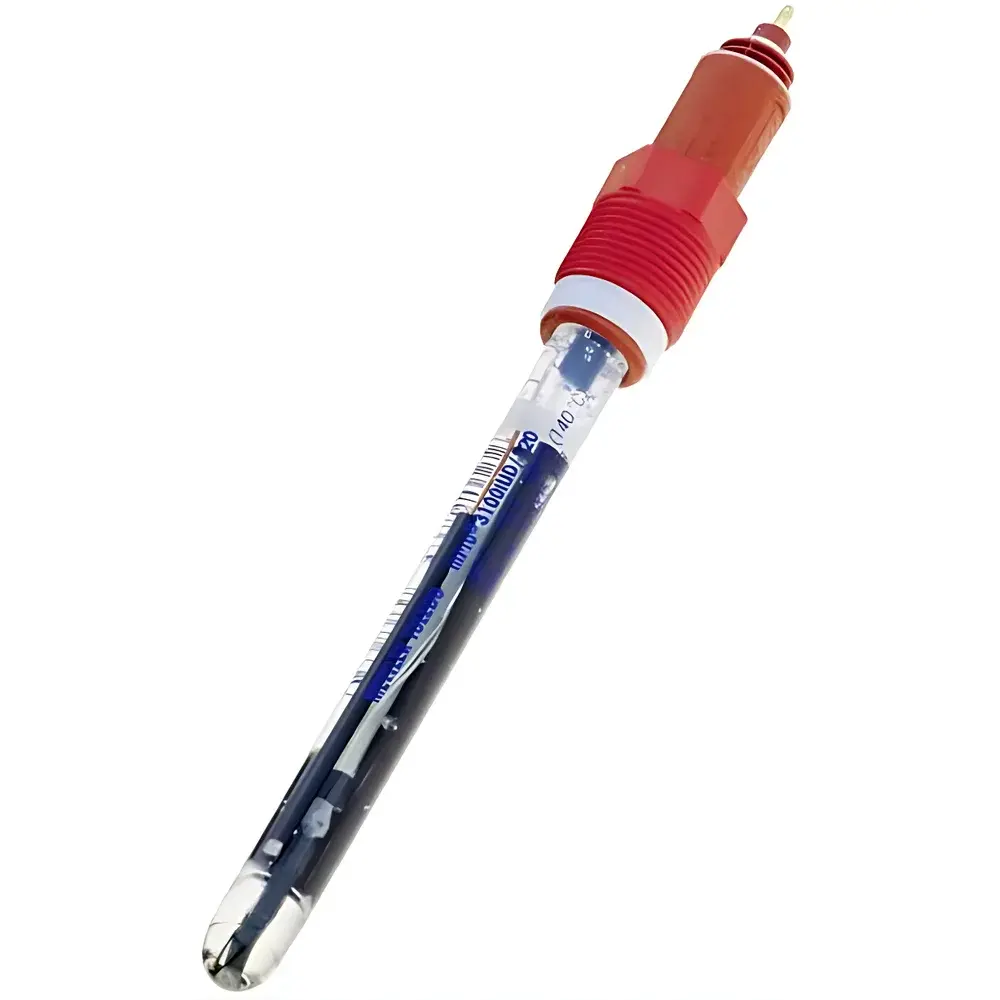
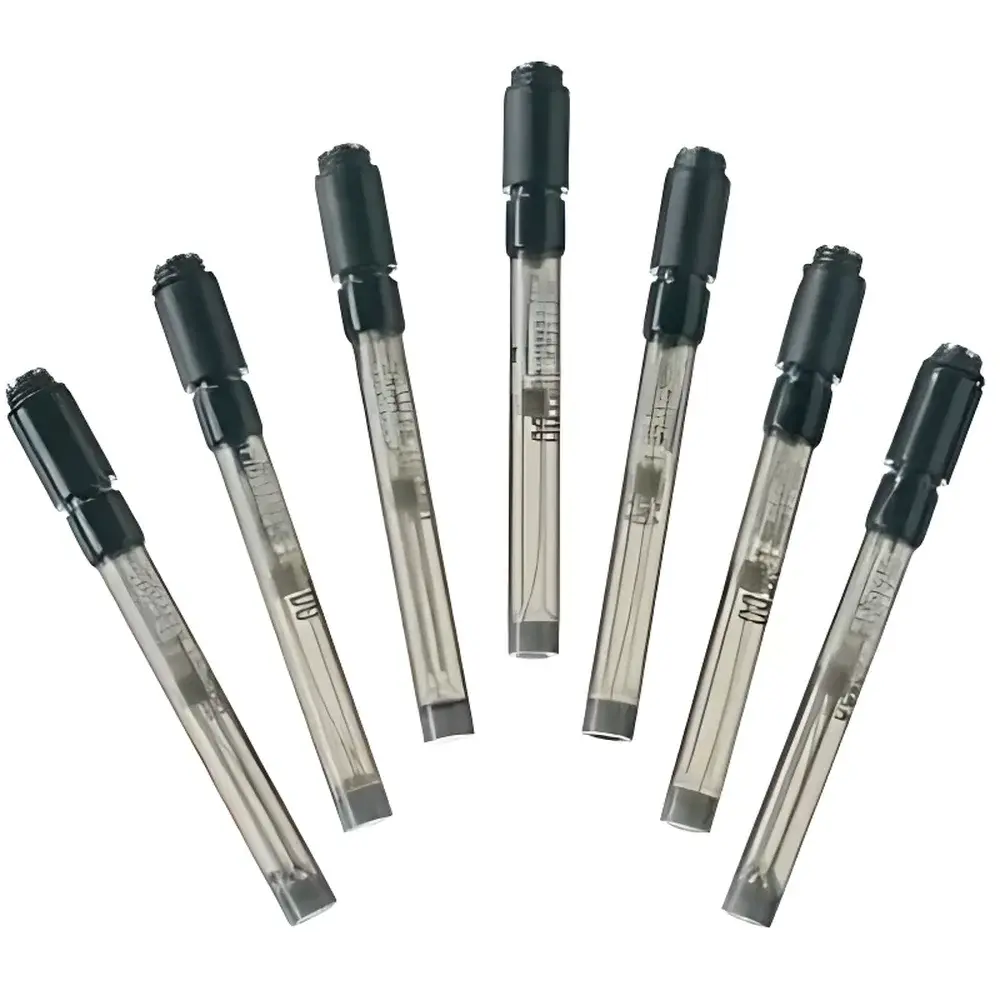
METTLER TOLEDO InPro / InLab Electrodes for pH, ORP, and Conductivity Measurement
| Brand | METTLER TOLEDO |
|---|---|
| Origin | Switzerland |
| Product Line | InPro (industrial online) / InLab (laboratory & portable) |
| Electrode Types | pH, ORP (Redox), Conductivity |
| Reference Systems | XEROLYT™ solid-state electrolyte, SteadyForce™ pressurized reference |
| Compliance | ATEX, FM, EHEDG, USP <797>, FDA 21 CFR Part 11 (software-enabled systems), ISO/IEC 17025 (calibration traceability) |
| Application Scope | Lab QC, biopharma in-line monitoring, food & beverage CIP/SIP validation, chemical process control, ultrapure water systems |
Overview
METTLER TOLEDO InPro and InLab electrodes represent a culmination of over six decades of electrochemical sensor engineering by INGOLD — the pioneering Swiss electrochemistry division acquired by METTLER TOLEDO. These electrodes are engineered for high reproducibility, long-term stability, and minimal drift in demanding environments — from sterile bioreactor pH monitoring to high-temperature caustic process streams and low-conductivity ultrapure water applications. The core measurement principles adhere to standardized potentiometric (pH/ORP) and conductometric (conductivity) methodologies defined in ISO 3696, ASTM D1125, and USP . Unlike generic sensors, InPro and InLab platforms integrate proprietary reference system architectures — including XEROLYT™ solid-polymer electrolyte and SteadyForce™ mechanically pre-pressurized reference junctions — to eliminate liquid junction potential instability caused by clogging, diffusion asymmetry, or electrolyte depletion. This design directly addresses the most frequent root cause of pH measurement failure: reference electrode contamination and junction fouling.
Key Features
- Two-tier platform architecture: InLab series optimized for benchtop, portable, and flow-cell applications; InPro series certified for hazardous-area (ATEX/FM Class I Div 1) and hygienic (EHEDG-certified) industrial installations.
- XEROLYT™ reference technology: Eliminates liquid electrolyte refilling, reduces maintenance intervals by up to 80%, and ensures consistent junction potential in low-ionic-strength media (e.g., deionized water, pharmaceutical buffers).
- SteadyForce™ pre-pressurized reference system: Maintains 0.2–0.5 bar differential pressure across the ceramic frit or open junction, preventing back-diffusion and sample ingress — critical for viscous, protein-rich, or particulate-laden samples.
- Autoclavable and SIP-compatible designs (InPro 325x, InPro 335x): Withstand ≥121 °C steam sterilization for ≥30 min per cycle; validated for ≥200 cycles without performance degradation.
- Integrated digital identification (iSense™ chip): Stores calibration history, serial number, material compatibility data, and firmware version — enabling GLP/GMP-compliant audit trails and automated sensor recognition in SevenExcellence™ and Thornton™ transmitters.
Sample Compatibility & Compliance
InPro and InLab electrodes accommodate diverse sample matrices while maintaining metrological integrity. InLab Science and InLab Expert models support routine aqueous solutions, buffers, and mild organics; InLab Routine Pro and InLab Flex are rated for semi-solid slurries and emulsions. For industrial deployment, InPro 3100/3250 series withstand continuous exposure to 120 °C caustic lyes (up to 30% NaOH) and concentrated HNO₃/H₂SO₄ at ≤80 °C. All hygienic variants comply with EHEDG Doc. 8 (surface roughness Ra ≤ 0.8 µm), 3-A Sanitary Standards, and FDA 21 CFR 177.2600 for food-contact materials. Electrical safety certification includes ATEX II 1G Ex ia IIC T6 Ga and FM Class I, Div 1, Groups B, C, D — verified per IEC 60079-0 and IEC 60079-11.
Software & Data Management
When paired with METTLER TOLEDO’s SevenExcellence™ pH/conductivity meters or Thornton™ 450/850 series transmitters, InPro/InLab electrodes enable full 21 CFR Part 11 compliance. Audit trail functionality logs every calibration event (date/time, operator ID, buffer values, slope/mV offset), sensor insertion/removal, and firmware updates. Calibration reports are exportable as PDF or CSV with digital signatures and time-stamped cryptographic hashes. iSense™ memory retains up to 10 calibration records per sensor, facilitating cross-instrument traceability and reducing manual entry errors in regulated environments.
Applications
- Biopharmaceutical manufacturing: In-situ pH and DO monitoring in stainless-steel bioreactors during cell culture and purification; real-time ORP tracking during cleaning-in-place (CIP) and steam-in-place (SIP) validation.
- Food & beverage quality control: Rapid pH verification of dairy products, fermented beverages, and acidified sauces using InLab Flex with integrated temperature probe.
- Power plant ultrapure water loops: InLab Pure with flow-through cell and low-flow KCl refill system ensures stable pH measurement in <0.1 µS/cm condensate.
- Chemical process optimization: InPro 3253-SC deployed in sulfuric acid alkylation units operating at 60 °C and 2 bar pressure.
- Academic research labs: InLab Micro and InLab Ultra for micro-volume (≤100 µL) and high-precision (±0.002 pH) measurements in enzymology and electrocatalysis studies.
FAQ
What is the difference between InLab and InPro electrode series?
InLab electrodes are designed for laboratory, portable, and flow-cell use with emphasis on flexibility, fast response, and ease of calibration. InPro electrodes are built for permanent installation in industrial pipelines, reactors, and tanks — featuring explosion-proof housings, sanitary tri-clamp fittings, and extended temperature/pressure ratings.
Can InPro electrodes be used in non-sterile chemical processes?
Yes — InPro 3100 and InPro 3250 models are rated for aggressive chemical environments, including strong acids, bases, and organic solvents, with optional PTFE, PVDF, or Hastelloy C-22 wetted parts.
How does XEROLYT™ improve measurement stability in low-conductivity water?
XEROLYT™ replaces liquid KCl with a polymer-based electrolyte matrix that maintains constant ion activity at the junction interface, eliminating concentration polarization and minimizing junction potential drift below 10 µS/cm.
Is calibration traceable to national standards?
Yes — METTLER TOLEDO provides NIST-traceable calibration certificates (ISO/IEC 17025 accredited) for all InLab and InPro electrodes upon request, including uncertainty budgets and reference buffer traceability.
Do these electrodes support predictive maintenance?
When connected to METTLER TOLEDO’s LabX® or DeltaV™ integration modules, impedance diagnostics and slope decay trends can trigger automated maintenance alerts based on configurable thresholds.




