
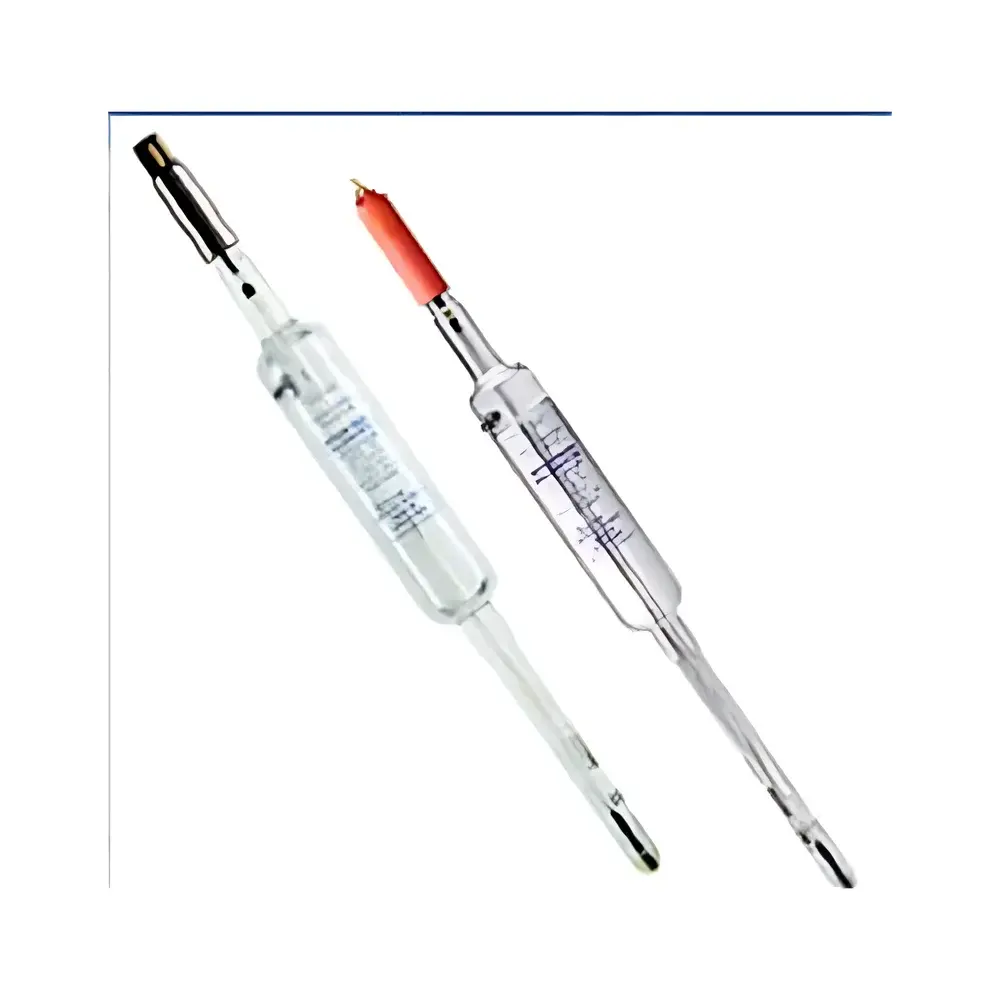
METTLER TOLEDO InPro2000 / InPro2000i Intelligent ORP and pH Electrode
| Brand | METTLER TOLEDO |
|---|---|
| Origin | Switzerland |
| Model | InPro2000i |
| pH Range | 0–14 |
| Temperature Range | 0–140 °C |
| Max. Pressure | 6 bar (87 psi) |
| Diaphragm Material | Ceramic |
| Reference System | Ag/AgCl with Silver Ion Trap |
| Sterilizable | Yes |
| ATEX Certification | Ex II 1/2G EEx ia IIc T6/T5/T4/T3, SNCH 00 ATEX 3130X, FM Certified for Class I, II, III Div 1 Groups A–G, T6 |
Overview
The METTLER TOLEDO InPro2000i is an industrial-grade, intelligent combination electrode engineered for continuous online measurement of oxidation-reduction potential (ORP) and pH in demanding process environments. Built upon the proven InPro2000 platform, the InPro2000i integrates a refillable liquid electrolyte system, a ceramic diaphragm, and an integrated Pt1000 temperature sensor — all housed within a robust, pressure-rated body compatible with high-temperature and high-pressure applications up to 140 °C and 6 bar. Its electrochemical architecture follows the Nernst principle for ORP and potentiometric principles for pH, enabling traceable, thermally compensated measurements essential for regulatory compliance in pharmaceutical, biotech, food & beverage, and chemical manufacturing processes. Unlike fixed-gel or solid-state electrodes, the InPro2000i’s pressurized refillable electrolyte design ensures stable junction potential, minimizes clogging, and extends operational lifetime—particularly critical in viscous, particulate-laden, or low-conductivity media.
Key Features
- Pressurized refillable electrolyte system: Maintains positive internal pressure to prevent process ingress, ensuring consistent liquid junction stability and long-term calibration integrity.
- ISM (Intelligent Sensor Management®) digital interface: Enables plug-and-play installation, automatic sensor recognition, real-time diagnostics (e.g., coating detection, electrolyte level monitoring, aging prediction), and full audit trail generation compliant with FDA 21 CFR Part 11 requirements.
- Ceramic diaphragm: Offers balanced flow rate and mechanical resilience against fouling, suitable for aggressive or suspended-solids-containing streams.
- Integrated Pt1000 RTD: Provides high-accuracy, two-point temperature compensation directly at the sensing point—eliminating external probe errors and supporting ASTM D1293 and ISO 10523-compliant reporting.
- ATEX and FM hazardous area certifications: Certified for use in Zone 0/1 (gas) and Division 1 (Class I, II, III) environments without additional barriers—enabling safe deployment in solvent-based reactors or fermentation vessels.
- User-selectable electrolyte options: Compatible with KCl-based, LiNO₃, and NH₄NO₃ electrolytes to optimize compatibility with low-chloride, protein-rich, or silver-sensitive processes.
Sample Compatibility & Compliance
The InPro2000i is validated for use across aqueous, semi-aqueous, and mildly organic media—including cell culture broths, buffer solutions, cleaning-in-place (CIP) effluents, and sterilization-in-place (SIP) condensates. It meets ISO 15197:2013 (for clinical-grade reference), USP <791> (pH), and EP 2.2.3 (electrochemical sensors). Its construction adheres to GMP Annex 11 data integrity expectations, with ISM-generated logs supporting GLP/GMP audits. The electrode body complies with IP68 ingress protection and ASME BPE 2022 surface finish standards (Ra ≤ 0.4 µm) where applicable.
Software & Data Management
ISM-enabled transmitters (e.g., M400, EasyMax, or LabX-connected systems) automatically import sensor metadata, calibration history, and diagnostic flags into centralized databases. All ISM events—including electrolyte refill timestamps, thermal drift alerts, and predictive maintenance recommendations—are time-stamped, digitally signed, and exportable in CSV or XML format. Configuration parameters are stored on the electrode’s embedded memory chip, eliminating manual setup errors during sensor swaps and supporting automated validation protocols per Annex 15.
Applications
- Real-time ORP monitoring in redox-controlled bioreactors (e.g., anaerobic digestion, aerobic fermentation).
- pH control loops in API synthesis reactors operating under SIP conditions (121 °C, 2 bar steam).
- In-line quality verification during buffer preparation and final formulation in sterile manufacturing.
- Wastewater treatment optimization via redox potential trending in denitrification basins.
- Electroplating bath monitoring where chloride interference must be minimized via alternative electrolytes.
FAQ
Does the InPro2000i require recalibration after each sterilization cycle?
No—ISM stores pre-sterilization calibration data and validates post-cycle performance via impedance diagnostics; only verification checks are needed unless diagnostic thresholds are exceeded.
Can the InPro2000i be used in non-aqueous solvents such as ethanol or IPA?
Not recommended for pure organic solvents; however, it is qualified for aqueous mixtures containing ≤30% v/v ethanol or isopropanol when using LiNO₃ electrolyte.
Is the VP connector compatible with legacy Mettler Toledo transmitters?
Yes—the VP (Versatile Plug) interface maintains backward compatibility with M300, M800, and M400 series transmitters while enabling full ISM functionality on firmware v3.2 or later.
What is the typical service life under continuous SIP cycling?
With proper electrolyte management and ISM-guided maintenance, field data shows median operational life exceeding 18 months in pharmaceutical buffer tanks subjected to ≥200 SIP cycles.
How does ISM support regulatory submissions?
ISM generates immutable, timestamped records of sensor identity, calibration status, diagnostic health, and usage history—fully aligned with ALCOA+ principles and directly admissible in FDA or EMA inspection responses.
Related Products






