
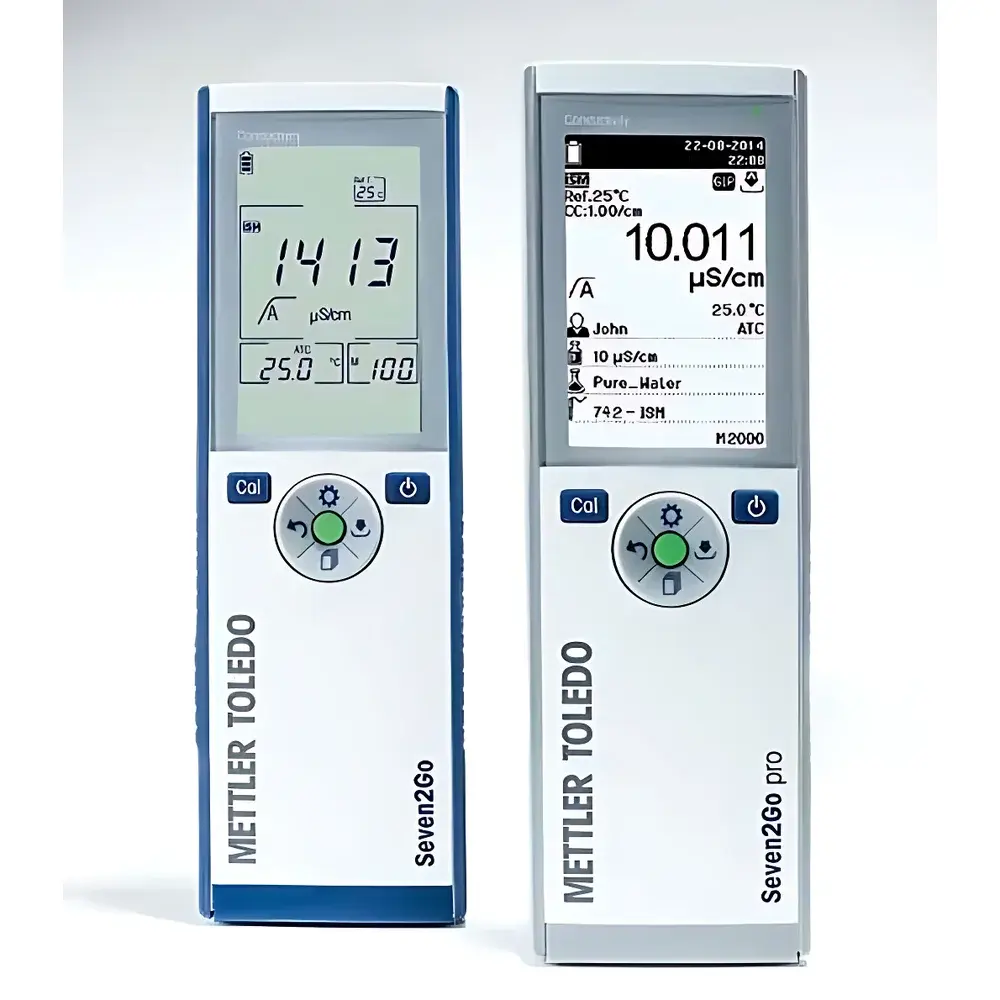
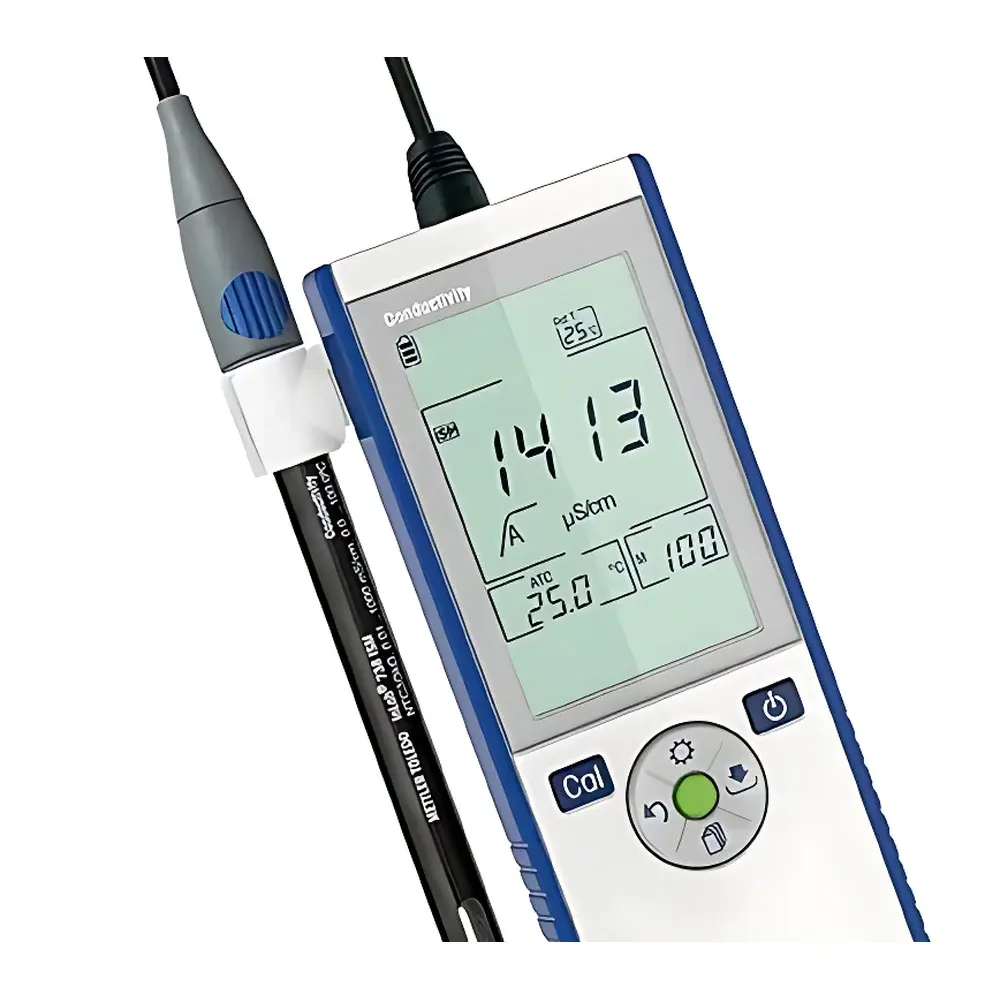
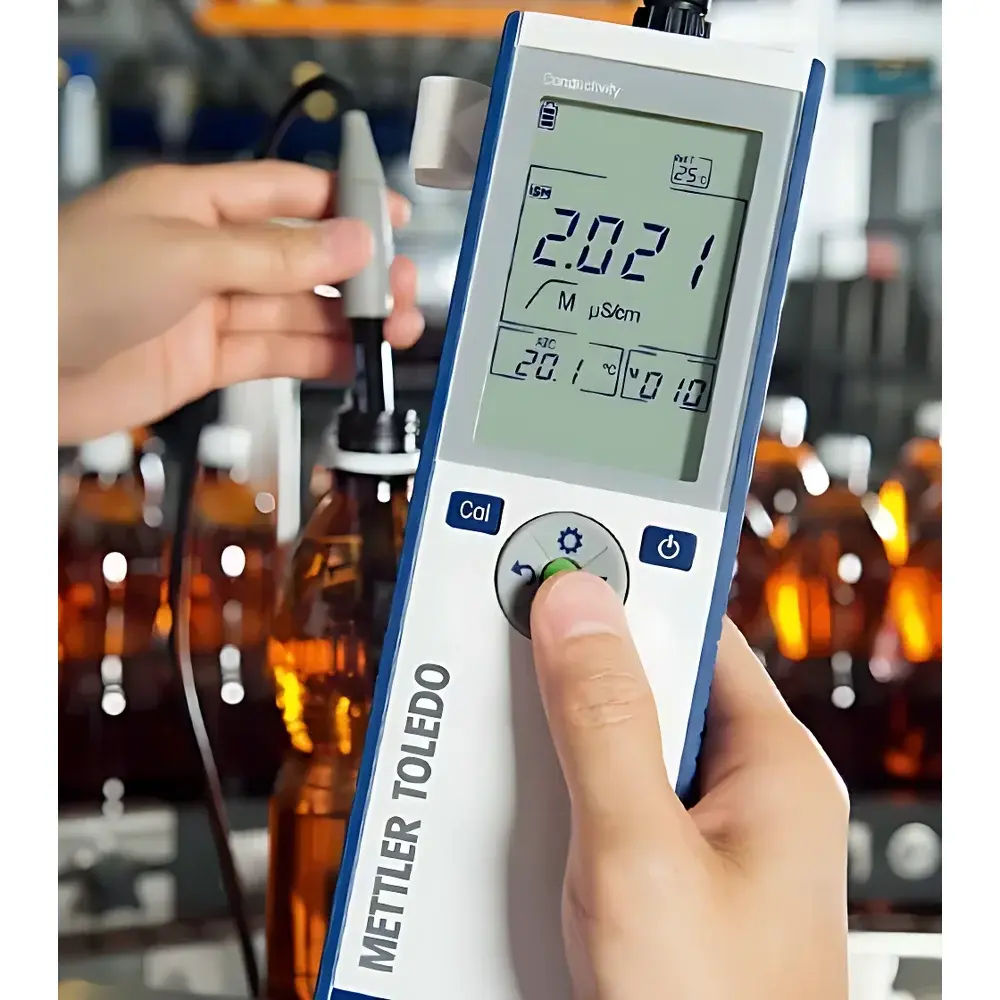
METTLER TOLEDO Seven2Go Pro S7 Portable Conductivity Meter
| Brand | METTLER TOLEDO |
|---|---|
| Origin | Switzerland |
| Model | S3, S7 |
| Portability | Portable |
| Conductivity Range | 0.000 µS/cm to 1000 mS/cm |
| TDS Range | 0.01 mg/L to 600 g/L |
| Resistivity Range | 0.00 to 100.0 MΩ·cm |
| Salinity Range | 0.00 to 42 PSU |
| Temperature Range | –5.0 to 105.0 °C |
| Accuracy | ±0.5% of reading |
| Minimum Resolution | 0.001 |
| Compliance | IP67 rated |
| Electrode Interface | ISM® (Intelligent Sensor Management) compatible |
| Display | High-contrast sunlight-readable LCD with StatusLight indicator |
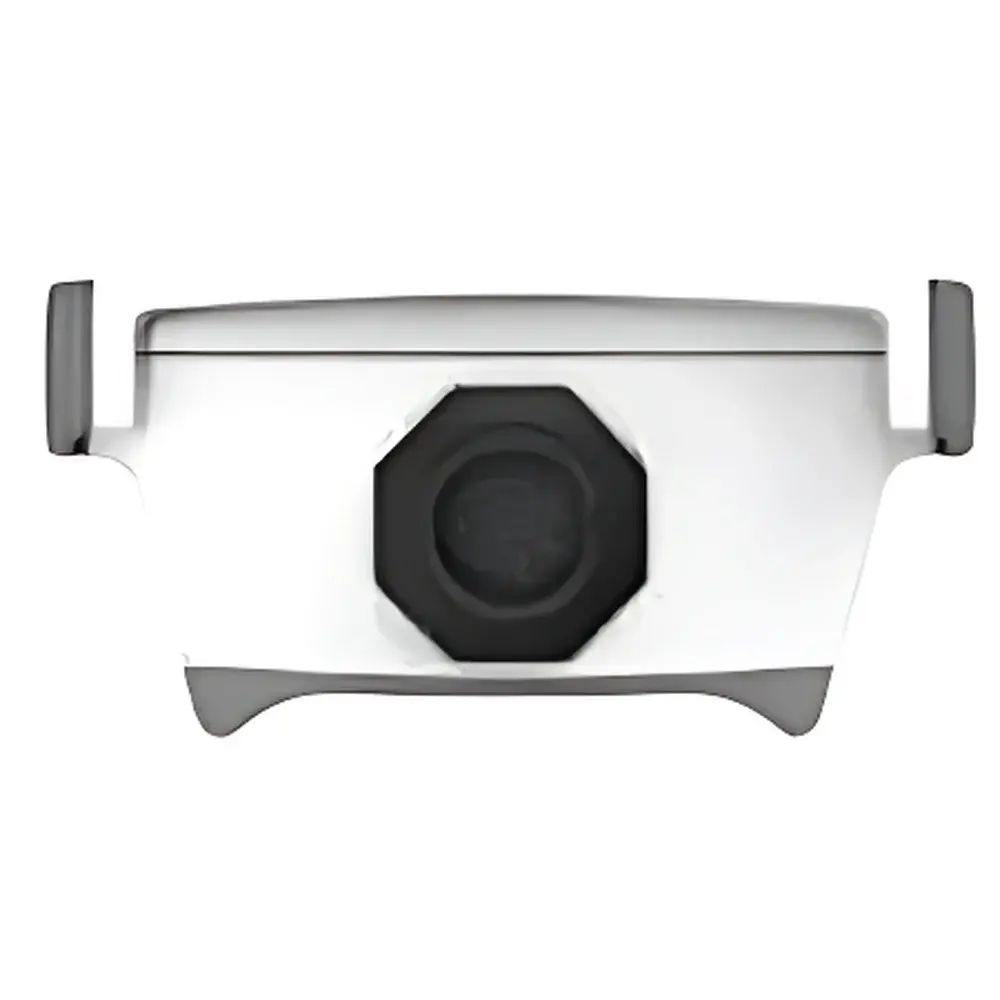
| Data Transfer | IP67-rated USB port |
| Language Support | 12 languages including English, German, French, Spanish, Chinese, Japanese, Korean, etc. |
Overview
The METTLER TOLEDO Seven2Go Pro S7 Portable Conductivity Meter is an engineered electrochemical measurement system designed for high-reliability field, process, and laboratory applications requiring precise, traceable, and repeatable conductivity, TDS, resistivity, and salinity determinations. Based on four-electrode or two-electrode AC conductivity measurement principles—optimized to minimize polarization effects and electrode fouling—the S7 delivers stable readings across a broad dynamic range (0.000 µS/cm to 1000 mS/cm), supporting both ultrapure water monitoring and highly conductive industrial brines. Its compact, ergonomic form factor enables single-handed operation without compromising measurement integrity, while its integrated temperature compensation (–5.0 to 105.0 °C) conforms to DIN EN 27888 and ISO 7888 standards for standardized conductivity reporting at 25 °C. The instrument is calibrated per ASTM D1125 and supports linear, non-linear (e.g., NaCl-based), and user-defined temperature compensation algorithms.
Key Features
- IP67-rated enclosure with drop-tested mechanical robustness—certified to withstand immersion in 1 m water for 30 minutes and repeated 1 m drops onto concrete—ensuring operational continuity in outdoor, wastewater, or production-floor environments.
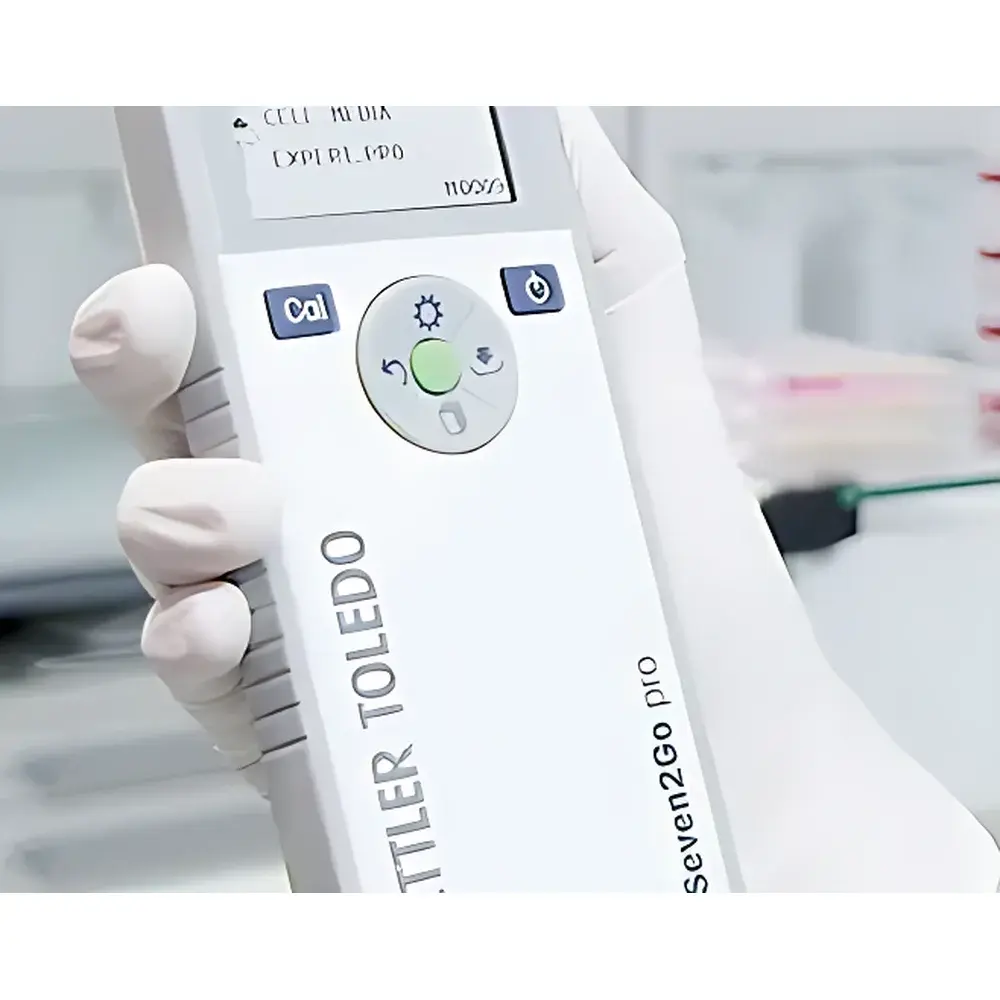
- T-Pad tactile navigation interface: A pressure-sensitive, capacitive touchpad optimized for gloved-hand use and rapid menu traversal—reducing operator training time and minimizing input errors during high-throughput measurements.
- ISM® (Intelligent Sensor Management) compatibility: Automatic electrode recognition upon connection; stores sensor serial number, calibration history, last calibration date/time, and sensor-specific configuration parameters—including cell constant, temperature coefficient, and calibration buffer IDs—enabling full audit trail compliance per FDA 21 CFR Part 11 when paired with LabX software.
- StatusLight visual status indicator: A tri-color LED (green/yellow/red) providing immediate at-a-glance verification of instrument readiness, calibration due status, and measurement stability—eliminating ambiguity during critical QA/QC checks.
- Sunlight-enhanced display: High-contrast reflective LCD with adaptive brightness control ensures legibility under direct solar irradiance (>100,000 lux), validated per IEC 60529 for outdoor readability without screen glare or washout.
- IP67-sealed USB 2.0 interface: Enables secure, weather-resistant data export to Windows or macOS systems without requiring protective caps or auxiliary housings—supporting CSV and GLP-compliant .mtt file formats.
Sample Compatibility & Compliance
The Seven2Go Pro S7 accommodates standard DIN/ISO-compliant conductivity cells (e.g., InLab® 738, InLab® Trace, InLab® Routine Pro) with cell constants from 0.01 to 10 cm⁻¹, enabling accurate measurement of deionized water (≥18.2 MΩ·cm), pharmaceutical water (PW/WFI per USP ), seawater (35 PSU), and aggressive chemical streams (e.g., caustic soda up to 50% w/w). It meets IEC 61010-1 for electrical safety, EN 61326-1 for EMC in industrial environments, and is CE-marked. Calibration verification follows ISO/IEC 17025 requirements when performed using NIST-traceable KCl standards (e.g., 1413 µS/cm, 12.88 mS/cm). The device supports GLP/GMP workflows through timestamped calibration logs, user ID entry, and electronic signature-ready data export.
Software & Data Management
Data captured by the S7 is stored internally (up to 2000 measurement records with timestamps, operator ID, temperature, and electrode metadata) and exported via USB to METTLER TOLEDO LabX™ PC software for advanced statistical analysis, report generation (PDF/Excel), and integration into LIMS or ELN platforms. LabX enforces 21 CFR Part 11 compliance via role-based access control, electronic signatures, and immutable audit trails. Raw data files include embedded metadata (sensor ID, calibration coefficients, environmental conditions), ensuring full traceability from measurement to regulatory submission.
Applications
- Pharmaceutical water system validation (PW, WFI, SW) per USP and EU Annex 1
- Environmental monitoring of surface water, groundwater, and effluent streams (EPA Method 120.1)
- Food & beverage quality control—e.g., brine concentration in canned goods, dairy conductivity for milk adulteration screening
- Power plant cycle chemistry (condensate, boiler feedwater, steam purity)
- Academic and teaching laboratories requiring rugged, intuitive instrumentation for electrochemistry coursework
- Field-based aquaculture and hydroponics nutrient solution management
FAQ
Does the S7 support automatic temperature compensation (ATC)?
Yes—the instrument integrates a built-in Pt1000 temperature sensor and supports multiple ATC modes (linear, non-linear, and custom), configurable per application requirements.
Can the S7 store calibration data for multiple electrodes?
Yes—ISM® technology enables persistent storage of calibration parameters for each connected electrode, allowing seamless switching between sensors without manual reconfiguration.
Is the USB interface truly waterproof?
Yes—the USB port maintains full IP67 ingress protection even during active data transfer, verified per IEC 60529 test protocols.
What documentation is provided for IQ/OQ validation support?
METTLER TOLEDO supplies a comprehensive validation package including URS templates, FAT/SAT checklists, calibration certificates, and traceable test protocols aligned with GAMP 5 guidelines.
How often does the instrument require recalibration?
Calibration frequency depends on usage intensity and sample matrix; however, ISM® alerts users when calibration drift exceeds predefined thresholds, supporting risk-based maintenance per ISO 9001 and ISO/IEC 17025.






