
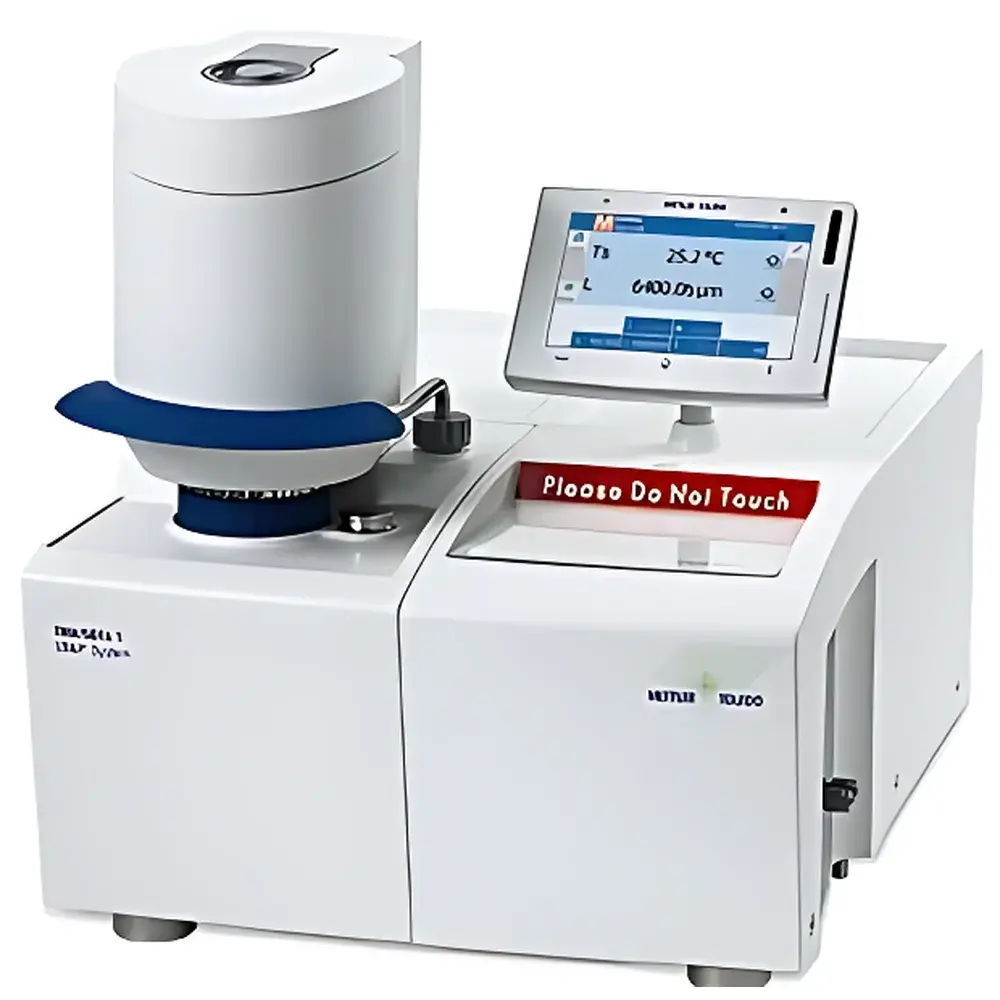
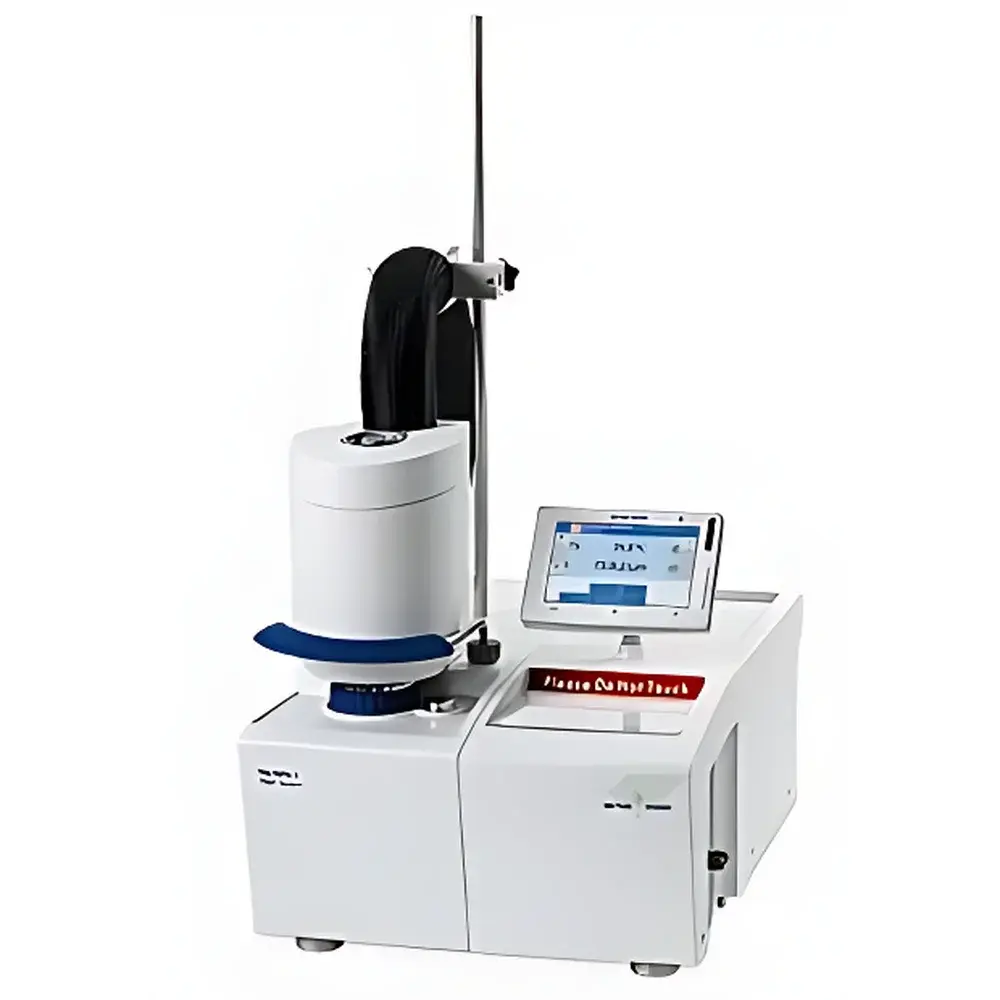
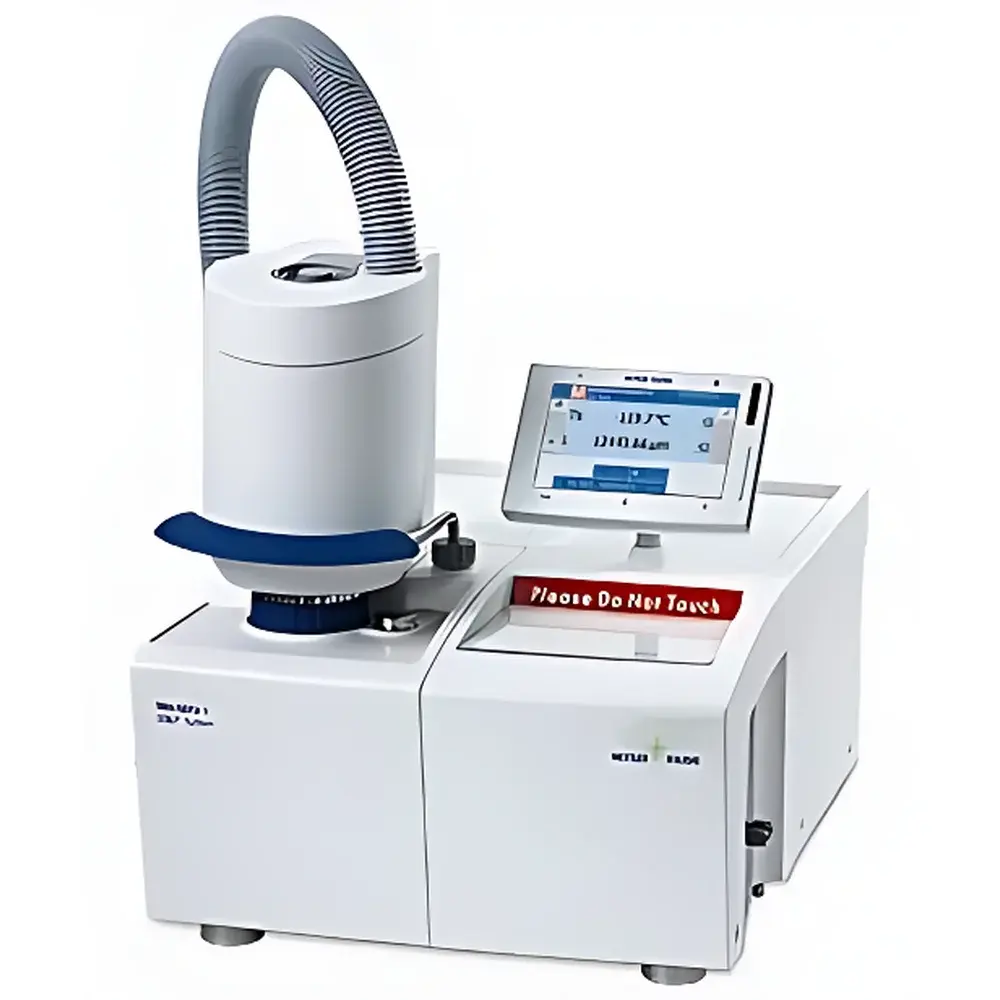
METTLER TOLEDO TMA/SDTA1 Thermomechanical Analyzer Series (LF/1100, HT/1600, IC600, LN600)
| Brand | METTLER TOLEDO |
|---|---|
| Origin | Switzerland |
| Model | LF/1100, HT/1600, IC600, LN600 |
| Temperature Range | –150 °C to 1600 °C |
| Temperature Accuracy | ±0.005 °C |
| Force Resolution | 0.01–1 Hz (dynamic frequency range) |
| Displacement Range | 20 mm |
| Length Resolution | 0.5 nm |
| Operating Modes | Compression, Tension, Penetration, Expansion |
Overview
The METTLER TOLEDO TMA/SDTA1 Thermomechanical Analyzer Series represents a benchmark in high-precision thermal expansion and dimensional change measurement. Engineered for rigorous materials science laboratories, this series integrates simultaneous dynamic temperature acquisition (SDTA) with classical thermomechanical analysis (TMA) to deliver unparalleled thermal accuracy and mechanical sensitivity across extreme temperature domains. Unlike conventional TMA systems that rely on furnace or sensor-based temperature estimates, the SDTA architecture employs an integrated, sample-proximal temperature sensor—positioned within micrometers of the specimen surface—to directly monitor true sample temperature during heating, cooling, or isothermal holds. This eliminates thermal lag and enables calibration traceable to primary standards such as pure metal melting points (e.g., In, Sn, Zn, Al) or certified dimensional reference materials. The series comprises four dedicated configurations: LF/1100 (low-frequency, up to 1100 °C), HT/1600 (high-temperature, up to 1600 °C), IC600 (intermediate-coverage, –80 to 600 °C), and LN600 (low-noise, –150 to 600 °C), each optimized for specific thermal stability, resolution, and environmental control requirements.
Key Features
- SDTA™ (Simultaneous Dynamic Temperature Acquisition): Real-time, contact-proximal temperature measurement with ±0.005 °C absolute accuracy—enabling ISO 11357-3 and ASTM E831-compliant coefficient of linear expansion (CLE) determination.
- Multi-mode mechanical actuation: Programmable force profiles for compression, tension, penetration (needle probe), and expansion modes; supports static load control (0.001–1 N) and dynamic oscillatory force (0.01–1 Hz).
- Nanometer-scale displacement resolution: 0.5 nm length resolution over full 20 mm travel range, achieved via differential capacitive transduction and low-drift analog signal conditioning.
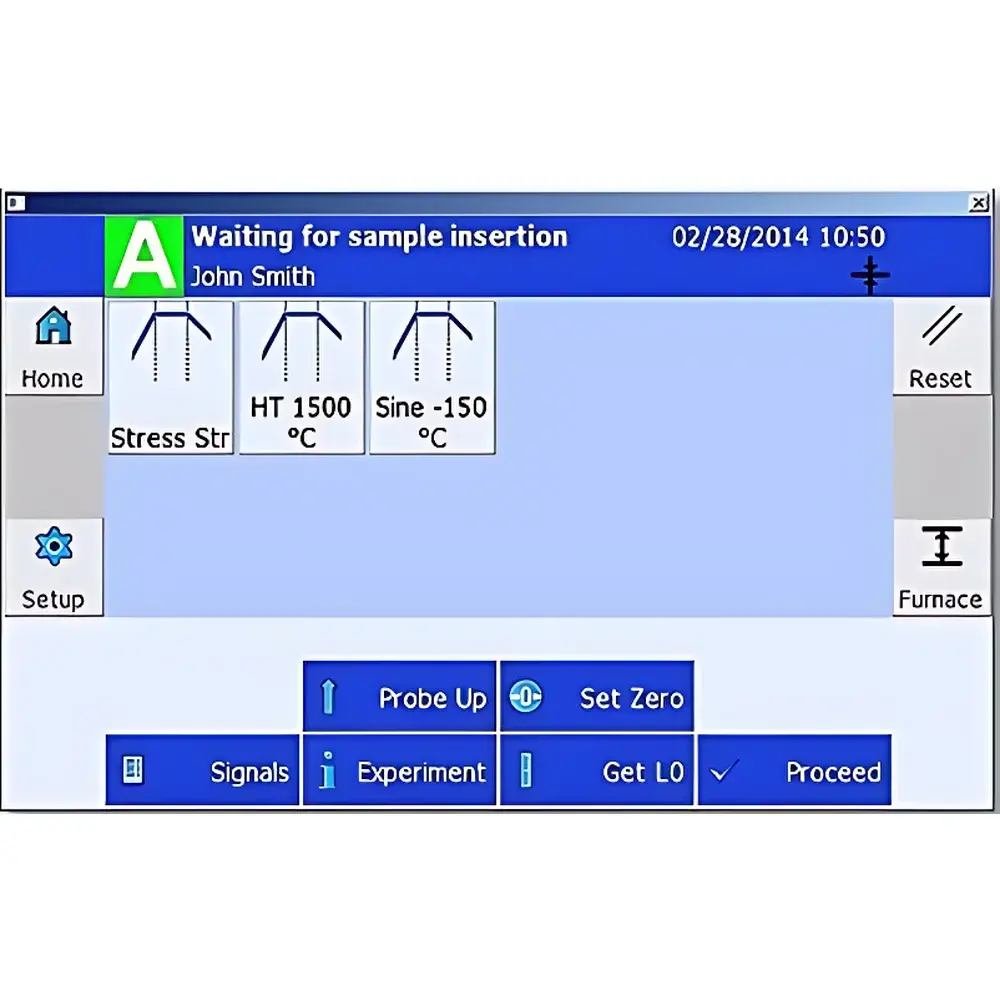
- One Click™ workflow interface: Industrial-grade 7-inch color touchscreen with intuitive experiment sequencing, parameter locking, and GLP-compliant audit trail generation.
- Modular furnace design: Gas-tight quartz or alumina crucibles; optional inert (N₂, Ar), oxidative (air, O₂), or reducing (H₂/N₂) atmospheres; vacuum compatibility down to 10⁻³ mbar.
- Thermal stability: <0.01 °C/min drift at isothermal setpoints; ramp rates from 0.01 to 100 K/min with programmable multi-step profiles.
Sample Compatibility & Compliance
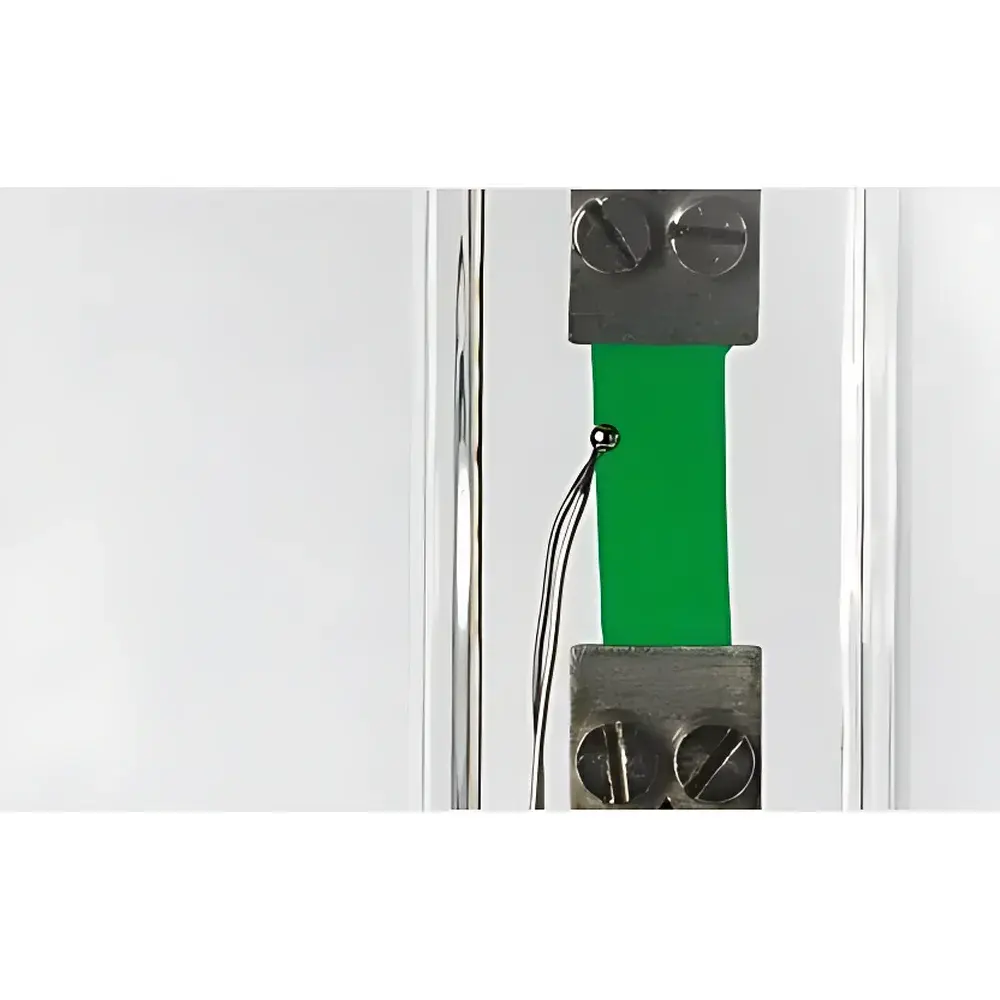
The TMA/SDTA1 accommodates diverse geometries without compromise: thin films (<1 µm), monofilaments (diameter ≥10 µm), cylindrical rods (up to 20 mm length), bulk polymers, ceramics, metals, single crystals, and composite laminates. Its penetration mode is uniquely suited for glass transition (Tg) characterization of ultra-thin coatings (<50 nm), where DSC lacks sufficient sensitivity due to low enthalpic contrast. All models comply with ISO 11357-3 (plastics — DSC and TMA), ASTM E831 (linear thermal expansion of solids), USP (thermal analysis of pharmaceutical excipients), and support 21 CFR Part 11-compliant electronic records when paired with STARe® software. Full GMP/GLP audit trails—including user login, method versioning, raw data integrity hashes, and timestamped parameter changes—are embedded in every measurement file.
Software & Data Management
STARe® Thermal Analysis Software (v15.x or later) provides unified control, real-time visualization, and advanced post-processing. It supports automated baseline correction, CTE calculation across user-defined intervals, derivative (dT/dT) analysis for Tg onset detection, and multi-curve statistical comparison (ANOVA-ready export). Raw data are stored in vendor-neutral .tdf format (Time-Dependent Format), compatible with third-party tools including MATLAB, Python (via PyMettler API), and LabArchives ELN. Network deployment allows centralized instrument management, remote monitoring, and role-based access control aligned with ISO/IEC 17025 laboratory accreditation requirements.
Applications
- Quantification of coefficient of thermal expansion (CTE) in aerospace composites and electronic packaging substrates.
- Detection of subtle glass transitions in highly filled polymers (e.g., >40 wt% carbon fiber), elastomers, and bioresorbable medical polymers where DSC fails.
- Interfacial adhesion assessment via constrained-layer expansion in multilayer thin-film stacks.
- Sintering kinetics and densification onset in ceramic powders and metal injection molding (MIM) feedstocks.
- Creep and stress-relaxation behavior under isothermal or thermally cycled loading conditions.
- Thermal shrinkage/stress profiling in battery electrode calendering processes and solid-state electrolyte membranes.
FAQ
What distinguishes SDTA from conventional TMA temperature measurement?
SDTA uses a miniature, calibrated Pt100 sensor mounted directly adjacent to the sample holder—within 100 µm—ensuring measured temperature reflects actual sample surface conditions, not furnace ambient. This eliminates systematic offset errors inherent in furnace-sensor-based systems.
Can the TMA/SDTA1 perform dynamic mechanical measurements like DMA?
No. While it supports oscillatory force application (0.01–1 Hz), it is not designed for viscoelastic modulus quantification. For storage/loss modulus, a dedicated DMA (e.g., METTLER TOLEDO DMA/SDTA1) is recommended.
Is calibration traceable to national standards?
Yes. Temperature calibration uses NIST-traceable pure metal standards (In, Sn, Pb, Zn, Al); displacement calibration employs certified step-height standards per ISO 25178.
Does the system support automated sample changers?
The LF/1100 and IC600 models integrate with the RSO (Robotic Sample Organizer) for unattended 24/7 operation; HT/1600 and LN600 require manual loading due to thermal shielding constraints.
What data security protocols are implemented for regulated environments?
STARe® includes encrypted local database storage, electronic signatures, biometric or LDAP authentication, and configurable retention policies—all validated for FDA 21 CFR Part 11 and EU Annex 11 compliance.



