MicroPIV System by PIV View
| Brand | PIV View |
|---|---|
| Origin | Germany |
| Model | MicroPIV |
| Measurement Domain | Planar (2D/3D) |
| Measurement Frequency | Low-frequency |
| Velocity Range | 0–10 m/s |
| Accuracy | ±3% |
| Field of View | 100 µm – 1000 µm |
| Light Source | Tunable LED (450–460 nm), Continuous / Dual-pulse Modes |
| Frame Rate | Up to 100 fps @ full resolution (2560 × 2160) |
| Camera | PCO edge 4.2, 16-bit, Quantum Efficiency >60%, Read Noise ≤1 e⁻, Dynamic Range ≥30,000:1 |
| Synchronization | External trigger, single/dual pulse, programmable delay (≤200 ns) |
| Software | PIVtec ILA with dedicated MicroPIV module (top-tier performance in PIV Challenge benchmarks) |
Overview
The MicroPIV System by PIV View is a high-precision planar particle image velocimetry platform engineered for quantitative flow field characterization in microscale domains. Operating on the principle of cross-correlation analysis of time-resolved particle-seeded images, this system enables non-intrusive, two-dimensional (and optionally stereoscopic three-dimensional) velocity vector mapping within confined geometries ranging from 100 µm to 1 mm in spatial extent. Designed specifically for applications where conventional macro-PIV fails—such as microfluidic channels, MEMS actuators, lab-on-a-chip thermal management structures, and microvascular biomechanics—the system integrates optical, synchronization, and computational components optimized for diffraction-limited resolution and low signal-to-noise ratio environments. Its core architecture adheres to fundamental fluid mechanics measurement standards, supporting laminar and transitional flow regimes typical of Reynolds numbers below 2000 in microchannels.
Key Features
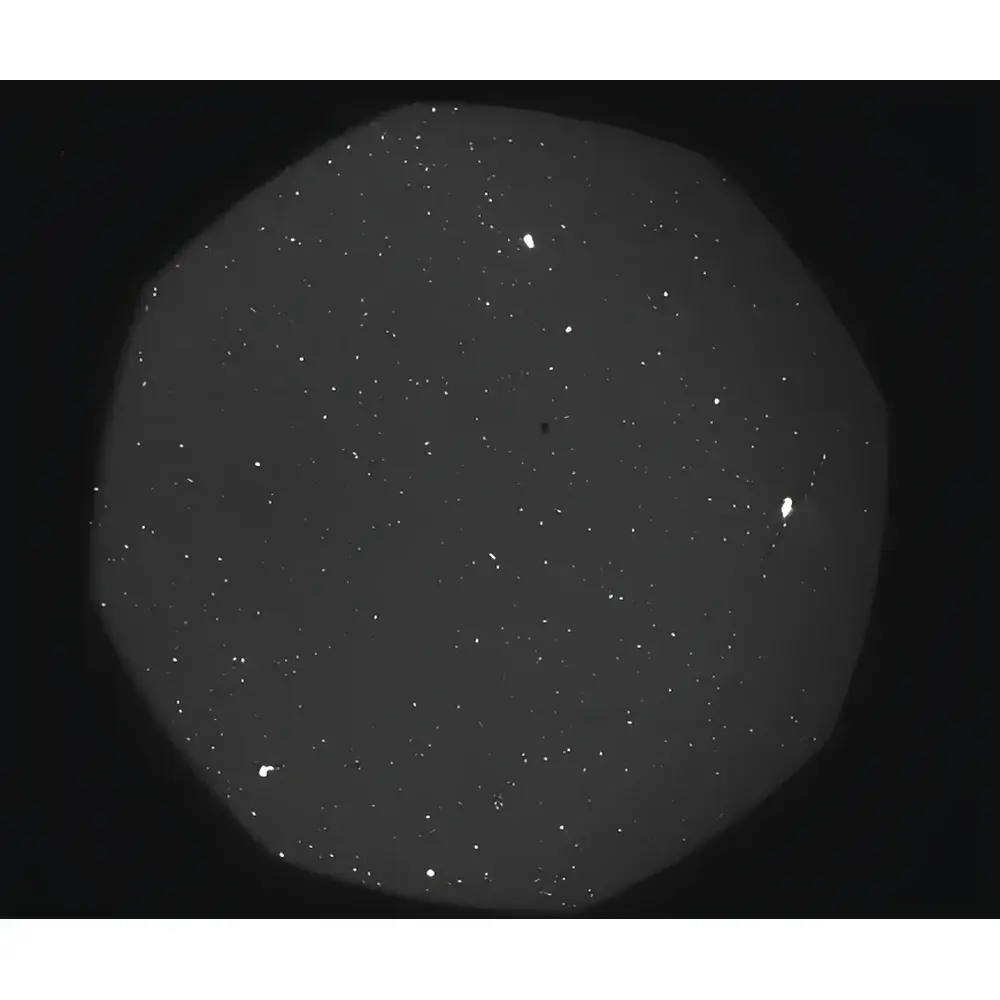
- High-sensitivity imaging: PCO edge 4.2 sCMOS camera with 5.5 megapixel resolution (2560 × 2160), 16-bit digitization, and sub-electron read noise (≤1 e⁻) ensures robust particle detection at low seeding densities and minimal illumination intensity.
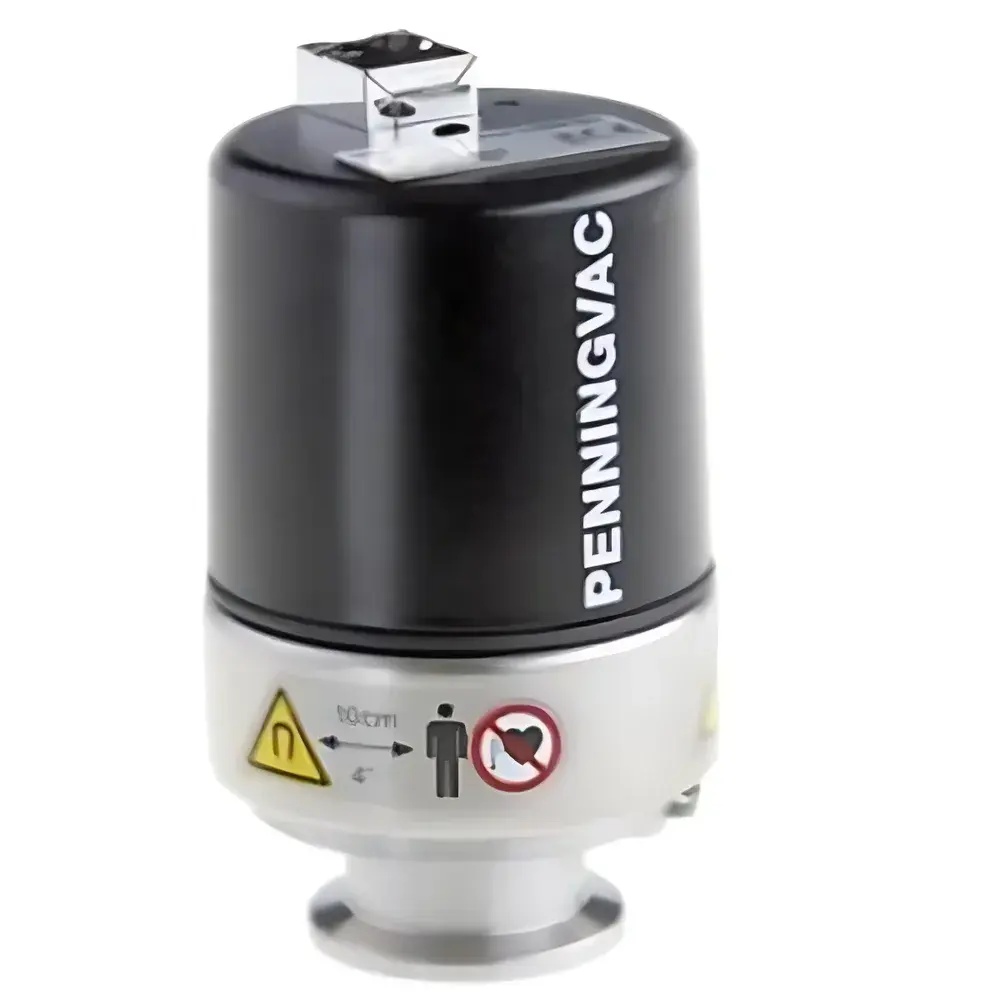
- Tunable LED illumination: German-engineered LED source offering four selectable wavelengths (centered at 450–460 nm), programmable operation modes (continuous, single-pulse, dual-pulse), and precise temporal control (pulse width <100 ns, inter-pulse separation ≤200 ns) compatible with both Micro-PIV and Micro-PLIF modalities.
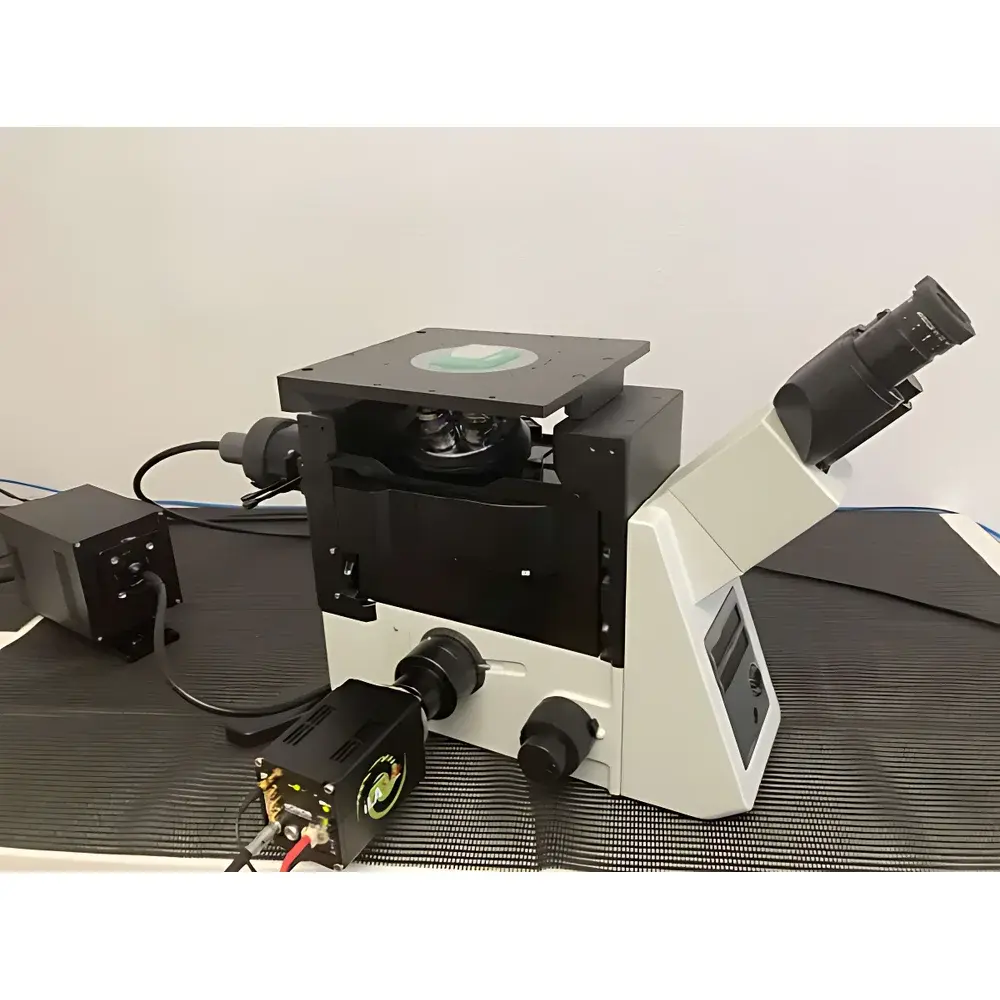
- Flexible microscope integration: Available in inverted and upright configurations to accommodate transparent substrates mounted on standard microscope stages or opaque, freestanding microdevices requiring side-access optical paths.
- Sub-micron spatial calibration: Accompanied by certified micrometer-scale calibration targets and software-based grid registration, enabling pixel-to-length conversion with traceable uncertainty below ±0.5% across the full FOV.
- Hardware-synchronized timing architecture: Dedicated pulse generator and LED controller support external triggering, jitter-free dual-frame acquisition, and seamless integration with auxiliary diagnostics such as pressure sensors or temperature probes.
Sample Compatibility & Compliance
The MicroPIV System supports a wide range of microscale sample formats—including glass/PDMS microchannels, silicon-based MEMS nozzles, ceramic heat sinks, and biological tissue phantoms—provided optical access is maintained via index-matched interfaces. Fluorescent tracer particles (e.g., Rhodamine B-doped polystyrene, 100–500 nm diameter) are recommended for enhanced contrast in high-background environments. The system conforms to ISO/IEC 17025 requirements for measurement traceability when used with NIST-traceable calibration standards. All hardware timing modules meet IEC 61000-4-3 electromagnetic compatibility specifications, and firmware logs maintain audit-ready timestamps for GLP-compliant experimental records.
Software & Data Management
PIVtec ILA software serves as the unified processing engine, featuring a dedicated MicroPIV module validated against international PIV Challenge benchmarks (Category A, top-tier ranking). It provides adaptive interrogation window sizing, multi-pass recursive correlation, sub-pixel displacement interpolation, and vector validation via universal outlier detection (based on median filtering and normalized cross-correlation thresholding). Raw image sequences are stored in HDF5 format with embedded metadata (exposure time, pulse delay, magnification, refractive index). Export options include ASCII, Tecplot PLT, and Paraview-compatible VTK files. The software supports FDA 21 CFR Part 11-compliant user authentication, electronic signatures, and immutable audit trails when deployed on validated Windows Server environments.
Applications
- Microfluidic device development: Quantifying slip velocity, secondary flows, and electro-osmotic pumping efficiency in serpentine or branched channel networks.
- MEMS and micro-propulsion systems: Characterizing jet formation dynamics, vortex shedding frequency, and thrust coefficient in micro-nozzles operating under transient pressure conditions.
- Biomedical microcirculation modeling: Mapping wall shear stress distributions in engineered capillary analogs and assessing hemodynamic perturbations near stenotic regions.
- Microscale thermal management: Correlating local velocity fields with infrared thermography data to compute convective heat transfer coefficients in chip-integrated cooling structures.
- Fundamental micro-rheology: Coupling with particle tracking velocimetry (PTV) extensions to extract local viscosity gradients and non-Newtonian behavior in viscoelastic polymer solutions.
FAQ
What is the minimum resolvable velocity gradient in a 200 µm field of view?
With a typical interrogation window size of 16 × 16 pixels and 2× overlap, spatial resolution approaches ~5 µm; combined with 100 ns inter-frame delay and 10 µm particle displacement, the system resolves gradients down to ~2000 s⁻¹ under optimal SNR conditions.
Can the system be upgraded for stereoscopic 3D-PIV?
Yes—by adding a second synchronized camera, calibrated mirror assembly, and stereo reconstruction module licensed separately through PIVtec, full volumetric velocity field reconstruction is achievable within depth-of-field constraints (~50 µm axial resolution).
Is the LED light source compliant with laser safety regulations?
The 450–460 nm LED source operates Class 1 per IEC 60825-1:2014, eliminating the need for interlocks, protective eyewear, or controlled access protocols typically required for pulsed lasers.
How is calibration traceability ensured for quantitative reporting?
Calibration is performed using NIST-traceable stage micrometers (e.g., Thorlabs R1LZ1) and verified via synthetic image generation tools integrated into ILA software, generating uncertainty budgets per ISO/IEC Guide 98-3 (GUM).