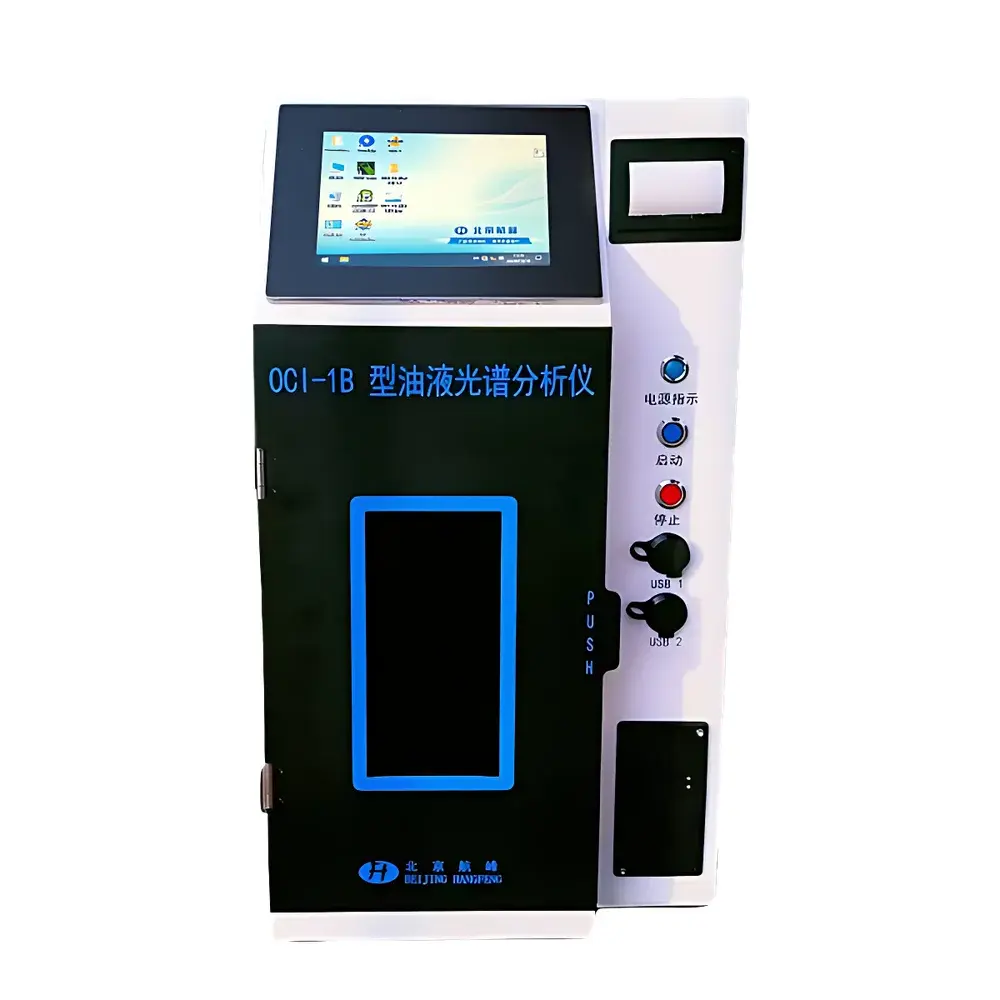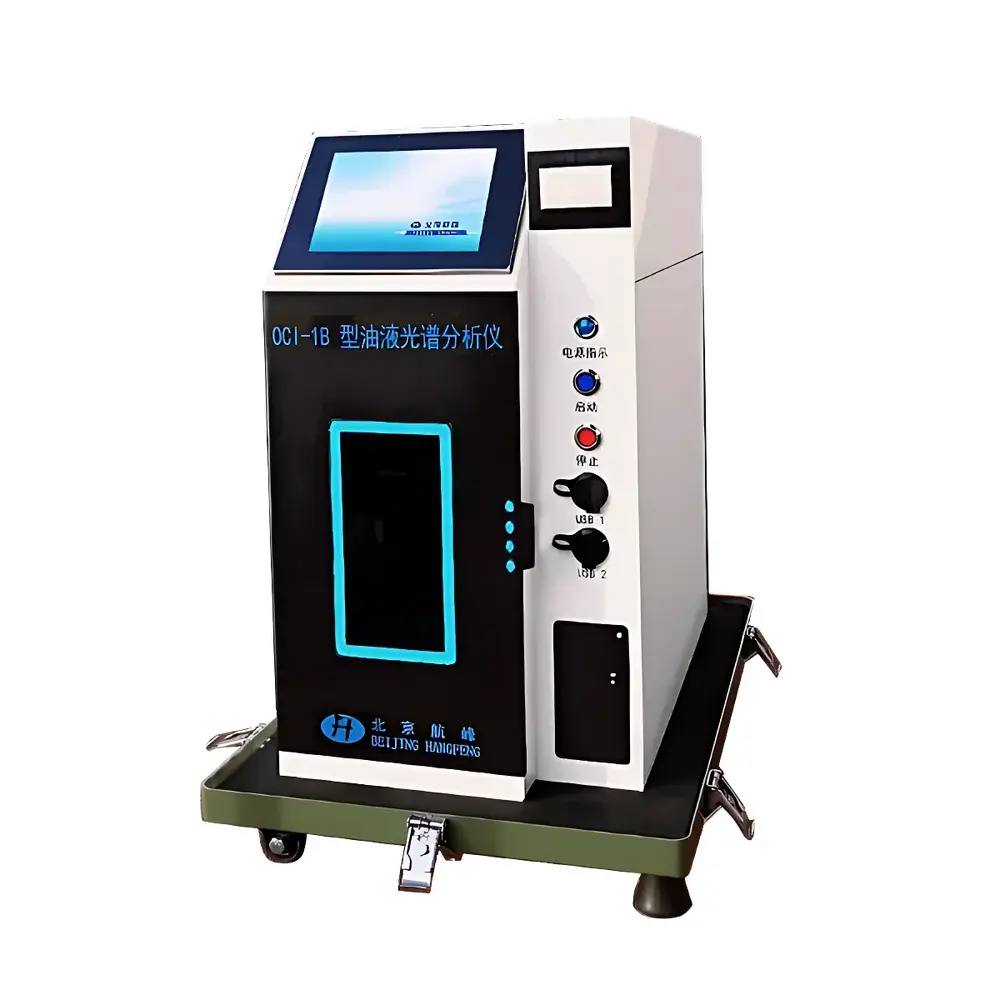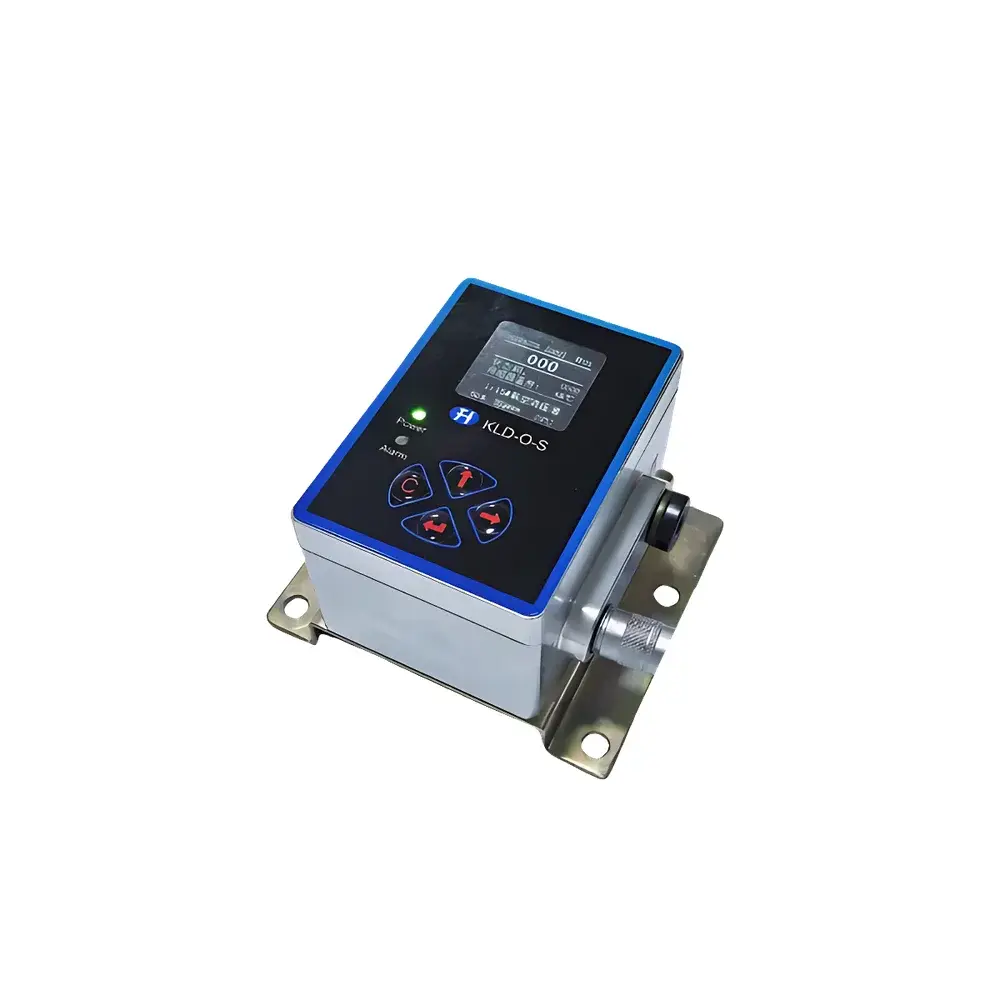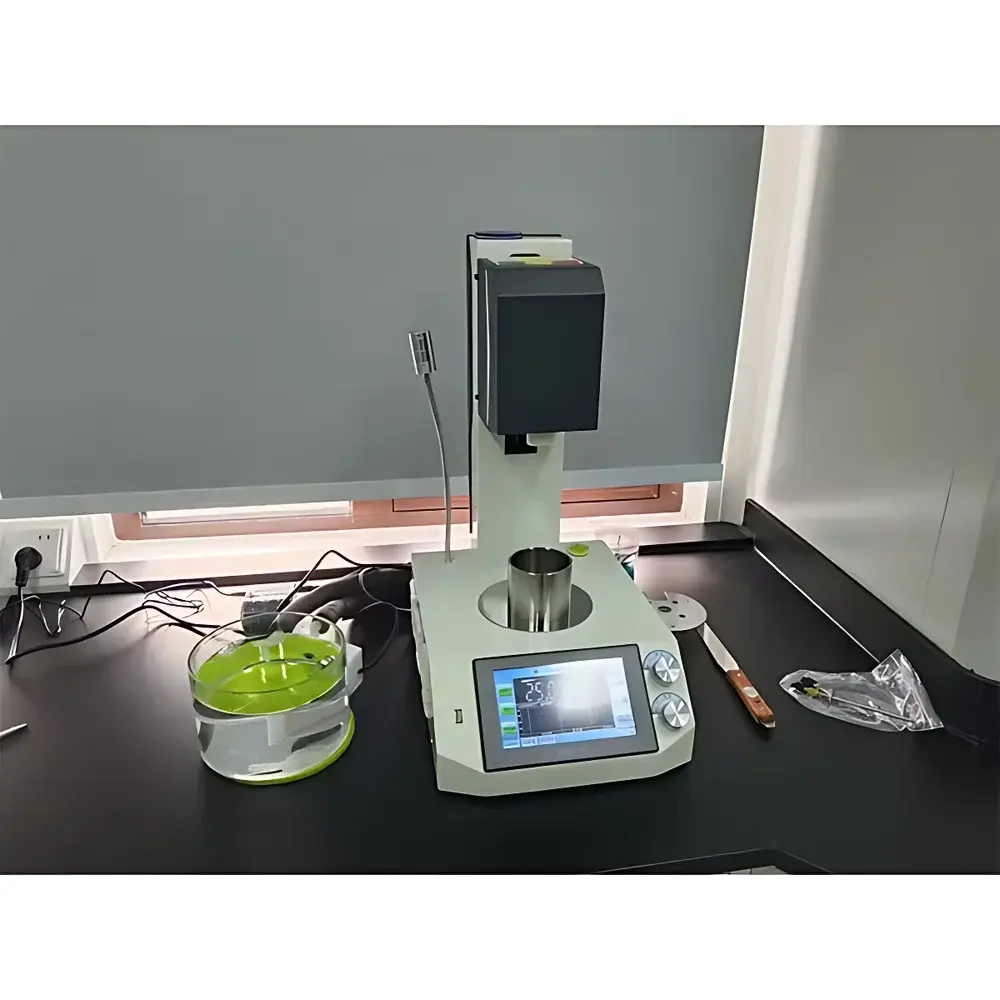
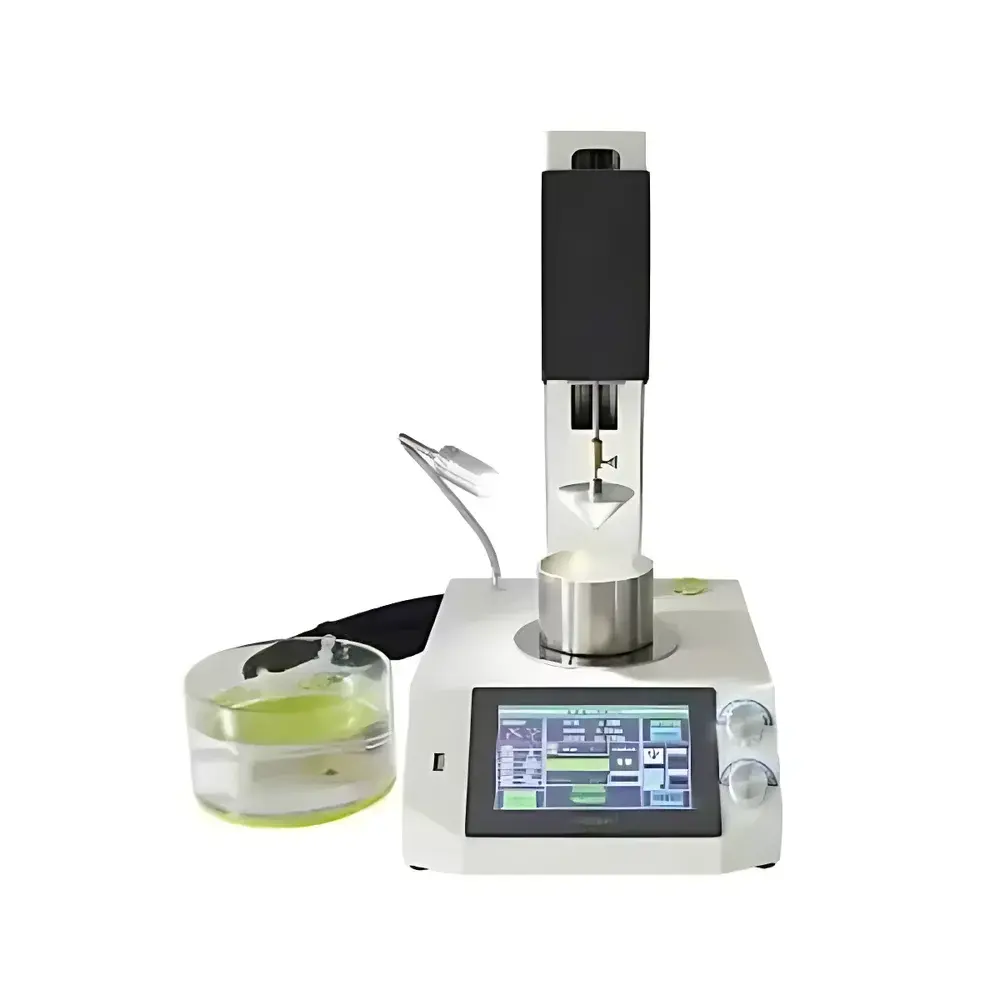
MITONG SYP-154E Fully Automated Breast Prosthesis Penetrometer
| Brand | MITONG (Shanghai Mitong Instrument Co., Ltd.) |
|---|---|
| Origin | Shanghai, China |
| Model | SYP-154E |
| Penetration Range | 0–650 Penetration Units (0.1 mm per unit) |
| Minimum Readout | 0.1 Penetration Unit |
| Resolution | 0.01 mm |
| Penetration Accuracy | ±1 Penetration Unit |
| Temperature Control Range | 0.00–50.00 °C (with ±0.1 °C stability) |
| Timing Accuracy | ±0.1 s (0–250 s programmable) |
| Displacement Sensor | Laser-based, 0–66 mm range, ±0.1 mm repeatability |
| Cone Assembly Mass | 37.5 g ±0.05 g (cone: 22.5 g ±0.025 g |
| rod | 15 g ±0.05 g) |
| Test Fixture | 200 mm diameter solid hemispherical PET support (Shore A hardness: 75–85) |
| Data Storage | 200 test records |
| Communication | RS-485 (MODBUS RTU), USB export |
Overview
The MITONG SYP-154E Fully Automated Breast Prosthesis Penetrometer is a precision-engineered instrument designed exclusively for the quantitative mechanical characterization of silicone-based breast prostheses in accordance with MZ/T 154–2020, the Chinese Civil Affairs Industry Standard for Breast Prostheses. It implements the standardized cone penetration method—defined as the depth (in tenths of a millimeter) to which a calibrated conical indenter penetrates a specimen under gravity at a controlled temperature (25.0 ± 0.1 °C) over a fixed duration (5.0 ± 0.1 s). This measurement directly correlates with material softness, consistency, and viscoelastic recovery behavior—critical parameters for clinical safety, patient comfort, and regulatory conformity. Unlike general-purpose penetrometers, the SYP-154E integrates a purpose-built hemispherical PET support fixture (200 mm diameter, Shore A 75–85), ensuring geometric and boundary-condition fidelity required by MZ/T 154–2020 for Type S (270–330), Type F (320–380), and Type N (90–120) prosthesis classification.
Key Features
- Fully automated gravity-driven penetration cycle: motorized vertical positioning, real-time laser displacement monitoring, and programmable dwell timing (0–250 s, 0.1 s resolution) ensure strict adherence to ISO 23529 Annex C and MZ/T 154–2020 Section 6.2 protocols.
- Integrated Peltier-based thermostatic bath with PID-controlled dual-mode (heating/cooling) regulation, maintaining ±0.1 °C stability across 0.00–50.00 °C—validated against ASTM D5–21 calibration procedures for temperature-sensitive elastomer testing.
- Dedicated cone assembly compliant with MZ/T 154–2020 dimensional and mass specifications: total mass 37.5 g ± 0.05 g (cone: 22.5 g ± 0.025 g; rod: 15.0 g ± 0.05 g); interchangeable cone options (No. 1, No. 2, No. 3) support cross-standard comparability (e.g., ASTM D217, ISO 2137).
- Optical alignment system with cold LED illumination enables precise visual verification of cone tip contact prior to release—eliminating parallax error and ensuring consistent initial contact geometry.
- Modular mechanical architecture: frictionless laser displacement sensor (0–66 mm range, 0.01 mm resolution), stepper-motor-driven lead-screw lift mechanism (±0.02 mm positional repeatability), and quick-release cone mounting facilitate GLP-compliant maintenance and traceable recalibration.
Sample Compatibility & Compliance
The SYP-154E is validated for use with medical-grade silicone elastomer prostheses conforming to GB/T 528 (tensile properties), YY/T 0640 (general requirements for implants), and ISO 14607 (implantable silicone gel-filled breast prostheses). Its hemispherical PET support fixture replicates anatomically relevant boundary constraints, minimizing edge effects during indentation. All operational parameters—including temperature ramp rate, dwell time, and cone mass—are programmable and digitally logged to satisfy audit requirements under ISO/IEC 17025:2017 Clause 7.8 (reporting of uncertainty) and FDA 21 CFR Part 11 (electronic records and signatures) when paired with optional software validation packages. Calibration certificates traceable to NIM (National Institute of Metrology, China) are available upon request.
Software & Data Management
The embedded control system supports local data retention of up to 200 test records with full metadata (date/time, temperature, penetration value, operator ID, sample ID). Results display in both penetration units and equivalent mm-depth on the 7-inch capacitive touchscreen interface. Raw displacement vs. time profiles are exportable via USB flash drive in CSV format for third-party statistical analysis (e.g., JMP, Minitab). The RS-485 MODBUS RTU interface enables integration into centralized LIMS or MES platforms for automated report generation and trend analysis across production batches. Optional PC software provides advanced features including multi-curve overlay, statistical process control (SPC) charting, and automated pass/fail flagging per MZ/T 154–2020 specification limits.
Applications
- Quality control of silicone gel-filled and cohesive gel breast prostheses during final release testing.
- Material development studies assessing batch-to-batch consistency of polymer crosslink density and filler dispersion.
- Stability evaluation of prostheses after accelerated aging (ISO 11607–2), thermal cycling, or saline immersion per ISO 14630.
- Comparative benchmarking against reference materials certified by national metrology institutes.
- Regulatory submission support for NMPA Class III implant dossiers requiring mechanical property documentation per YY/T 0316 and ISO 14971.
FAQ
What standards does the SYP-154E comply with?
It is engineered and verified for MZ/T 154–2020 (China Civil Affairs), with functional compatibility to ASTM D217, ISO 2137, and ISO 23529 Annex C for generalized cone penetration methodology.
Can the instrument be used for non-prosthetic silicone materials?
Yes—provided samples meet dimensional and thermal stability requirements; however, classification thresholds (e.g., S/F/N types) apply only to prostheses tested per MZ/T 154–2020.
Is temperature calibration traceable to national standards?
The integrated Pt100 sensor is factory-calibrated against NIM-traceable references; annual recalibration services include full uncertainty budget reporting per ISO/IEC 17025.
How is mechanical wear of the cone assembly managed?
Cones and rods are manufactured from hardened stainless steel (HV ≥ 550) and supplied with individual mass certification; replacement kits include recalibration verification reports.
Does the system support 21 CFR Part 11 compliance?
Hardware-level audit trail logging is built-in; full Part 11 compliance requires deployment of validated PC software with electronic signature, role-based access, and immutable archive configuration.