
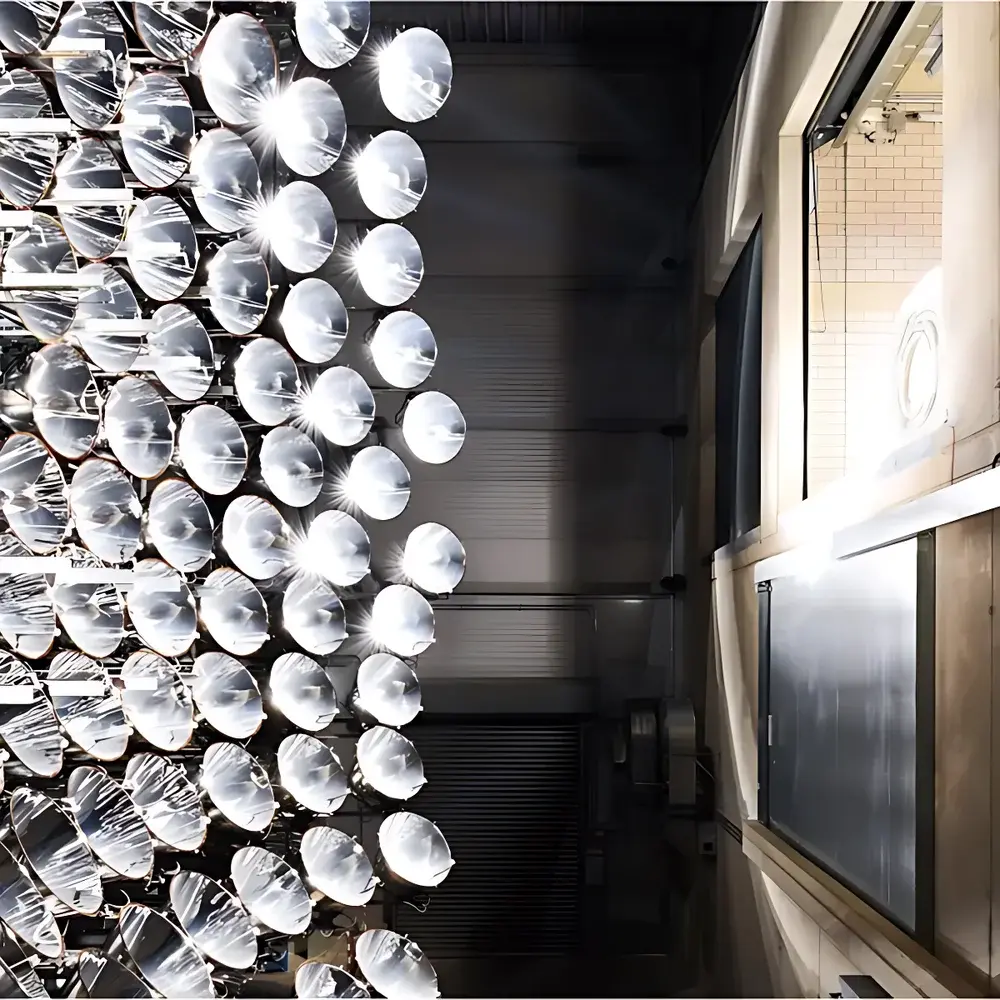
Nmerry HISS-1 High-Irradiance Concentrated Solar Simulator
| Brand | Nmerry |
|---|---|
| Origin | Beijing, China |
| Manufacturer Type | Direct Manufacturer |
| Product Category | Domestic |
| Model | HISS-1 |
| Trigger Mode | Steady-State |
| Light Source | Xenon Arc Lamp or Metal Halide Lamp |
| Adjustable Configuration | Individual lamp power control (single or multi-lamp operation) |
| Effective Illuminated Area | 10 mm – 300 mm diameter (scalable to larger apertures upon customization) |
| Irradiance Range | 10–3000 suns (1 sun = 1000 W/m² AM1.5G equivalent) |
| Primary Application Domain | Concentrated Solar Thermal Research, Solar Thermochemical Processes, High-Temperature Material Testing |
Overview
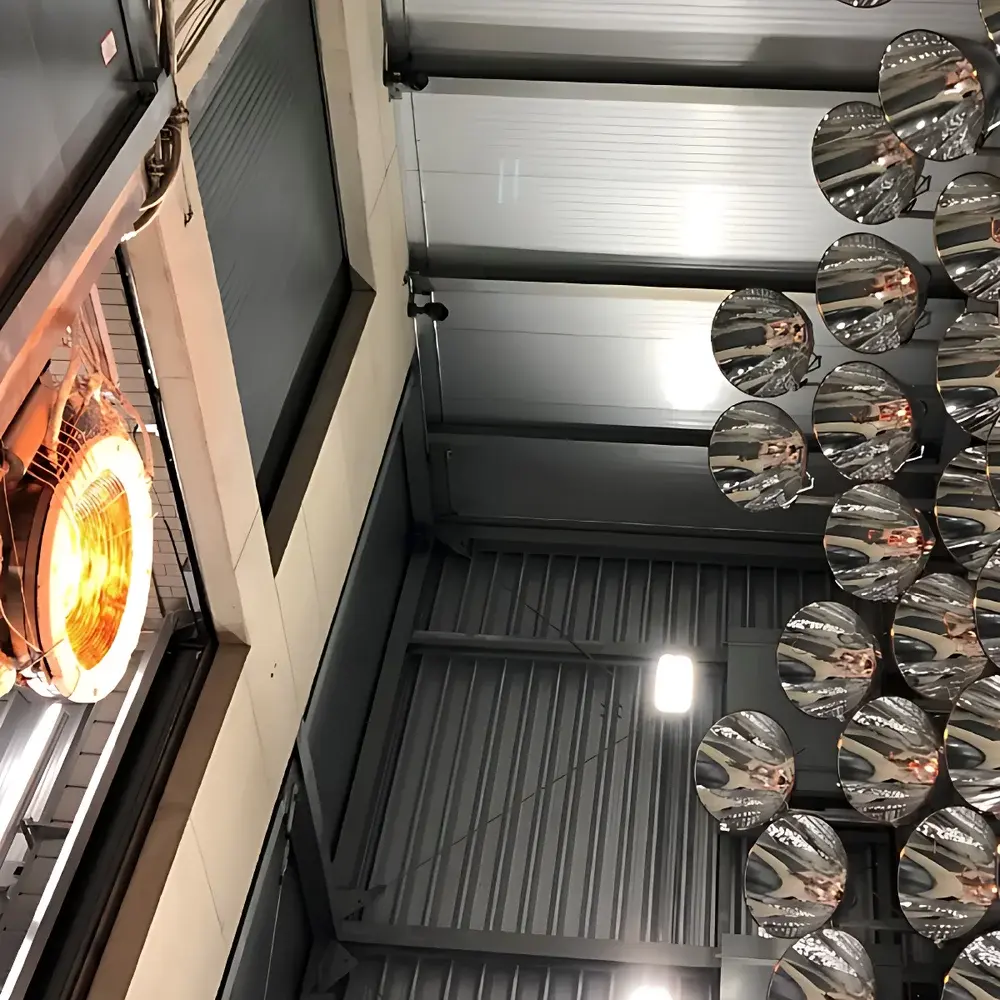
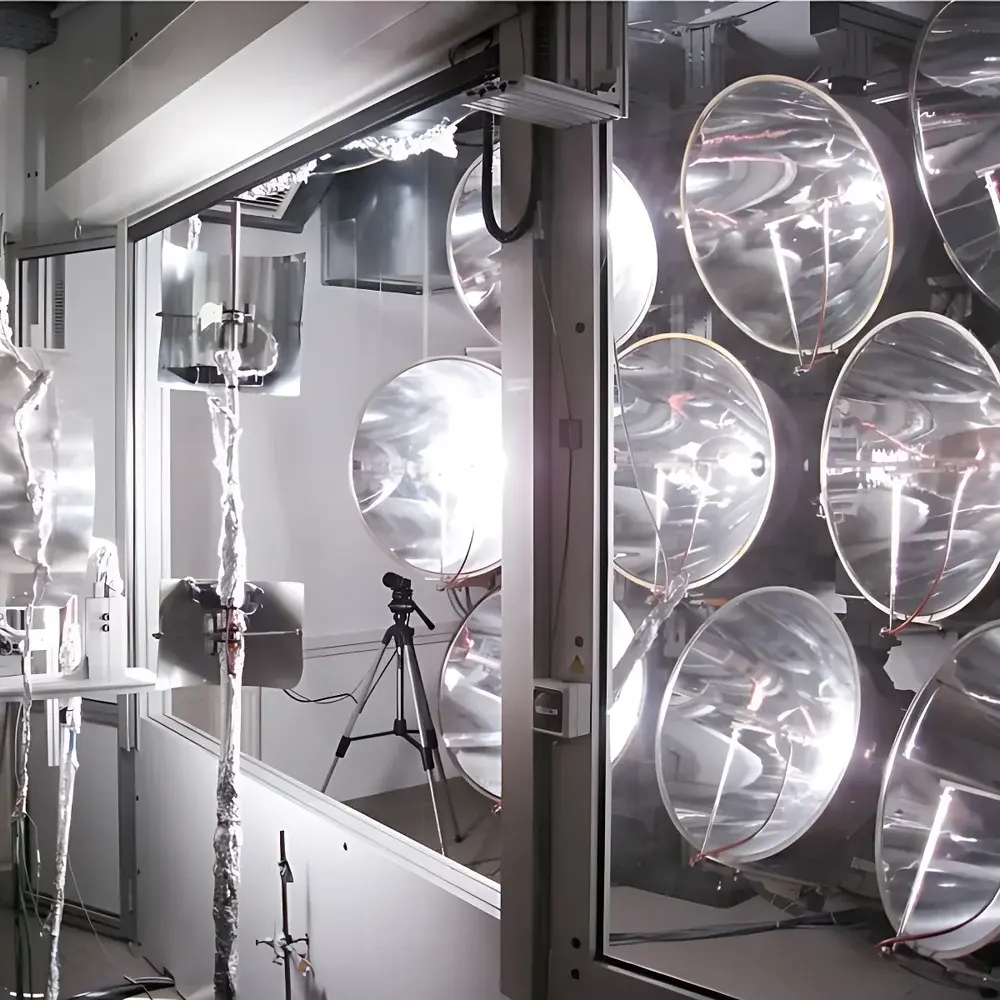
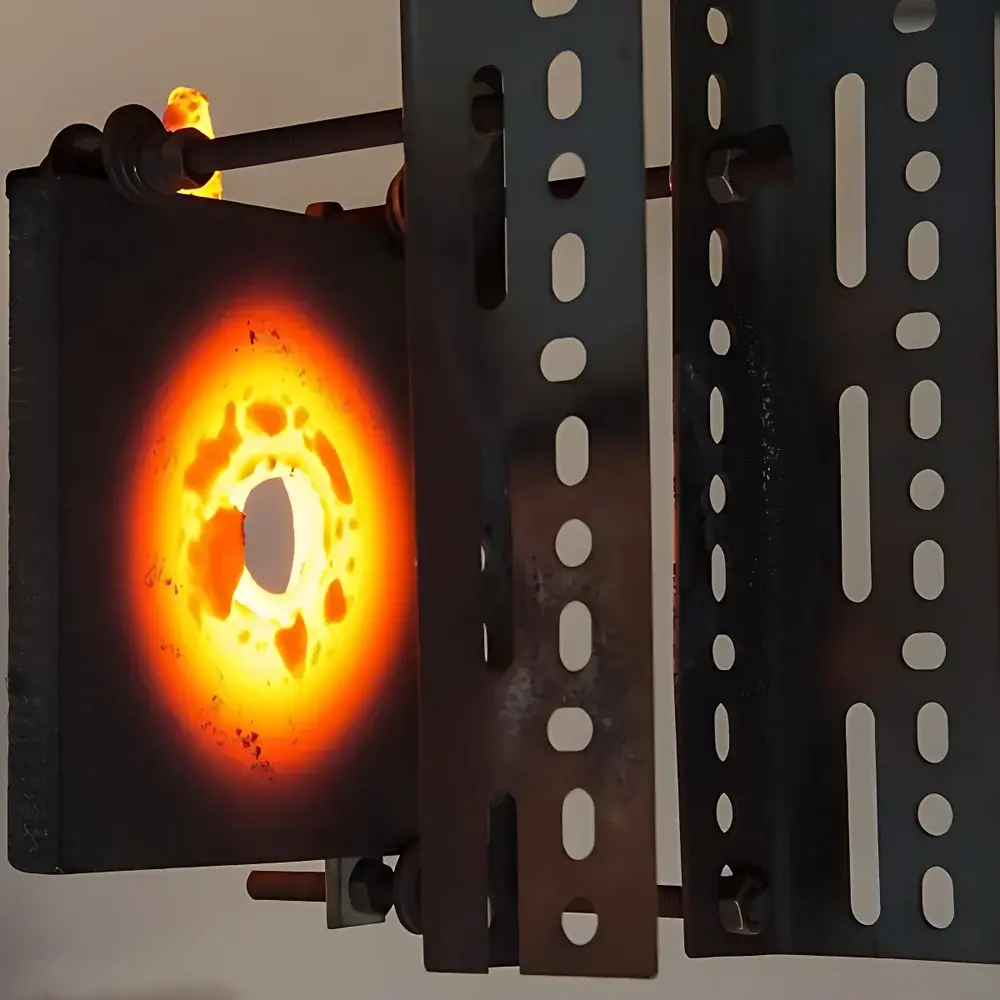
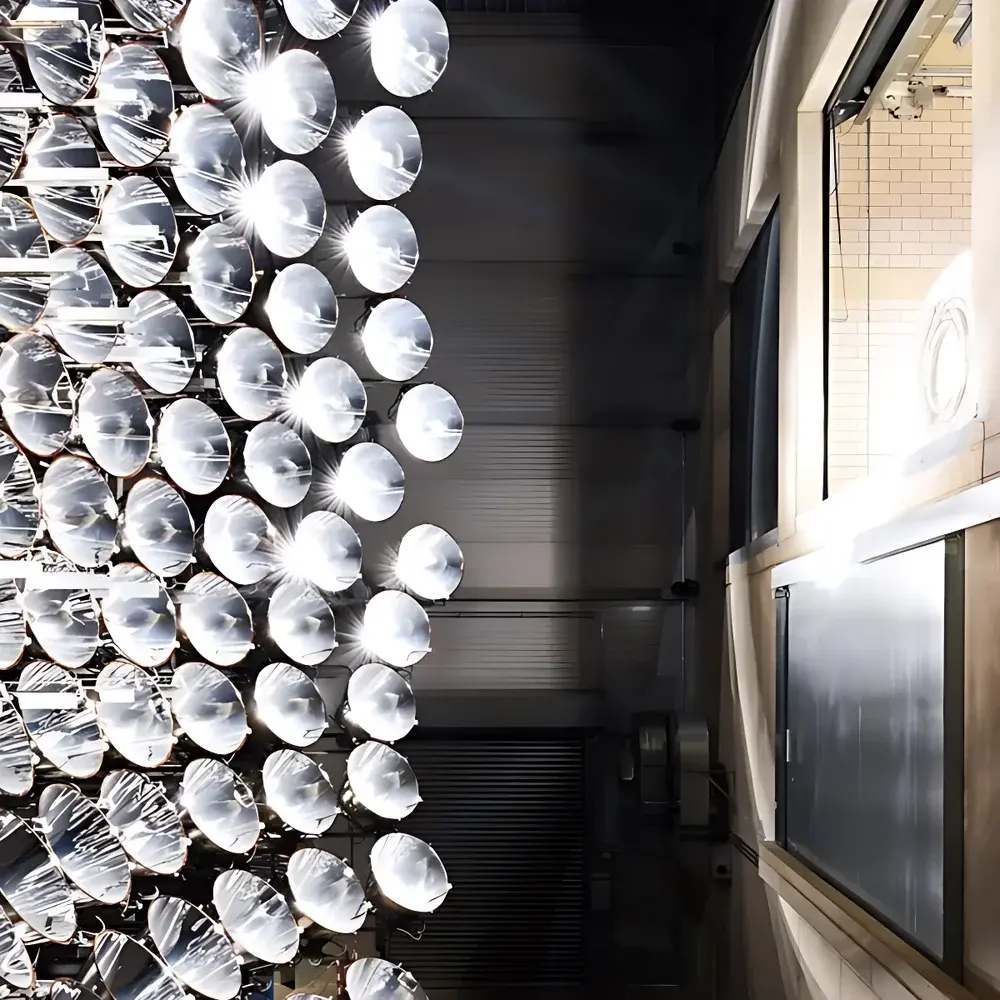
The Nmerry HISS-1 High-Irradiance Concentrated Solar Simulator is an engineered optical test platform designed to replicate the spectral, spatial, and intensity characteristics of highly concentrated solar radiation—specifically for laboratory-scale investigation of solar thermal conversion, thermochemical reaction kinetics, and high-flux material behavior. Unlike standard AM1.5G or AM0 simulators intended for photovoltaic calibration, the HISS-1 operates on the principle of geometric concentration: it employs a precision-engineered reflective or refractive optical train to focus broadband light from high-power arc lamps onto a defined focal plane, achieving irradiance levels ranging from 10 to 3000 suns (i.e., 10–3000 kW/m²). This enables controlled simulation of operational conditions found in central receiver (tower), dish-Stirling, and solar-driven thermochemical reactors—where flux densities exceed 500 kW/m² and peak absorber temperatures surpass 1000 °C. The system is optimized for steady-state irradiation, ensuring thermal equilibrium during extended-duration experiments under reproducible radiative loading.
Key Features
- Steady-state operation with continuous output stability (<±2% irradiance drift over 4 hours at rated power)
- Modular lamp architecture: supports single or multiple xenon or metal halide arc lamps, each independently controllable for precise irradiance tuning
- Adjustable focal plane geometry: configurable spot diameter from 10 mm to 300 mm; scalable design accommodates custom aperture sizes for large-area testing
- Optimized spectral match: broadband output covering 280–2500 nm, closely approximating the extraterrestrial solar spectrum (AM0) and terrestrial direct-normal irradiance (DNI) profiles relevant to concentrating systems
- Integrated thermal management: forced-air or optional liquid-cooled lamp housings and optical mounts to maintain dimensional stability and minimize thermal lensing effects
- Rugged mechanical frame with motorized alignment stages and calibrated positioning actuators for repeatable focal plane mapping and flux profiling
Sample Compatibility & Compliance
The HISS-1 is compatible with a wide range of high-temperature sample geometries—including flat receivers, cavity absorbers, porous volumetric media, and catalytic monoliths—commonly used in solar thermal receiver development and solar fuel synthesis research. Its open-beam configuration allows integration with external instrumentation such as infrared pyrometers, high-speed thermography systems, and in-situ gas analyzers. From a regulatory standpoint, the system adheres to fundamental safety standards including IEC 62790 (solar simulator safety requirements) and ISO 9001-compliant manufacturing practices. While not certified for GLP or GMP environments per se, its stable output and traceable calibration protocol support compliance with ASTM E927-21 (Standard Specification for Solar Simulation for Terrestrial Photovoltaic Testing) and ISO 8980-3 (spectral irradiance measurement) when configured for reference-grade measurements. For thermochemical applications, the system supports experimental protocols aligned with DOE SunShot Initiative benchmarks and EU SOLAR-JET project validation frameworks.
Software & Data Management
The HISS-1 integrates with Nmerry’s proprietary control suite, enabling real-time monitoring and closed-loop regulation of lamp current, cooling flow rates, and positional feedback from alignment encoders. All operational parameters—including irradiance setpoints, exposure duration, lamp aging counters, and thermal sensor logs—are timestamped and exportable in CSV or HDF5 format. Audit trails are maintained for all parameter modifications, satisfying basic traceability requirements under ISO/IEC 17025 and supporting documentation for internal quality reviews. Optional integration with LabVIEW or Python-based automation frameworks permits synchronization with external data acquisition systems (e.g., mass spectrometers, FTIR spectrometers) for time-resolved reaction monitoring. Calibration certificates—traceable to NIM (National Institute of Metrology, China) standards—are provided with each unit and include spectral irradiance maps, spatial uniformity profiles (per ISO 9845-1), and temporal stability reports.
Applications
- Solar thermochemical hydrogen production via two-step metal oxide redox cycles (e.g., ZnO/Zn, CeO₂/CeO₂₋δ) requiring peak flux >2000 suns and absorber temperatures up to 2000 °C
- CO₂ splitting and co-reduction with H₂O for syngas generation under concentrated solar irradiation
- Performance evaluation of volumetric solar receivers, ceramic foam absorbers, and particle-based heat transfer media
- High-flux accelerated aging tests for optical coatings, mirror substrates, and high-temperature sealants used in CSP plants
- Thermal stress and ablation studies on aerospace-grade composites and refractory ceramics
- Calibration and validation of radiometric sensors deployed in solar tower field instrumentation
FAQ
What is the maximum achievable irradiance density at the focal plane?
The HISS-1 achieves up to 3000 suns (3 MW/m²) with appropriate lamp selection and optical configuration; actual flux depends on spot size, lamp type, and cooling efficiency.
Can the system be upgraded to support pulsed irradiation modes?
No—the HISS-1 is designed exclusively for steady-state operation. Pulsed configurations require dedicated flashlamp-based architectures and are not supported by this platform.
Is spectral filtering available for selective wavelength irradiation?
Yes—optional bandpass, longpass, or dichroic filters can be inserted into the beam path to isolate UV, visible, or NIR bands, subject to thermal load limits and optical damage thresholds.
Does the system include radiometric calibration documentation?
Yes—each unit ships with a full calibration report including spatial uniformity maps, spectral irradiance curves, and temporal stability data measured using NIST-traceable reference detectors.
What maintenance intervals are recommended for lamp and optics?
Xenon lamps require replacement every 500–1000 operating hours depending on power level; reflective optics should be inspected quarterly and recoated annually under continuous high-flux operation.




