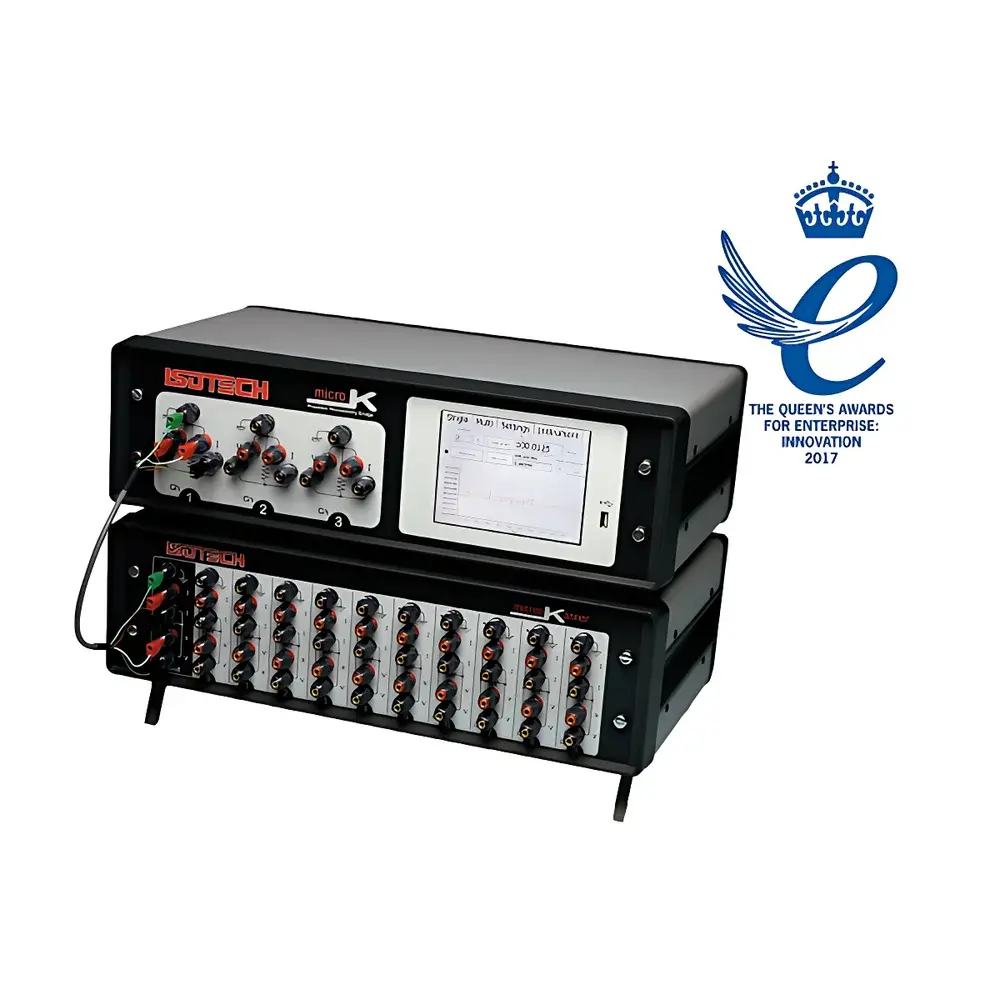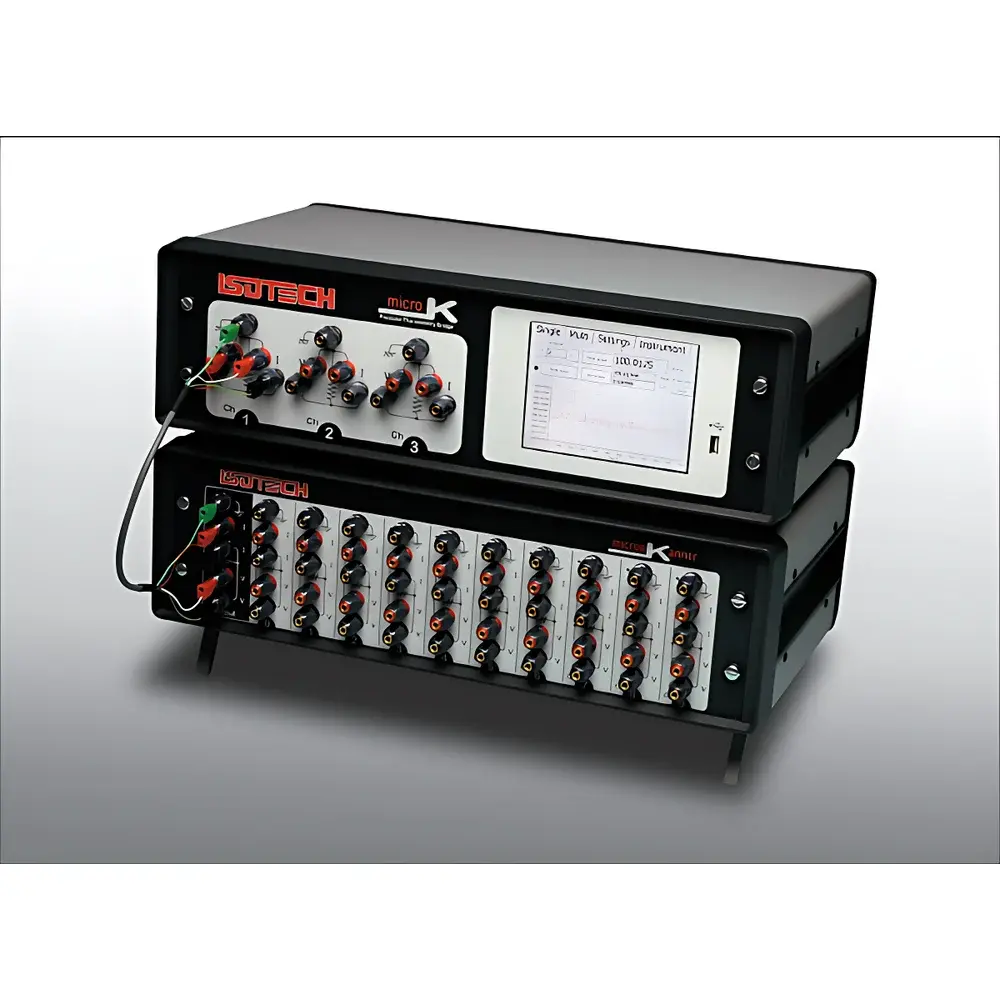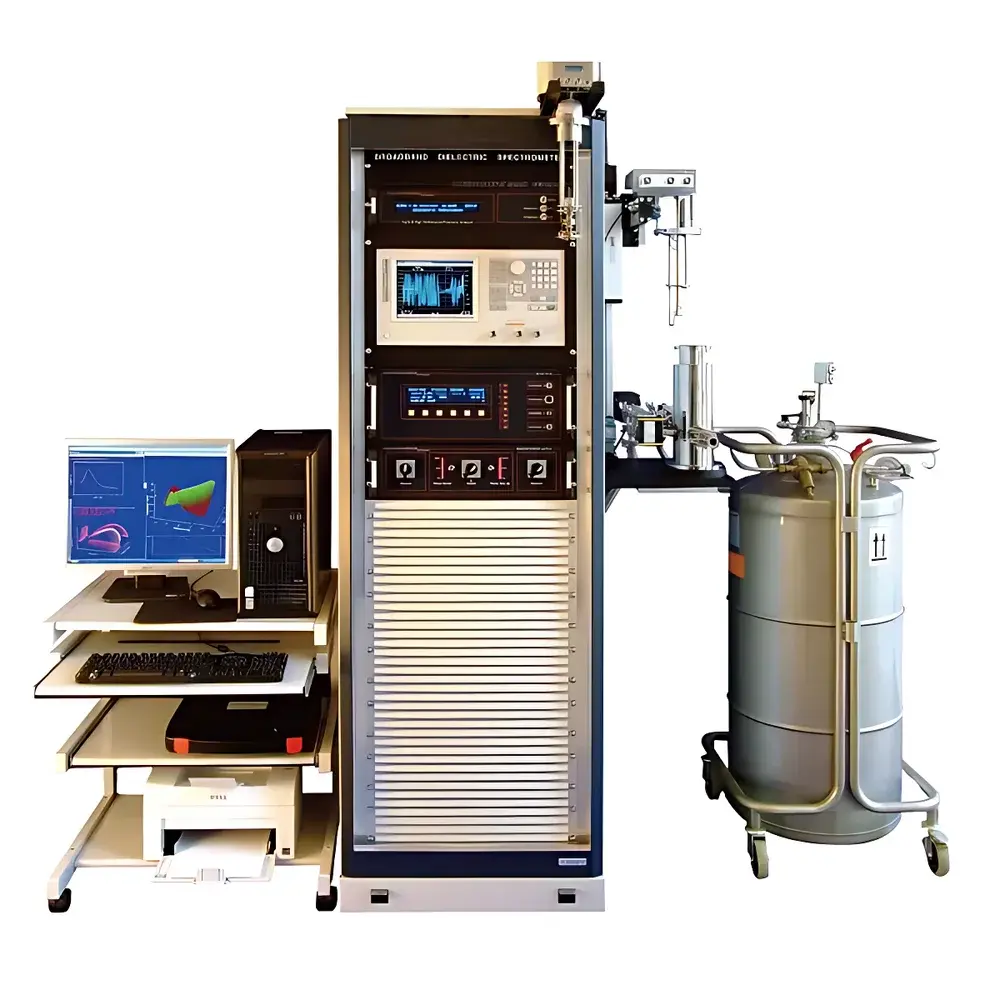
Novocontrol MKW4200 Wideband Dielectric Impedance Spectrometer with High-Temperature & High-Pressure Capability
| Brand | Novocontrol Technologies |
|---|---|
| Origin | Germany |
| Model | MKW4200 |
| Frequency Range | 3 µHz – 40 MHz (up to 3 GHz with Keysight E4991B) |
| Temperature Range | −160 °C to +1600 °C |
| Impedance Range | 10 mΩ to 100 TΩ |
| AC Voltage Range | 10⁻⁶ V to 3 V |
| DC Bias Voltage | ±40 V |
| Sample Compatibility | Solids, thin films, liquids, powders, pastes |
| Compliance | ASTM D150, ISO 257-3, IEC 60250, USP <1058>, FDA 21 CFR Part 11 (software audit trail enabled) |
Overview
The Novocontrol MKW4200 Wideband Dielectric Impedance Spectrometer is a modular, research-grade instrumentation platform engineered for precision broadband dielectric spectroscopy (BDS) and complex impedance analysis under controlled thermal, mechanical, and environmental conditions. Operating on the fundamental principle of small-signal AC impedance measurement via frequency-domain response analysis, the system enables quantitative characterization of dielectric relaxation, ionic conduction, interfacial polarization, and charge transport mechanisms in heterogeneous materials. Its core architecture integrates a high-stability low-frequency bridge (3 µHz–40 MHz), optional RF extension modules (e.g., Keysight E4991B for 1 MHz–3 GHz), and synchronized multi-channel temperature/pressure control—making it uniquely suited for dynamic structure–property correlation studies across phase transitions, glass formation, crystallization kinetics, and electrochemical interface evolution. Designed for reproducible measurements in both academic laboratories and regulated industrial R&D environments, the MKW4200 meets the metrological rigor required for peer-reviewed publication and GLP/GMP-aligned process validation.
Key Features
- Ultra-broad frequency coverage: 3 µHz to 40 MHz standard; extendable to 3 GHz using calibrated RF impedance analyzers with automatic calibration transfer protocols.
- Wide dynamic impedance range: 10 mΩ to 100 TΩ, enabling simultaneous resolution of bulk conduction, grain boundary effects, and electrode polarization in multilayer ceramics or polymer electrolytes.
- Multi-range AC excitation: Programmable test signal amplitude from 1 µV to 3 V RMS, with automatic level control to prevent nonlinear distortion in lossy or highly capacitive samples.
- Integrated DC bias capability: ±40 V programmable offset for investigating field-dependent permittivity, ion migration thresholds, and space-charge-limited conduction.
- Modular thermal management: Three interchangeable cryo- and高温 stages—including liquid nitrogen-cooled cryostats (−160 °C), Peltier-based controllers (−40 °C to +200 °C), and high-temperature furnaces (up to +1600 °C with SiC heating elements and optical pyrometry).
- High-pressure compatibility: Optional autoclave cells rated up to 200 MPa, equipped with quartz viewports and feedthroughs for in situ impedance monitoring during hydrothermal synthesis or geophysical simulation.
Sample Compatibility & Compliance
The MKW4200 supports standardized geometries for solid discs, pellets, thin films (with interdigitated or parallel-plate electrodes), liquids (in sealed coaxial cells), slurries, and compressed powders. All sample holders comply with ASTM D150 (dielectric constant and dissipation factor), ISO 257-3 (measurement methods for insulating materials), and IEC 60250 (determination of relative permittivity and dielectric loss). Software-controlled data acquisition enforces electronic signatures, time-stamped audit trails, and version-controlled method templates—fully compliant with FDA 21 CFR Part 11 for regulated pharmaceutical and medical device development. System validation documentation (IQ/OQ/PQ protocols) and traceable calibration certificates (NIST-traceable reference standards) are available upon request.
Software & Data Management
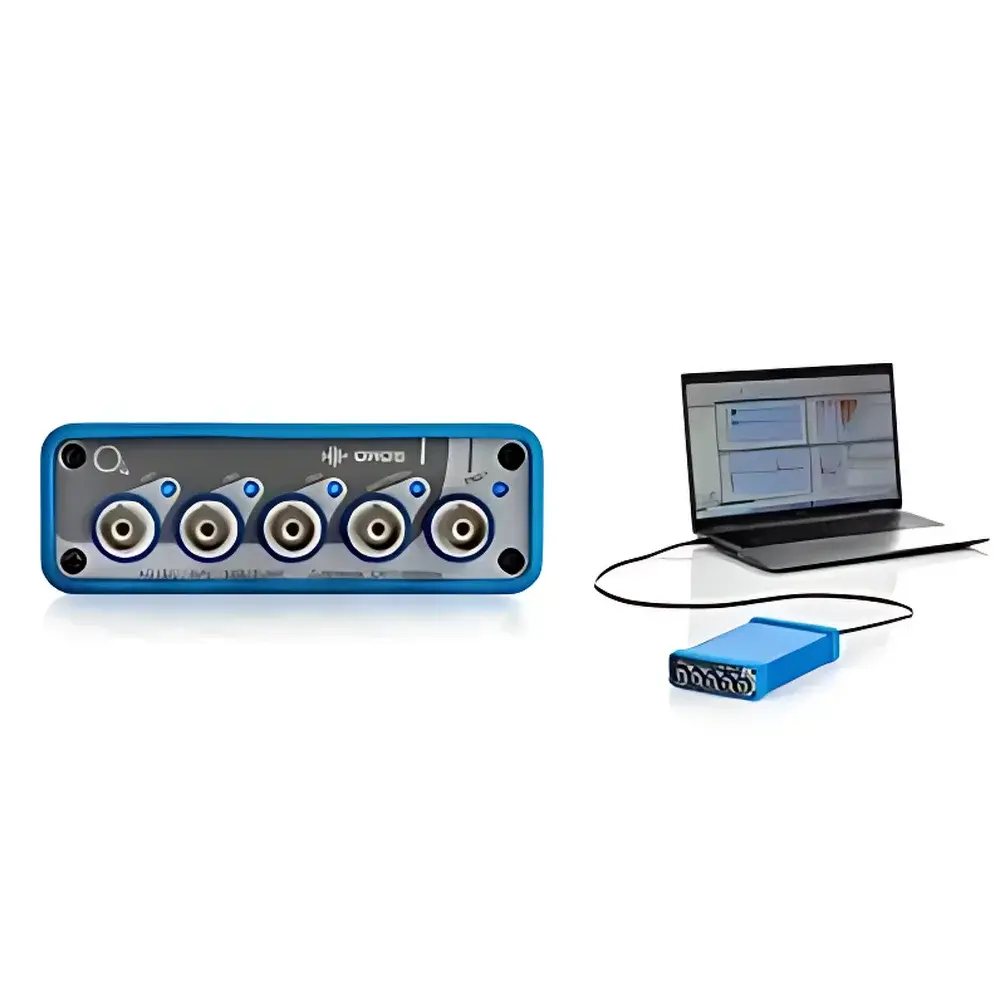
The proprietary NOVOCONTROL WinDETA software provides real-time, multi-parameter acquisition and model-based fitting of complex permittivity (ε* = ε′ − jε″), conductivity (σ*), modulus (M*), and admittance spectra. Up to 32 independent measurement channels can be configured simultaneously—including temperature ramps, isothermal sweeps, stepwise bias sequences, and time-resolved aging protocols. Data export supports HDF5, ASCII, and MATLAB-compatible formats; integrated scripting (Python API) enables custom automation, machine learning preprocessing pipelines, and integration into LIMS or ELN platforms. All raw datasets retain full metadata: instrument configuration, environmental logs, operator ID, and calibration history—ensuring full traceability per GLP and ISO/IEC 17025 requirements.
Applications
The MKW4200 serves as a primary analytical tool in advanced materials development, including: ion-conducting solid electrolytes for all-solid-state batteries; ferroelectric and relaxor ceramics for tunable microwave devices; polymer dielectrics for high-voltage capacitors; biomaterials (e.g., hydrogels, tissue scaffolds) under physiological hydration; geological minerals under mantle-relevant P–T conditions; and semiconductor gate dielectrics subjected to bias-temperature stress. Its ability to resolve multiple overlapping relaxation processes—via Havriliak–Negami, Cole–Cole, or distribution-of-relaxation-times (DRT) modeling—supports mechanistic interpretation beyond empirical curve-fitting.
FAQ
What is the lowest measurable conductivity achievable with the MKW4200?
The system achieves conductivity resolution down to ~10⁻¹⁵ S/cm for low-loss polymers and glasses when combined with guarded electrode configurations and extended averaging at sub-mHz frequencies.
Can the MKW4200 perform simultaneous impedance and thermal analysis (e.g., DSC-coupled measurements)?
While not a hybrid DSC instrument, its precise temperature ramping (±0.1 K accuracy) and real-time impedance acquisition enable direct correlation of dielectric anomalies with calorimetric transitions reported by external DSC systems via synchronized trigger signals.
Is third-party RF analyzer integration limited to Keysight models?
No—though Keysight E4991B/E4990A are pre-characterized and supported, the system’s GPIB/LAN interface allows integration with Rohde & Schwarz ZVA/ZNB series or Anritsu MS46522B via SCPI command mapping and frequency-response correction algorithms.
How is electrode polarization minimized during low-frequency liquid measurements?
Through automated electrode correction routines (based on transmission line modeling), use of Pt-black or Au-sputtered electrodes, and application of Kramers–Kronig consistency checks on raw ε*(f) data prior to further analysis.
Does the system support automated long-term aging studies?
Yes—scheduled measurement sequences (e.g., 72-hour isothermal holds with hourly impedance snapshots) are fully scriptable, with automatic file naming, disk space monitoring, and email alerts triggered by hardware faults or deviation thresholds.