
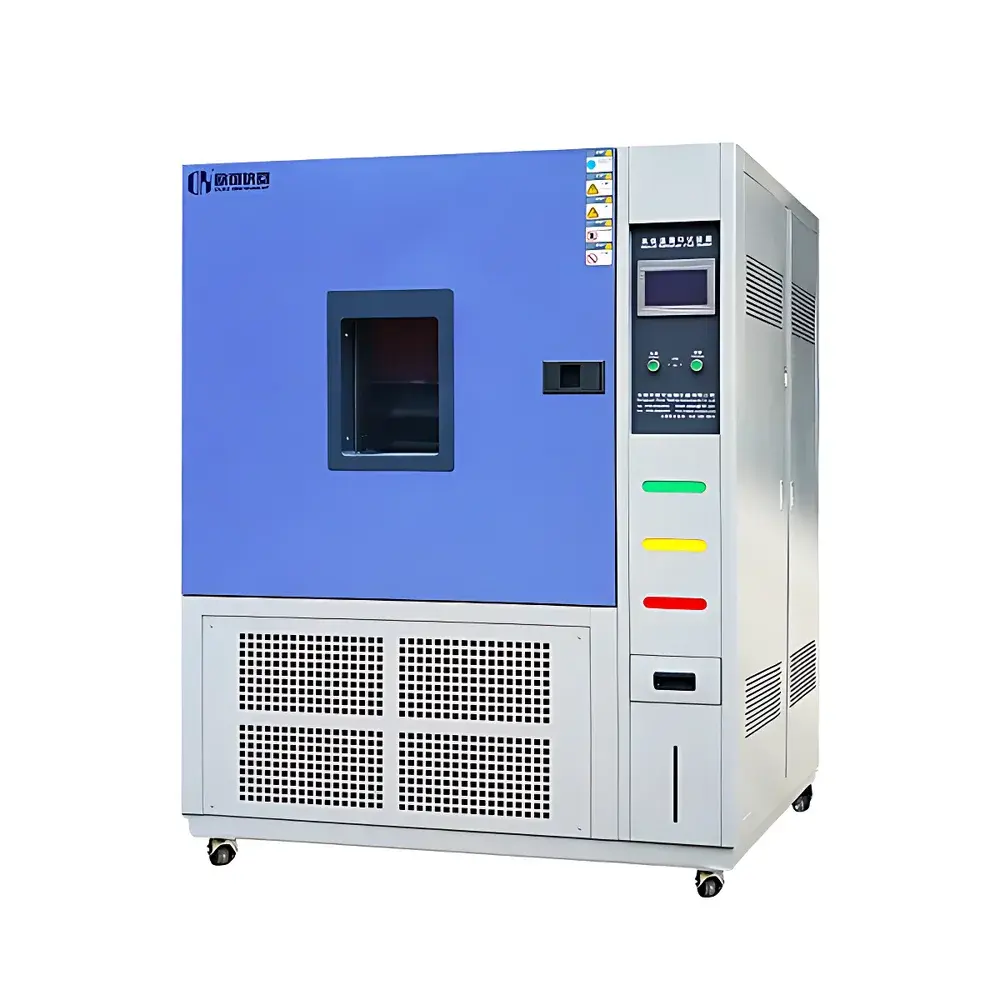
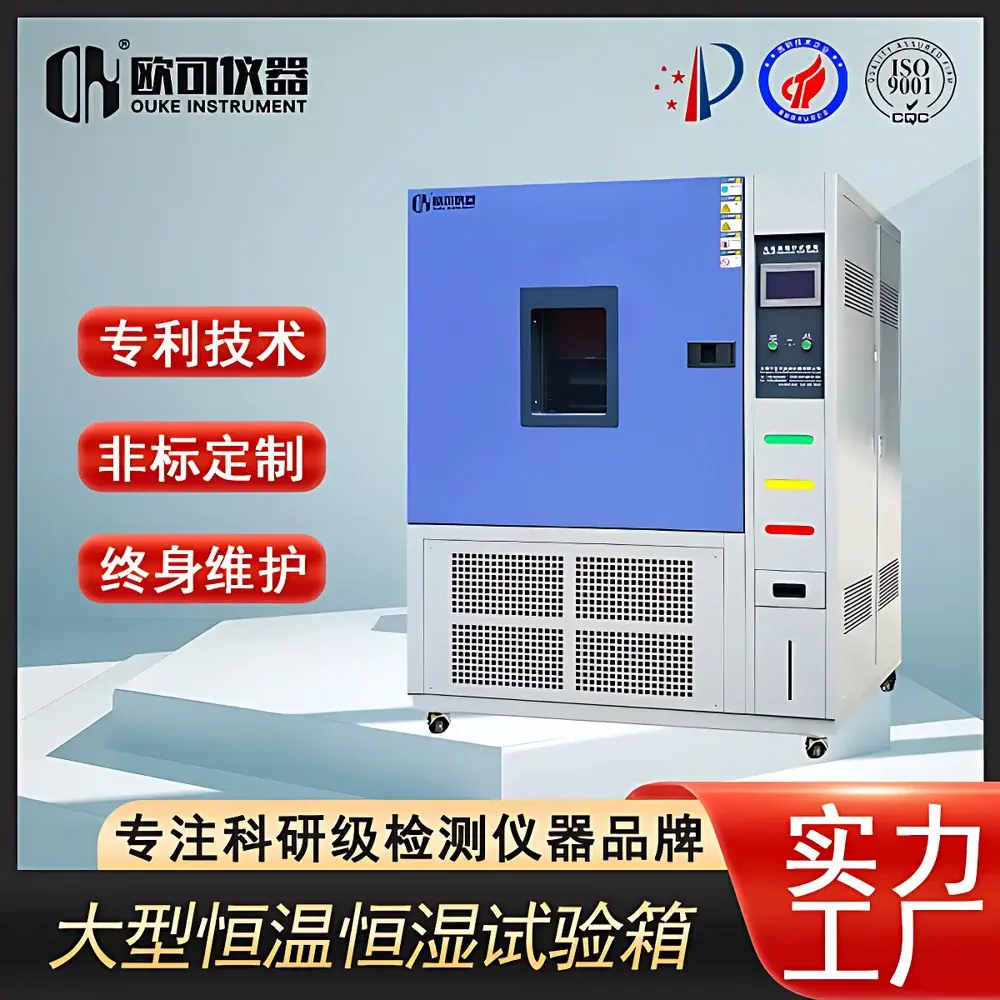
OKO Instruments OK-TH-408.1 Temperature and Humidity Controlled Environmental Test Chamber
| Brand | OKO Instruments |
|---|---|
| Origin | Guangdong, China |
| Manufacturer Type | Direct Manufacturer |
| Product Category | Domestic |
| Model | OK-TH-408.1 |
| Instrument Type | Benchtop |
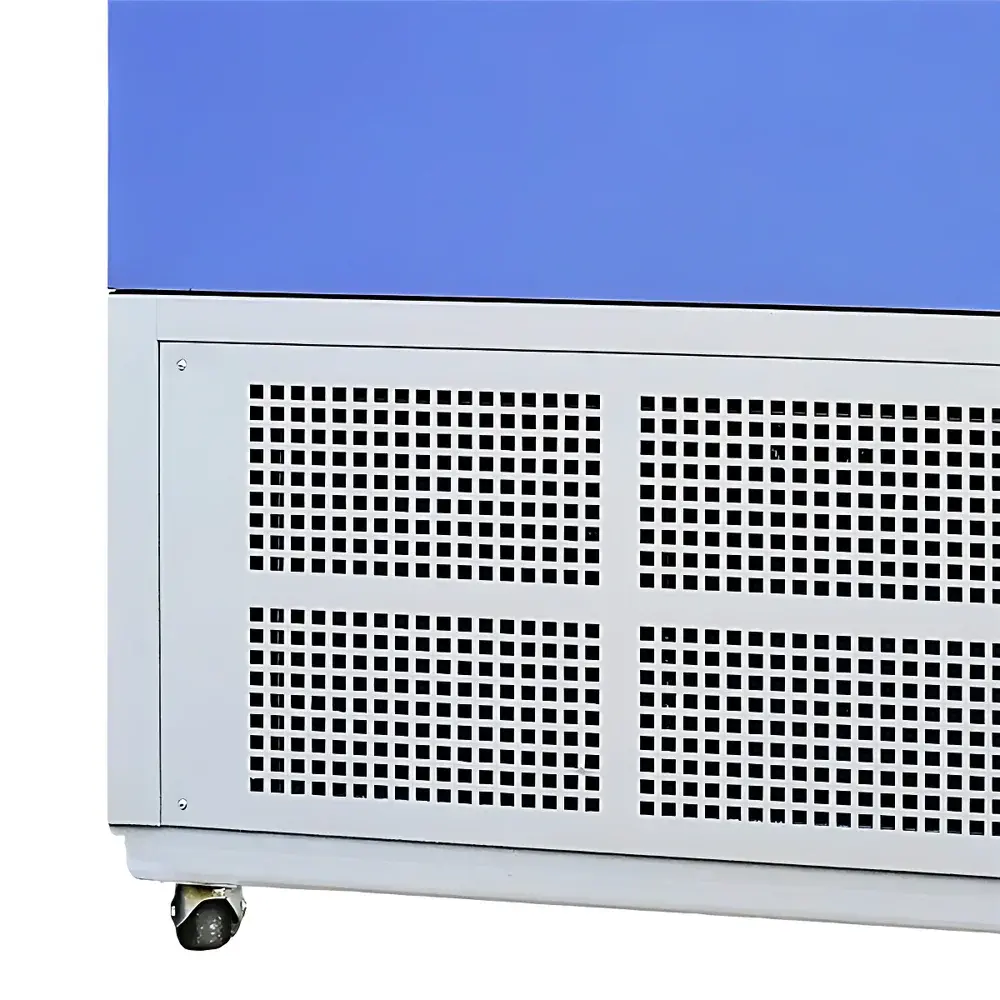
| Condensation Method | Air-Cooled |
| Temperature Range | −40 °C to +150 °C |
| Humidity Range | 20–98 % RH |
| Temperature Uniformity | ≤2 °C |
| Temperature Fluctuation | ±1 °C (high temp), ±2 °C (low temp) |
| Humidity Uniformity | ≤5 % RH |
| Humidity Fluctuation | ±3 % RH |
| Heating Rate | 1.0–3.0 °C/min |
| Internal Chamber Dimensions | 600 × 850 × 800 mm (W × H × D) |
Overview
The OKO Instruments OK-TH-408.1 is a benchtop temperature and humidity controlled environmental test chamber engineered for precision stability, repeatable conditioning, and safe operational integrity under powered conditions. It operates on the principle of active thermodynamic control—employing independent PID-regulated heating, refrigeration, humidification (via electrically driven steam or ultrasonic generation), and dehumidification (via direct-expansion refrigeration or optional desiccant rotor)—to maintain programmable setpoints across its full operational envelope. Designed for laboratory-scale validation, quality assurance protocols, and pre-shipment functional verification, the chamber supports both static and dynamic environmental stress testing in accordance with international standards including IEC 60068-2, GB/T 2423.1–2423.3, and ISO 16750-4. Its air-cooled condensing system ensures stable thermal management without external water supply dependency, while its rigid insulated stainless-steel interior minimizes thermal bridging and moisture retention.
Key Features
- Benchtop form factor with compact footprint (600 × 850 × 800 mm internal volume), optimized for space-constrained laboratories and QC environments.
- Wide operational range: −40 °C to +150 °C temperature; 20–98 % RH humidity—enabling low-temperature dry storage, high-humidity aging, and combined thermal-hygric cycling.
- Independent dual-loop PID control architecture ensures decoupled regulation of temperature and humidity, minimizing cross-interference during ramp-and-soak profiles.
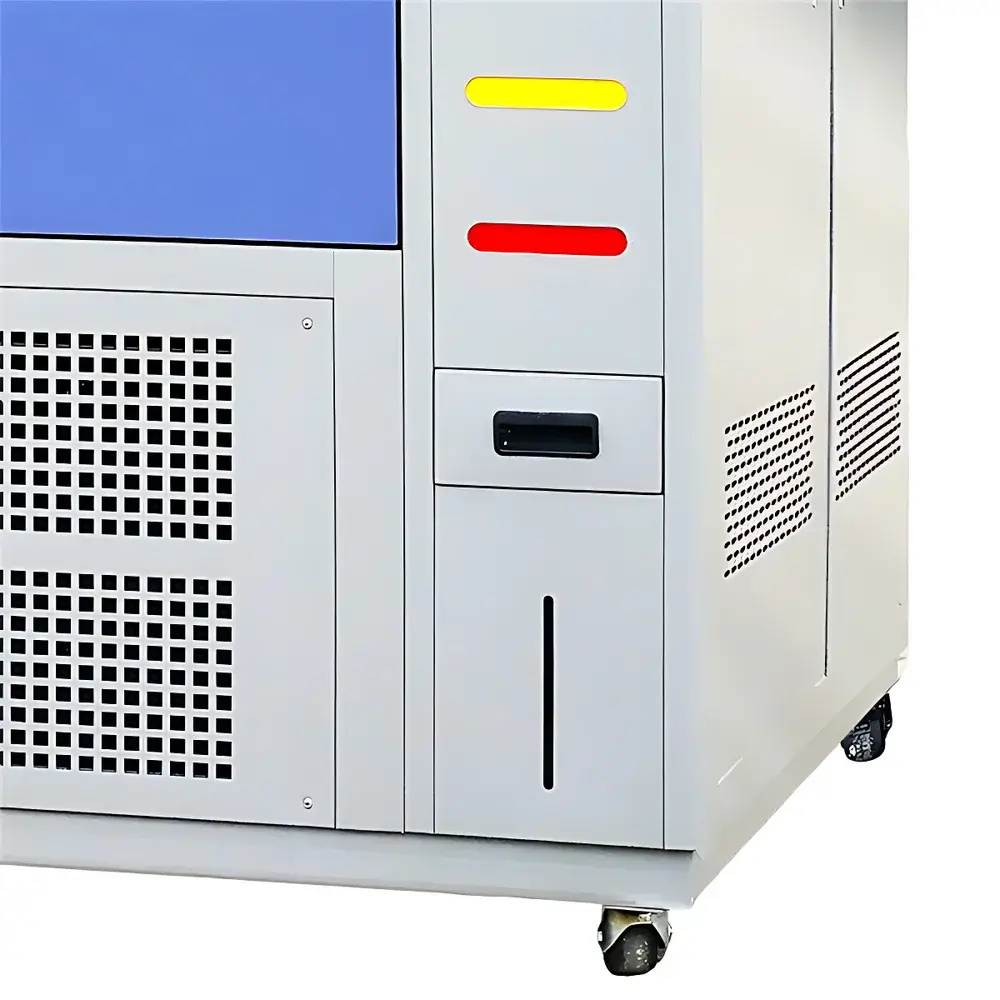
- Air-cooled refrigeration system eliminates need for chilled water infrastructure—reducing installation complexity and maintenance overhead.
- Integrated safety subsystems: Class I grounding compliance (≤4 Ω earth resistance), insulation resistance ≥2 MΩ, leakage current monitoring (<3.5 mA), overcurrent/overtemperature cut-off, and door interlock with emergency stop circuitry.
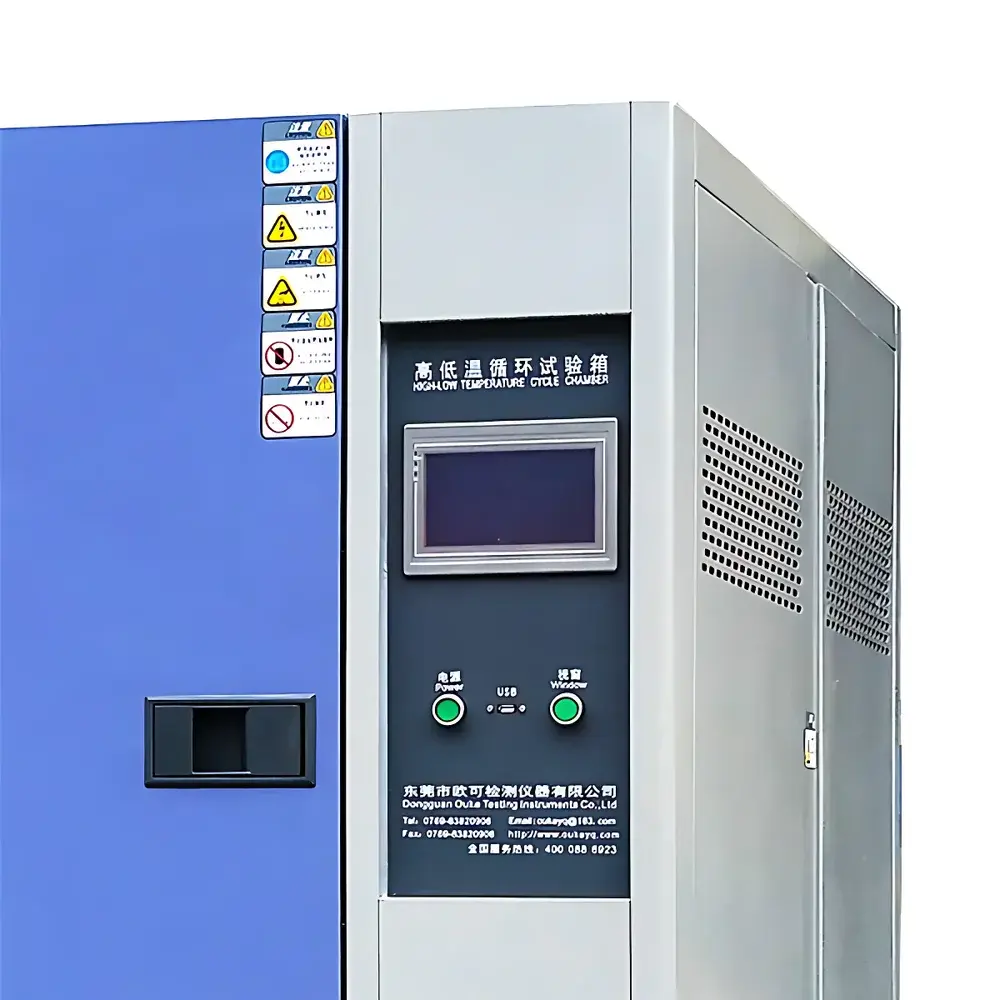
- Real-time operational diagnostics via backlit touch interface, including fault logging, runtime statistics, and event-triggered alarm history with timestamped entries.
Sample Compatibility & Compliance
The OK-TH-408.1 accommodates non-corrosive, non-explosive, and electrically inert test specimens—including electronic assemblies, polymer components, pharmaceutical packaging, and calibration reference materials—within its stainless-steel chamber. All internal surfaces are electropolished and passivated to resist oxidation and microbial adhesion. The chamber complies with electromagnetic compatibility (EMC) requirements per EN 61326-1 and meets electrical safety standards under GB 4793.1 and IEC 61010-1. For regulated industries, it supports audit-ready operation: data integrity is preserved through write-protected internal memory with time-stamped records, and optional USB export enables traceable reporting aligned with GLP/GMP documentation workflows. While not inherently 21 CFR Part 11 compliant, its firmware architecture permits integration with validated third-party data acquisition systems meeting FDA regulatory expectations.
Software & Data Management
The embedded controller provides intuitive profile programming with up to 100 user-defined cycles, each supporting up to 99 segments (ramp, soak, step). Real-time monitoring includes simultaneous display of chamber setpoint, measured value, deviation, and status flags for heater, compressor, humidifier, and fan. Data logging occurs at configurable intervals (1 s to 60 min) with onboard storage capacity for ≥30 days of continuous operation. Export is supported via USB 2.0 interface—generating CSV-formatted files compatible with Excel, MATLAB, and LIMS platforms. Optional PC-based software (OKO-EnviroLink) adds remote supervision, multi-chamber synchronization, statistical process control (SPC) charting, and automated report generation per ISO/IEC 17025 requirements.
Applications
- Pre-shipment functional verification of environmental chambers prior to customer delivery.
- On-site commissioning and performance qualification (IQ/OQ) in pharmaceutical cleanrooms and electronics manufacturing facilities.
- Stability testing of medical device packaging per ASTM F1980 and ISO 11607.
- Accelerated aging of polymeric materials under controlled hygrothermal stress (e.g., IPC-TM-650 2.6.25).
- Calibration verification of reference hygrometers and thermistors using NIST-traceable probes.
- Routine preventive maintenance assessment—including thermal uniformity mapping, humidity recovery time measurement, and compressor efficiency trending.
FAQ
What electrical specifications must be verified before initial power-up?
Supply voltage must match nameplate rating (220 V ±10 % or 380 V ±10 %, single- or three-phase); grounding resistance must be ≤4 Ω; and conductor gauge must support peak current draw (typically ≥4 mm² for 380 V models).
Is the chamber suitable for continuous 72-hour operation at 85 % RH and 40 °C?
Yes—validated for uninterrupted operation under rated load conditions. Long-term stability testing confirms temperature drift ≤±0.8 °C and humidity drift ≤±2.2 % RH over 72 h.
How is temperature and humidity uniformity verified during qualification?
Per GB/T 2423.1–2008 and IEC 60068-3-5, nine calibrated sensors (NIST-traceable, ±0.15 °C / ±1.5 % RH) are placed in a 3×3 grid across upper/middle/lower zones; uniformity is calculated as max–min deviation across all points.
Can the chamber be integrated into a centralized lab monitoring network?
Standard Ethernet or RS-485 Modbus RTU interfaces are available as factory options, enabling integration with BMS, SCADA, or MES platforms for centralized alarm forwarding and parameter logging.
What maintenance intervals are recommended for optimal long-term accuracy?
Compressor oil and refrigerant levels: annually; humidity sensor recalibration: every 6 months; air filter cleaning: monthly; chamber seal inspection: quarterly. Full performance requalification is advised after any major component replacement or relocation.



