
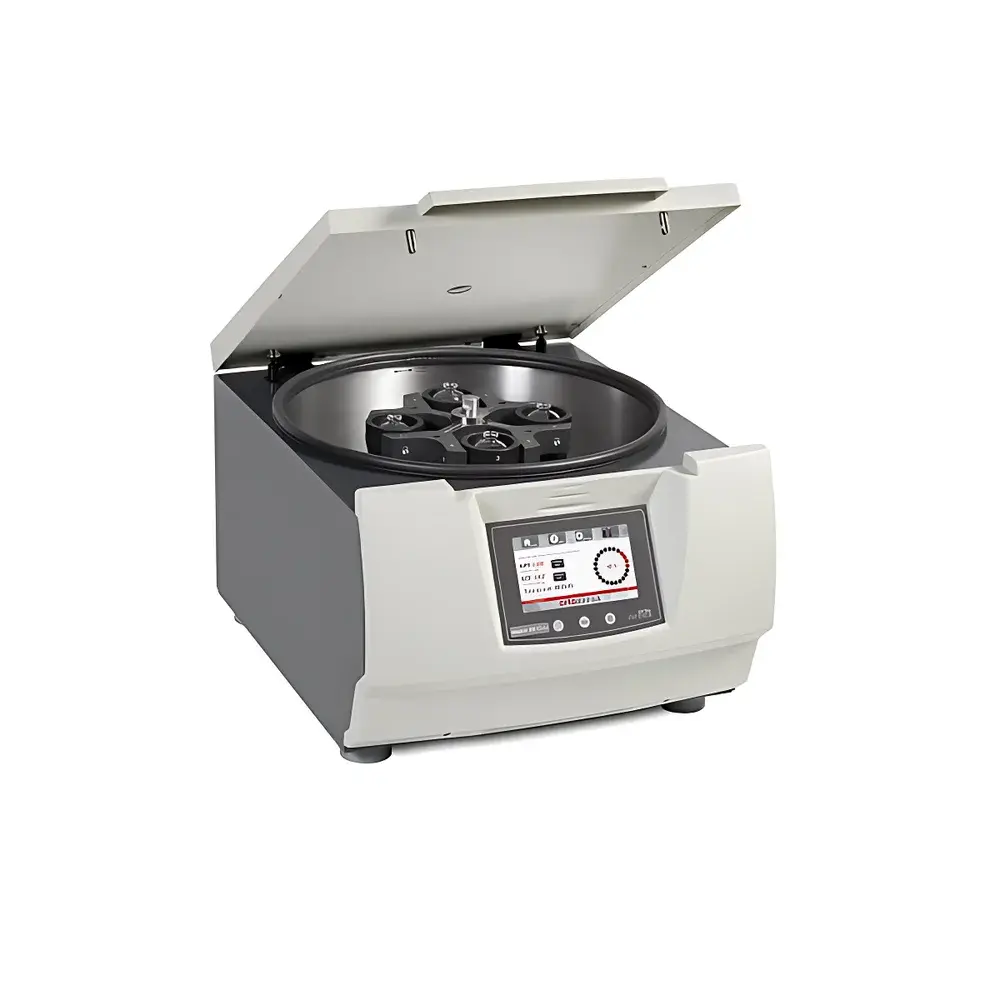
Ortoalresa Digtor 22 CU Benchtop Centrifuge for Oil Sample Processing
| Brand | Ortoalresa |
|---|---|
| Origin | Spain |
| Model | Digtor 22 CU |
| Type | Benchtop Centrifuge |
| Max Speed | 3,000 rpm |
| Max RCF | 2,425 × g |
| Max Capacity | 4 × 100 mL |
| Dimensions (W×D×H) | 540 × 650 × 400 mm |
| Noise Level | <60 dB(A) |
| Compliance | EN 61010-1, EN 61010-2-020, EN 61326-1, EN 61326-2-6, Directive 2014/35/EU, 2014/30/EU, 98/79/EC |
| Safety Features | Automatic lid locking, ULS imbalance detection, GRS (Gas Release System) pre-installed, stainless steel chamber, autoclavable rotors & adapters |
Overview
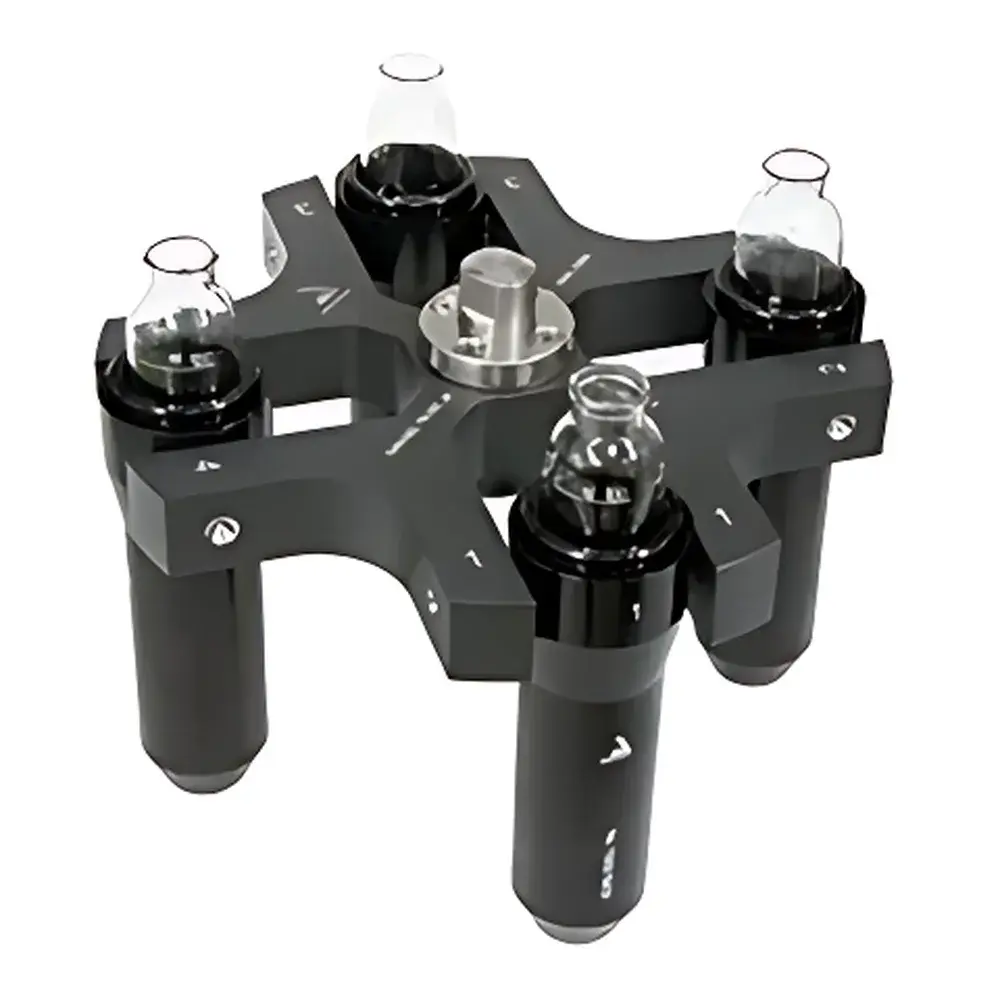
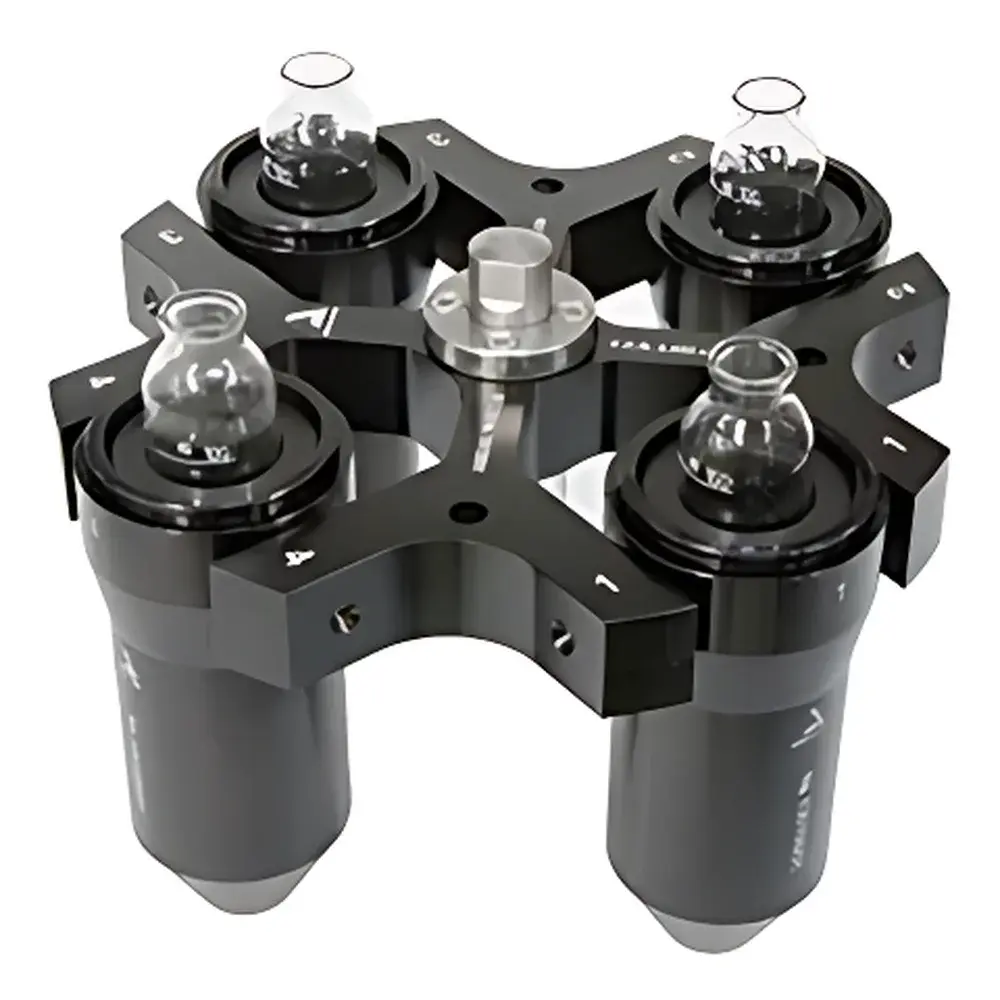
The Ortoalresa Digtor 22 CU is a purpose-engineered benchtop centrifuge designed specifically for petroleum laboratory applications requiring precise, repeatable separation of oil-based samples without thermal intervention. Unlike general-purpose centrifuges, the Digtor 22 CU operates under strictly non-heating conditions—fully compliant with ASTM D91, D893, D2273, D2709, D5546, API RP 2542, API RP 2548, BS 4385, and DIN 51793 standards governing sediment, sludge, and insoluble residue analysis in fuels and lubricants. Its mechanical architecture follows Couette-flow principles optimized for low-viscosity hydrocarbon matrices, delivering high reproducibility in sediment volume quantification and phase separation kinetics. The unit’s fixed-angle rotor configuration ensures consistent orientation of conical (6″ and 8″), pear-shaped, and “finger”-type tubes—critical for standardized visual inspection and gravimetric evaluation per industry test methods.
Key Features
- Pre-installed Gas Release System (GRS) for safe venting of volatile vapors during centrifugation—essential for gasoline, diesel, and jet fuel testing where headspace pressure buildup poses operational and safety risks.
- TFT color touchscreen interface visible from ≥3 meters, displaying real-time RPM, RCF, elapsed time, programmable acceleration/deceleration profiles (PCBS), and Unbalance Location System (ULS) diagnostics.
- Microprocessor-controlled brushless induction motor with zero-maintenance operation and integrated rotor recognition—eliminates manual rotor ID entry and prevents mismatched speed/RCF errors.
- 40 user-programmable memory protocols with password protection; all parameters stored with timestamp and operator ID for GLP/GMP traceability.
- Progressive Control Braking System (PCBS) offering 175 selectable ramp profiles to minimize post-centrifugation resuspension—critical for preserving sediment integrity in ASTM D2709 water separation tests.
- Automatic lid lock with dual electromechanical interlocks, emergency manual release, drop-protection mechanism, and chamber access port for routine calibration verification.
- Stainless steel centrifuge chamber (AISI 304), fully autoclavable rotors and adapters, forced-air cooling to limit temperature rise ≤2 °C during extended runs, and 8-hour auto-shutdown for energy conservation.
Sample Compatibility & Compliance
The Digtor 22 CU accommodates standard petroleum testing vessels including ASTM-conforming 100 mL conical centrifuge tubes (6″ and 8″), pear-shaped tubes for sludge recovery, and narrow-diameter “finger” tubes for micro-volume oil analysis. Its 4 × 100 mL capacity supports parallel processing of replicate samples required by ISO 4406, ASTM D2273 (oxidation stability), and API RP 2548 (detergent dispersancy). All contact surfaces comply with FDA-relevant material certifications for incidental hydrocarbon exposure. The device meets EU regulatory requirements under Directive 2014/35/EU (Low Voltage), 2014/30/EU (EMC), and 98/79/EC (IVDR Annex I essential requirements for in vitro diagnostic ancillary equipment), and carries full CE marking under harmonized standards EN 61010-1 and EN 61010-2-020.
Software & Data Management
The Digtor 22 CU supports PC connectivity via USB 2.0 for firmware updates and protocol export. While it does not include proprietary data acquisition software, its internal audit trail logs every run—including date/time stamp, selected program ID, actual RCF achieved, final imbalance status, and lid open/close events—retained for ≥1,000 cycles. These logs are exportable as CSV files for integration into LIMS or electronic lab notebooks. The system adheres to ALCOA+ principles (Attributable, Legible, Contemporaneous, Original, Accurate, Complete, Consistent, Enduring, Available) and supports 21 CFR Part 11 compliance when deployed with validated third-party electronic signature solutions.
Applications
- Quantitative sediment analysis per ASTM D91 (sediment in residual fuel oils)
- Insoluble sludge determination in lubricants (ASTM D893, D2273)
- Water separation efficiency testing in aviation turbine fuels (ASTM D2709, D5546)
- Contaminant screening in biodiesel blends (EN 14214, ASTM D6751)
- Routine QC of crude oil emulsion breaking behavior prior to desalting
- Preparative isolation of particulate contaminants for SEM-EDS or FTIR identification
FAQ
Is the Digtor 22 CU suitable for GMP-regulated petroleum testing laboratories?
Yes—it provides full audit-trail logging, password-protected method storage, and mechanical safety systems aligned with ISO/IEC 17025 and ASTM E2500 validation frameworks.
Can the Gas Release System (GRS) be retrofitted to older Digtor models?
No—GRS is factory-integrated and structurally embedded in the chamber housing; only Digtor 22 CU and newer CU-series units include this feature.
What rotor configurations are certified for use with this model?
Only Ortoalresa-certified fixed-angle rotors (e.g., RFA-4×100-CU) are validated for 3,000 rpm operation; third-party rotors void warranty and compromise safety certification.
Does the unit support remote monitoring or network integration?
Not natively—the Digtor 22 CU lacks Ethernet or Wi-Fi interfaces; however, its USB-exported log files are compatible with common industrial SCADA and MES platforms via middleware.
How often does the imbalance detection system require recalibration?
The ULS is self-calibrating and requires no scheduled recalibration; verification is performed automatically at startup and after each lid cycle.



