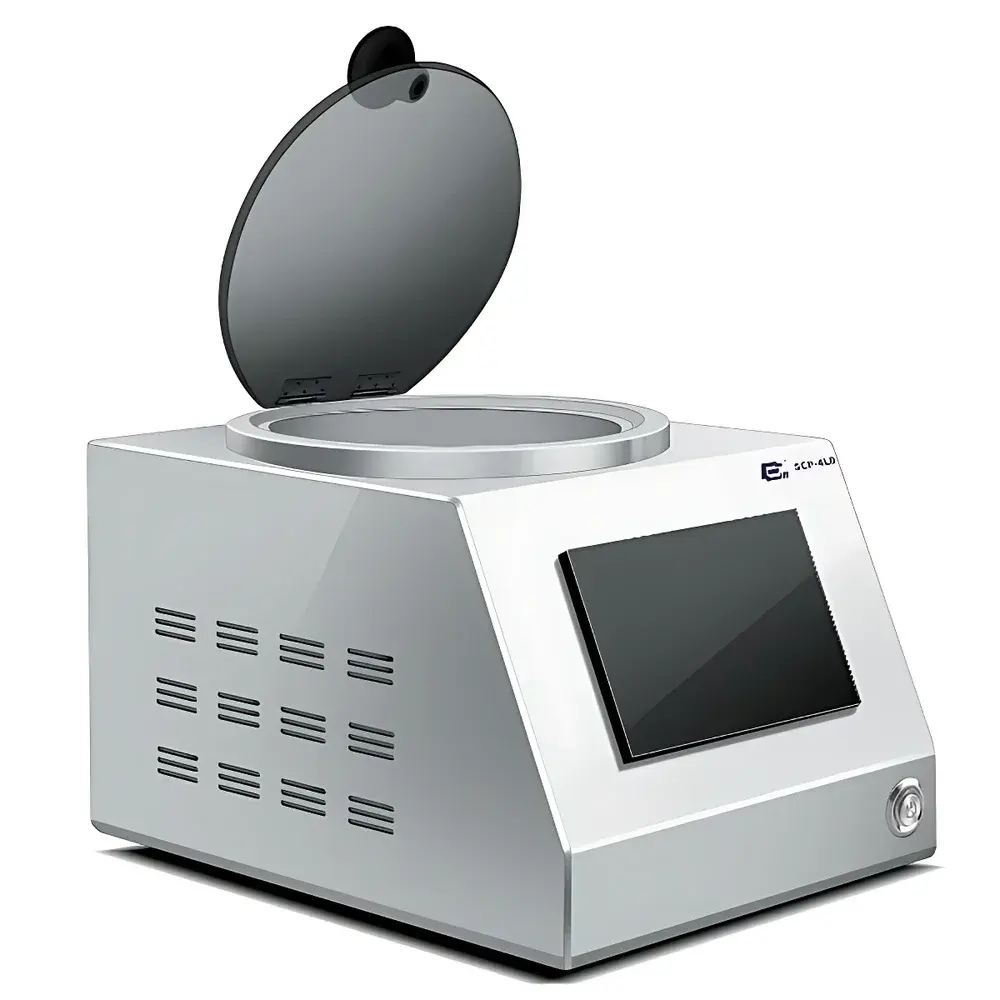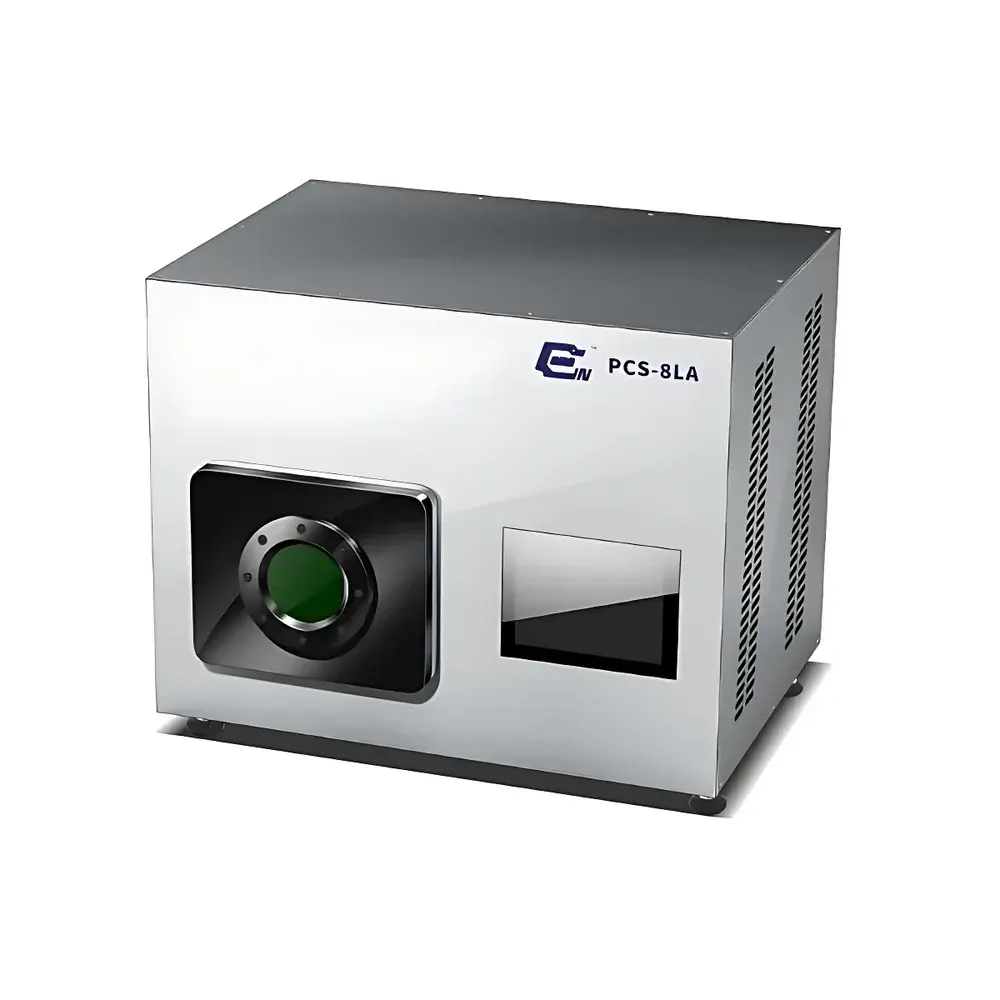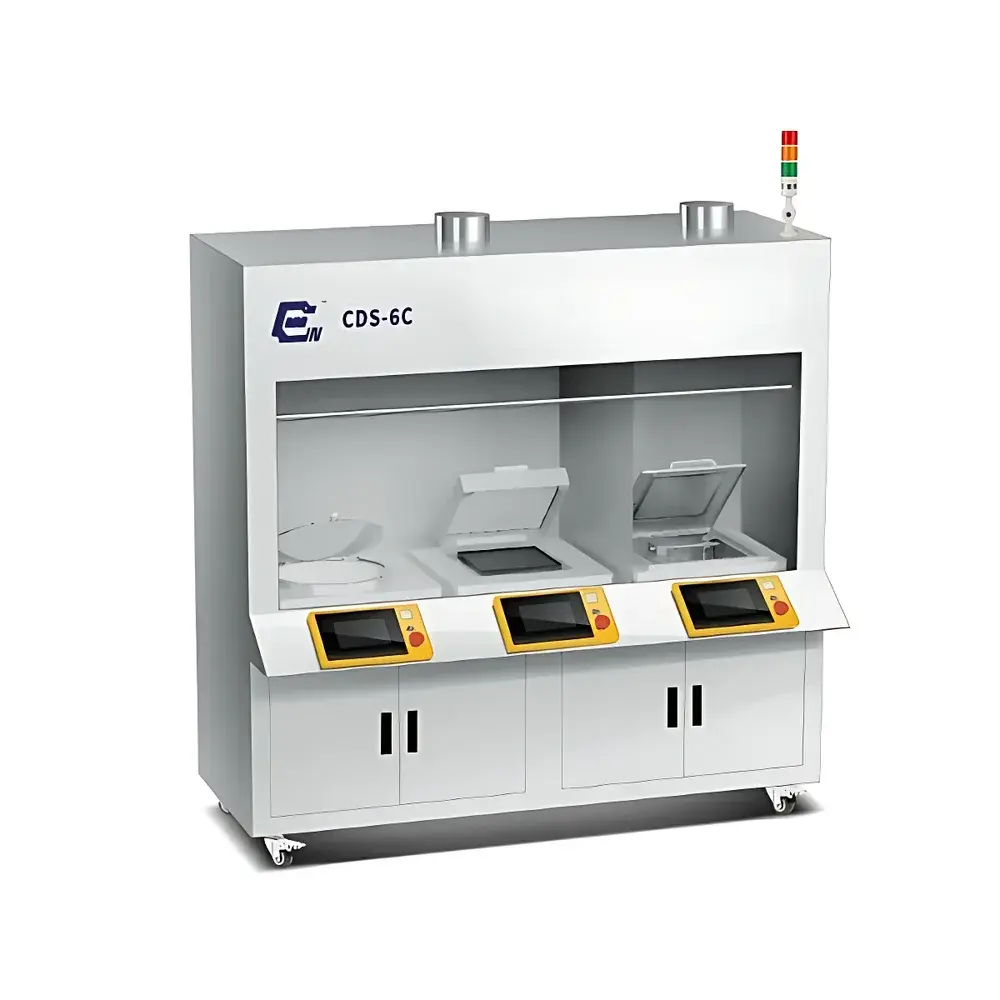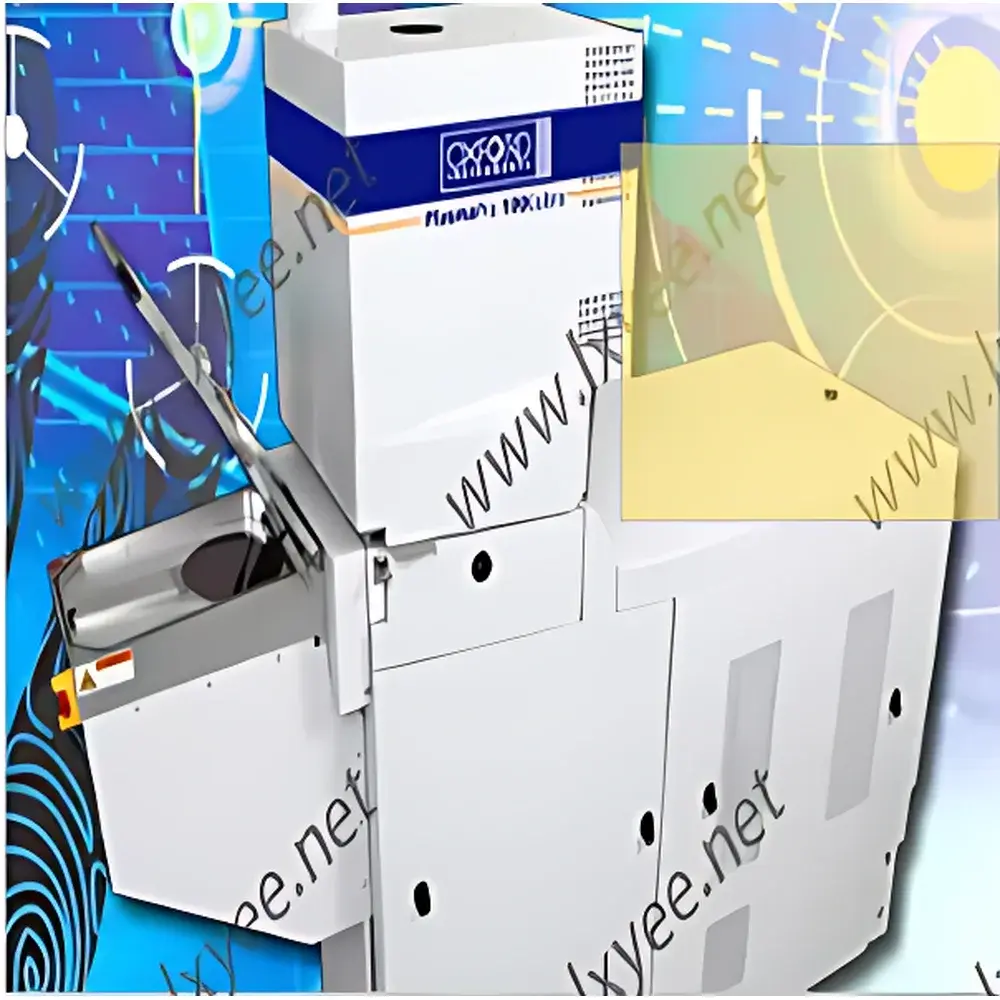
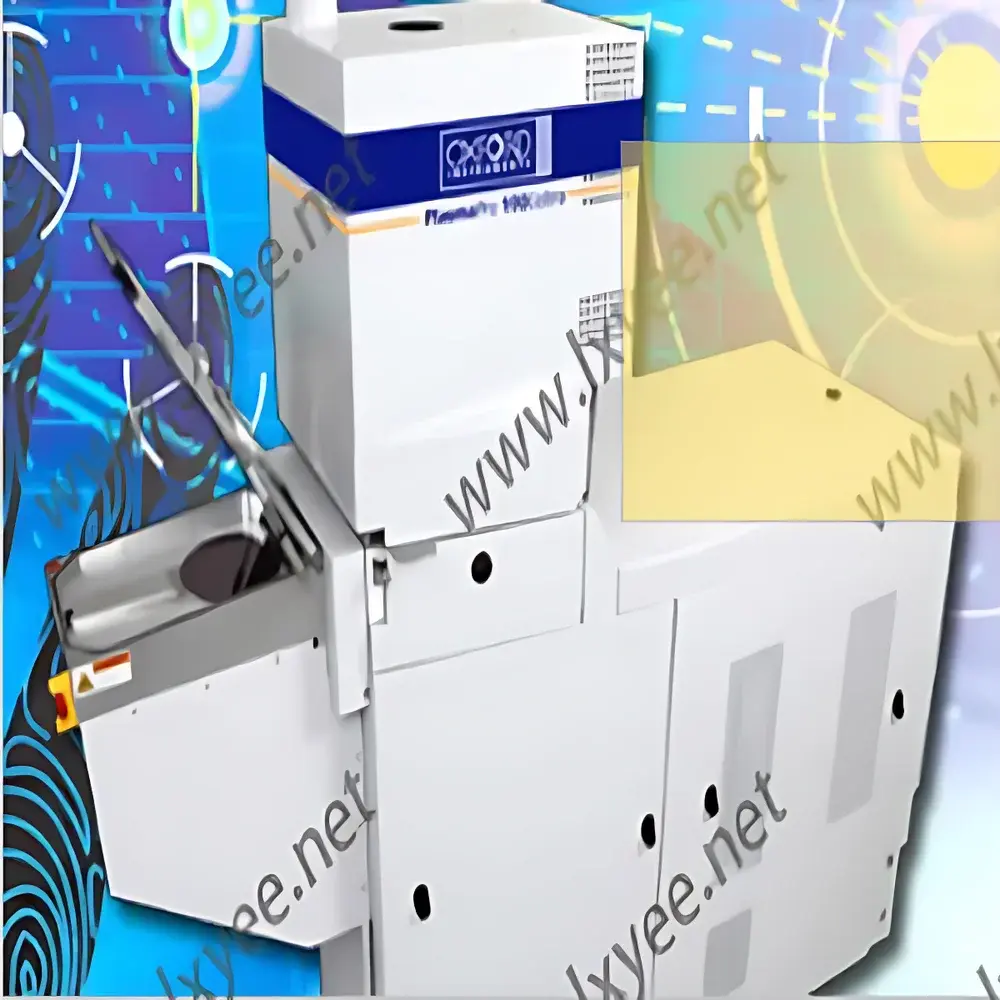
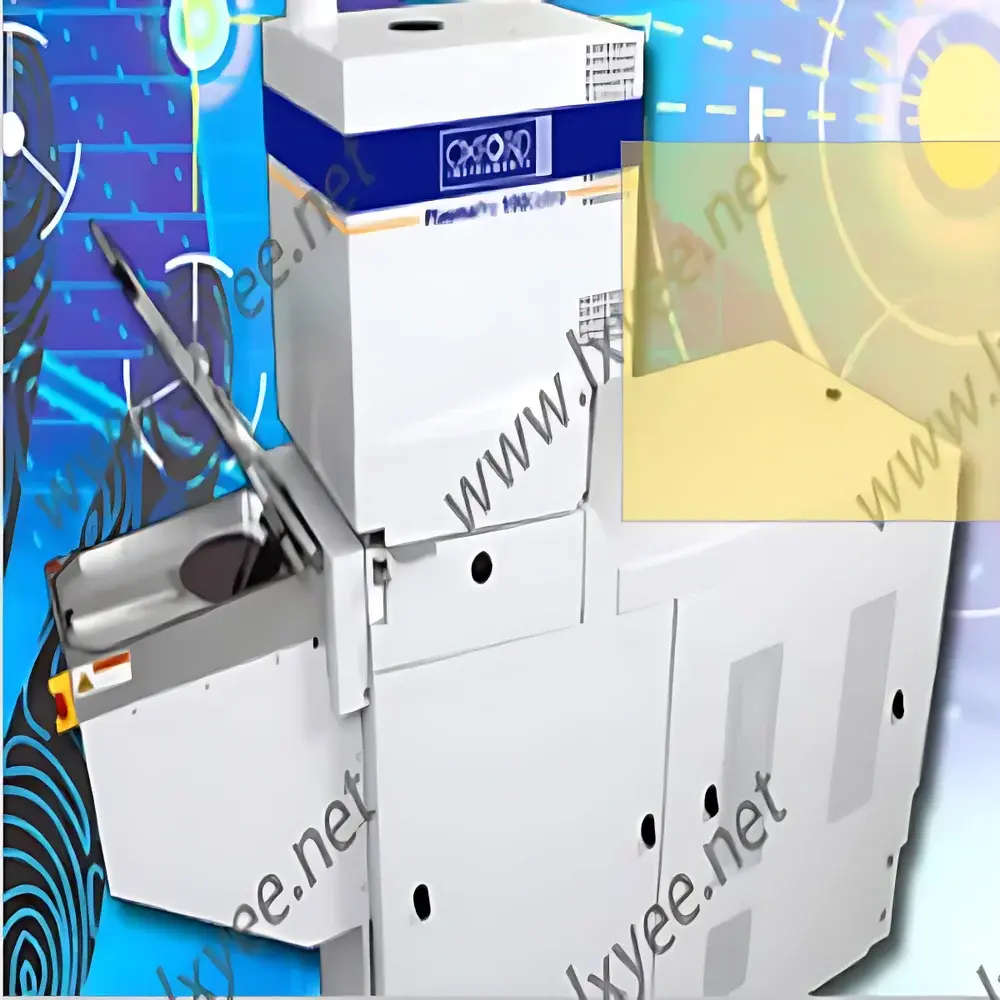
Oxford Instruments Plasmalab System 100 Plasma Etch and Deposition System
| Brand | Oxford Instruments |
|---|---|
| Origin | United Kingdom |
| Model | Plasmalab System 100 |
| Wafer Handling | Up to 200 mm (8") single-wafer or batch (6 × 50 mm), cassette-to-cassette transfer via load-lock chamber |
| Substrate Temperature Range | –150 °C to +700 °C |
| Gas Delivery | Optional 6- or 12-channel gas manifold (remotely mounted) |
| In-situ Endpoint Detection | Laser interferometry and/or optical emission spectroscopy (OES) compatible |
| Integration Capability | Cluster tool ready with robotic wafer handling |
| Process Flexibility | Reactive ion etching (RIE), inductively coupled plasma (ICP), electron cyclotron resonance (ECR), and plasma-enhanced chemical vapor deposition (PECVD) modes |
Overview
The Oxford Instruments Plasmalab System 100 is a modular, high-vacuum plasma processing platform engineered for precision dry etching and thin-film deposition in semiconductor R&D, pilot-line fabrication, and advanced device development. Based on reactive ion etching (RIE) and inductively coupled plasma (ICP) architectures, the system delivers controlled ion energy and high-density plasma generation—enabling atomic-level material removal and conformal film growth across diverse substrate classes. Its dual-chamber design (process chamber + load-lock) supports rapid, contamination-minimized wafer exchange under ≤1 × 10⁻⁶ mbar base pressure. The system is purpose-built for applications requiring sub-10 nm critical dimension control, high aspect-ratio etching (e.g., deep Si trenches >50:1), and low-damage processing of compound semiconductors and 2D materials.
Key Features
- Flexible wafer handling: Supports full 200 mm (8″) wafers or batch processing of up to six 50 mm (2″) substrates; fully automated cassette-to-cassette transfer via integrated load-lock and vacuum interlock.
- Wide thermal operating range: Electrode-integrated temperature control from –150 °C (cryogenic etching) to +700 °C (high-temperature PECVD), enabling process optimization for stress-sensitive films and low-k dielectrics.
- Multi-mode plasma sources: Configurable RIE, ICP, and ECR excitation options—each independently tunable for ion flux, ion energy distribution, and radical density—ensuring reproducible anisotropy and selectivity across Si, III–V, II–VI, and wide-bandgap materials.
- Modular gas delivery: Optional 6- or 12-channel mass flow controller (MFC)-based manifold with remote mounting capability, supporting complex chemistries (e.g., SF6/O2, Cl2/BCl3, CHF3/Ar) and minimizing cross-contamination during multi-step recipes.
- In-situ endpoint monitoring: Integrated ports for laser interferometry (for real-time trench depth tracking) and optical emission spectroscopy (OES) for species-specific plasma diagnostics and endpoint detection—fully compatible with automated recipe-driven process control.
- Cluster tool integration: Designed per SEMI E10/E19 standards; supports SECS/GEM communication protocols and mechanical interface specifications for seamless integration into multi-station fabrication platforms.
Sample Compatibility & Compliance
The Plasmalab System 100 processes silicon, silicon carbide (SiC), gallium nitride (GaN), aluminum gallium nitride (AlGaN), indium phosphide (InP), gallium arsenide (GaAs), and emerging 2D materials including transition metal dichalcogenides (TMDs). It accommodates insulating, conductive, and semi-insulating substrates with thicknesses ranging from 100 µm to 1 mm. All vacuum components comply with ISO 10100 cleanroom compatibility requirements; RF subsystems meet CISPR 11 Class A electromagnetic emission limits. The system architecture supports GLP-compliant operation through optional audit-trail-enabled software (Oxford Instruments PlasmaLab Suite v5.x), providing electronic records traceable to 21 CFR Part 11 Annex 11 requirements when deployed in regulated environments.
Software & Data Management
Controlled via Oxford Instruments’ PlasmaLab Suite—a Windows-based, role-secured application supporting recipe creation, real-time parameter logging (pressure, power, temperature, gas flows), and historical trend analysis. Each process run generates timestamped XML metadata compliant with ASTM E1482-22 data exchange standards. The suite enables full traceability—including operator ID, chamber conditioning history, and maintenance logs—and integrates with third-party MES systems via OPC UA or RESTful API. Optional advanced analytics modules provide multivariate statistical process control (SPC), fault detection and classification (FDC), and predictive maintenance alerts based on RF impedance drift and endpoint signal stability metrics.
Applications
- Deep reactive ion etching (DRIE) of silicon for MEMS accelerometers, gyroscopes, and microfluidic channel fabrication (Bosch and cryogenic processes).
- High-selectivity etching of III–V heterostructures for edge-emitting lasers, photonic integrated circuits (PICs), and photonic crystal cavities (e.g., InP/InGaAsP ridge waveguides).
- Patterning of GaN-based HEMTs and HBLEDs using chlorine-based chemistries with minimized surface damage and controlled sidewall passivation.
- Low-stress, high-refractive-index SiO2 and SiNx deposition for planar lightwave circuits (PLCs) and anti-reflective coatings.
- Sub-5 nm feature etching in low-k porous organosilicate glasses (OSGs) for advanced interconnect integration.
- R&D-scale processing of 2D material transfer and heterostructure definition (e.g., MoS2/hBN stacks) under ultra-clean, low-bias conditions.
FAQ
What plasma source configurations are available on the Plasmalab System 100?
The system supports interchangeable RIE, ICP, and ECR source modules—each with independent RF generators (13.56 MHz and/or 2 MHz), impedance matching networks, and calibrated power sensors.
Can the system be qualified for ISO 9001 or ISO 14001 production environments?
Yes—Oxford Instruments provides IQ/OQ documentation packages, calibration certificates traceable to NIST standards, and validation support for GMP-aligned facilities.
Is remote diagnostics and service support available?
All units include embedded Ethernet connectivity and secure TLS-encrypted remote access for Oxford-certified engineers, enabling real-time performance assessment and firmware updates without onsite intervention.
What vacuum pumping options are supported?
Standard configuration includes a turbomolecular pump (≥900 L/s for N2) backed by a dry scroll pump; optional cryogenic or oil-free backing pumps available for ultra-high-purity applications.
Does the system support automated process recipe transfer between tools?
Yes—PlasmaLab Suite exports recipes as standardized .plf files compatible across Plasmalab Series platforms, ensuring consistent process replication in multi-tool labs.