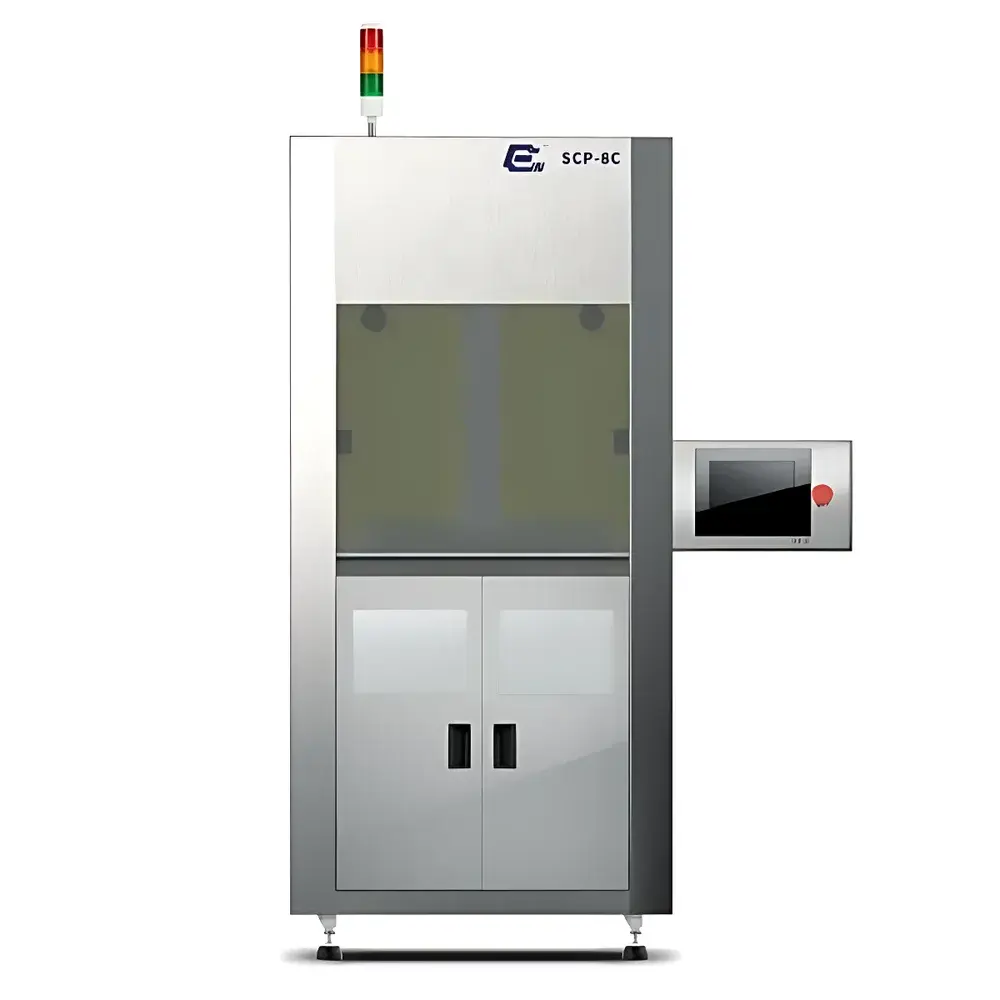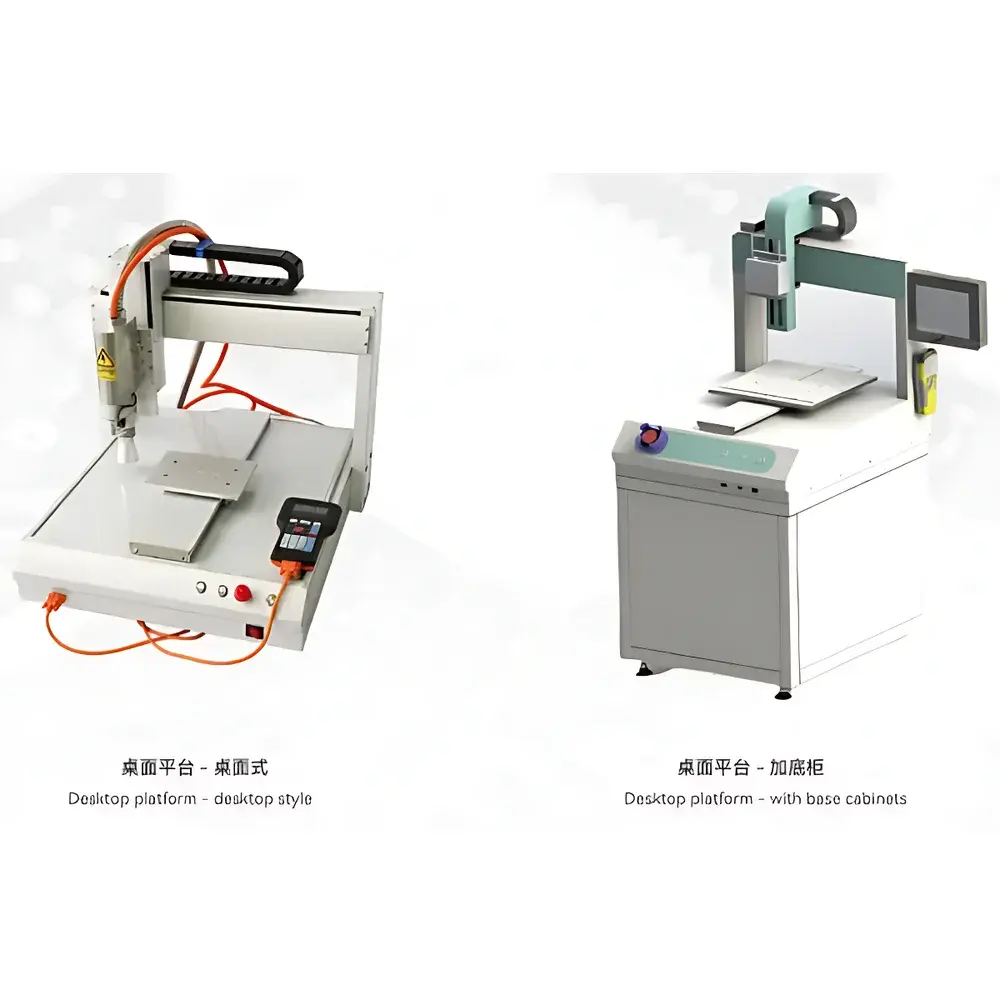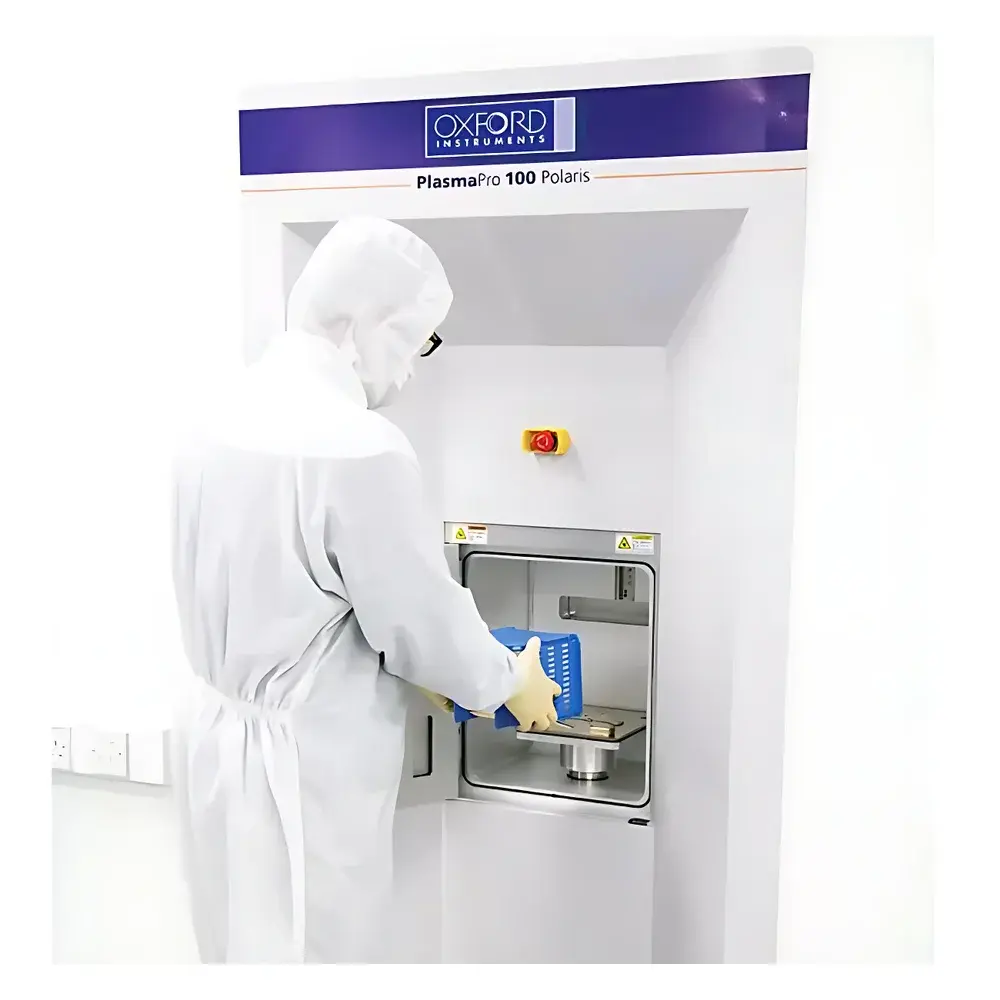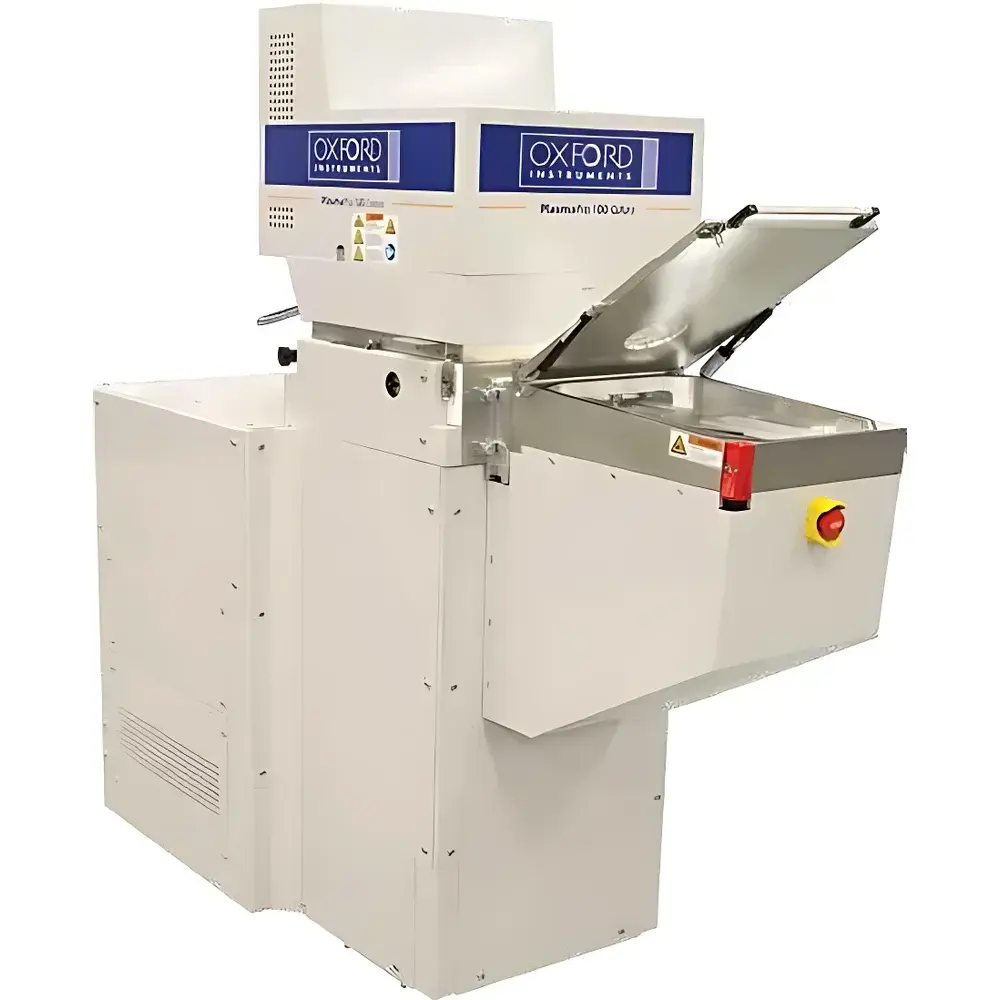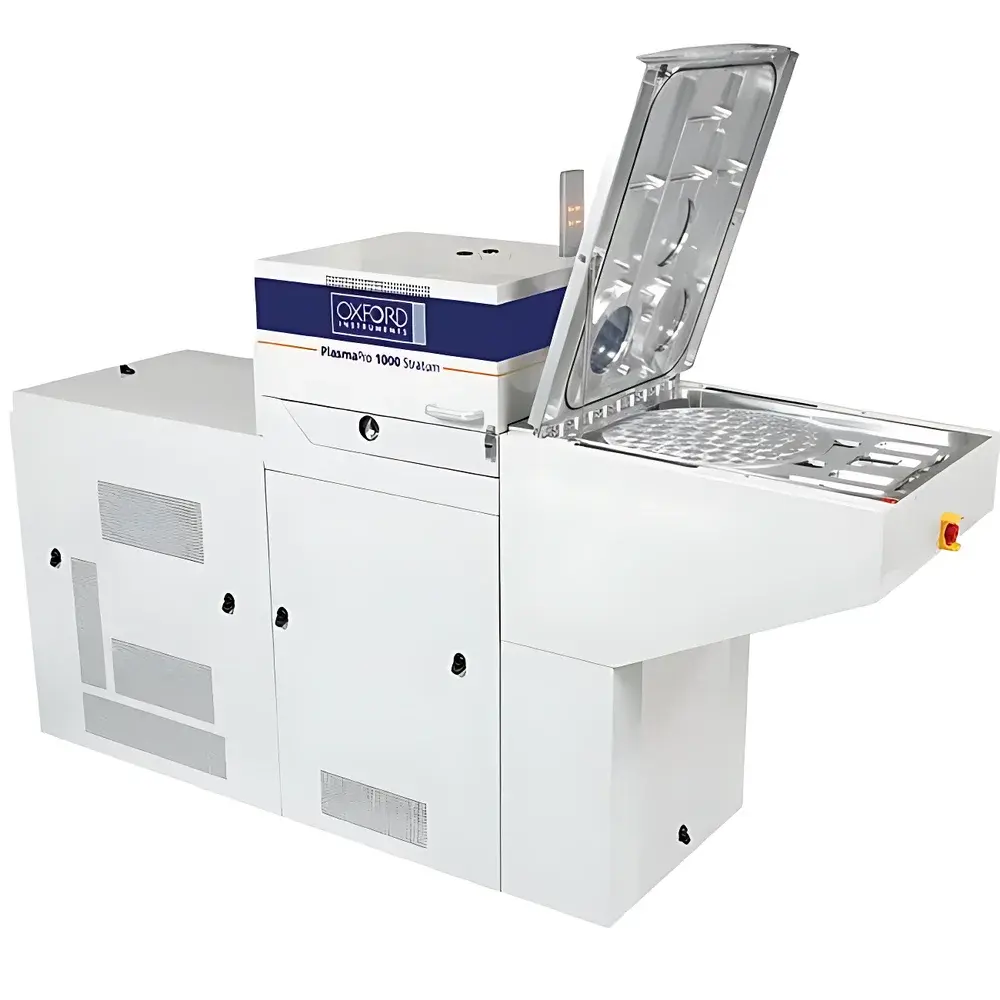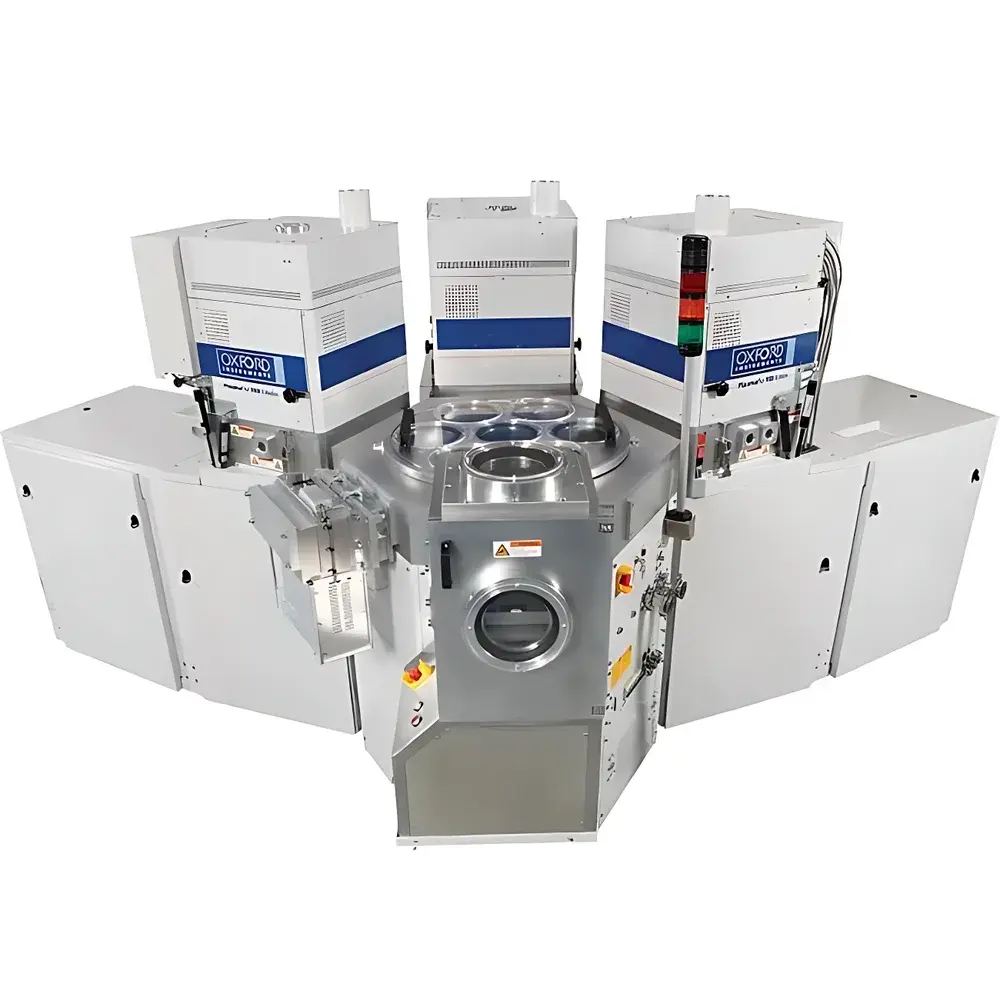
Oxford Instruments PlasmaPro NGP80 PECVD System
| Brand | Oxford Instruments |
|---|---|
| Origin | United Kingdom |
| Model | NGP80 |
| Configuration Options | RIE, PECVD, RIE/PECVD |
| Wafer Handling | Up to 200 mm diameter wafers |
| Footprint | Compact (Small-Footprint) Design |
| Safety Compliance | SEMI S2/S8 |
| Control Architecture | Next-Generation Bus-Based Control System |
| User Interface | Enhanced Front-End Software with Integrated Diagnostics and Auto-Cleaning Protocol |
| Process Capabilities | Thin-film deposition (e.g., SiNₓ, SiO₂, a-Si:H), reactive ion etching, in-situ chamber conditioning |
Overview
The Oxford Instruments PlasmaPro NGP80 is a modular, benchtop-scale plasma processing platform engineered for precision thin-film deposition and reactive ion etching (RIE) in semiconductor R&D and low-volume manufacturing environments. Based on capacitively coupled plasma (CCP) technology, the system operates in the radio-frequency (13.56 MHz) range and supports both plasma-enhanced chemical vapor deposition (PECVD) and RIE modes within a single vacuum chamber architecture. Its design emphasizes process reproducibility, tool-to-tool consistency, and rapid turnaround—critical for iterative process development, material screening, and prototype fabrication. The NGP80 integrates a compact vacuum chamber with a fully automated gas delivery manifold, RF matching network, and temperature-controlled electrode stage, enabling stable plasma generation across a wide range of process chemistries (e.g., NH₃/SiH₄ for SiNₓ, O₂/CHF₃ for SiO₂ etching). Unlike large-scale production tools, the NGP80 prioritizes flexibility over throughput—making it ideal for academic laboratories, foundry process development teams, and compound semiconductor startups requiring rapid process iteration without capital-intensive infrastructure.
Key Features
- Modular dual-mode operation: Configurable as standalone PECVD, RIE, or hybrid RIE/PECVD system via software-selectable process recipes and hardware interlocks.
- Open-load architecture: Manual front-loading port enables rapid wafer insertion/removal (≤30 s per cycle) for small-batch processing and non-standard substrates (e.g., diced dies, MEMS devices, glass slides).
- Compact footprint (<0.8 m² floor space): Designed for integration into ISO Class 5–7 cleanrooms or shared lab spaces without dedicated utility islands.
- SEMI S2/S8-compliant safety system: Includes interlocked access doors, real-time plasma emission monitoring, emergency shutdown sequencing, and integrated toxic gas detection (optional NH₃, SiH₄, Cl₂ sensors).
- Next-generation bus-based control architecture: Enables deterministic I/O response (<5 ms latency), synchronized data logging at 100 Hz, and seamless integration with external metrology tools via Ethernet/IP or SECS/GEM protocols.
- Front-end diagnostic software suite: Provides real-time fault tree analysis, predictive maintenance alerts (e.g., RF match drift, pump oil degradation), and automated calibration traceability compliant with ISO/IEC 17025 requirements.
Sample Compatibility & Compliance
The NGP80 accommodates substrates from 10 mm × 10 mm coupons up to full 200 mm (8-inch) wafers, including silicon, GaAs, SiC, sapphire, quartz, and flexible polymer films. Substrate heating (up to 400 °C) and backside He cooling ensure thermal uniformity during extended deposition runs. All process chambers are constructed from anodized aluminum with ceramic-coated internal surfaces to minimize metallic contamination and support aggressive chemistries (e.g., BCl₃, SF₆). The system meets ISO 14644-1 Class 5 cleanroom compatibility standards and is certified to UL 61010-1 and IEC 61000-6-4 electromagnetic compatibility directives. Optional configurations include residual gas analyzers (RGA) for endpoint detection and integrated optical emission spectroscopy (OES) for plasma diagnostics—both supporting ASTM F2192 and SEMI E168 process validation guidelines.
Software & Data Management
The NGP80 runs on Oxford Instruments’ PlasmaControl™ v4.x software, a Windows-based platform compliant with FDA 21 CFR Part 11 for electronic records and signatures. It features role-based user access control (admin/operator/technician), audit-trail logging of all parameter changes and recipe executions, and automatic backup to network-attached storage (NAS) with SHA-256 hash verification. Recipes include embedded metadata (gas flow rates, pressure setpoints, RF power profiles, ramping sequences) and support version-controlled revision history. Data export conforms to ASTM E1394 and SEMI E132 standards for interoperability with LIMS and MES systems. Remote monitoring is enabled via TLS-secured web interface, allowing real-time chamber status viewing and alarm notification via SMTP/SMS gateways.
Applications
- Compound semiconductor device fabrication: AlGaN/GaN HEMT buffer layer deposition, InN and InxGa1−xN epitaxial stack passivation, and selective etching of III-V heterostructures.
- Nanomaterial synthesis: Catalytic growth of vertically aligned Si nanowires (via VLS mechanism), ZnO nanowire arrays on seeded substrates, and plasma-assisted carbon nanotube functionalization.
- MEMS and sensor manufacturing: Low-stress SiNₓ encapsulation layers, sacrificial oxide removal, and surface activation prior to bonding.
- Photovoltaic R&D: a-Si:H intrinsic/doped layer deposition for tandem cells, anti-reflective SiO₂ coating, and texturing etch processes for c-Si wafers.
- Advanced packaging: Plasma cleaning of Cu/low-k interconnects prior to die attach, and conformal BN barrier layer deposition for 2.5D/3D integration.
FAQ
What vacuum level does the NGP80 achieve before plasma ignition?
Base pressure is typically ≤5 × 10⁻⁷ mbar using a turbomolecular pump backed by a dry scroll pump; ultimate process pressure ranges from 10 mTorr to 10 Torr depending on gas chemistry and flow rate.
Can the NGP80 be upgraded from RIE-only to PECVD configuration post-purchase?
Yes—hardware retrofit kits (RF generator upgrade, showerhead electrode, gas manifold expansion) and software license activation are available through Oxford Instruments Field Service Engineers.
Is GLP/GMP documentation support available for process qualification?
Yes—Oxford Instruments provides IQ/OQ/PQ protocol templates, calibration certificates traceable to NIST standards, and full 21 CFR Part 11 validation packages upon request.
What maintenance intervals are recommended for the RF matching network?
Quarterly inspection of capacitor health and auto-tune calibration is advised; full recalibration is required after any chamber venting event exceeding 24 hours exposure to ambient air.
Does the system support remote process monitoring for multi-site R&D collaboration?
Yes—PlasmaControl™ includes secure HTTPS API endpoints for real-time telemetry streaming and RESTful command injection, compatible with MATLAB, Python (PySerial/Requests), and LabVIEW environments.