Pall Membrane Integrity Tester BSQ-19 by All Precision Instrument
| [Brand | All Precision Instrument |
|---|---|
| Origin | Beijing, China |
| Manufacturer Type | Direct Manufacturer |
| Model | BSQ-19 |
| Power Supply | 170–240 V AC, 50/60 Hz, 100 W |
| Max Operating Pressure | 7999 mbar |
| Minimum Inlet Pressure | 3000 mbar |
| Test Pressure Range | 500–6900 mbar (customizable sensor) |
| Pressure Sensitivity | ±1.0 mbar |
| Bubble Point Accuracy | ±60 mbar |
| Dimensions (W×D×H) | 240 × 320 × 260 mm |
| Display | 5.7–7-inch color TFT touchscreen, 256-color, GUI in English/Chinese |
| Data Storage | 32 GB internal flash memory (≥1,000,000 test records) |
| Test Duration | Bubble Point: 2 ± 2 min |
| Diffusion Flow | 7 ± 2 min |
| Water Intrusion | 7 ± 2 min |
| System Leak Check | 3 ± 1 min |
| Environmental Operating Range | 0–50 °C, 10–80% RH |
| Compliance | Fully supports GMP documentation requirements, audit trail-ready configuration, user-level access control (Operator/Supervisor/Admin), 21 CFR Part 11–compatible data handling with electronic signature support] |
Overview
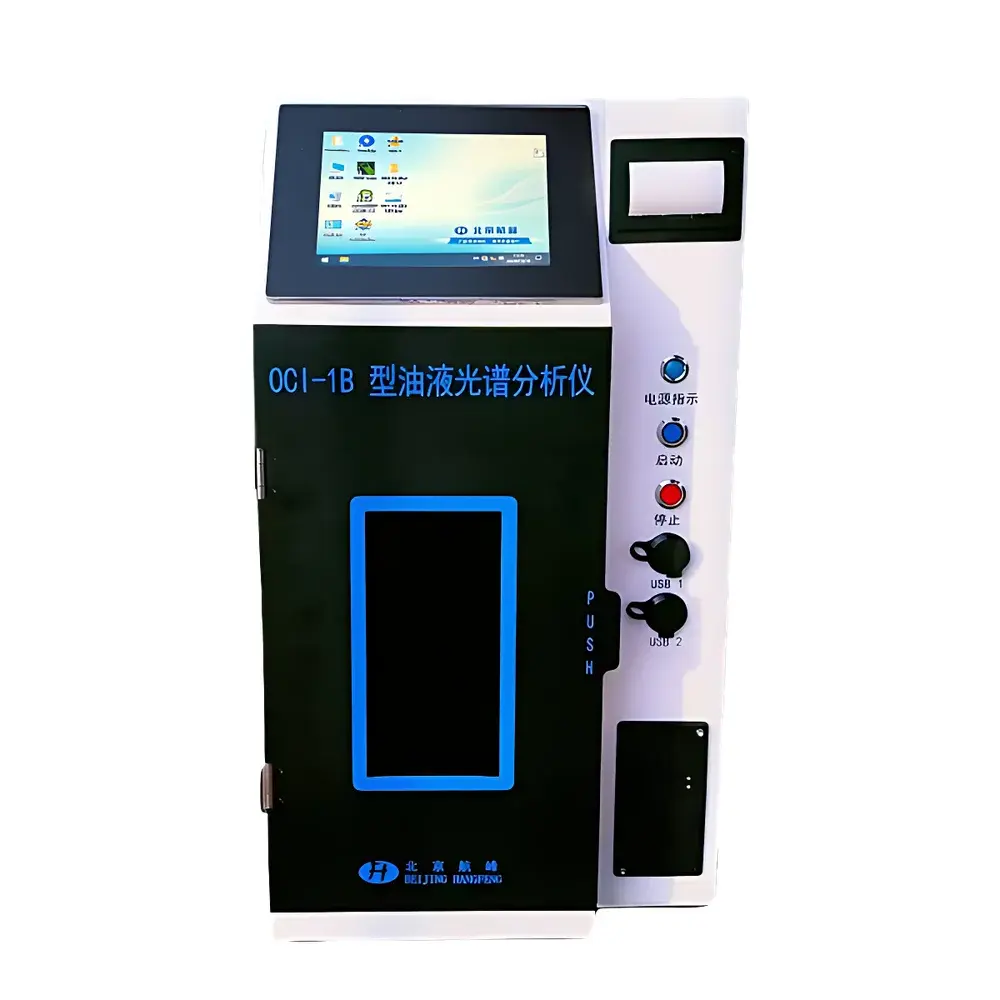
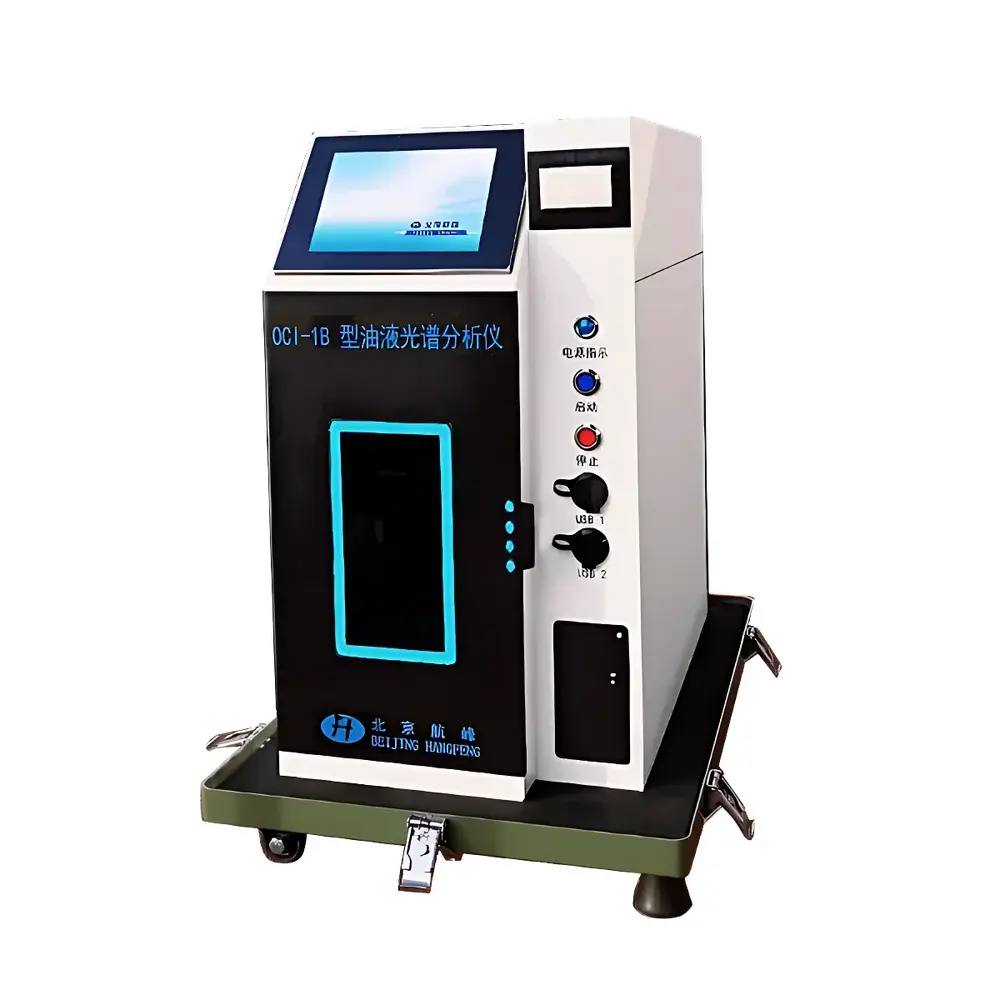
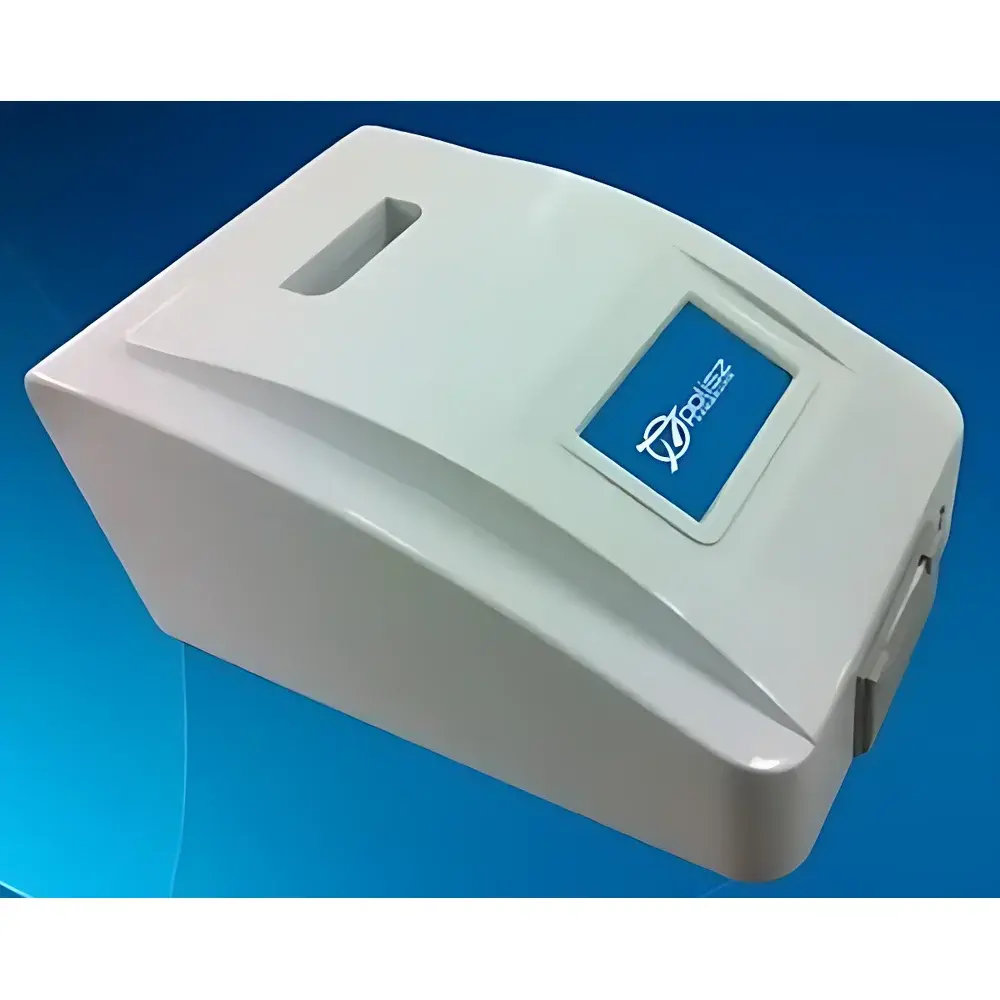
The Pall Membrane Integrity Tester BSQ-19 is an automated, microprocessor-controlled integrity testing platform engineered for rigorous validation of hydrophilic and hydrophobic membrane filters used in pharmaceutical, biotechnology, and sterile manufacturing processes. It implements three internationally recognized integrity test methods—Bubble Point (BP), Diffusion Flow (DF), and Water Intrusion (WI)—in accordance with ASTM F838-22, ISO 13408-2:2021, and USP guidelines. The instrument operates on the fundamental principles of capillary flow physics: bubble point measurement relies on gas breakthrough through liquid-saturated pores governed by the Young–Laplace equation (R = 2k·δ·cosθ / ΔP); diffusion flow quantifies dissolved gas transport across a wetted membrane under sub-bubble-point pressure; and water intrusion assesses hydrophobic filter integrity by measuring volumetric water ingress under controlled sub-wetting pressure. Its ARM9-based embedded architecture running Windows CE 6.0 ensures deterministic real-time control, eliminating timing variability inherent in mechanically regulated systems.
Key Features
- Fully automated digital pneumatic control system—replaces legacy manual needle-valve regulation with closed-loop pressure ramping and stabilization, ensuring reproducible results across variable supply pressure conditions (3000–7999 mbar inlet range)
- Intelligent pass-exit logic: automatically terminates test sequence upon successful BP or DF pass criteria, minimizing unnecessary exposure of filter media to pressurized gas and extending service life
- Integrated thermal printer with bilingual (English/Chinese) output—generates traceable hardcopy reports including test parameters, raw pressure decay curves, pass/fail status, timestamp, operator ID, and instrument serial number
- Role-based user management with three-tier authentication (Operator, Supervisor, Administrator), supporting password customization and session timeout—designed to meet ALCOA+ data integrity principles and GMP Annex 11 requirements
- High-fidelity signal acquisition: 24-bit ADC with adaptive sampling enables precise resolution of low-magnitude diffusion flow signals (<0.1 mL/min) and rapid detection of minute pressure transients during system leak verification
- Portable form factor (240 × 320 × 260 mm) with integrated pressure vessel and self-contained gas manifold—requires no external compressors, regulators, or calibration gases for routine operation
Sample Compatibility & Compliance
The BSQ-19 accommodates a broad spectrum of single- and multi-element filtration devices, including disc membranes (Φ25–Φ300 mm), standard cartridges (2.5″–40″, 1–9 core), capsule filters, mini-cartridges, and vent filters. Its modular test head design supports both upstream-volume-based and downstream-flow-based configurations per ISO 13408-2 Annex A. All test algorithms adhere to the acceptance criteria defined in PDA Technical Report No. 26 and EMA Guideline on Sterile Filtration (2022/C 204/01). The system maintains full compliance with 21 CFR Part 11 when configured with enabled audit trail logging, electronic signatures, and immutable record archiving. Raw data files (CSV + binary) are exportable via USB 2.0 port and retain full metadata—including environmental sensor readings, firmware revision, and hardware calibration stamps—for regulatory submission readiness.
Software & Data Management
Embedded firmware v4.0 delivers a context-sensitive graphical interface with on-screen guidance prompts at every workflow stage. Each test session generates a structured dataset containing pressure vs. time profiles, calculated flow rates, statistical deviation metrics, and pass/fail determinations against configurable limits. The 32 GB onboard NAND flash stores ≥1,000,000 complete test records with full curve retention. Data export utilities support direct transfer to LIMS or ELN systems via encrypted USB mass storage mode. Optional PC software provides advanced analytics—including trend analysis across filter lots, comparative performance benchmarking, and automated report generation compliant with ICH M4(R2) eCTD specifications. All electronic records include cryptographic hash signatures to prevent tampering and support forensic reconstruction during FDA or MHRA inspections.
Applications
This instrument serves critical quality control functions across upstream and downstream bioprocessing: pre-use post-sterilization integrity verification of sterilizing-grade filters in buffer and media preparation suites; final-fill vent filter validation in aseptic filling lines; qualification of compressed gas filters in HVAC and process air networks; and routine surveillance of large-area depth filters in purification skids. Its water intrusion capability uniquely enables post-steam-in-place (SIP) validation of hydrophobic air filters without solvent handling or offline disassembly—eliminating cross-contamination risk and reducing qualification cycle time by >65% versus IPA-based methods. In QC laboratories, it supports filter vendor qualification studies, shelf-life stability assessments, and root-cause investigations of non-sterile events linked to undetected seal failures or housing breaches.
FAQ
Why is membrane integrity testing required prior to and after sterilization?
Regulatory frameworks (FDA 21 CFR 211.65, EU GMP Annex 1, WHO TRS 986) mandate demonstration of filter integrity before product contact to confirm pore size retention, seal integrity, and absence of gross defects introduced during installation or SIP cycles.
How does diffusion flow testing correlate with microbial retention performance?
Diffusion flow values exhibit strong empirical correlation with bacterial challenge results (e.g., Brevundimonas diminuta, ATCC 19146) as described in HIMA and PDA TR26—providing quantitative assurance of retention capability without requiring biological agents.
Can the BSQ-19 perform tests in compliance with 21 CFR Part 11?
Yes—when operated with audit trail enabled, user roles enforced, and electronic signatures activated, the system meets all technical and procedural requirements for electronic records and signatures in regulated environments.
What is the significance of automatic pressure stabilization during bubble point testing?
Unlike analog pressure controllers subject to hysteresis and drift, the BSQ-19’s digital servo loop maintains target pressure within ±0.5% tolerance for ≥30 seconds—ensuring thermodynamic equilibrium and eliminating false negatives from transient pressure overshoot.
Does the instrument support IQ/OQ/PQ documentation packages?
Comprehensive validation templates—including URS, DQ protocol, IQ/OQ checklists, and PQ acceptance criteria—are provided with each unit and align with ASTM E2500-13 and ISPE Baseline Guide Vol. 5 standards.