
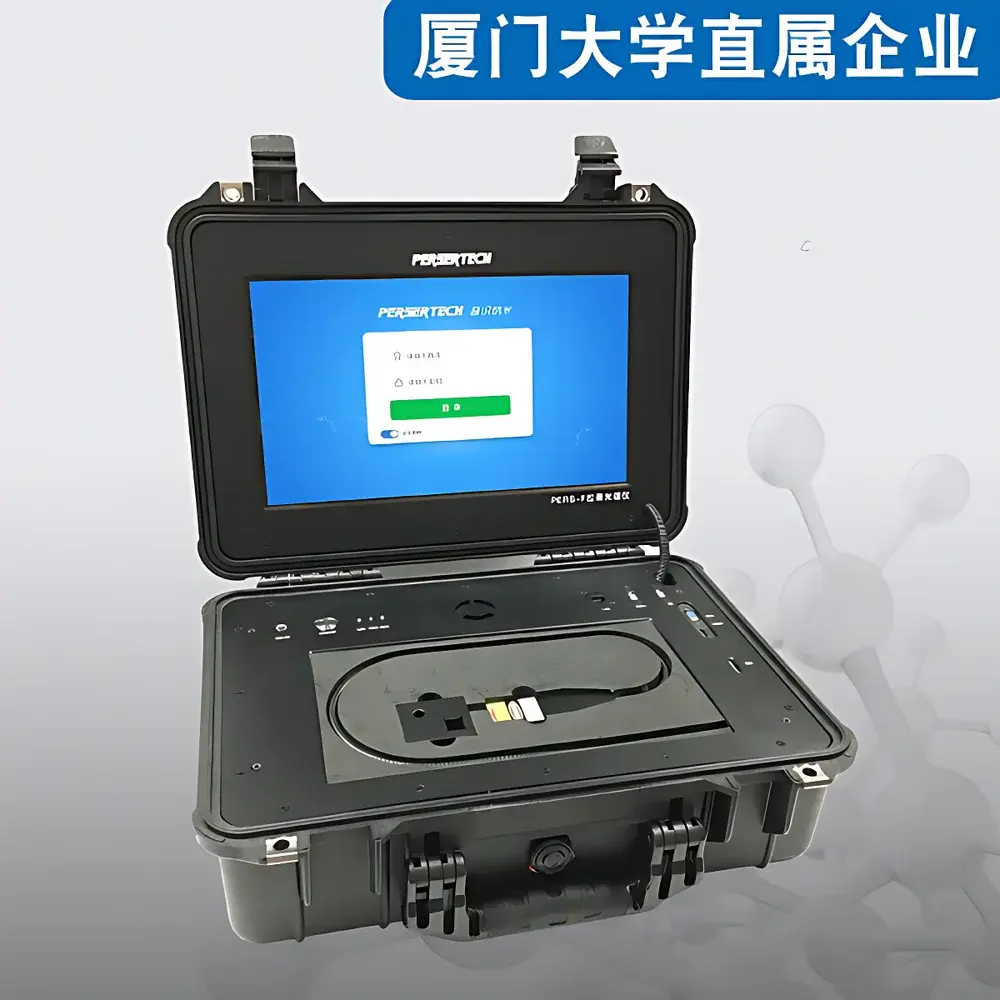
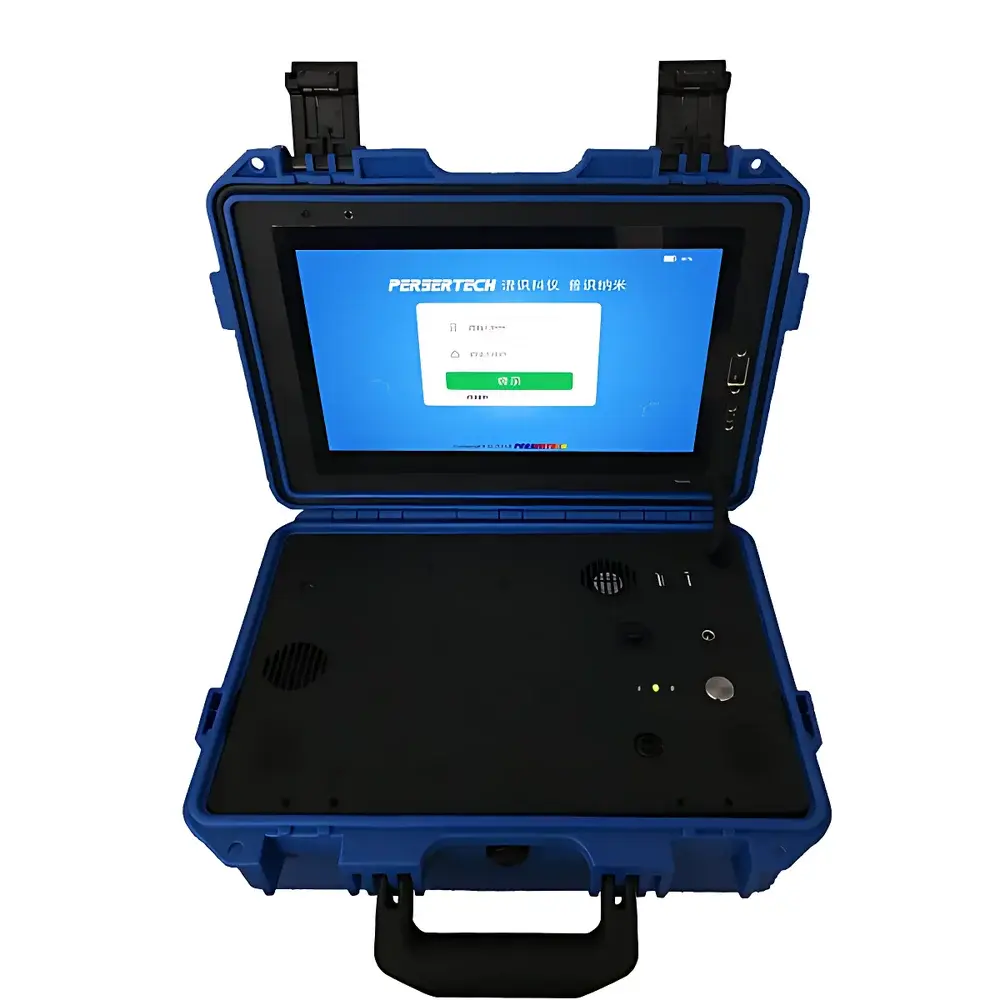
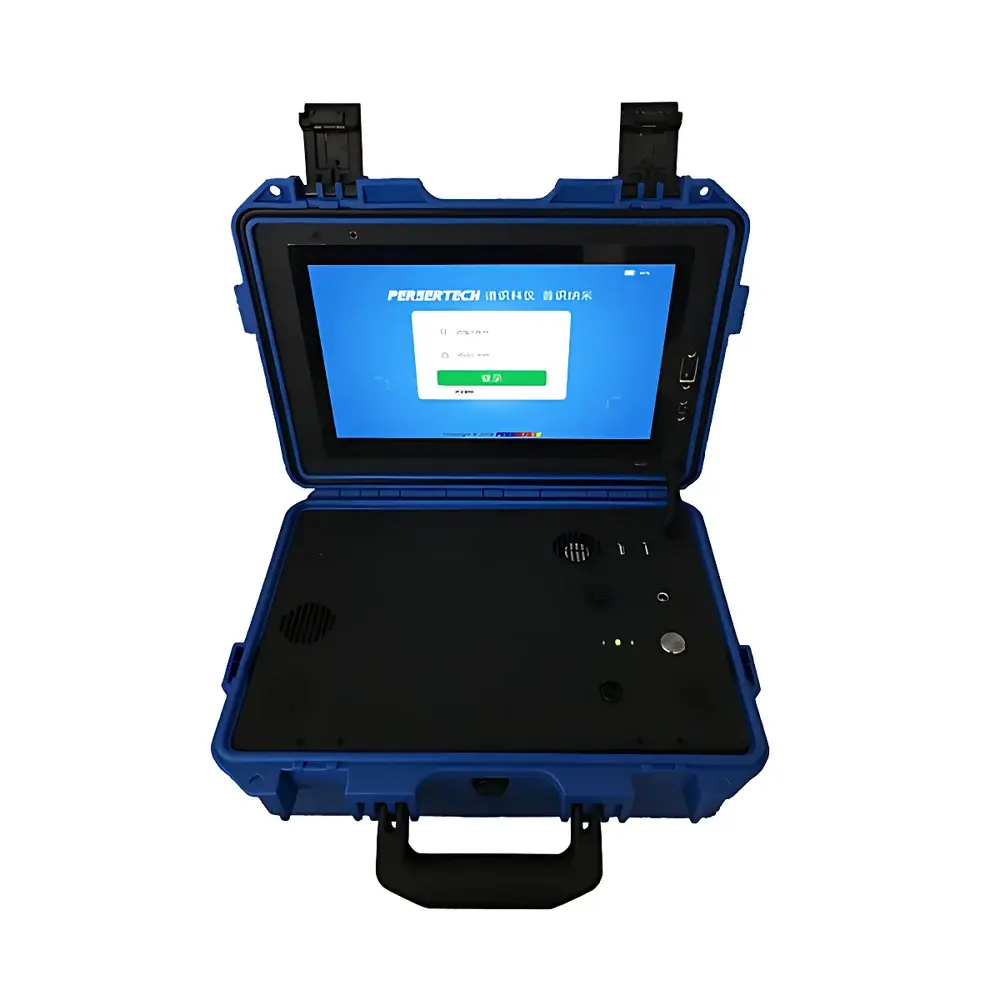
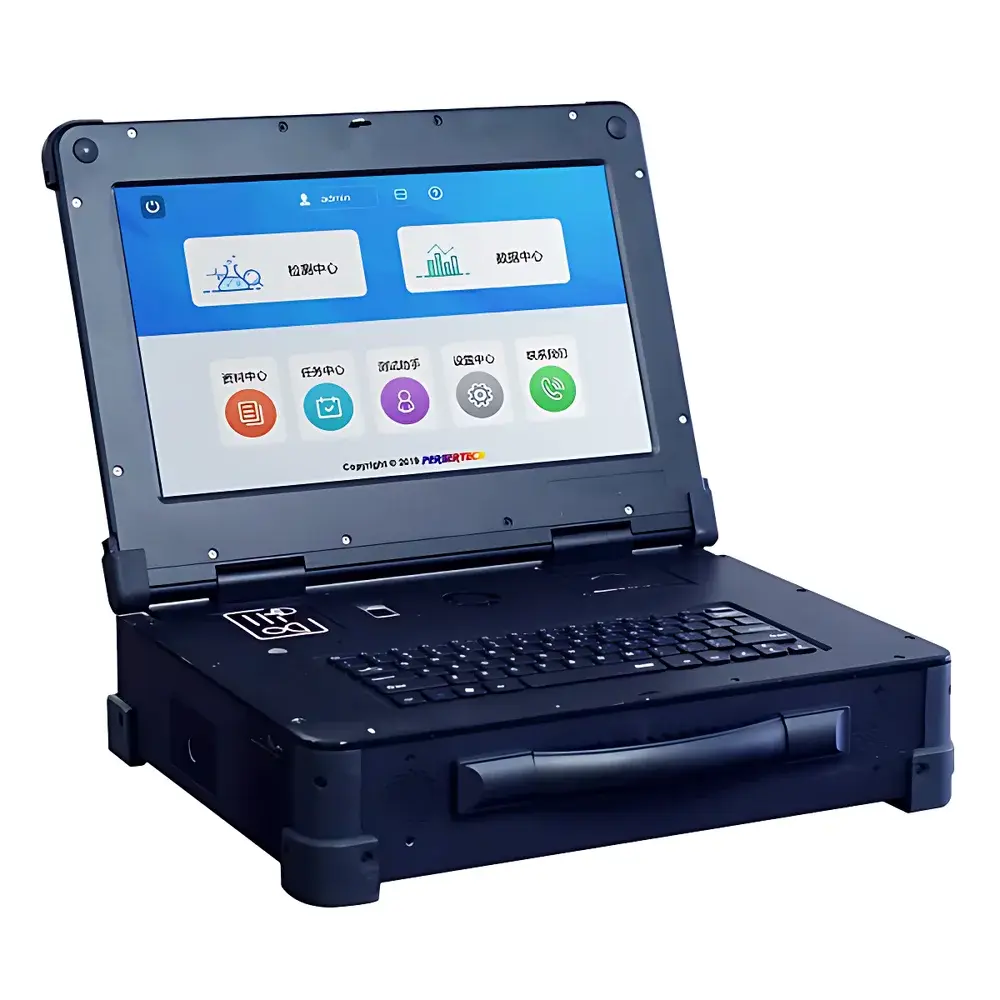
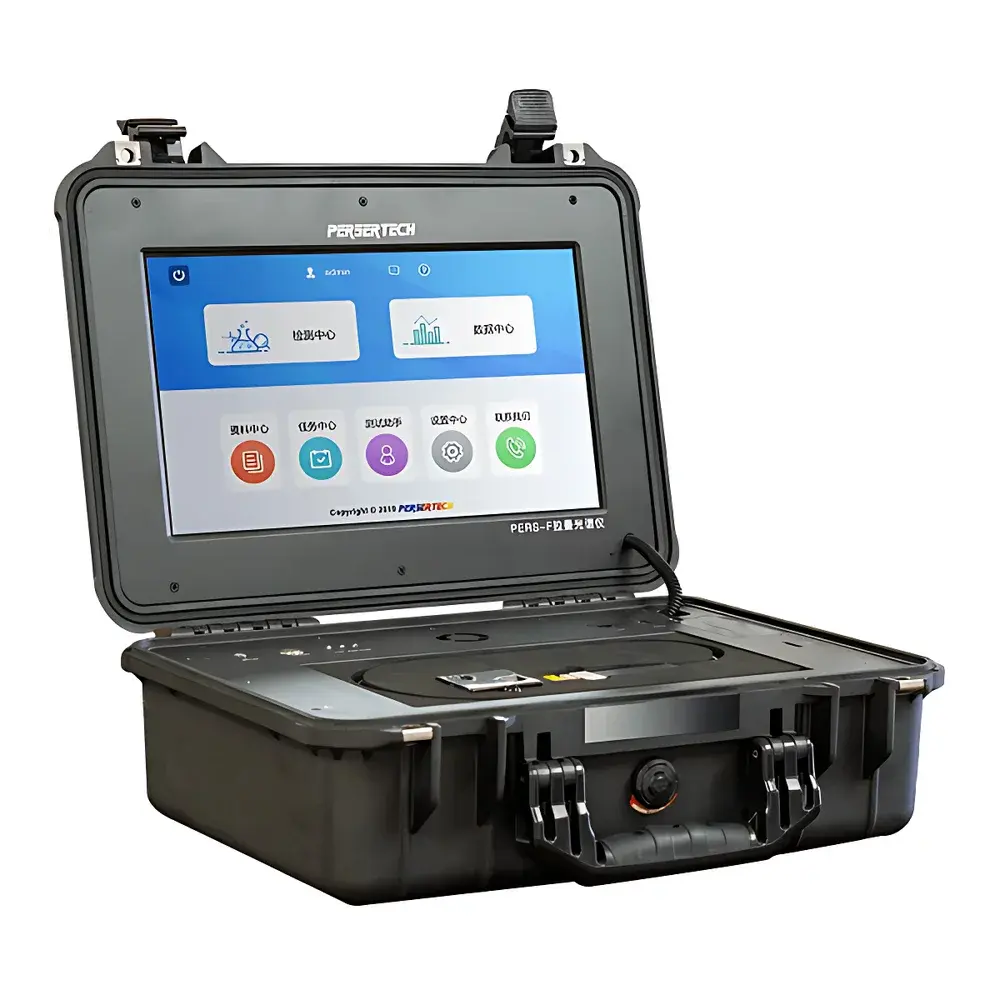
Perser-Tech PERS-F700 Portable Food Safety Raman Spectrometer
| Brand | Perser-Tech |
|---|---|
| Origin | Fujian, China |
| Model | PERS-F700 |
| Instrument Type | Handheld Raman Spectrometer |
| Spectral Range | 175–3500 cm⁻¹ |
| Spectral Resolution | ≤7 cm⁻¹ |
| Spatial Resolution | 1 µm (lateral), 1 µm (axial) |
| Minimum Wavenumber | 175 cm⁻¹ |
| Spectral Reproducibility | ±1 cm⁻¹ |
| Operating Temperature | 5–45 °C |
| Relative Humidity | <90% RH |
| Excitation Wavelength | 785 nm (standard, fixed-frequency diode laser) |
| Integration Time & Laser Power | Continuously Adjustable |
| Sample Interface | Non-contact, focus-adjustable collimated beam |
Overview
The Perser-Tech PERS-F700 is a handheld Raman spectrometer engineered for field-deployable, regulatory-grade screening of chemical contaminants and adulterants in food and pharmaceutical matrices. It operates on the principle of inelastic light scattering—where monochromatic 785 nm laser excitation induces vibrational mode shifts in molecular bonds, generating a unique spectral fingerprint that is highly specific to chemical structure. Unlike IR or UV-Vis methods, Raman spectroscopy is minimally affected by water content, color, or turbidity, enabling direct analysis of raw, unprocessed, or opaque samples—including edible oils, dairy products, spices, herbal powders, and liquid formulations—without derivatization or extensive sample preparation. The PERS-F700 delivers laboratory-comparable spectral fidelity in a ruggedized, battery-powered platform designed for use in warehouses, border inspection posts, cold-chain logistics hubs, and decentralized quality control labs.
Key Features
- Compact, ergonomic handheld form factor with integrated touchscreen interface and onboard battery (≥4 hours continuous operation)
- High signal-to-noise ratio optical path optimized for 785 nm excitation, minimizing fluorescence interference common in biological and food matrices
- Adjustable laser power (10–500 mW) and integration time (10 ms–10 s) to balance sensitivity, photostability, and measurement speed
- Automated spectral calibration using built-in silicon reference peak (520.7 cm⁻¹) ensuring long-term wavenumber stability
- Dual-mode focusing: manual coarse adjustment + fine-tuned collimated beam targeting for reproducible non-contact analysis of solids, pastes, and liquids in standard 4 mL glass vials
- Rugged IP54-rated enclosure with shock-absorbing housing, compliant with MIL-STD-810G for vibration and drop resistance
Sample Compatibility & Compliance
The PERS-F700 supports direct, non-destructive analysis of heterogeneous food and pharma samples—including viscous oils, suspensions, tablets, capsules, dried herbs, and packaged liquids—without solvent extraction or filtration. Its low-fluorescence 785 nm excitation enables reliable detection of polycyclic aromatic hydrocarbons (e.g., benzo[a]pyrene in cooking oils), melamine in dairy, Sudan dyes in spices, and counterfeit APIs in finished dosage forms. The system adheres to foundational spectroscopic validation principles outlined in ASTM E1840 and ISO/IEC 17025:2017. While not certified as GMP-compliant hardware per se, its data acquisition architecture supports audit-ready workflows when deployed under documented SOPs aligned with FDA 21 CFR Part 11 (via optional software module with electronic signatures and immutable audit trails).
Software & Data Management
The instrument ships with Perser-Spectra v3.2 software suite—installed on Windows-based tablet or laptop—featuring real-time spectral acquisition, baseline correction (Asymmetric Least Squares), peak deconvolution, and multivariate classification (PCA-LDA). Preloaded spectral libraries include >120 validated reference spectra for food contaminants, veterinary drug residues, mycotoxins, and illicit additives. Users may create custom libraries with spectral validation reports (including SNR, FWHM, and peak shift tolerance metrics). All raw spectra (.spc, .csv) and processed results are timestamped, geotagged (via optional Bluetooth GPS), and exportable in FAIR-compliant formats. Data integrity is enforced through role-based access control and encrypted local storage.
Applications
- Rapid screening of benzo[a]pyrene in refined vegetable oils at concentrations ≥1 µg/kg (LOD verified per AOAC 2020.01 protocols)
- Identification of unauthorized colorants (e.g., Sudan I–IV, Rhodamine B) in chili powder, tomato paste, and sauces
- Detection of melamine adulteration in milk powder and infant formula (detection limit: 10 ppm, matrix-matched calibration)
- Authentication of botanical identity and detection of substitution in herbal supplements (e.g., ginseng, turmeric, saffron)
- On-site verification of excipient composition and API crystallinity in generic solid oral dosage forms
- Field monitoring of pesticide residues on fresh produce surfaces via surface-enhanced Raman (SERS) substrate integration (optional accessory)
FAQ
What types of samples can be analyzed without preparation?
Solid foods (e.g., grains, tablets, powders), liquids (oils, beverages, extracts), and semi-solids (pastas, cheeses) can be measured directly in disposable glass vials or on reflective substrates—no centrifugation, filtration, or solvent dilution required.
Is spectral library customization supported?
Yes. Users may import reference spectra, assign compound identifiers, define acceptance thresholds, and generate validation reports compliant with internal QA requirements.
How is instrument calibration maintained during field use?
Automatic daily calibration against the onboard silicon reference ensures wavenumber accuracy within ±0.5 cm⁻¹ across temperature fluctuations (5–45 °C); factory recalibration recommended annually.
Can the PERS-F700 connect to LIMS or enterprise QA systems?
Via API-enabled data export (RESTful JSON endpoints) and configurable CSV templates, supporting integration with major LIMS platforms including LabVantage, Thermo Fisher SampleManager, and Waters Empower.
What regulatory documentation is provided with the system?
Includes Factory Calibration Certificate, Spectral Performance Validation Report (per ISO 17025 traceable standards), CE Declaration of Conformity, RoHS compliance statement, and full technical manual with SOP templates for food safety screening.





