
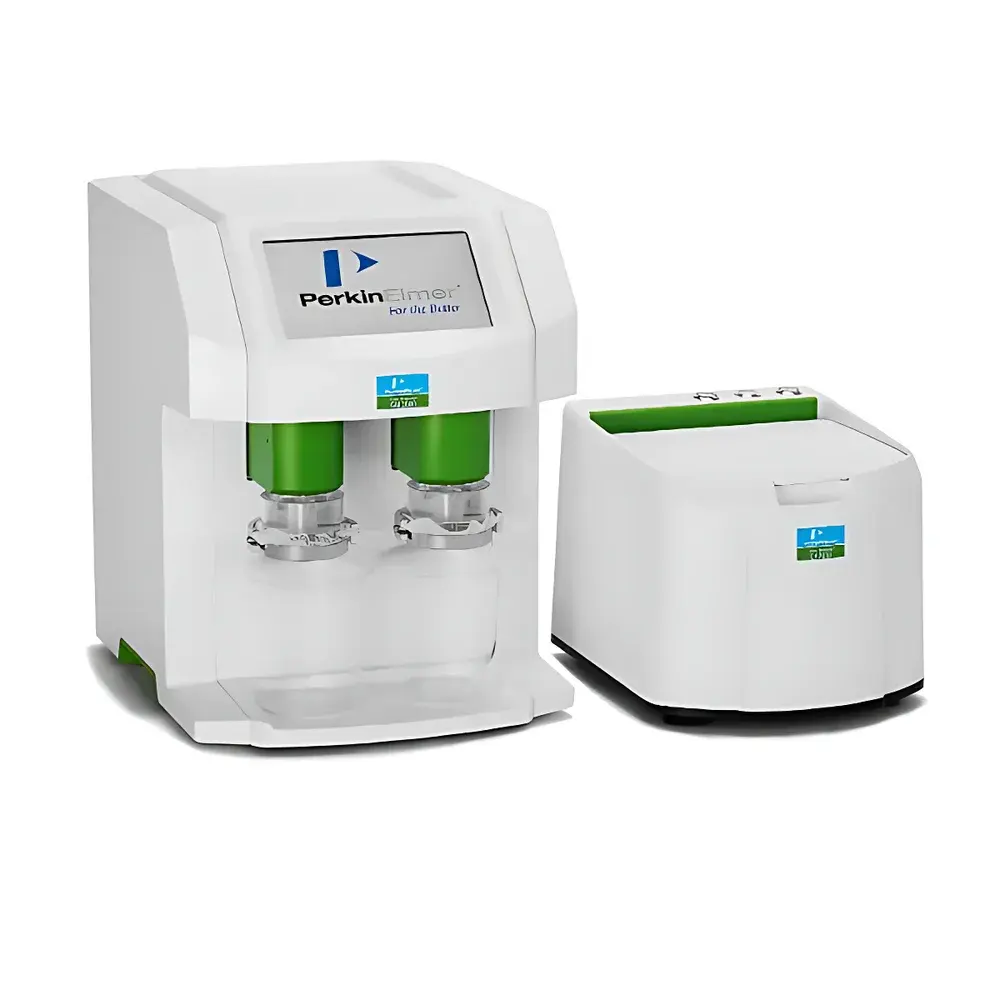
Perten GM2000 Glutomatic Gluten Determination System
| Brand | Perten |
|---|---|
| Origin | Sweden |
| Model | GM2000 |
| Gluten Washing Time | 5 min |
| Mixer Speed | 120 ± 5 rpm |
| Dough Mixing Time | 20 s |
| Compliance | AACC 38-12.02, ICC 155/158/137/1, ISO 21415-2 & -4, GB/T 5506.2 & 5506.4, IRAM 15864, CCAT Method 13 |
Overview
The Perten GM2000 Glutomatic Gluten Determination System is a fully automated, standardized instrument engineered for the quantitative and qualitative assessment of gluten in wheat, durum wheat, semolina, and wheat flour. It operates on the principle of wet gluten separation via controlled aqueous dispersion and centrifugal washing — a physical, reagent-free method grounded in internationally recognized rheological and hydration-based separation mechanics. The system quantifies wet gluten content (%), dry gluten content (%), gluten index (a dimensionless indicator of gluten strength and cohesiveness), and gluten water absorption capacity (g H₂O / 100 g flour). These parameters directly correlate with dough elasticity, gas retention, extensibility, loaf volume, crumb structure, and pasta cooking tolerance — making the GM2000 an indispensable tool for functional wheat protein characterization across the grain value chain.
Key Features
- Fully automated workflow: Integrated mixing, washing, centrifugation, and drying stages executed under precisely controlled mechanical and temporal conditions.
- Touchscreen HMI interface: Intuitive 7-inch capacitive display with multilingual support (English, Spanish, French, German, Chinese) and context-sensitive guidance for method selection and calibration.
- Reproducible mechanical actuation: Brushless DC motor drives the mixer at a stable 120 ± 5 rpm; programmable 20-second kneading cycle ensures consistent dough development prior to washing.
- Standardized 5-minute washing protocol: Optimized flow rate, water temperature (20–25 °C), and centrifugal force (≥3,000 × g) ensure compliance with AACC 38-12.02 and ICC 155/158.
- Rugged industrial enclosure: IP54-rated chassis with reinforced stainless-steel sample chamber and corrosion-resistant fluid pathways — validated for operation in grain elevators, flour mills, and field laboratories with ambient dust and humidity fluctuations.
- No chemical reagents or pre-treatment required: Sample integrity preserved; results reflect native gluten functionality without enzymatic or solvent interference.
Sample Compatibility & Compliance
The GM2000 accepts ground wheat kernels, durum semolina, wholemeal flour, refined white flour, and industrial gluten concentrates (e.g., vital wheat gluten). It supports routine analysis of samples ranging from 10 g to 50 g (standard test weight: 10 g ± 0.01 g). All measurement protocols conform to globally harmonized standard methods, including AACC International Method 38-12.02 (Gluten Index), ICC Standard Methods 155 (Wet Gluten Content), 158 (Gluten Index), 137/1 (Wet Gluten), ISO 21415-2 (Determination of wet gluten content) and ISO 21415-4 (Determination of dry gluten content), GB/T 5506.2–2008 and GB/T 5506.4–2008 (Chinese national standards), IRAM 15864 (Argentinian standard), and CCAT Method 13 (Canadian Grain Commission). Data generated is traceable, auditable, and accepted in international trade contracts, breeding trials, and regulatory submissions.
Software & Data Management
The embedded firmware supports GLP-compliant data handling: each test record includes timestamp, operator ID, sample ID, method version, raw mass values (flour, wet gluten, dry gluten), calculated indices, and instrument diagnostics. Data export is available via USB 2.0 (CSV/Excel-compatible format) or optional Ethernet connectivity for integration into LIMS environments. Audit trail functionality meets FDA 21 CFR Part 11 requirements when paired with Perten’s optional secure user authentication module (role-based access control, electronic signatures, immutable log history). Firmware updates are delivered via encrypted SD card or network push, ensuring long-term method consistency across global installations.
Applications
- Wheat breeding programs: High-throughput screening of gluten strength and yield traits across segregating populations.
- Grain procurement & classification: Objective differentiation of hard vs. soft wheat classes based on gluten index thresholds (e.g., >70 = strong gluten; <40 = weak gluten).
- Flour mill quality assurance: Real-time monitoring of milling fractions for gluten integrity loss during heat or mechanical stress.
- Vital wheat gluten production: In-process control of extraction efficiency and protein purity metrics.
- Pasta and noodle manufacturing: Correlation of gluten index with optimal cooking time, firmness, and surface stickiness.
- Bakery R&D: Mapping gluten parameters to bread-specific outcomes such as oven spring, crumb grain uniformity, and staling kinetics.
FAQ
What standards does the GM2000 comply with?
AACC 38-12.02, ICC 155/158/137/1, ISO 21415-2 and -4, GB/T 5506.2 and 5506.4, IRAM 15864, and CCAT Method 13.
Is sample grinding required before analysis?
No — the GM2000 accepts pre-ground flour or semolina; whole kernels must be milled to ≤250 µm particle size using a standardized laboratory mill (e.g., Perten 3100) prior to testing.
Can the instrument differentiate between gluten quality and quantity?
Yes — wet gluten content reflects quantity; gluten index (ratio of centrifuged gluten to total wet gluten) reflects viscoelastic resistance to mechanical disruption, serving as a validated proxy for functional quality.
What maintenance is required for daily operation?
Daily cleaning of the washing chamber, sieve basket, and centrifuge rotor with deionized water; monthly calibration verification using certified reference flour samples; annual preventive maintenance by Perten-certified service engineers.
Is the GM2000 suitable for regulated GMP/GLP environments?
Yes — with optional 21 CFR Part 11 software package, electronic signature capability, and full audit trail logging, it fulfills documentation and traceability requirements for pharmaceutical-grade wheat protein excipient qualification.






